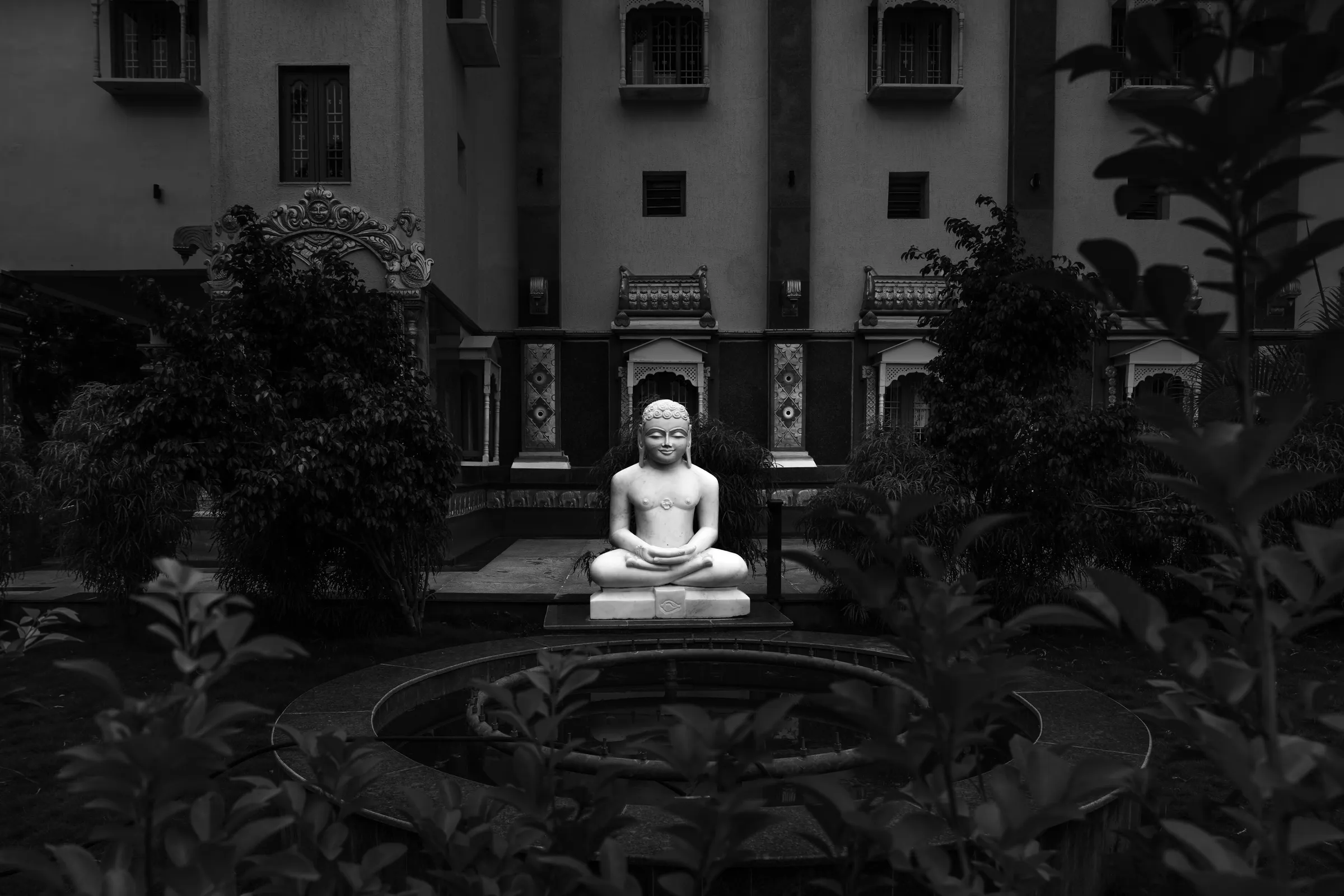
Architectural
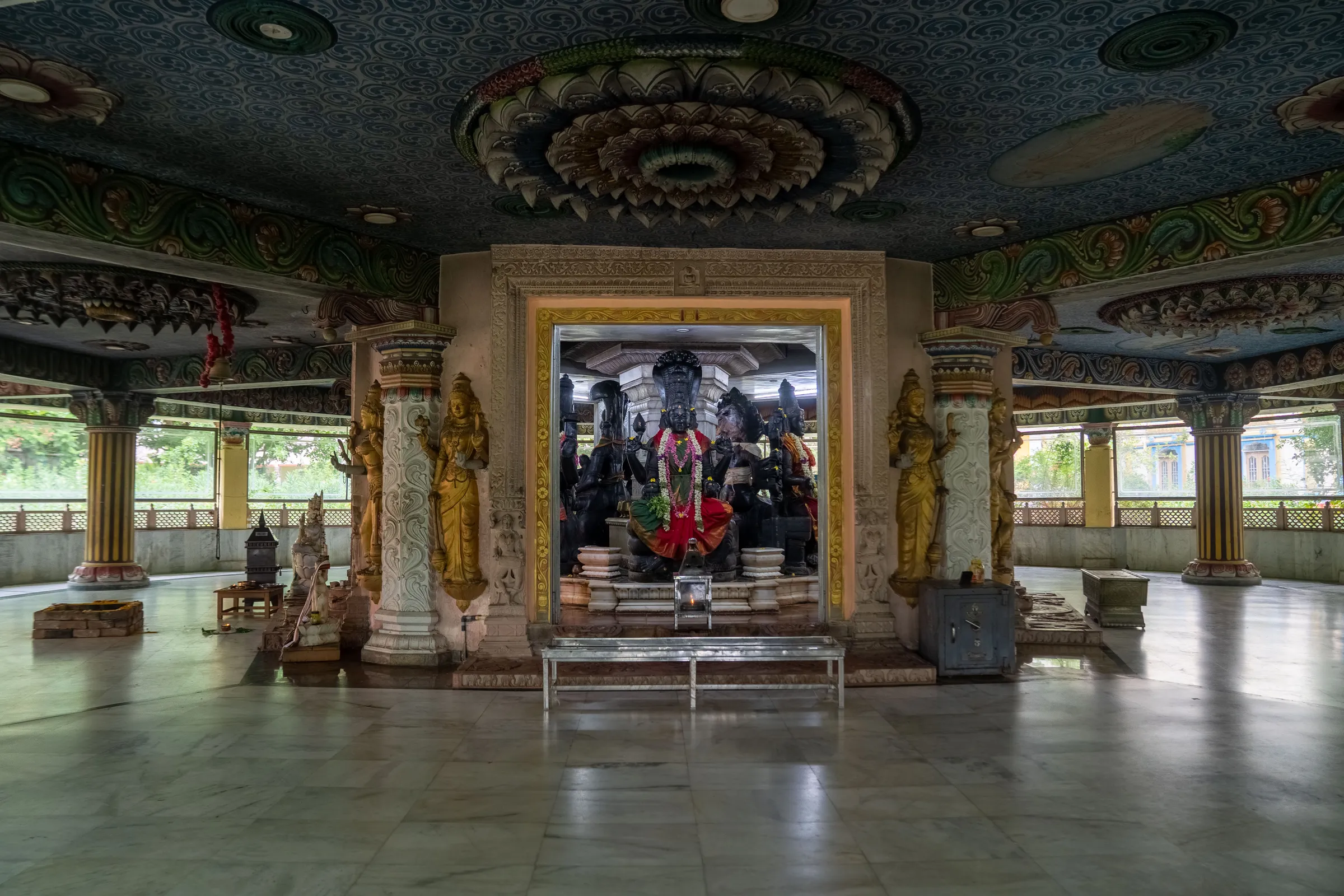
structure & vocabularyTirumalai, also called Arhantagiri, the holy mountain of the Arhat, includes Jain caves and temples: the Kundavai Jinalaya from the 10th century, a Mahavira temple from the 16th, and a Parsvanath temple of the 17th.
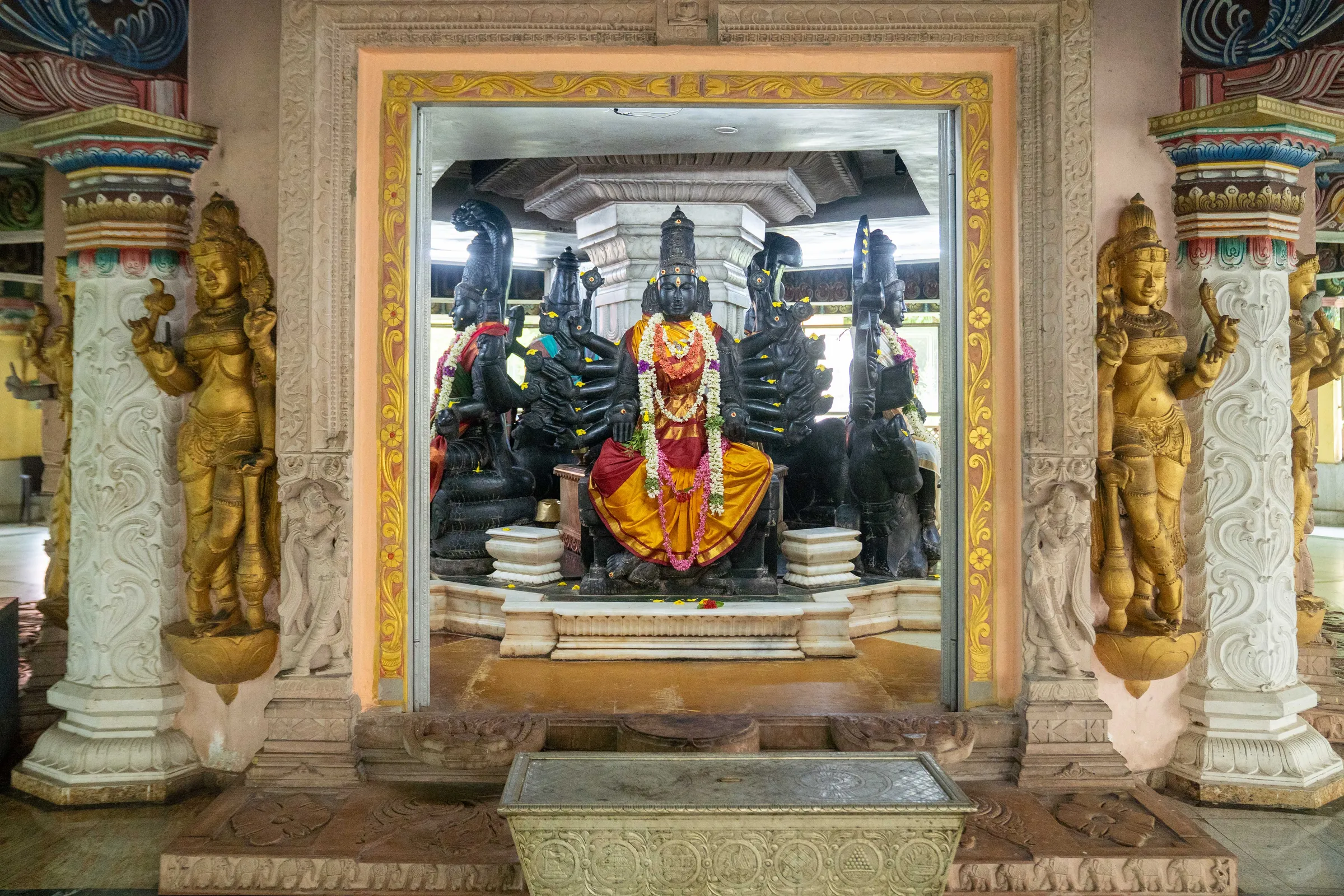
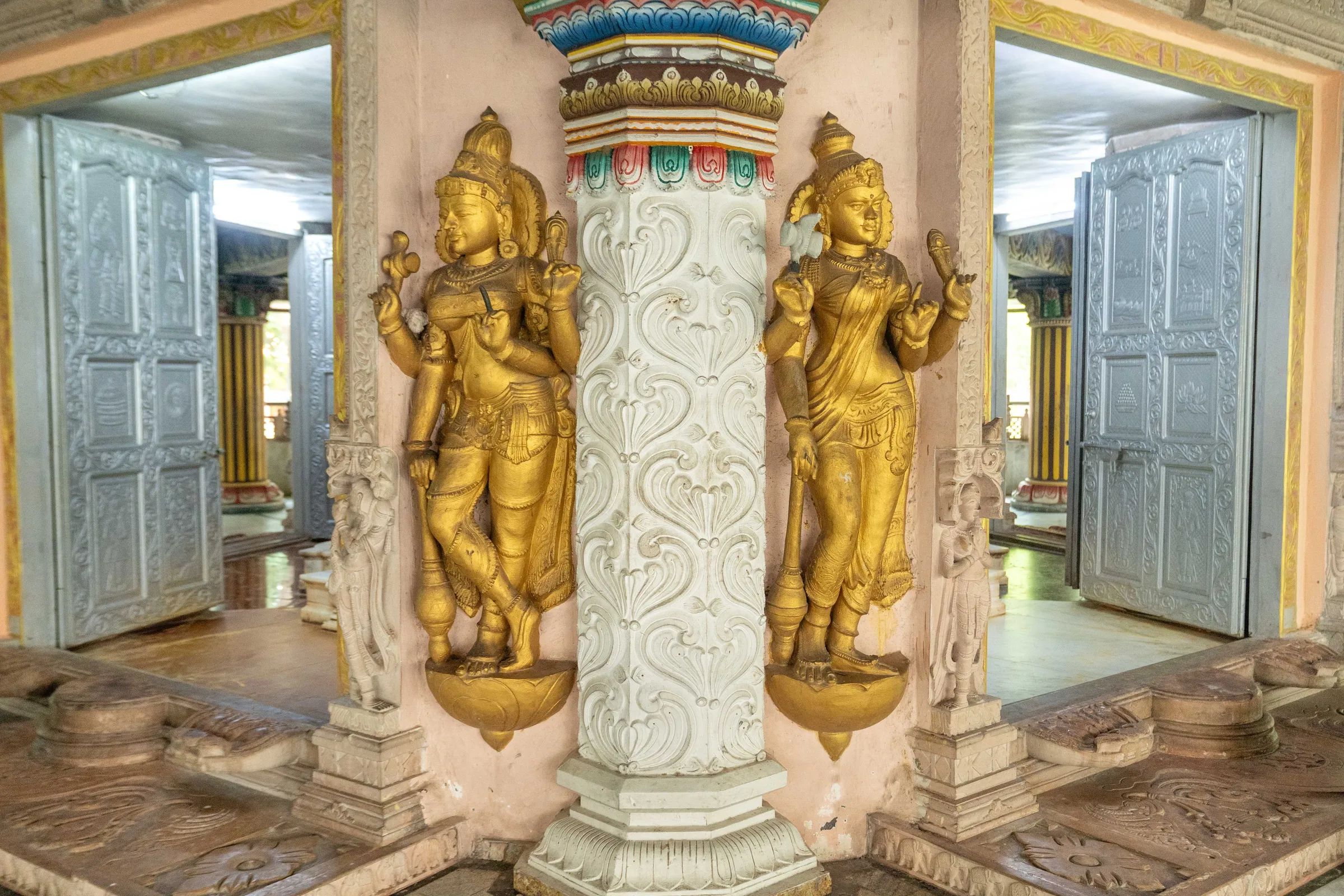
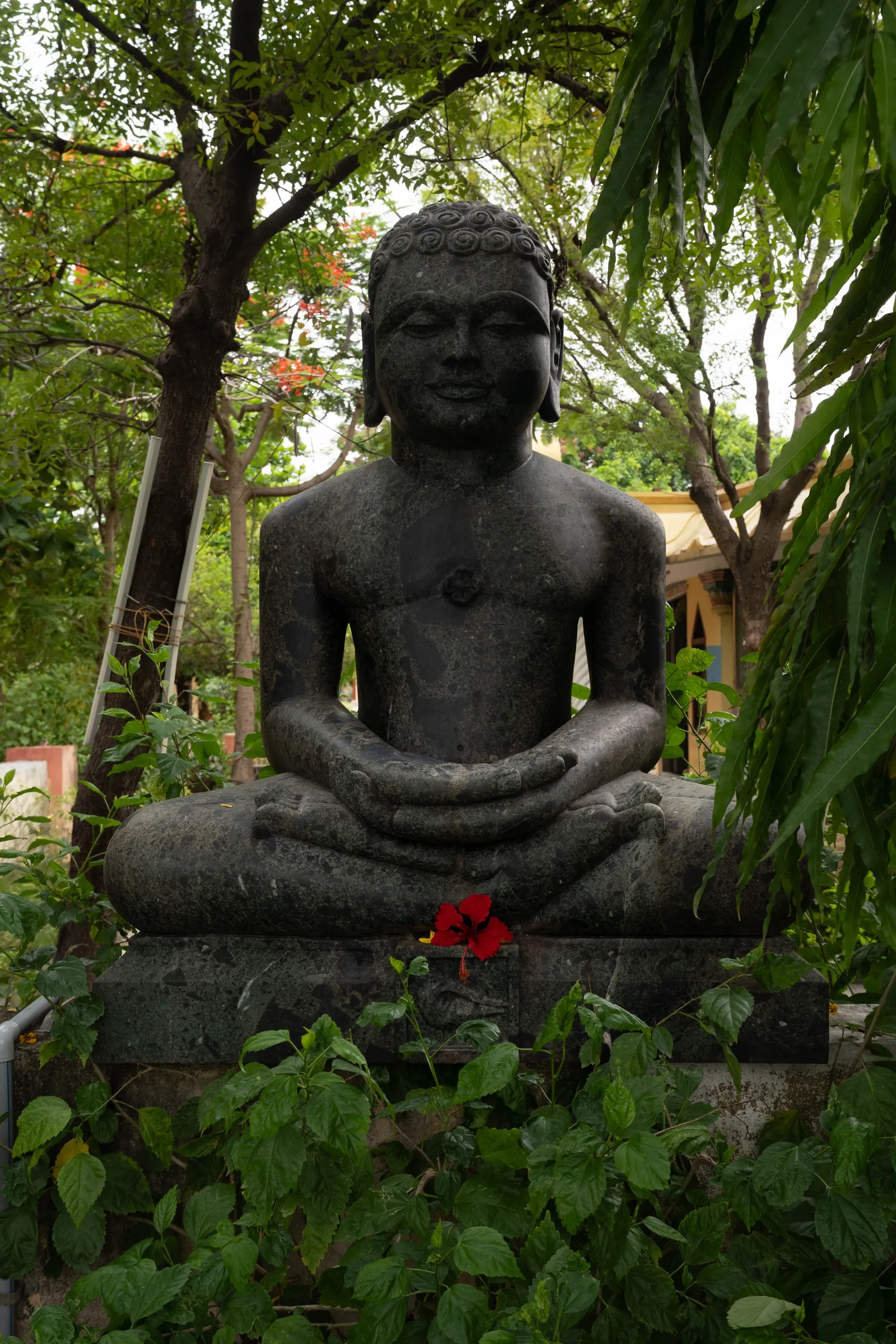
The Kundavai Jinalaya sits atop the hill with an engraving of Mahavira flanked by two lions. Partly excavated and partly built within the caverns of the rock, it is rich in sculpture and bas-relief and contains the tallest Jain idol in Tamil Nadu, the monolithic Neminatha. The sanctum enshrines a feet-tall lime mortar image of Mahavir with Yakshas and Yakshinis on either side, the back wall and ceiling covered with fresco paintings of Jainism, probably of the Vijayanagara period or later.
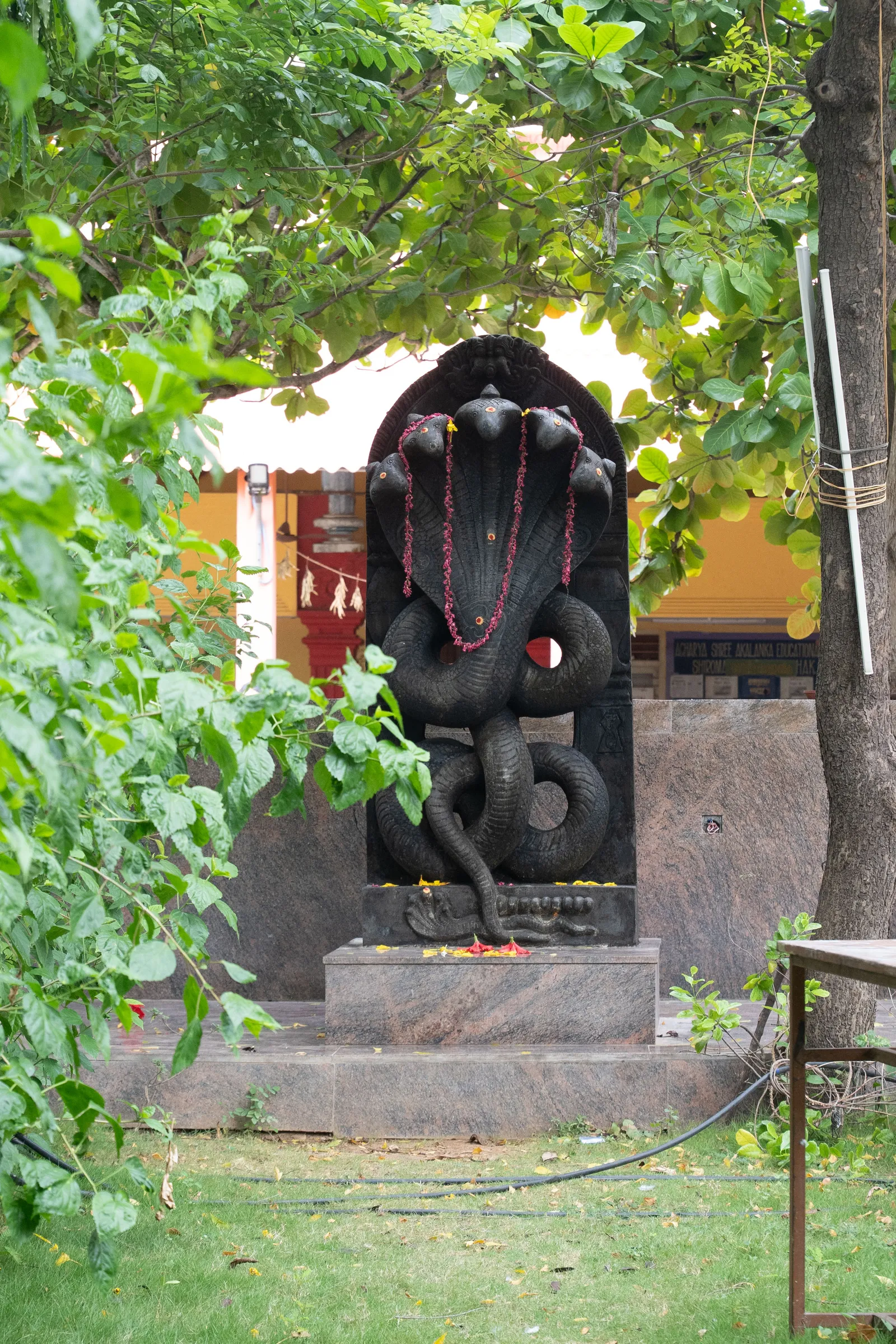
A few steps from the Kundavai Jinalaya are caves with Chola period paintings on the ceiling and Vijayanagara period paintings on the walls. Some portions can be seen only by crawling; lying on the floor and looking up, the painted ceiling appears as a colourful carpet hung above. The walls carry Dvarapalas and Jain figures, and one cave holds a large painting of a Jain Tirthankara surrounded by women, animals and celestial beings, comparable to those in the Ellora caves. The painting of Parsvanath with the five-hooded snake is one of the most notable in the complex.
The large cavern at the base, thought to have been built around the 9th century, was converted into 30 separate chambers in the 10th, possibly to house monks. As at Ellora, celestial beings are shown performing a ritual on a Tirthankara. Nearby are shrines to Kushmandini on a lion, Bahubali with Brahmi and Sundari, and Adinath and Parsvanath with Padmavati. A big boulder recalls the butterball rock of Mamallapuram, and three holy footprints are engraved on the rocks at the top of the hill.