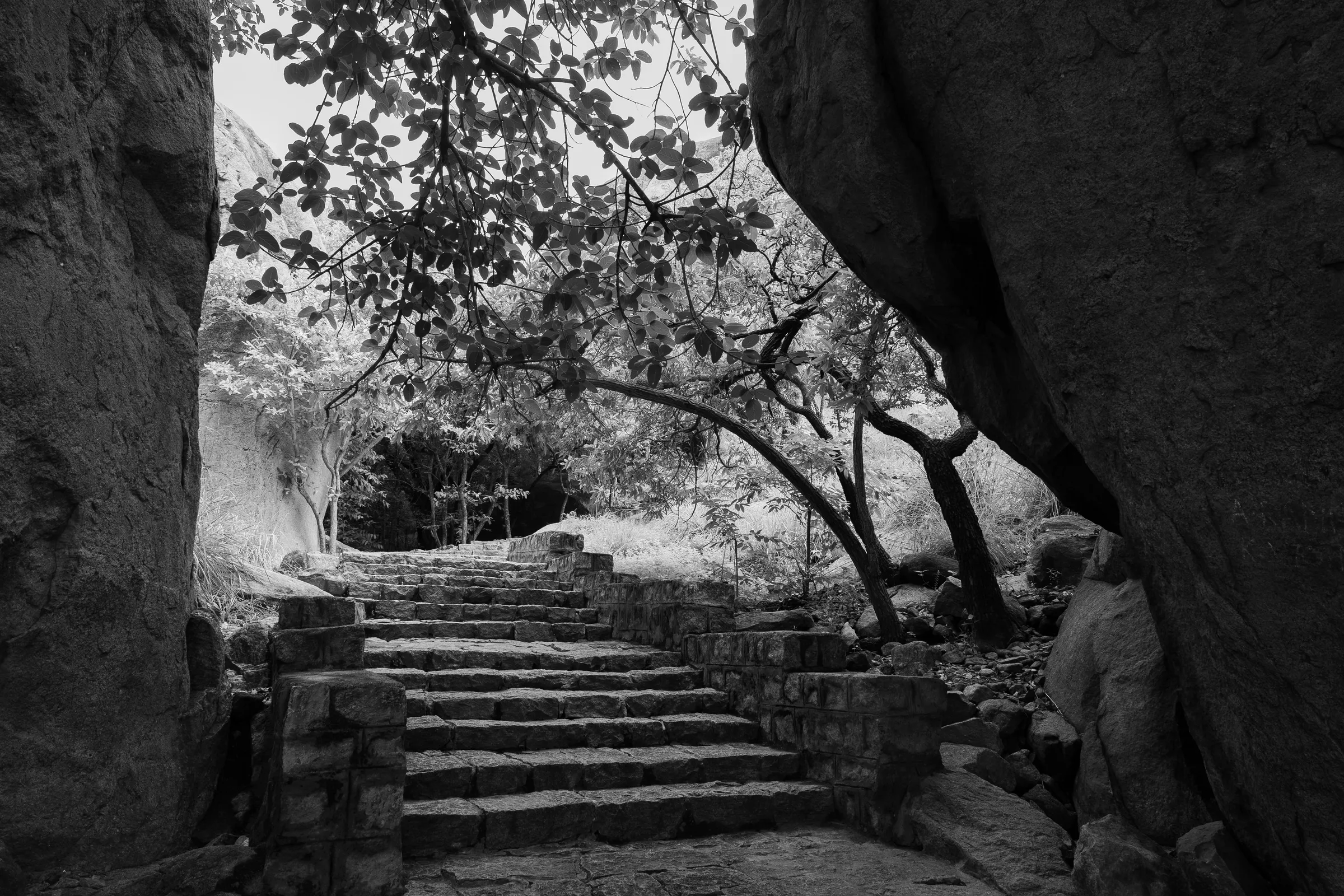
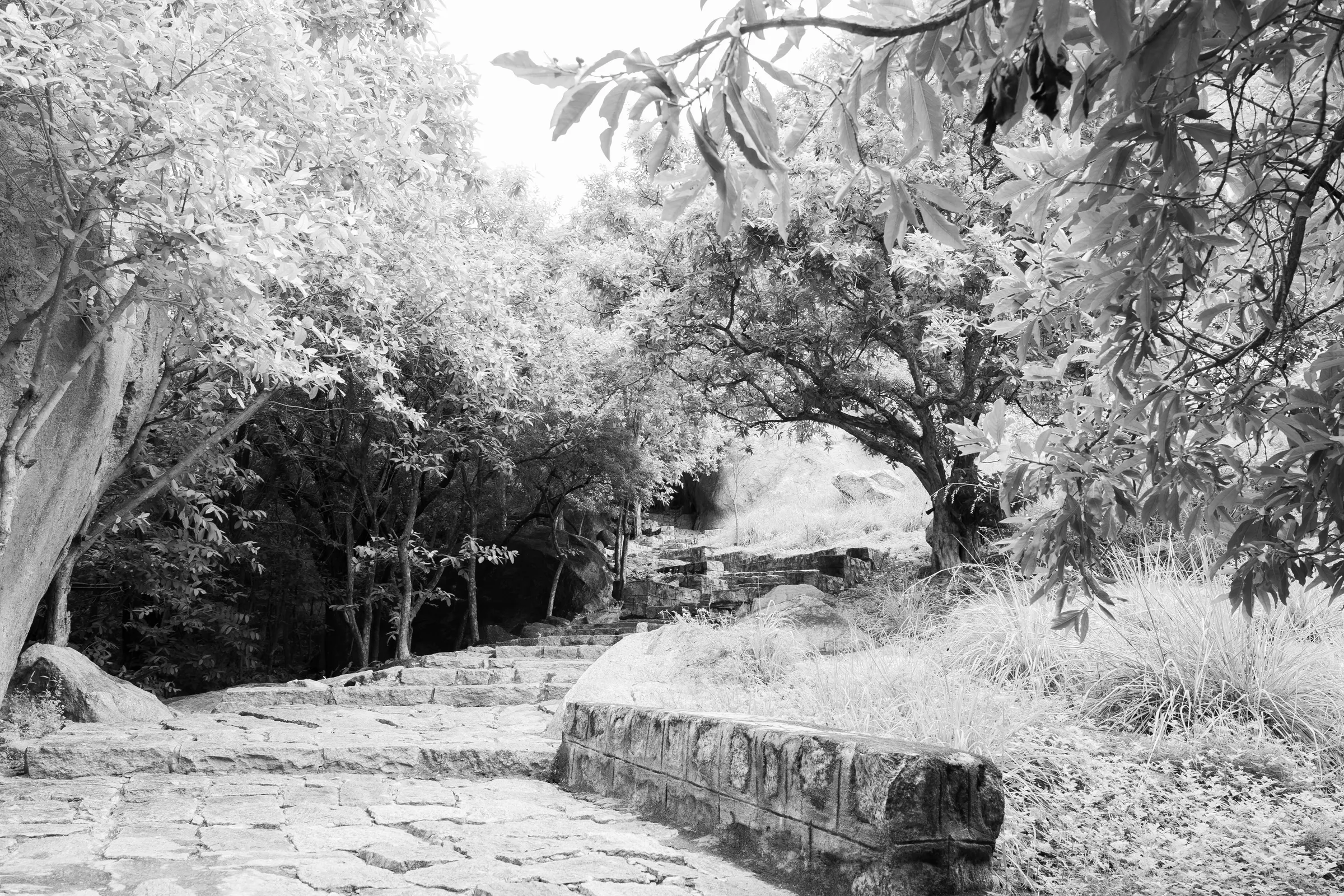
Arittapatti Temple, photograph
← Pandya Nadu
Entry 062

Arittapatti Temple

Arittapatti · Madurai

A village near Madurai holding both Jain and Hindu cave temples, with Tamil Brahmi and Vattezhuthu inscriptions. The Shiva cave, called the Idaichchi mandapa, is a classic early Pandya rock-cut temple.

The village of Arittapatti near Madurai holds both Jain and Hindu cave temples, a witness to the early co-existence of Jainism and Hinduism in the Tamil lands.

The photographs

Plates · 20

Arittapatti Temple, photograph
© Amar Ramesh and team · All rights reserved
Arittapatti Temple, photograph
© Amar Ramesh and team · All rights reserved
Arittapatti Temple, photograph
© Amar Ramesh and team · All rights reserved
Arittapatti Temple, photograph
© Amar Ramesh and team · All rights reserved
Arittapatti Temple, photograph
© Amar Ramesh and team · All rights reserved
Arittapatti Temple, photograph
© Amar Ramesh and team · All rights reserved
Arittapatti Temple, photograph
© Amar Ramesh and team · All rights reserved
Arittapatti Temple, photograph
© Amar Ramesh and team · All rights reserved
Arittapatti Temple, photograph
© Amar Ramesh and team · All rights reserved
Arittapatti Temple, photograph
© Amar Ramesh and team · All rights reserved
Arittapatti Temple, photograph
© Amar Ramesh and team · All rights reserved
Arittapatti Temple, photograph
© Amar Ramesh and team · All rights reserved
Arittapatti Temple, photograph
© Amar Ramesh and team · All rights reserved
Arittapatti Temple, photograph
© Amar Ramesh and team · All rights reserved
Arittapatti Temple, photograph
© Amar Ramesh and team · All rights reserved
Arittapatti Temple, photograph
© Amar Ramesh and team · All rights reserved
Arittapatti Temple, photograph
© Sai Sanjay Prasath · All rights reserved
Arittapatti Temple, photograph
© Sai Sanjay Prasath · All rights reserved
Arittapatti Temple, photograph
© Sai Sanjay Prasath · All rights reserved
01

Architectural

structure & vocabulary

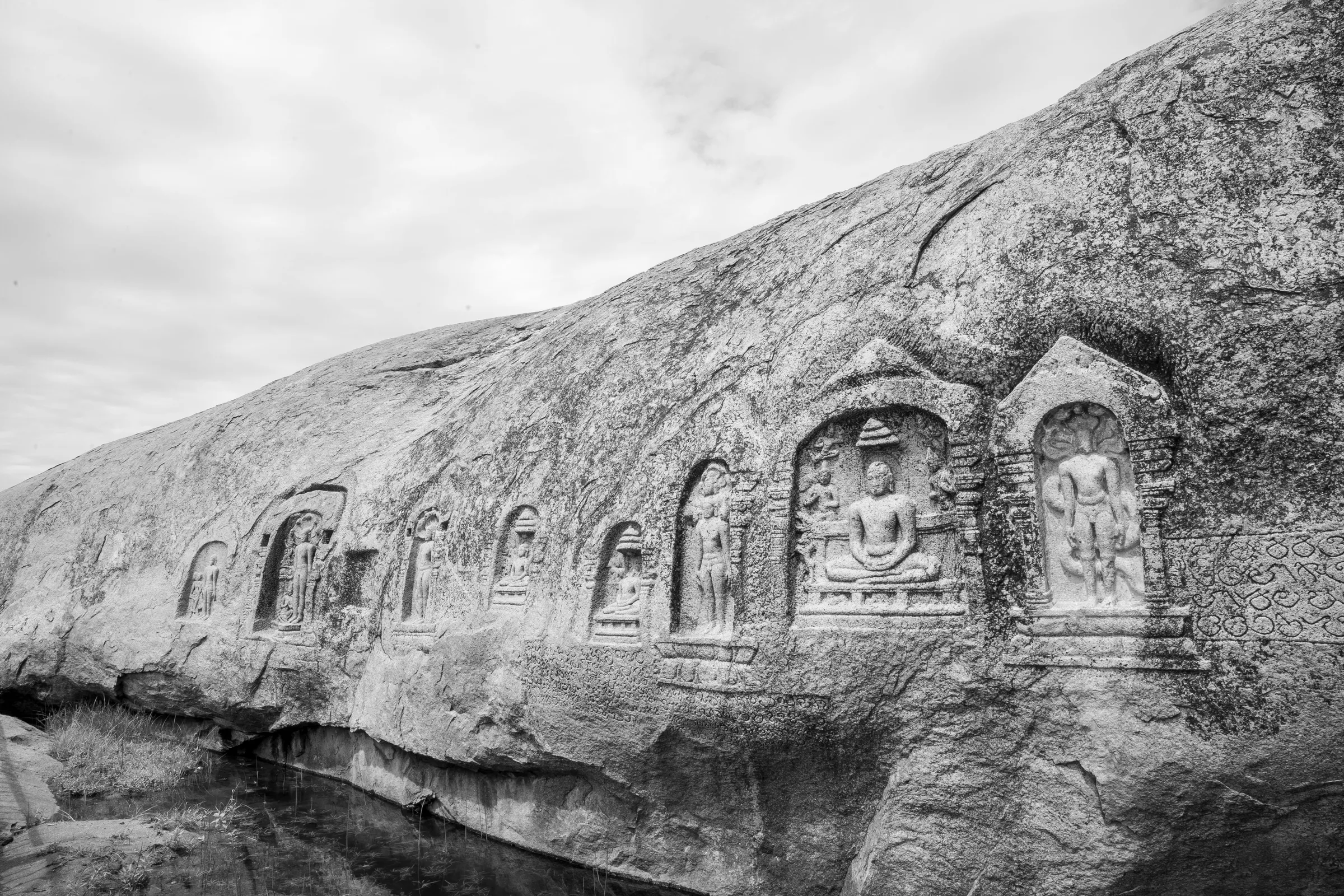
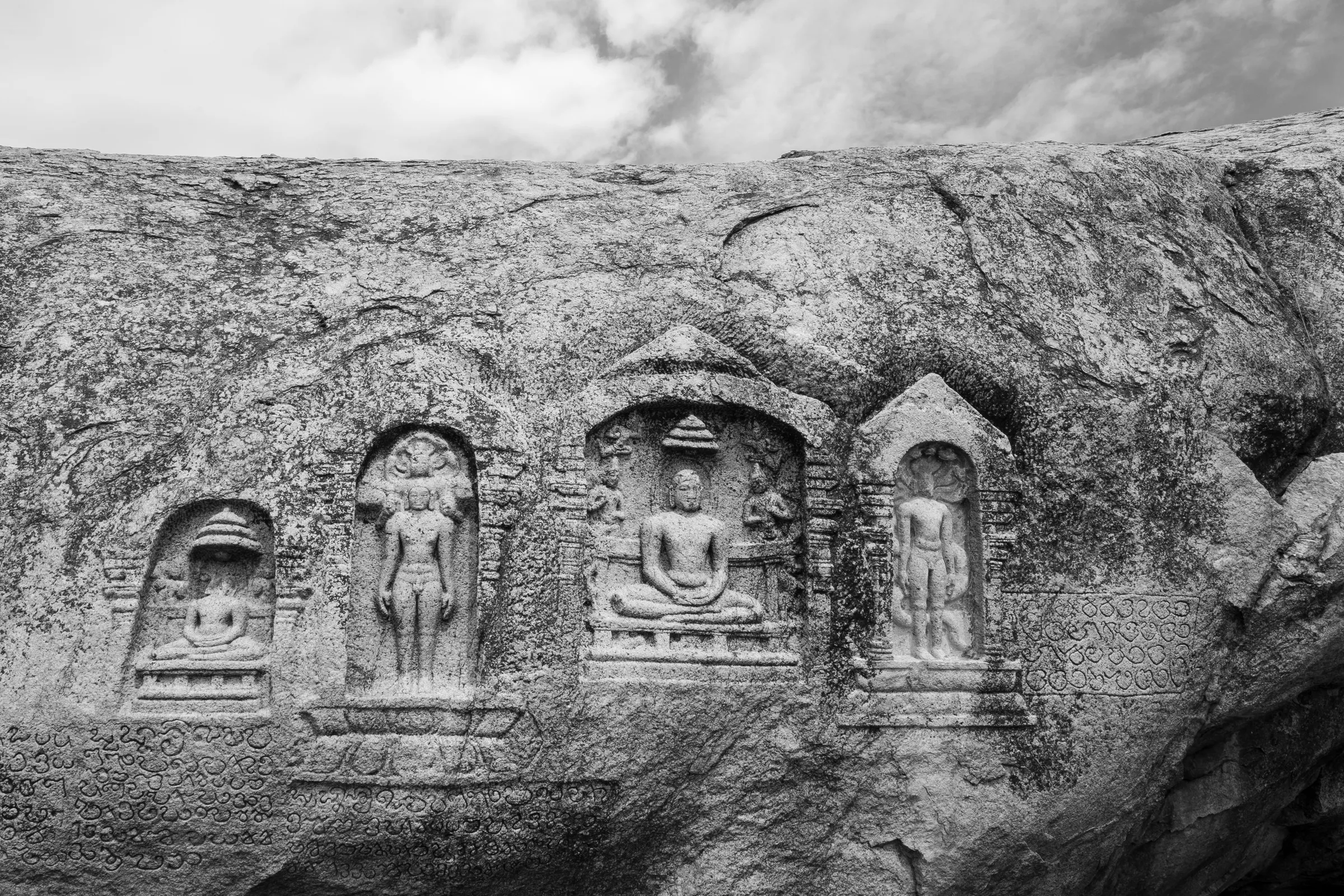
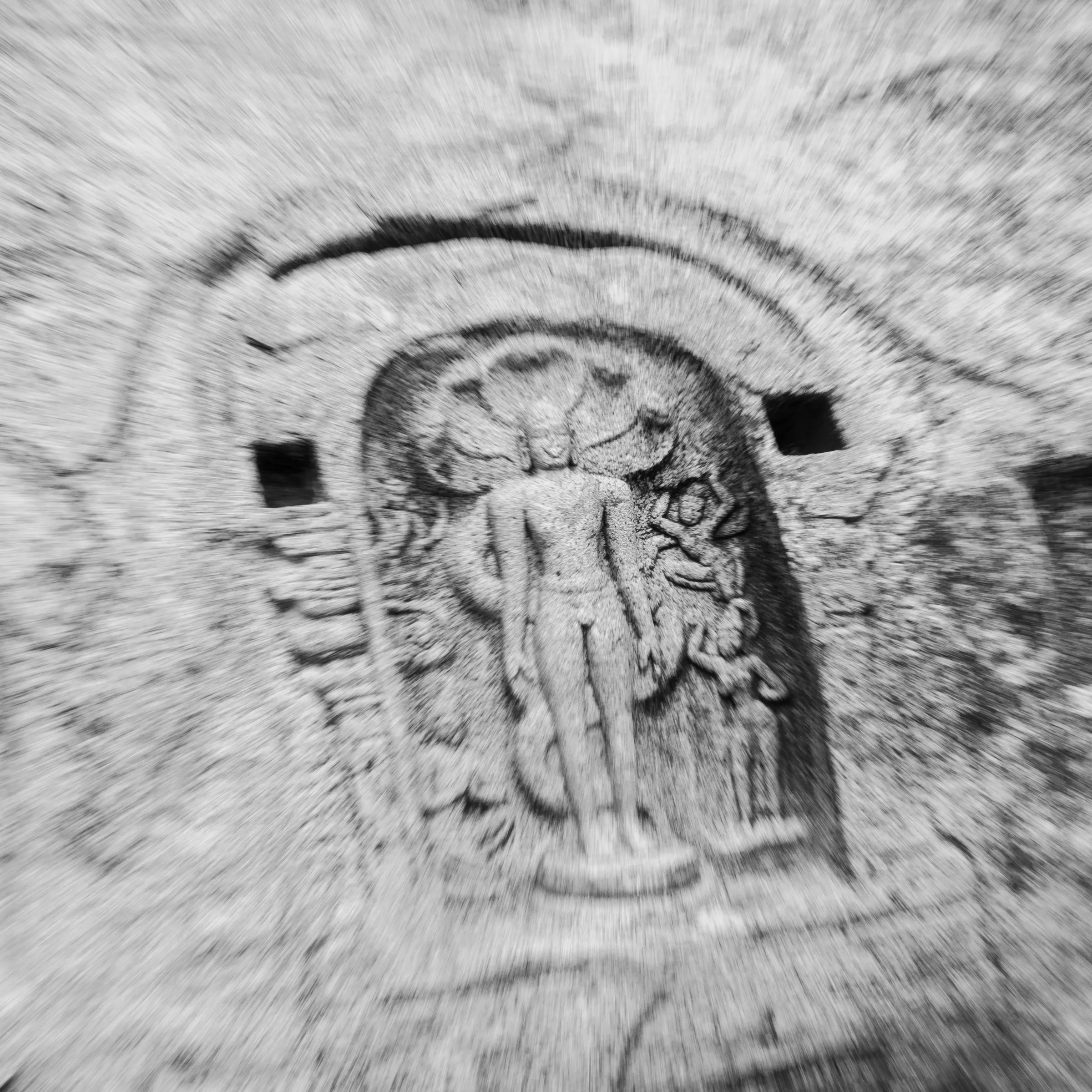
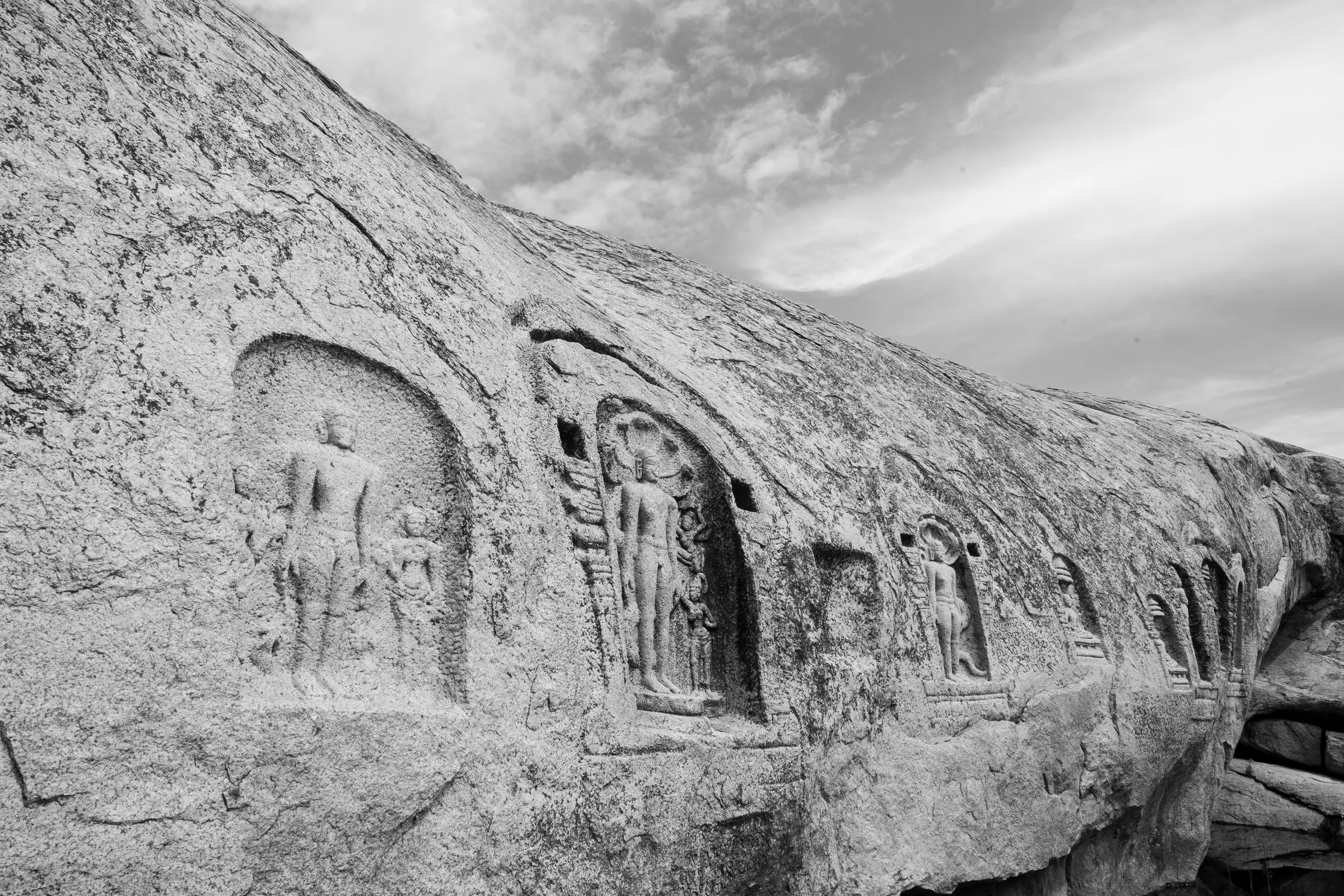
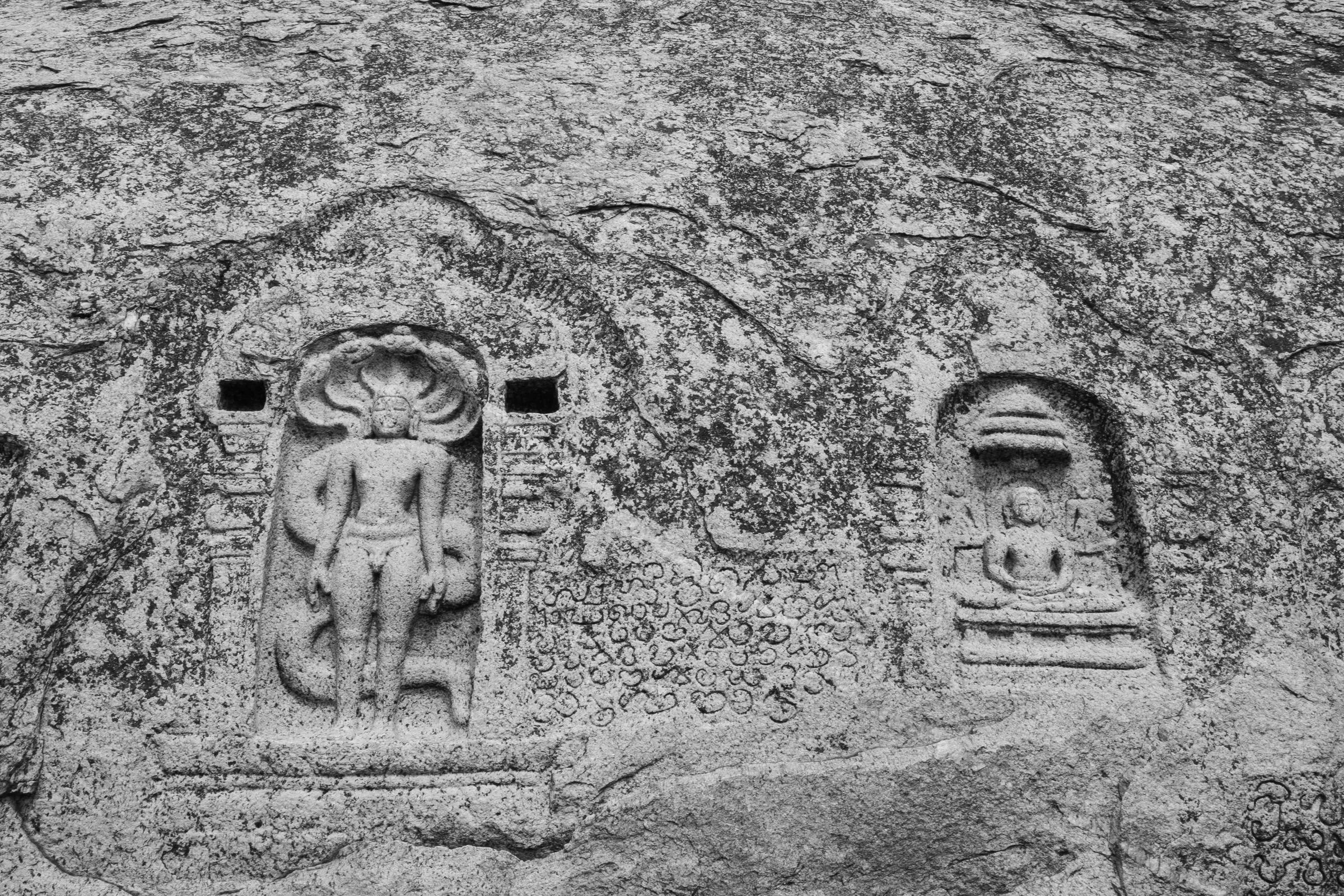
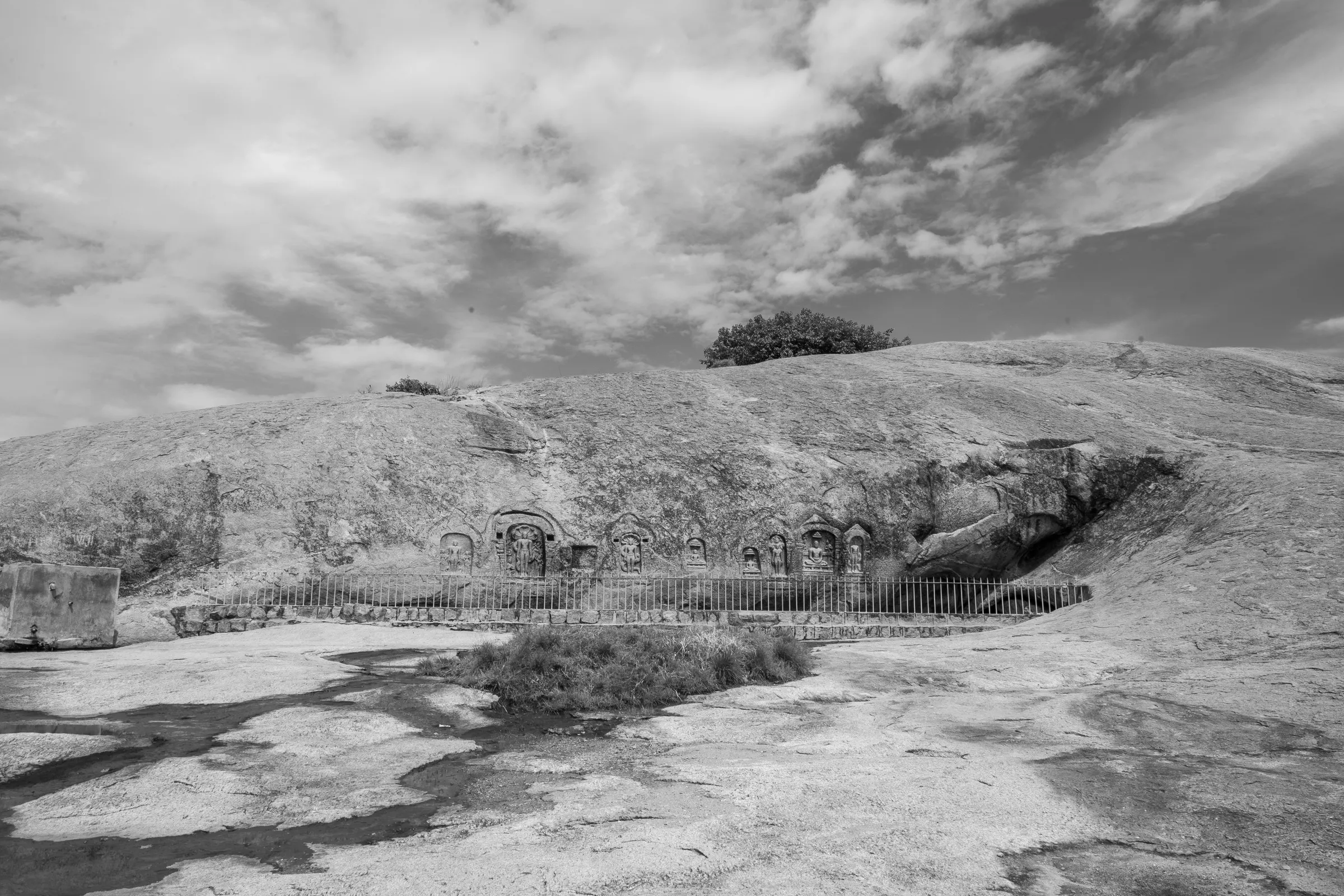
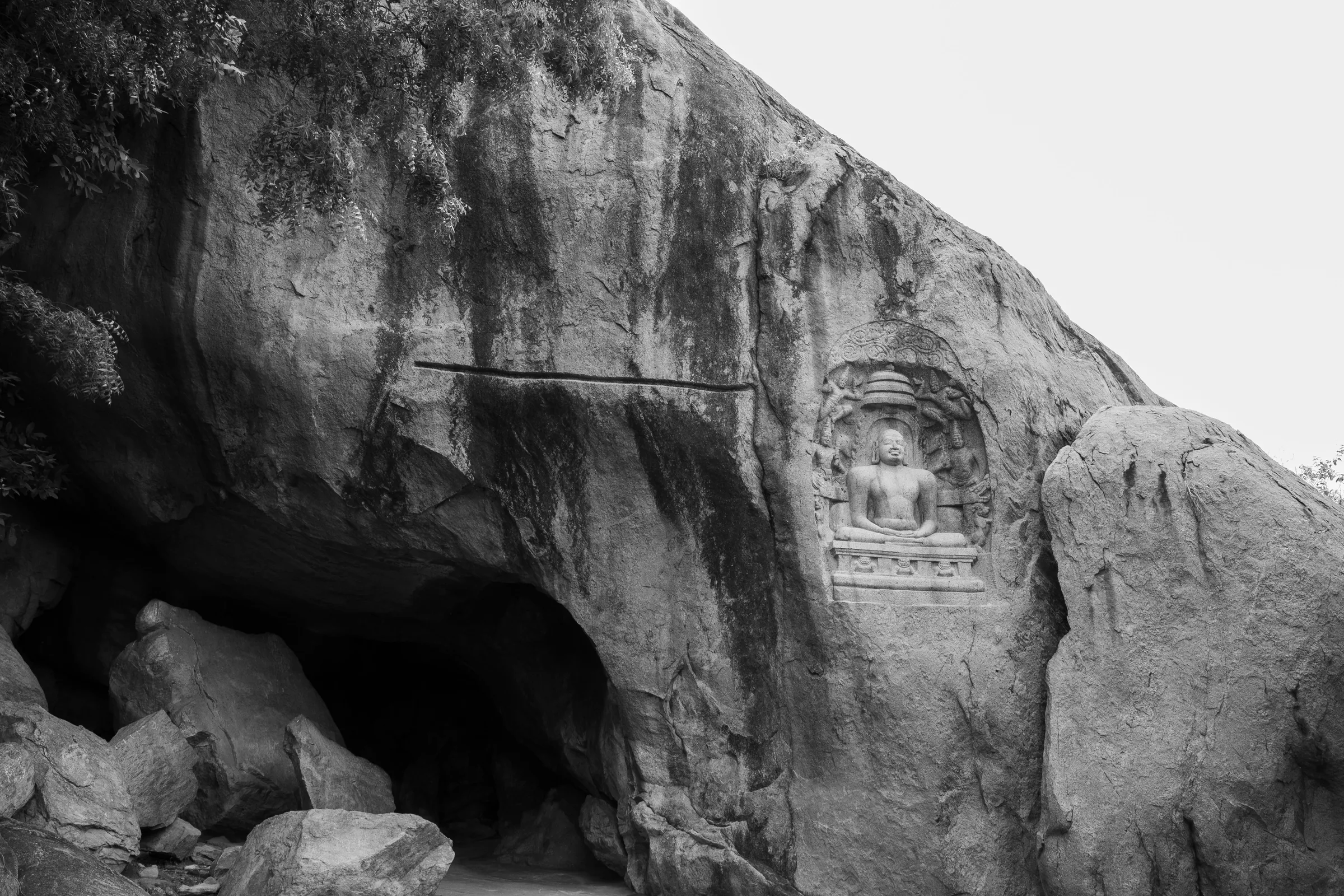
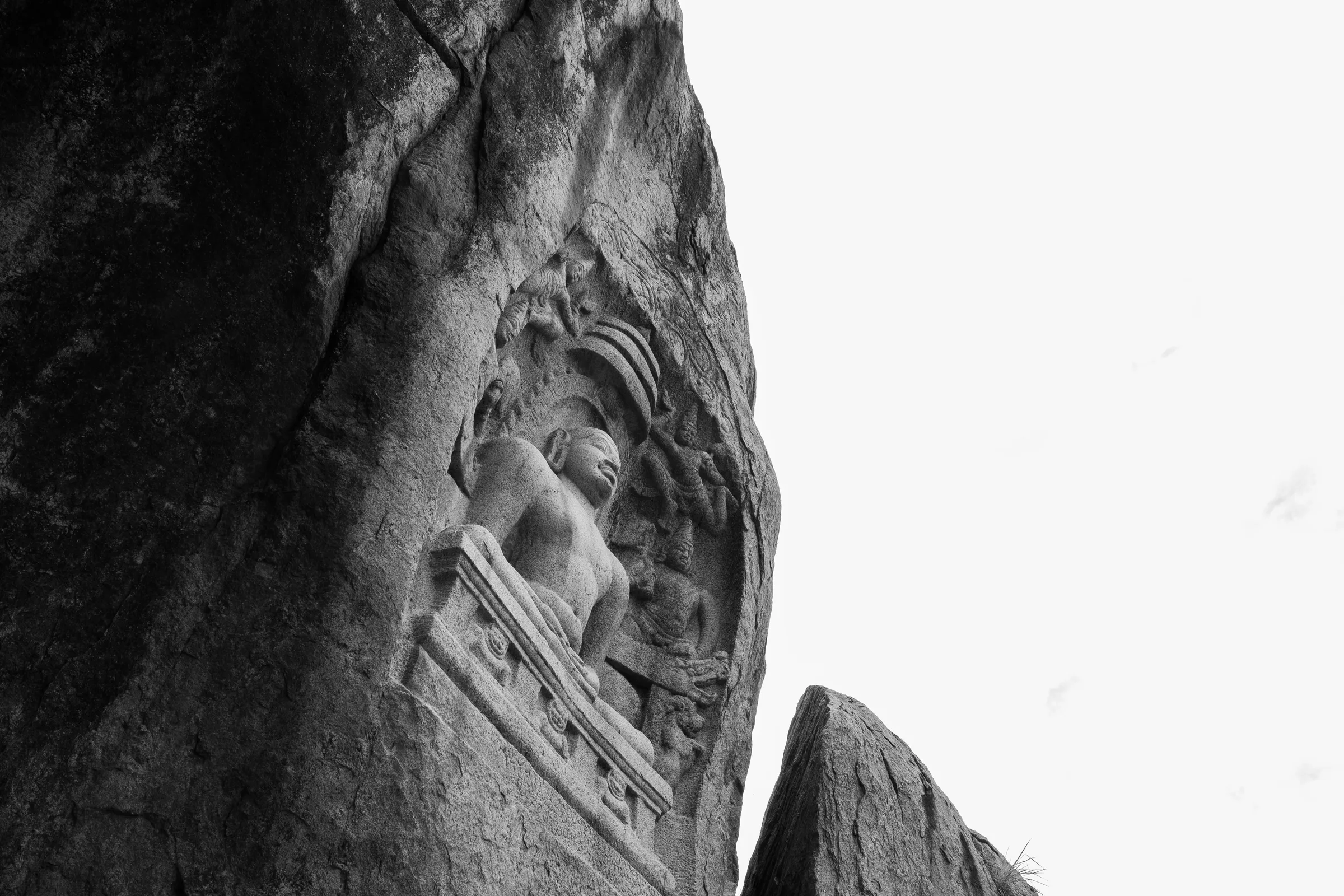
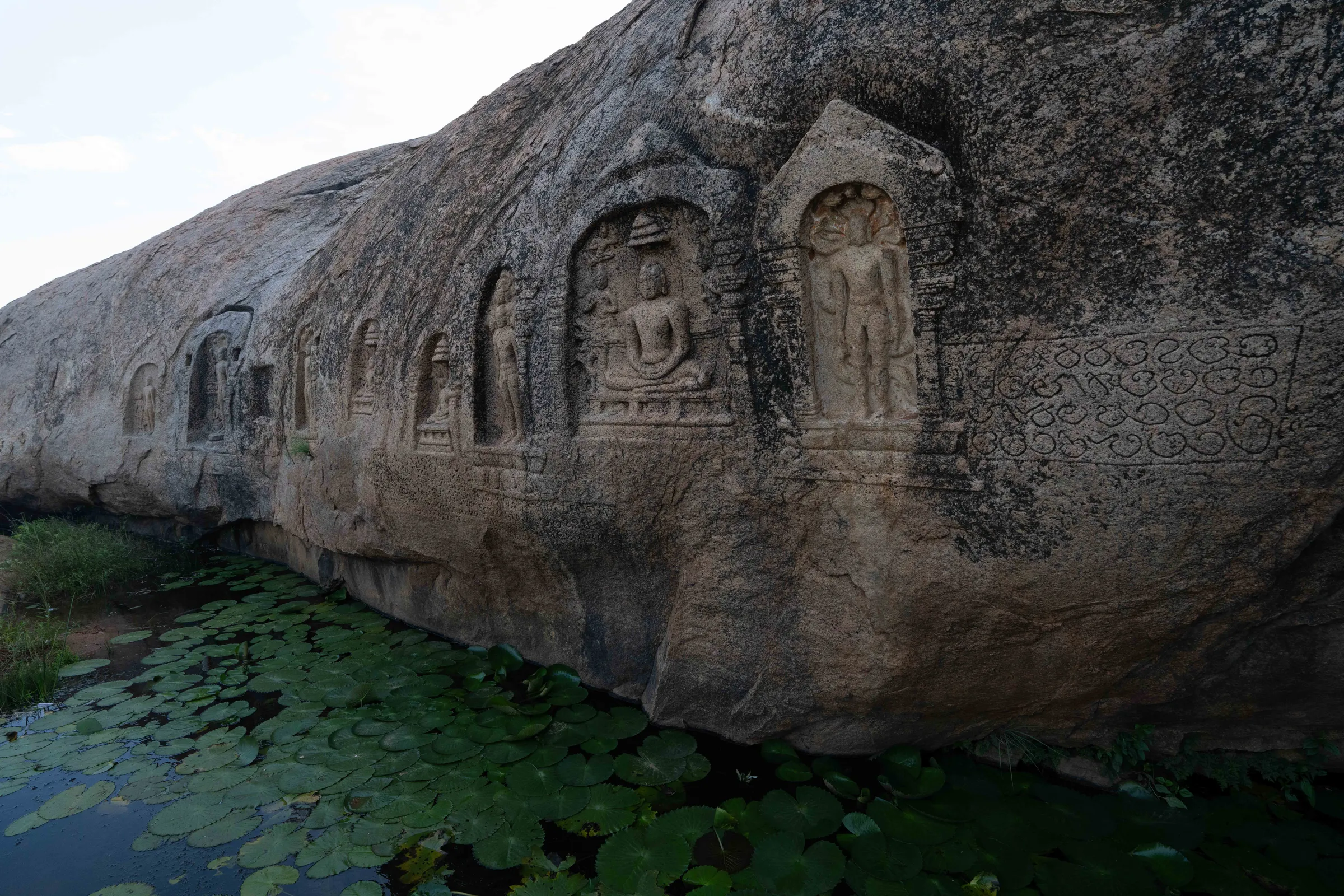
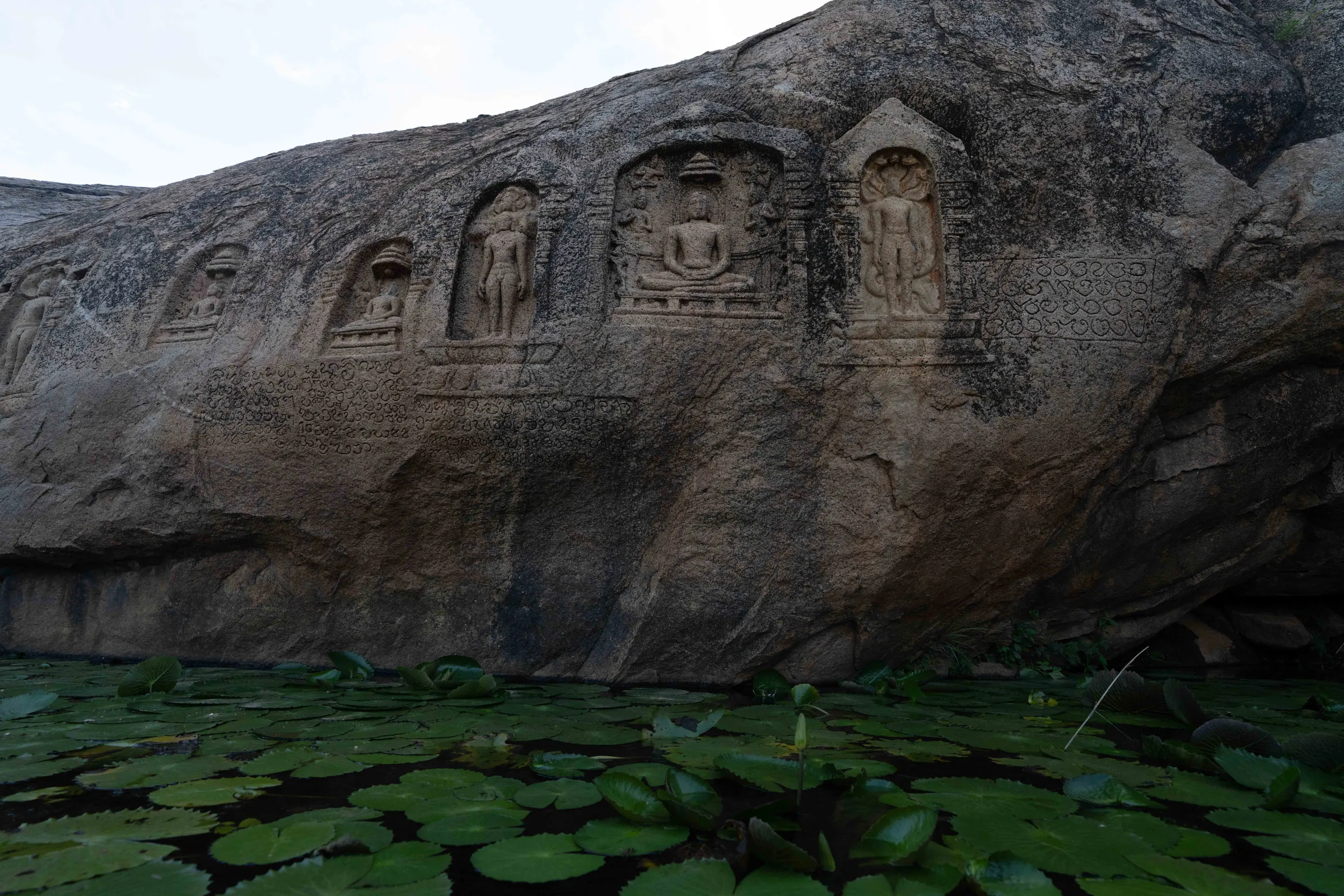
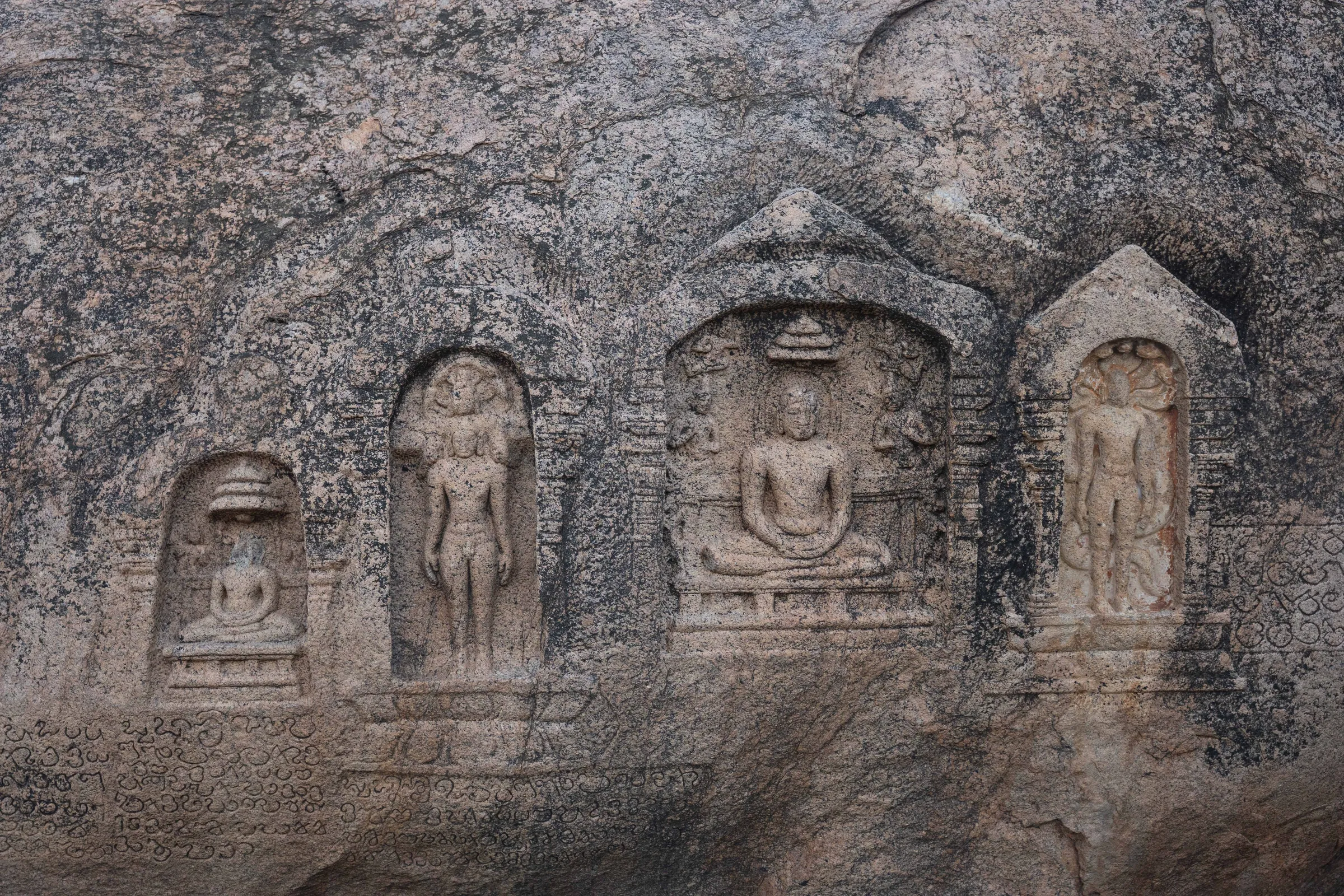
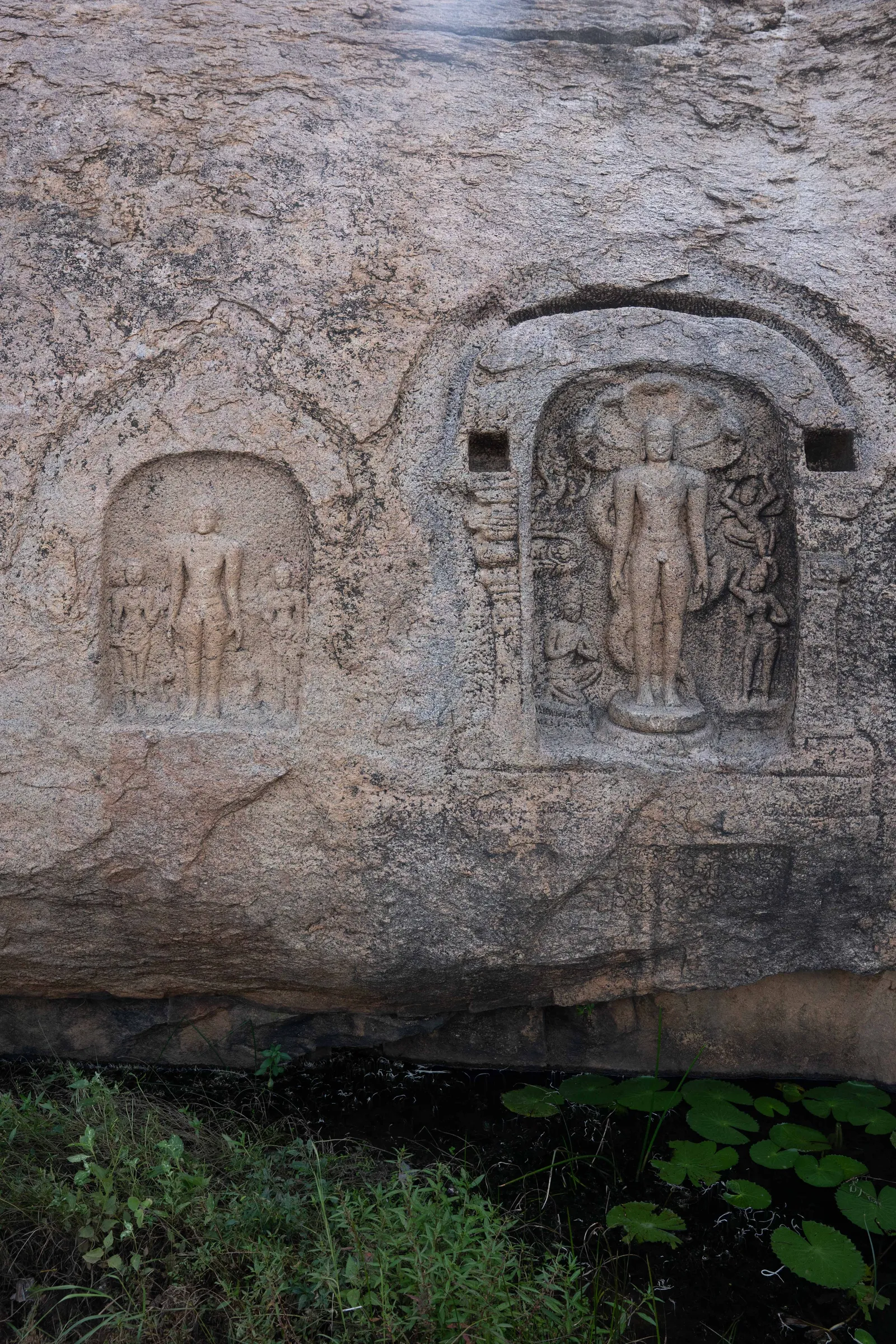
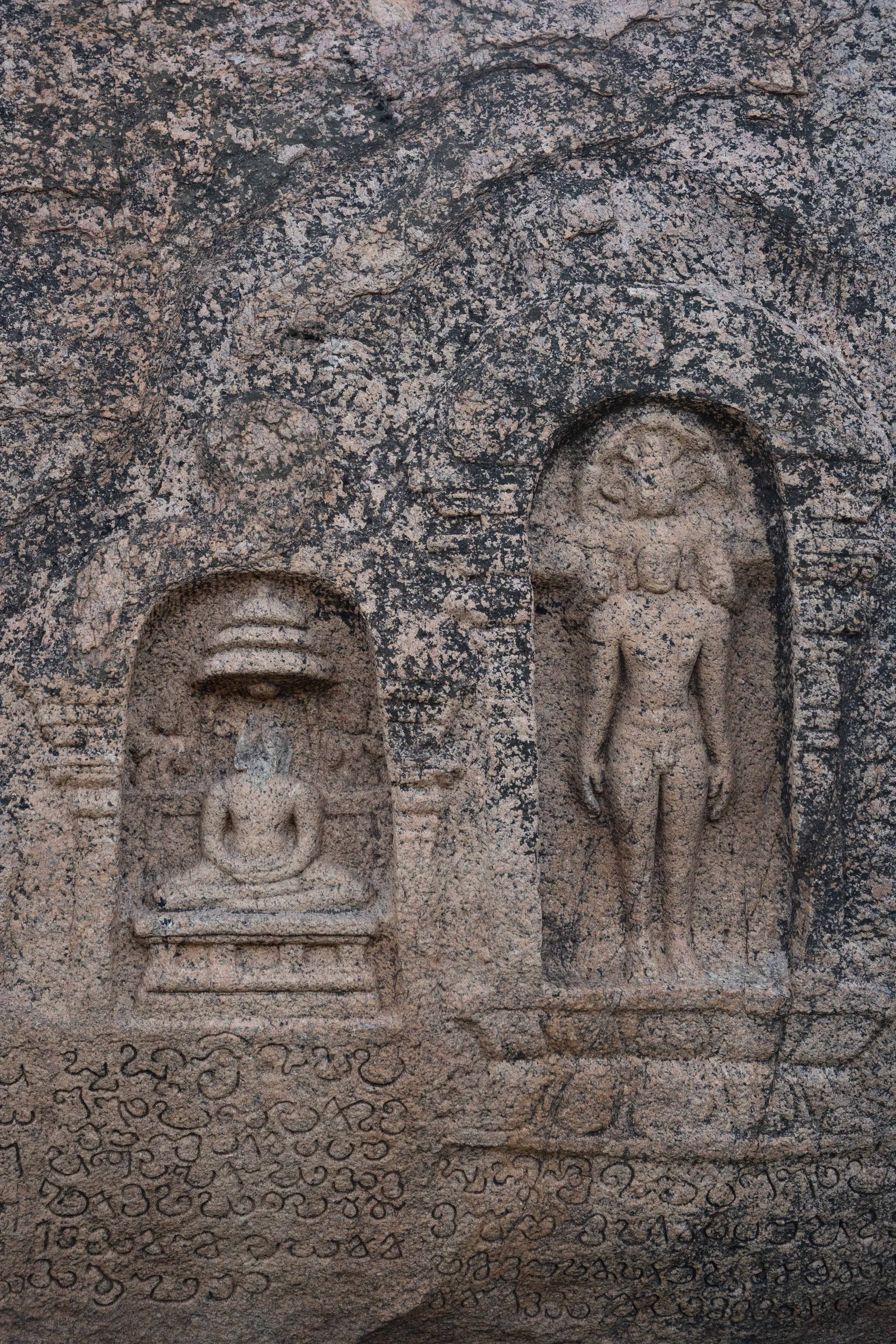
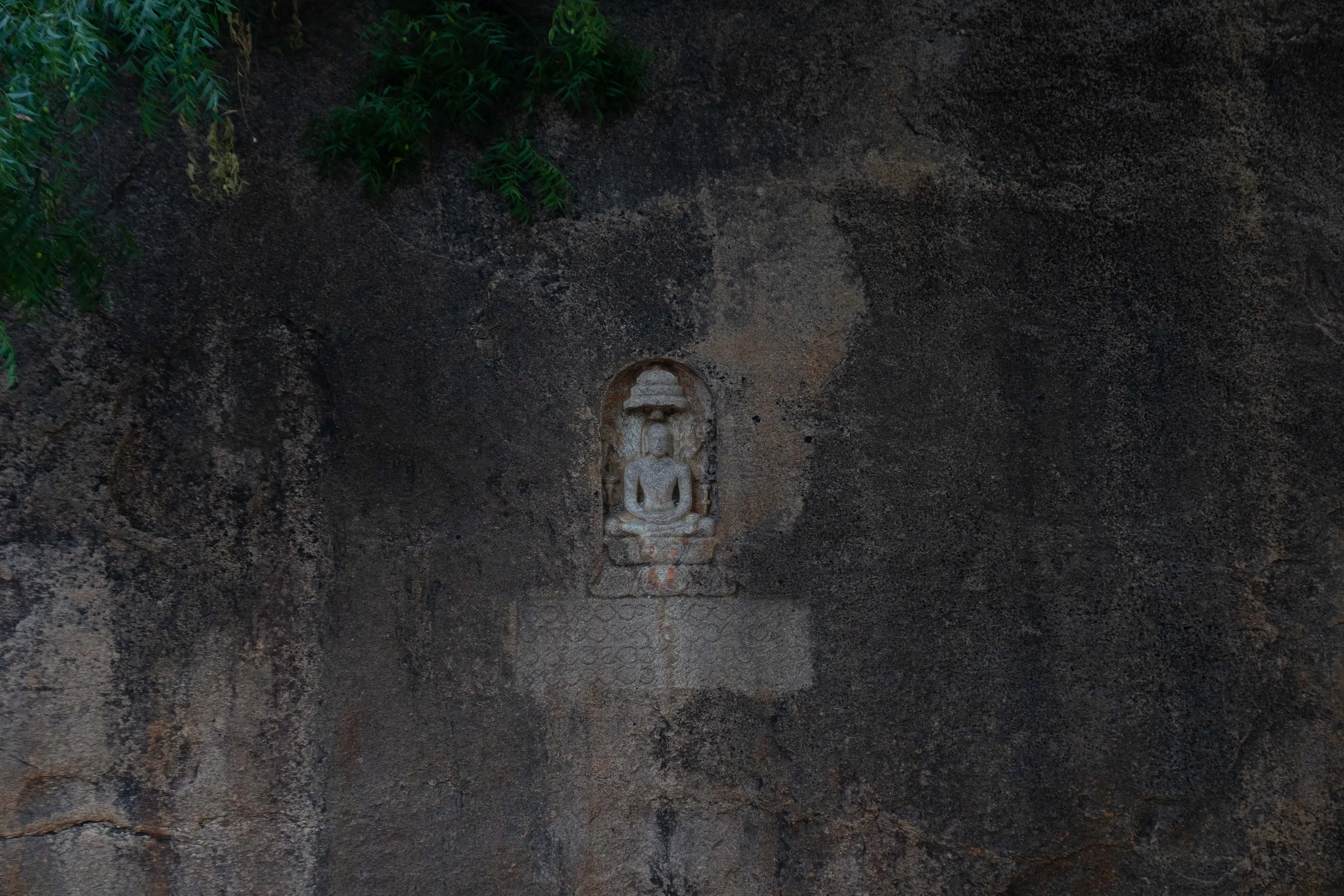
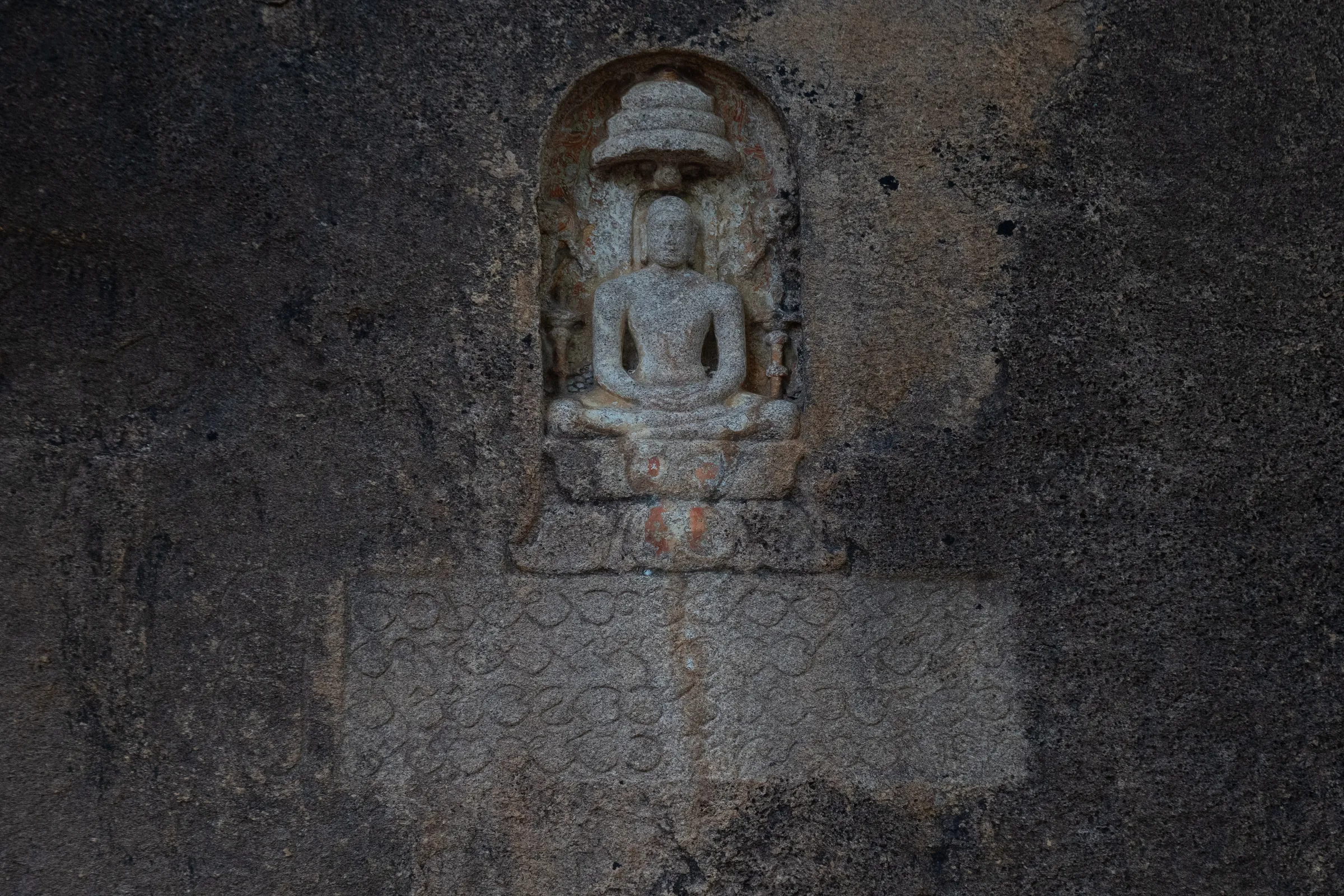
In one of the Jain caves is a relief sculpture of a seated Jain Tirthankara on the rock face. Carved in fairly high relief, the Tirthankara appears to meditate within an arched alcove, a three-tiered umbrella above his head, seated on a lotus pedestal and surrounded by what seem to be flowers and leaves in low relief, where traces of plaster and of red, orange and green paint survive. The Jain caves also hold carved stone beds, smoothened over time to ease the monks who slept on them.

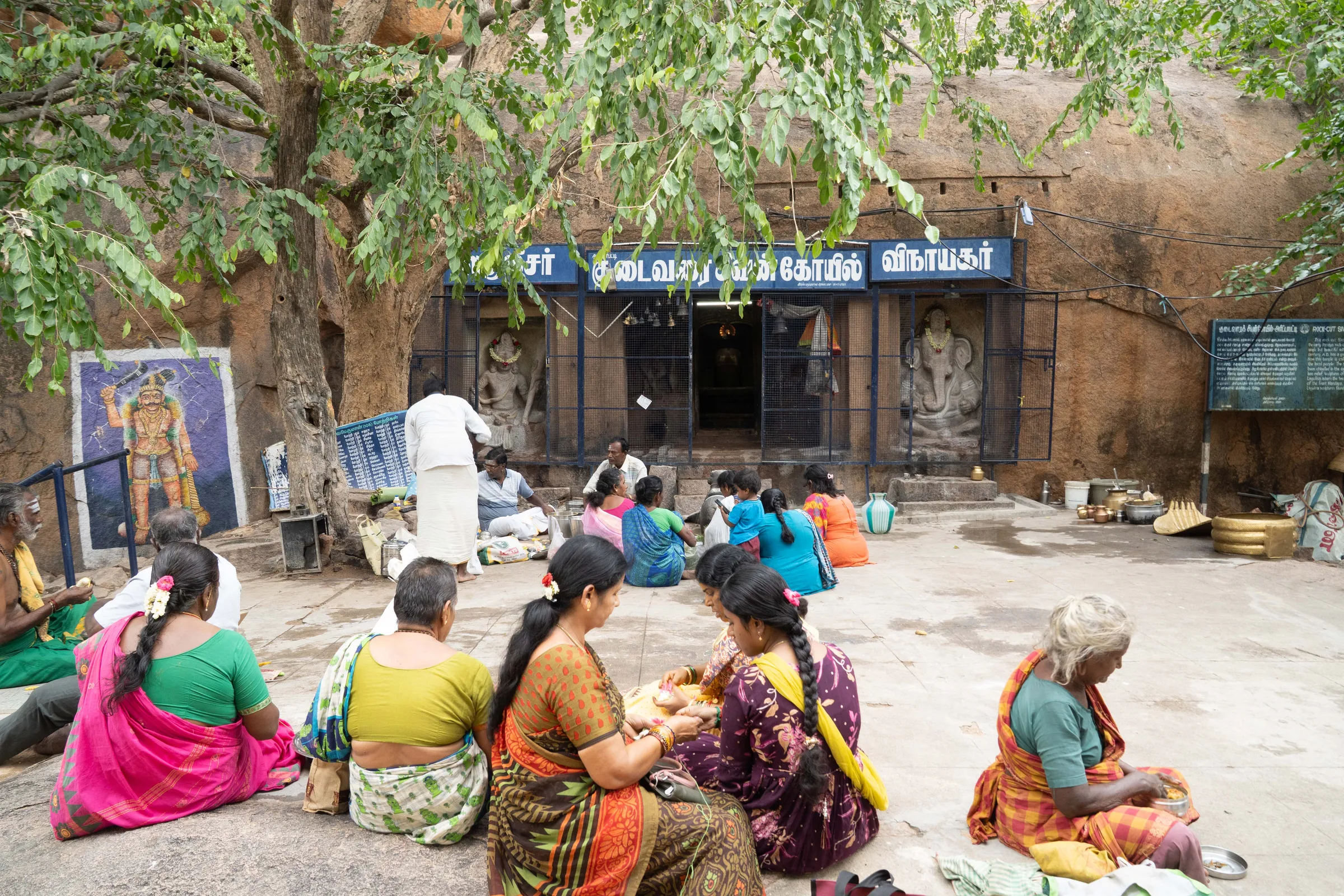
The Shiva temple in the village, called the Idaichchi mandapa by locals, is a classic early Pandya style rock-cut temple, evident in the pillars and pilasters of the mandapa. Its plan is simple: a garbhagriha housing a lingam, with a mandapa in front. Two of the mandapa pillars on the outer facade carry relief figures of Ganesha and of Lakulisha Shiva in very high relief. The Lakulisha Shiva, rarely shown in Tamil Nadu, is seated with the left leg raised and bent and the right reaching the ground, wearing a lower garment and adorned with headgear, earrings, necklace, armlets and bangles, holding a large club in his left hand.

02

Archaeological

dated & cited

The site bears inscriptions in both the Tamil Brahmi and Vattezhuthu scripts. The book notes that Tamil Brahmi was in use from around the 2nd century BCE to slightly past the Sangam era in the 4th century CE, after which it led to Vattezhuthu, prevalent until about the 10th to 11th centuries CE. In one Jain cave a Tamil Brahmi inscription of the 2nd century BCE names a devotee, Chizhiyan Atinan Veliyan of Nelveli, credited with sponsoring the smoothening of the stone beds.

Below the Tirthankara image is a Tamil inscription in Vattezhuthu naming the Jain Acharya Ajjandandi, also known from the inscriptions at Anaimalai in Madurai. The Shiva cave carries no inscriptional evidence, but historians believe it belongs to the 7th to 8th centuries (inferred).

Register interest in prints Buy the book
Improve this entry

This is an open, reviewed record. If you have spotted an error or have something to add — a correction, a date, a source, a name in another script — propose it. Every change is reviewed before it joins the record.

“Suggest an edit” opens this entry on GitHub and turns your change into a pull request. “Share feedback” opens a short form. Both go through review.