Arunachaleswarar Temple, photograph
← Thondaimandalam
Entry 027

Arunachaleswarar Temple

Tiruvannamalai · Tiruvannamalai · Chōḷa, Pallava, Rashtrakuta and Vijayanagara additions · Sanctum from the 11th century

One of the Pancha Bhootha Sthalas, dedicated to the fire element, at the foot of the Annamalai hill which is itself regarded as the liṅga. Its towering Raja gopuram and the Girivalam around Aruna hill draw lakhs of devotees.

This entry documents the temple across three registers, held deliberately apart: the architectural reading of what stands, the archaeological reading of what can be dated and cited, and the mythological reading of what is told.

The photographs

Plates · 16

Arunachaleswarar Temple, photograph
© Amar Ramesh and team · All rights reserved
Arunachaleswarar Temple, photograph
© Amar Ramesh and team · All rights reserved
Arunachaleswarar Temple, photograph
© Amar Ramesh and team · All rights reserved
Arunachaleswarar Temple, photograph
© Amar Ramesh and team · All rights reserved
Arunachaleswarar Temple, photograph
© Amar Ramesh and team · All rights reserved
Arunachaleswarar Temple, photograph
© Amar Ramesh and team · All rights reserved
Arunachaleswarar Temple, photograph
© Amar Ramesh and team · All rights reserved
Arunachaleswarar Temple, photograph
© Amar Ramesh and team · All rights reserved
Arunachaleswarar Temple, photograph
© Amar Ramesh and team · All rights reserved
Arunachaleswarar Temple, photograph
© Amar Ramesh and team · All rights reserved
Arunachaleswarar Temple, photograph
© Amar Ramesh and team · All rights reserved
Arunachaleswarar Temple, photograph
© Amar Ramesh and team · All rights reserved
Arunachaleswarar Temple, photograph
© Amar Ramesh and team · All rights reserved
Arunachaleswarar Temple, photograph
© Amar Ramesh and team · All rights reserved
Arunachaleswarar Temple, photograph
© Amar Ramesh and team · All rights reserved
01

Architectural

structure & vocabulary

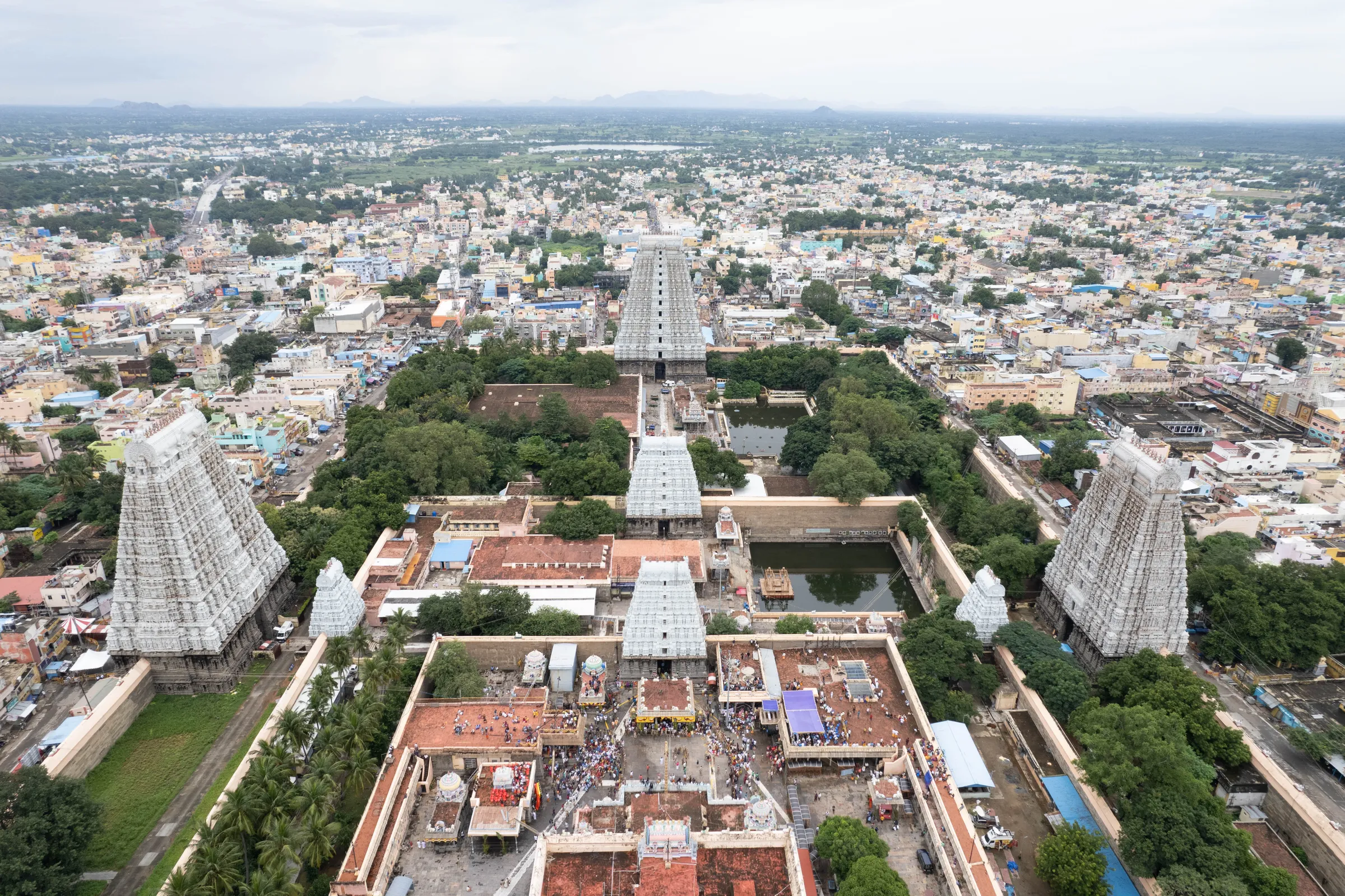
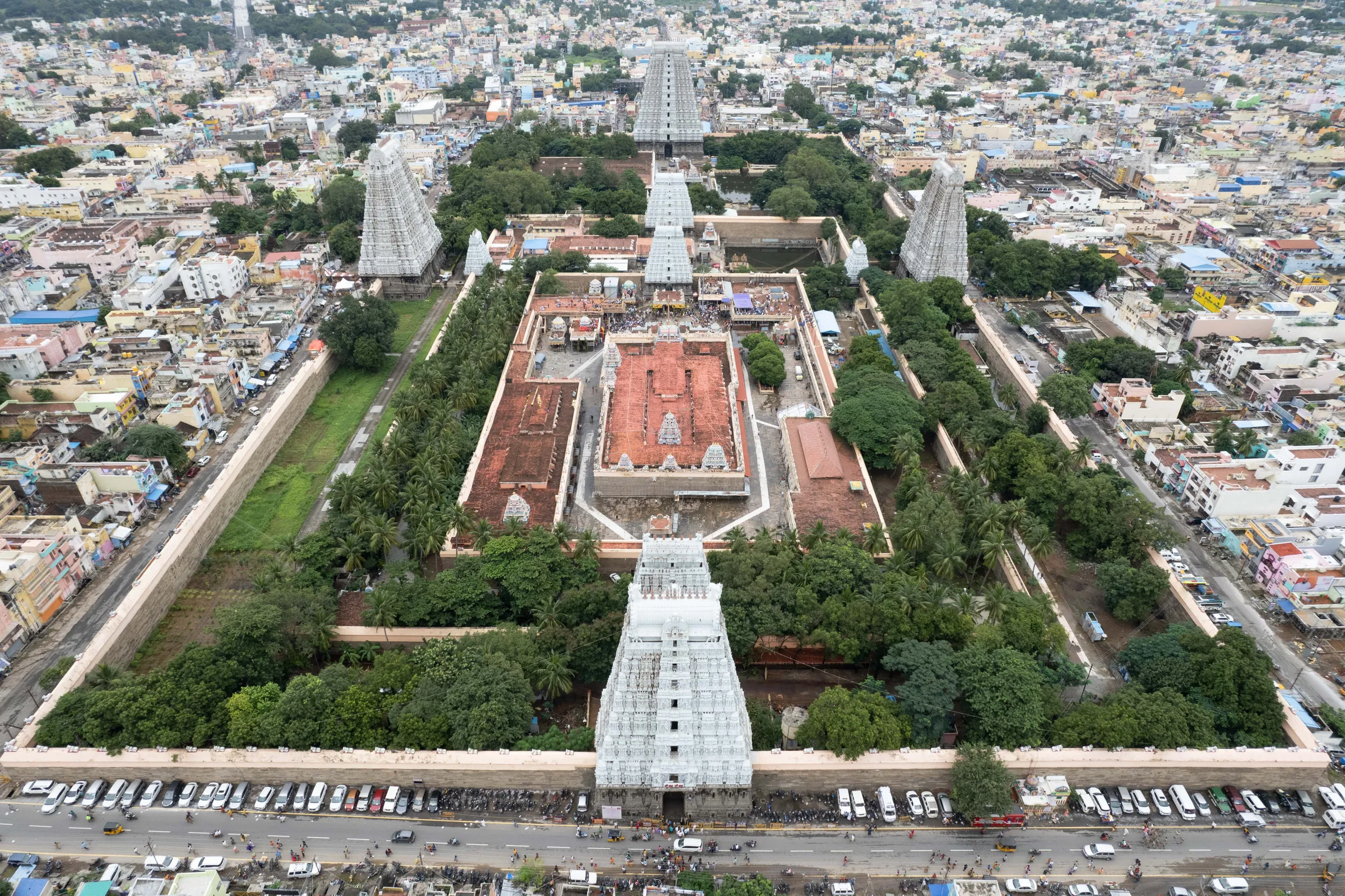
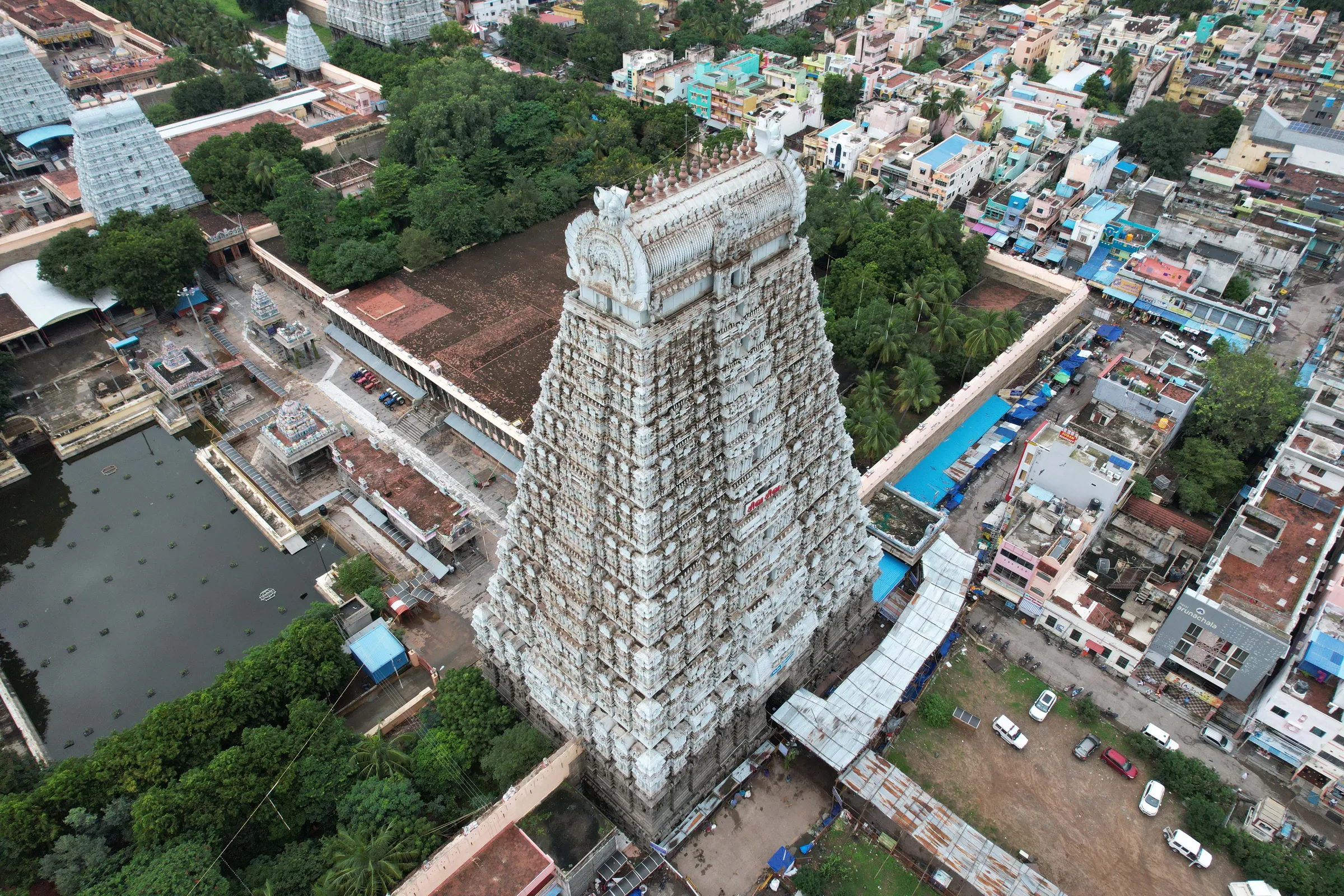
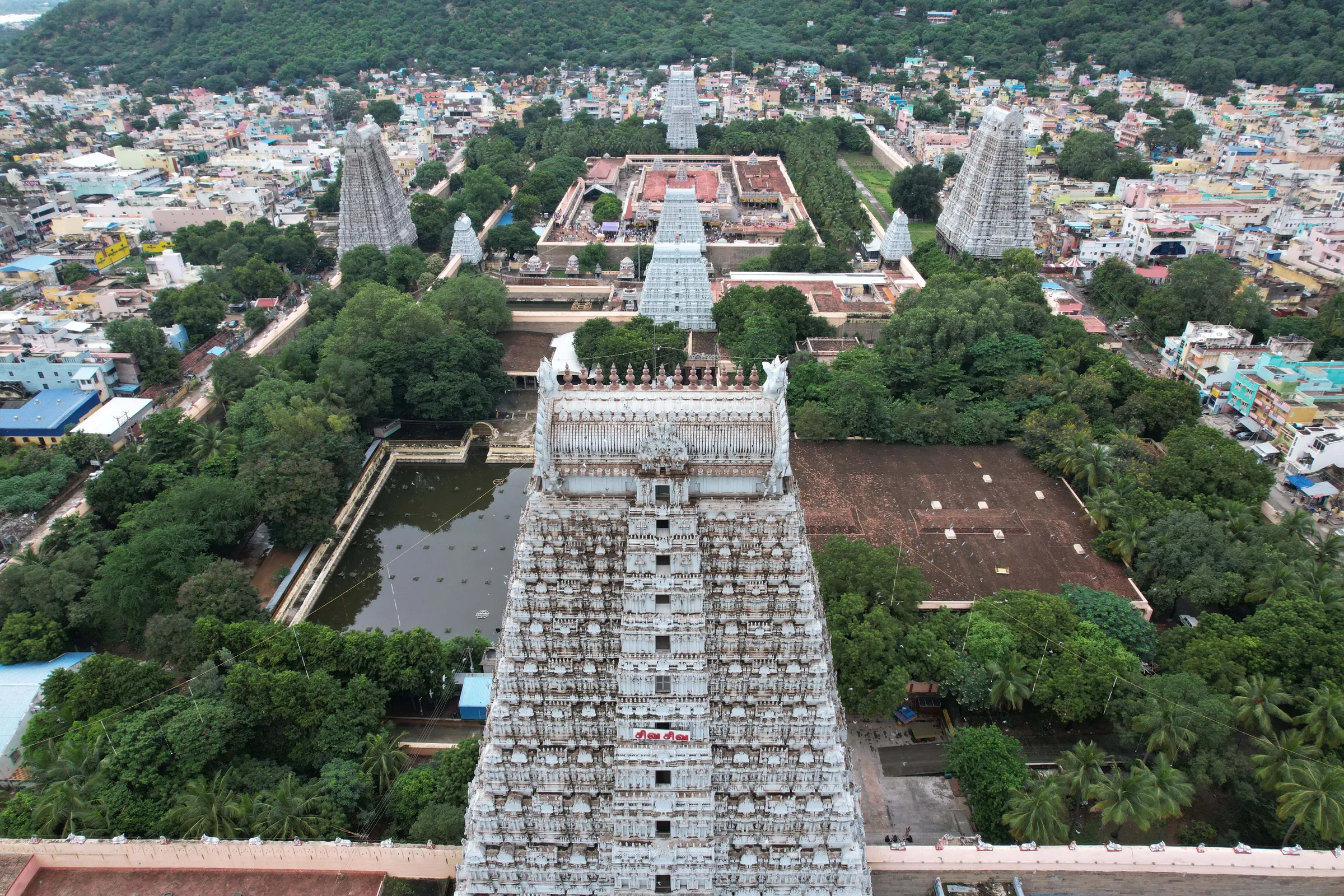
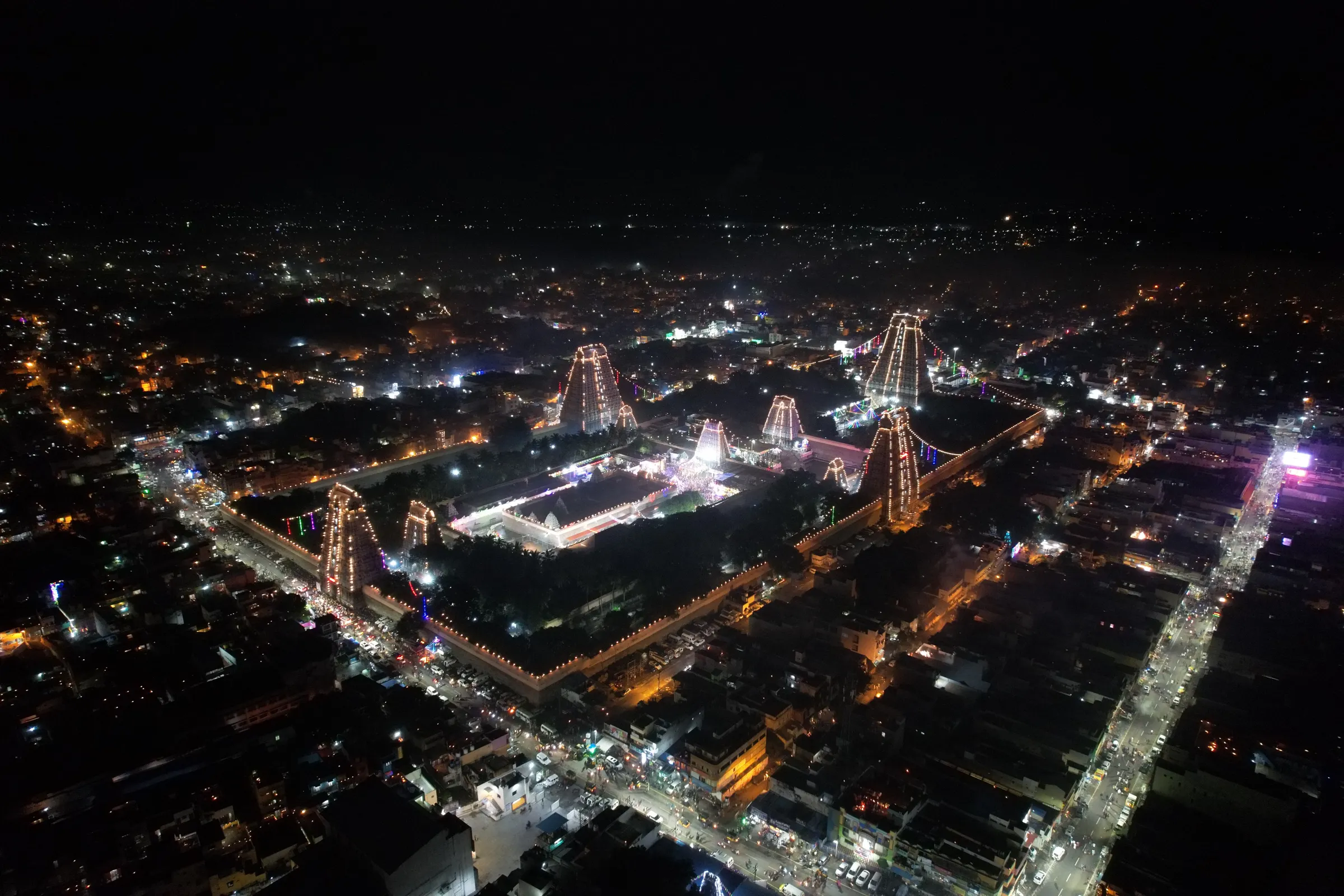
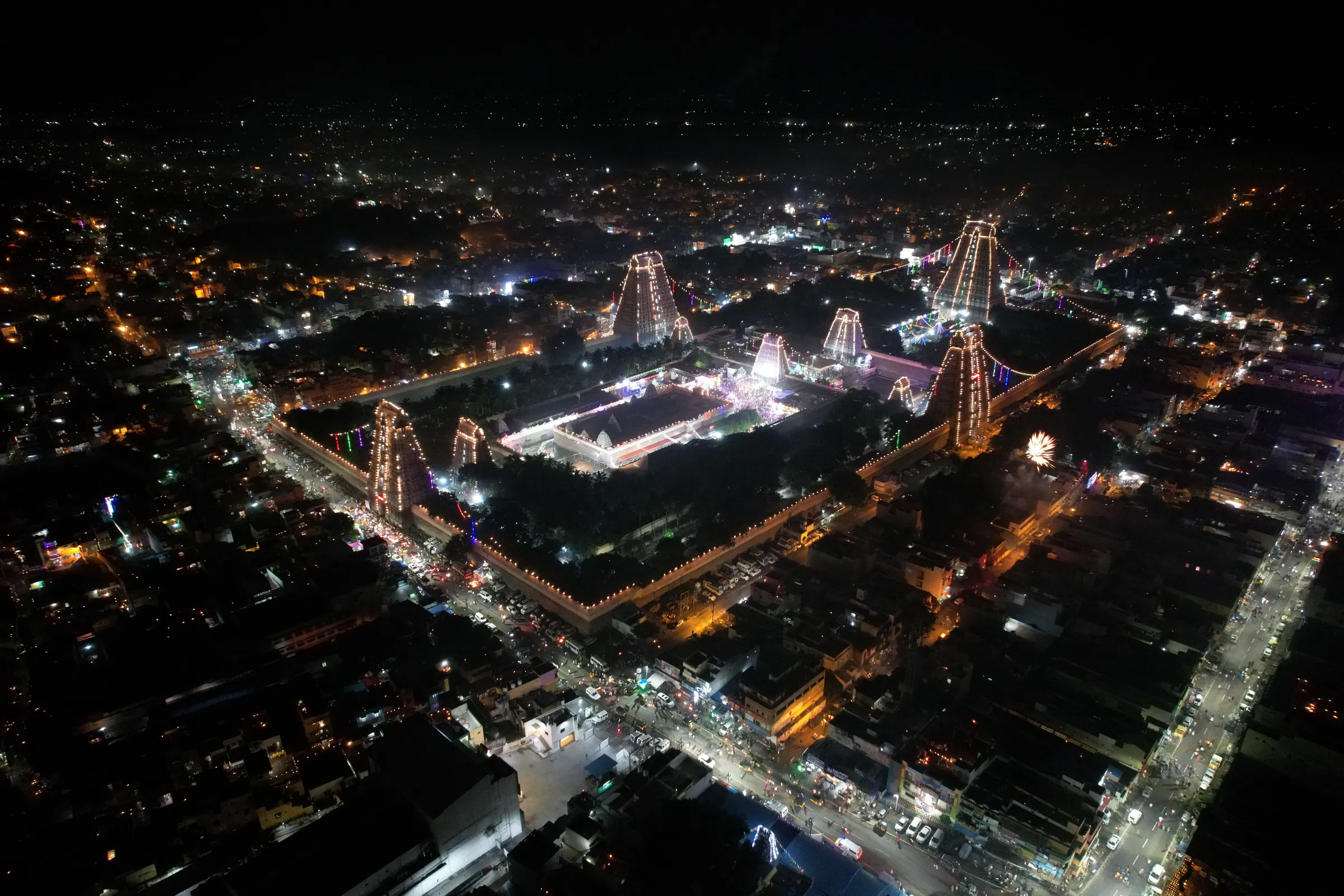
The temple spreads over about 25 acres. Unlike most Śiva temples that hold a liṅga in the sanctum, here the Annamalai hill is regarded as the liṅga, the actual temple standing in the foothills with Annamalai, also called Arunachala, residing there with his consort Unnamalai or Apitha Kuchalamba. The main shrine of Annamalaiyar holds the swayambhu, self-manifested, liṅga from the protrusion of the Aruna hill: square at the bottom, octagonal in the middle, cylindrical on top with a rounded tip. A gold band covers the bottom, which is the avudaiyar, with the Rudra Bagam on top covered in gold. The exterior wall is a Meru Chakra.

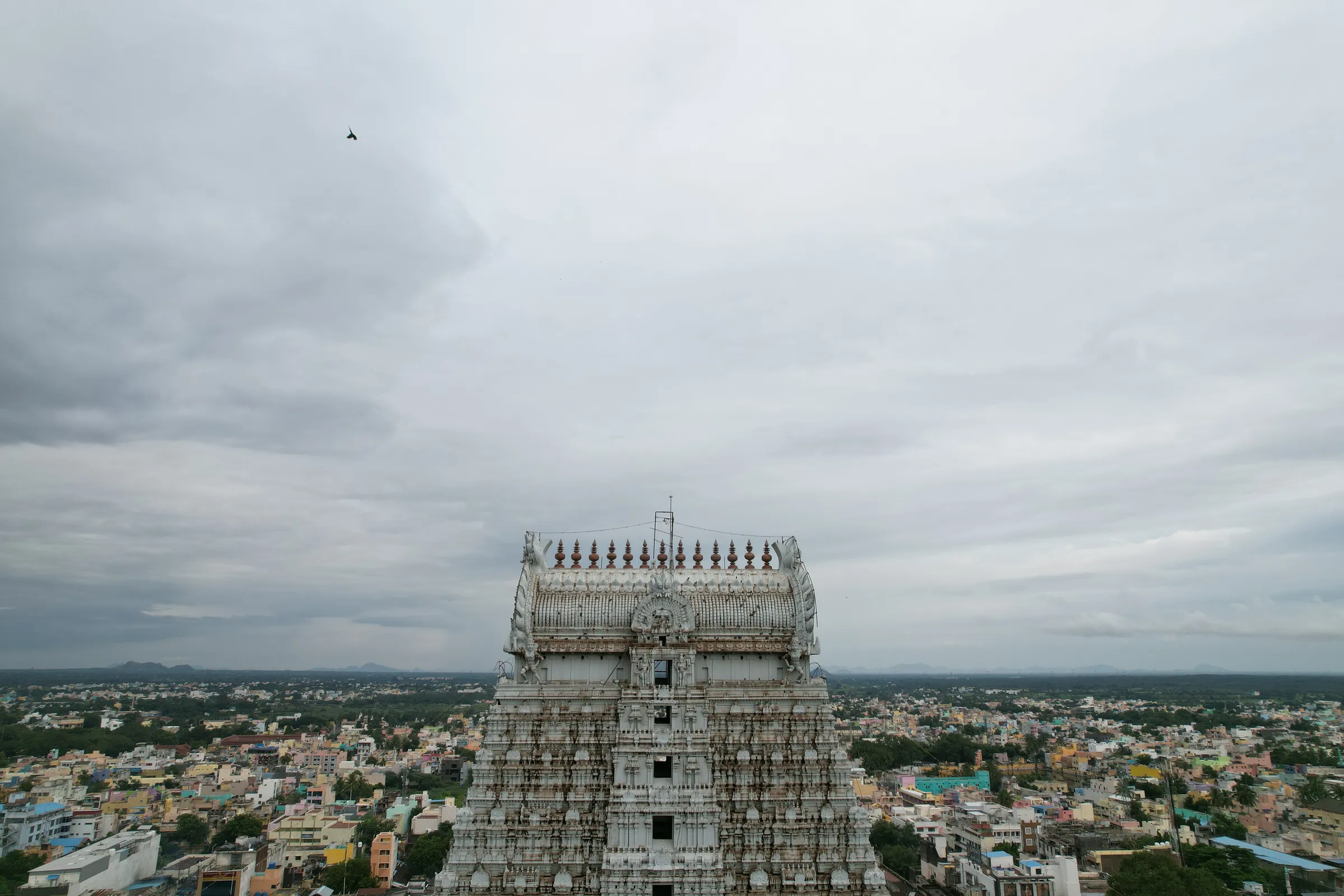
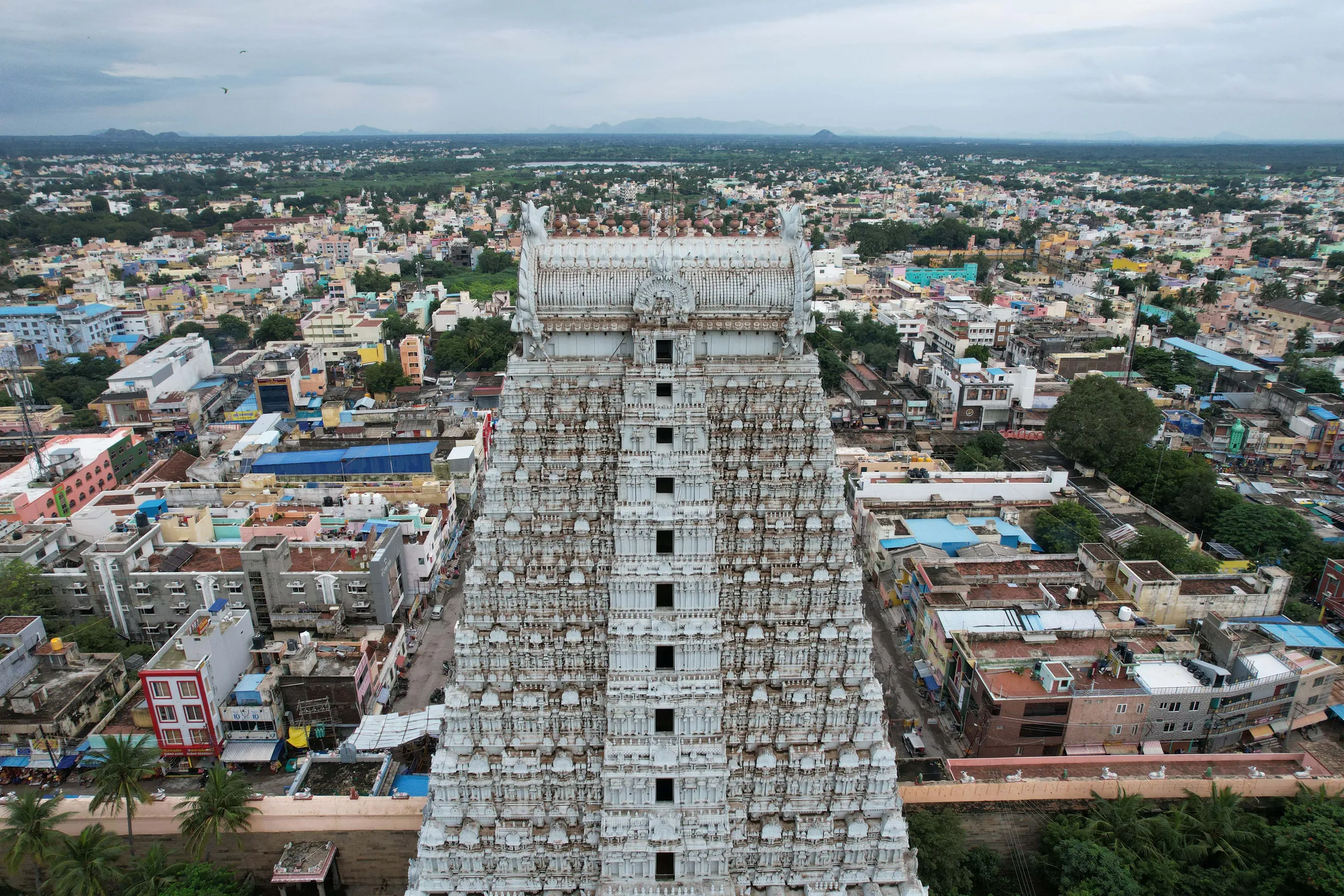
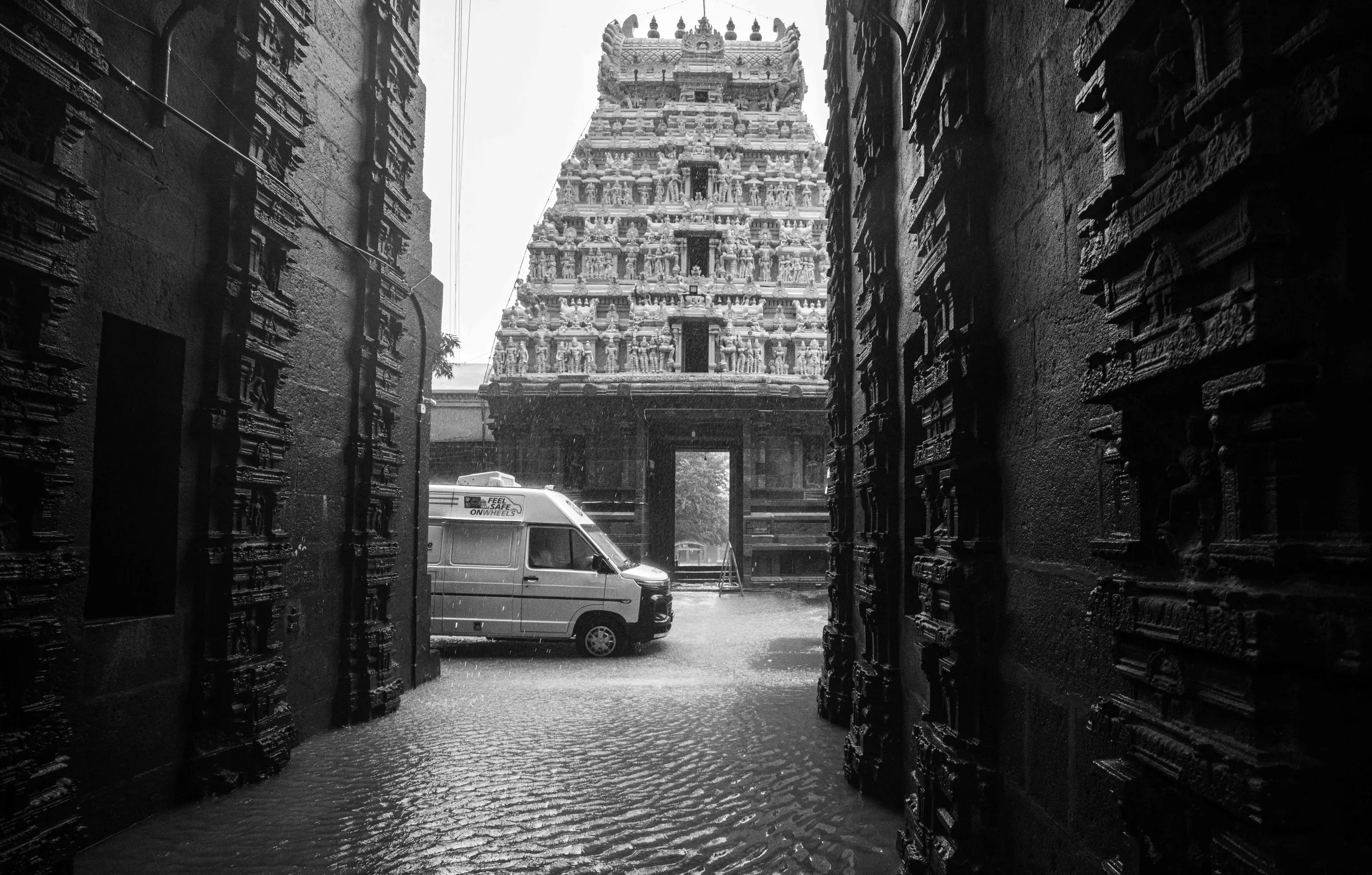
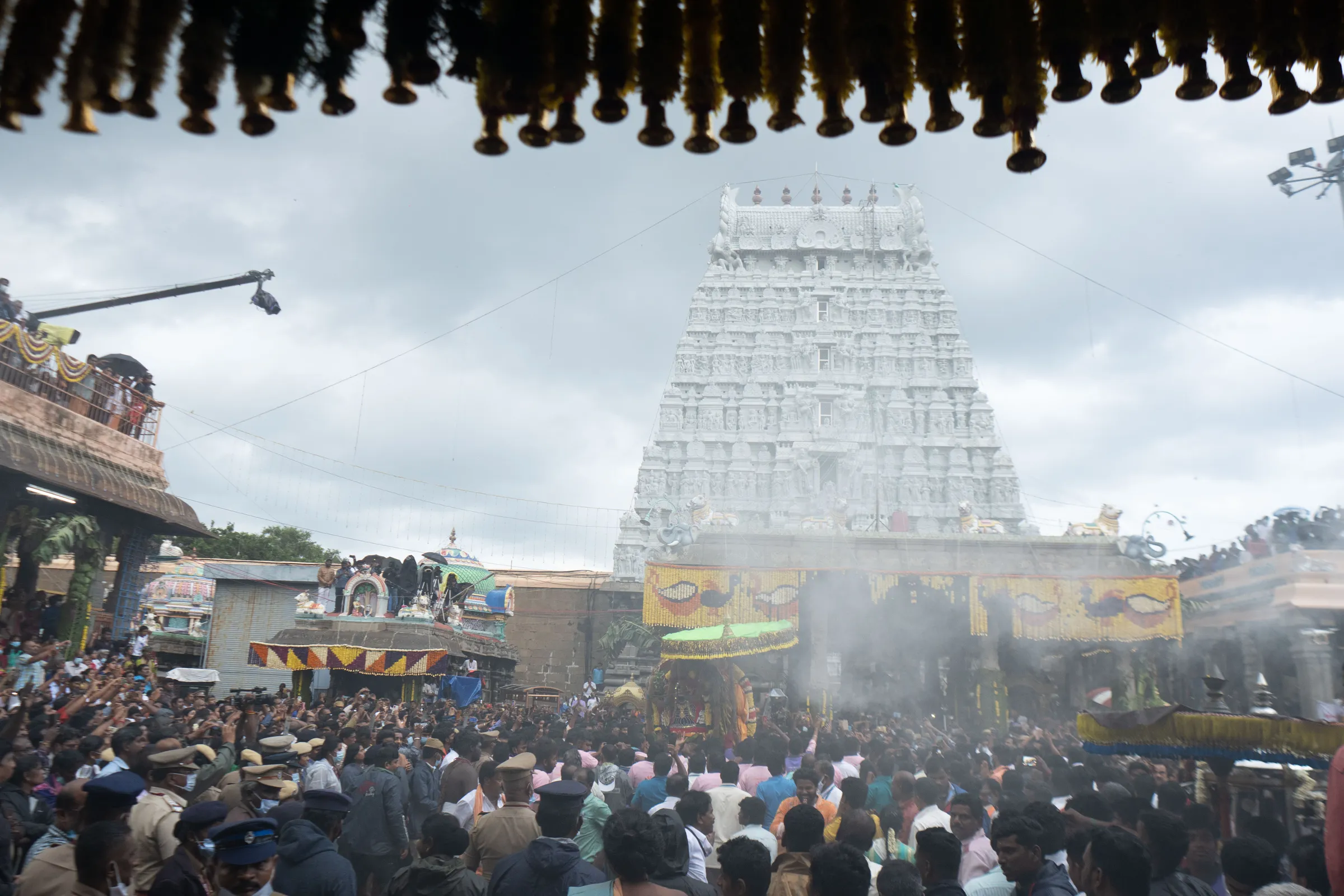
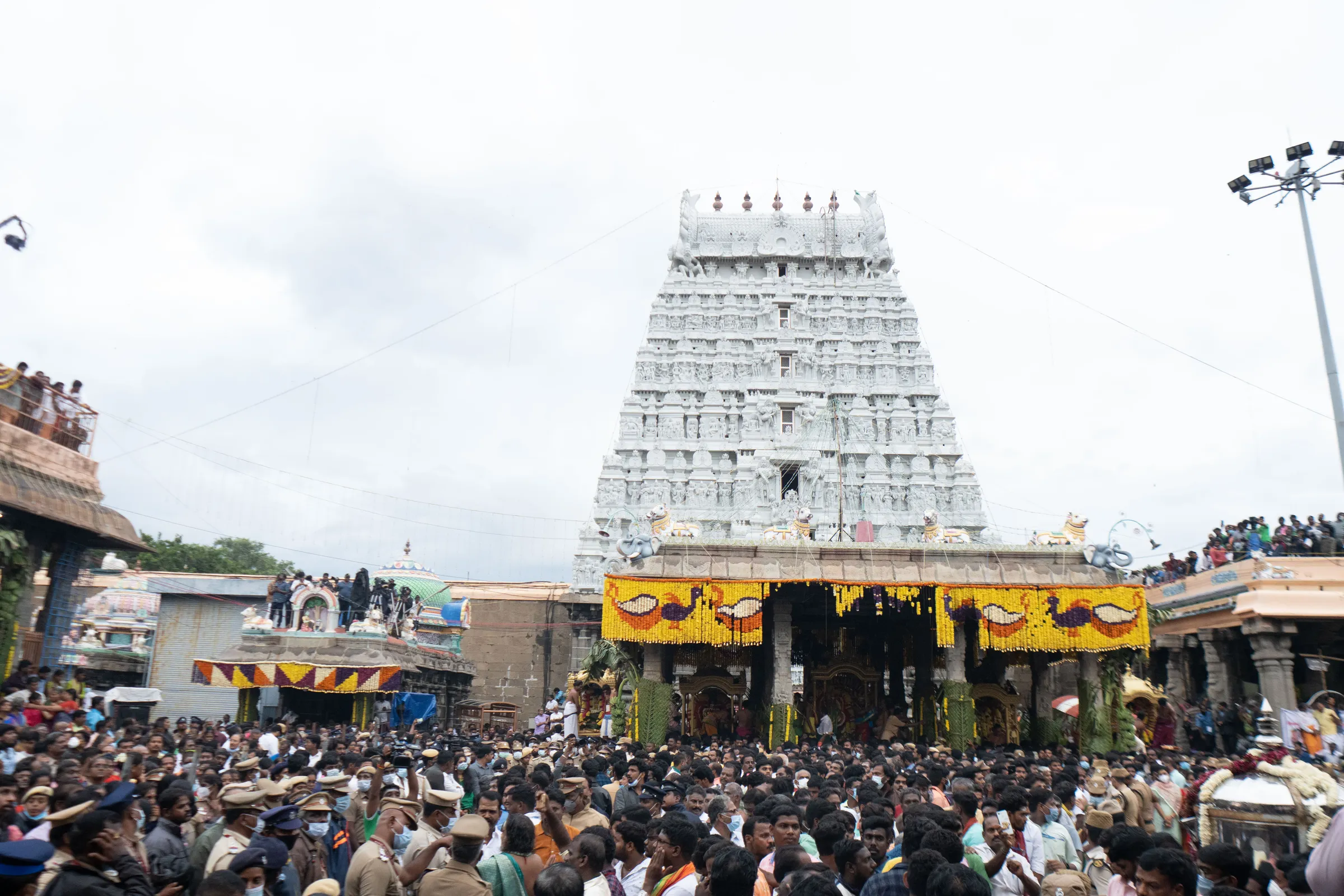
In the second prakara is the Unnamalai Amman shrine. The sanctum is from the 11th century, but the outside is from the 20th century, built by the Nagarathar community. Adjacent to the Amavasya Mandapa is the unique idol of Adimudi Kaana Annamalaiyar, whose top portion has Śiva and Parvathi while the bottom is Annamalaiyar as the jyothi liṅga. Four gopurams stand between the fifth and sixth prakaras. On the east is the Raja gopuram, the main entrance, 217 feet high with eleven storeys and stunning sculptures, built mostly by Krishna Deva Raya.

02

Archaeological

dated & cited

The temple was hailed in the Tevaram (hymns on Śiva, 7th-8th c. CE) and grew to its present stature over the years, with the Chōḷas, Rashtrakutas, Pallavas and Vijayanagaras making additions. The inscription on the walls of the main shrine refers to Kilandigal, the Chera Queen of Parakesari Aditya II (964-969 CE), who contributed gold. The first prakara wall inscriptions are on Rajendra I, Veera Rajendra, Kulothungan III, Pandya and Vijayanagara rulers. Vira Rajendra (1063-1070 CE) repaired the tank, and Kulothunga III (1178-1218 CE) built the Kiligopura and gilded the vimana through his Bana chief, Raja Rajan Ponparappinan.

Raja Raja III and Rajendra III, the last of the Chōḷas, made contributions through their feudatories, and gifts of royal women are recorded. When Koperunjingan imprisoned Raja Raja III (1216-1250 CE), the Hoysala king Veerasinga II of Mysore came to his rescue. During Rajendra III (1266-1279 CE), Singana Dandanayaka built the Vallala Gopura. Pandya Jatavarma Sundara (1251-1268 CE) brought Kanchi and Vellore under his reign. After the Muslim invasion the Vijayanagara rulers extended their territory here; Krishna Devaraya (1516 CE) built the 100-pillar and 1000-pillar mandapas, a tank and the eleven-storeyed gopuram, confirmed by an inscription near the 1000-pillar mandapa, and Sevappa Nayak (1572 CE) is praised in another for completing it.

Dating
ConsecratedSanctum from the 11th century

Sanctum from the 11th century, the outer structure from the 20th century built by the Nagarathar community; Raja gopuram (217 ft, 11 storeys) built mostly under Krishna Deva Raya.

Protection & condition
ConditionIn active worship; spread over about 25 acres
03

Mythological

as transmitted

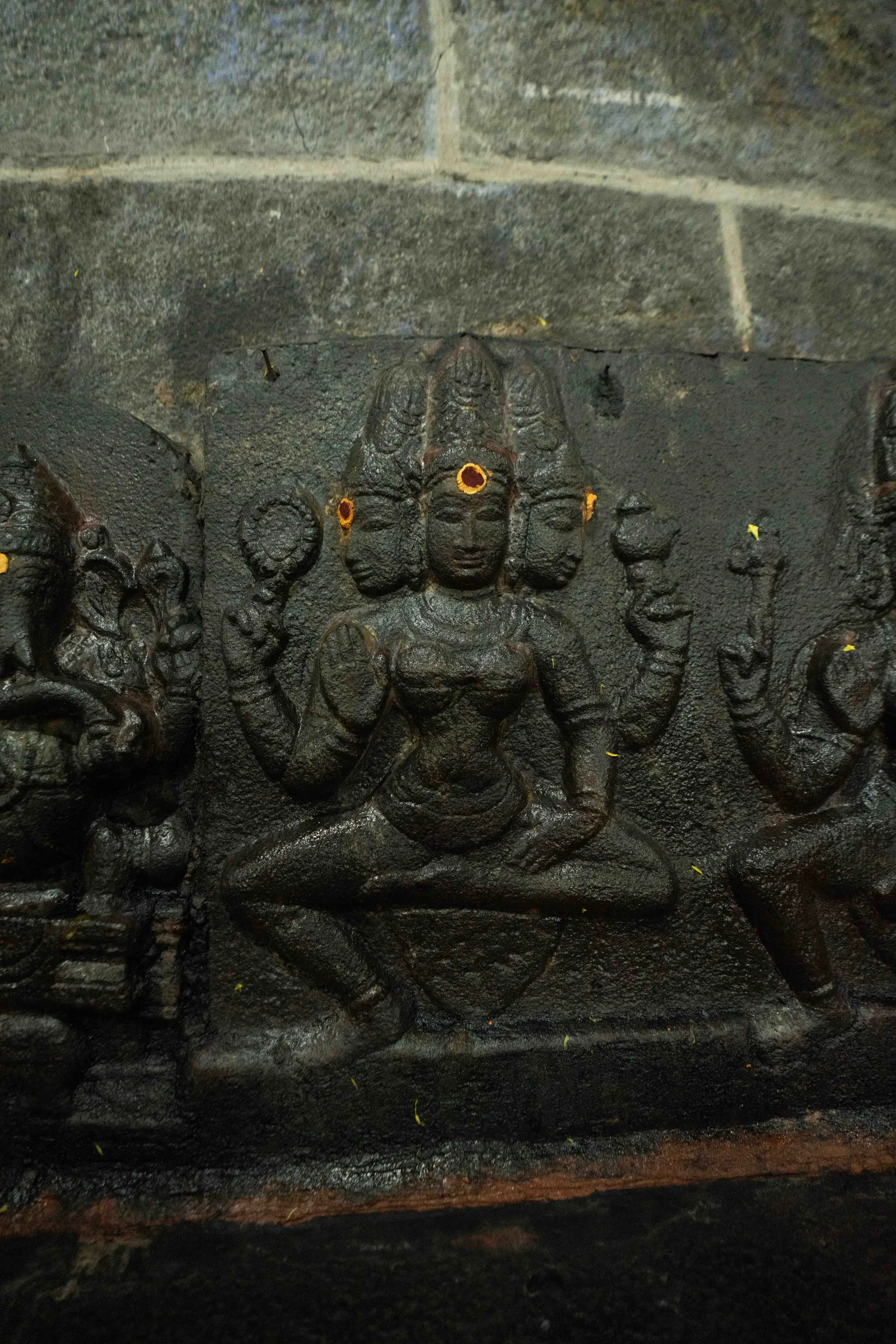
According to legend there was a fight between Brahma and Viṣṇu over who was superior. When it took on war-like proportions, Śiva appeared as a column of fire with no beginning or end and asked the two to find its ends. They had to concede defeat, and Śiva changed his form into a hill, taking the form of a liṅga for easy worship; many temples hold this image of Śiva as Lingothbhavar. Another version refers to Parvathi covering Śiva's eyes playfully in Kailasa, plunging the universe into darkness, until Śiva took the form of Aadhi Antham illa jyothi and saved the world, after which Parvathi did penance and united with him.

Arunachala is known as aruparupam, referring to his visible and invisible forms. From one of the gopurams Saint Arunagirinathar planned to commit suicide but was prevented by a vision of Lord Muruga, and from then on he travelled and sang of Muruga (14th c.) in various temples. The great Ramana Maharishi ashram lies on the Girivalam path.

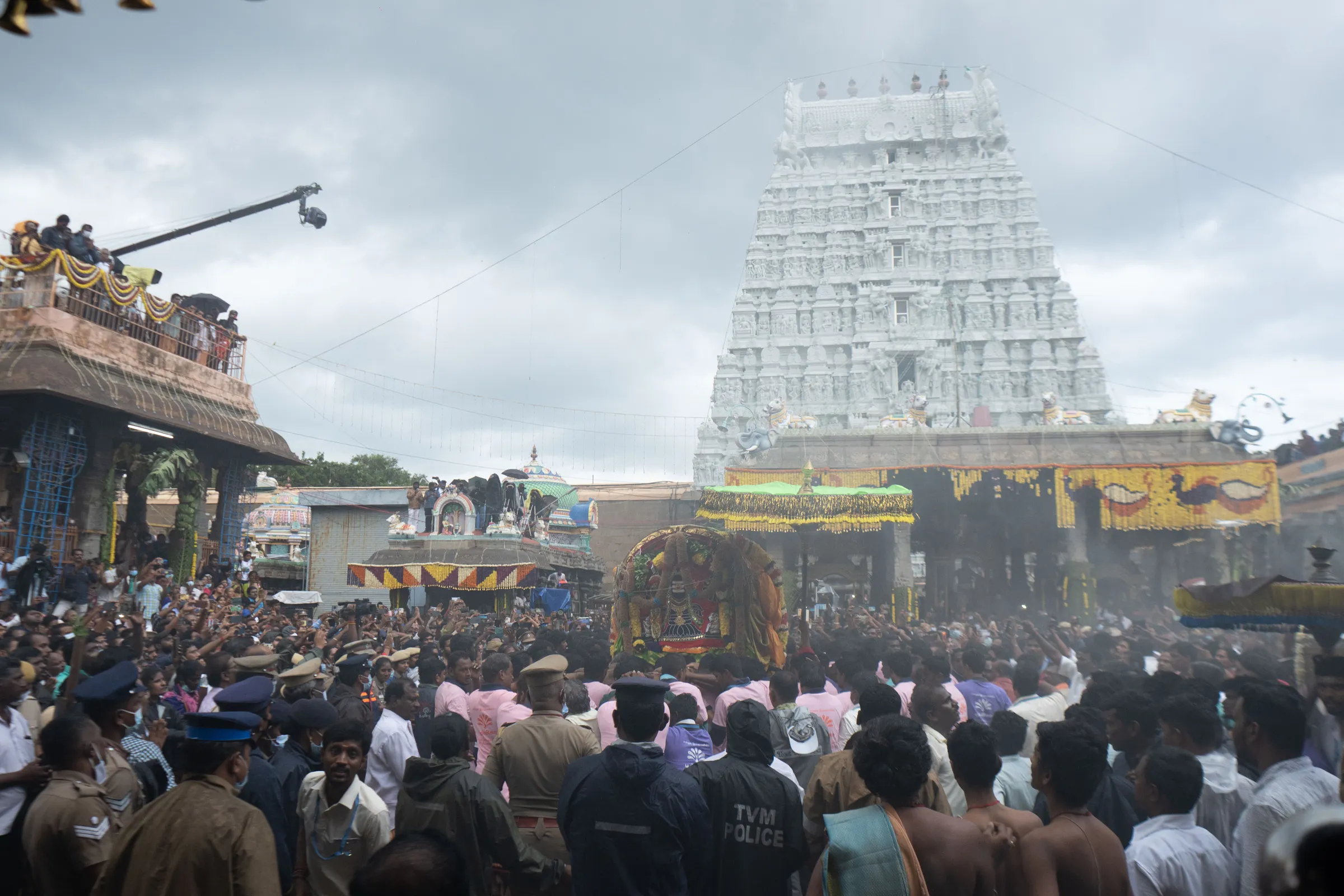
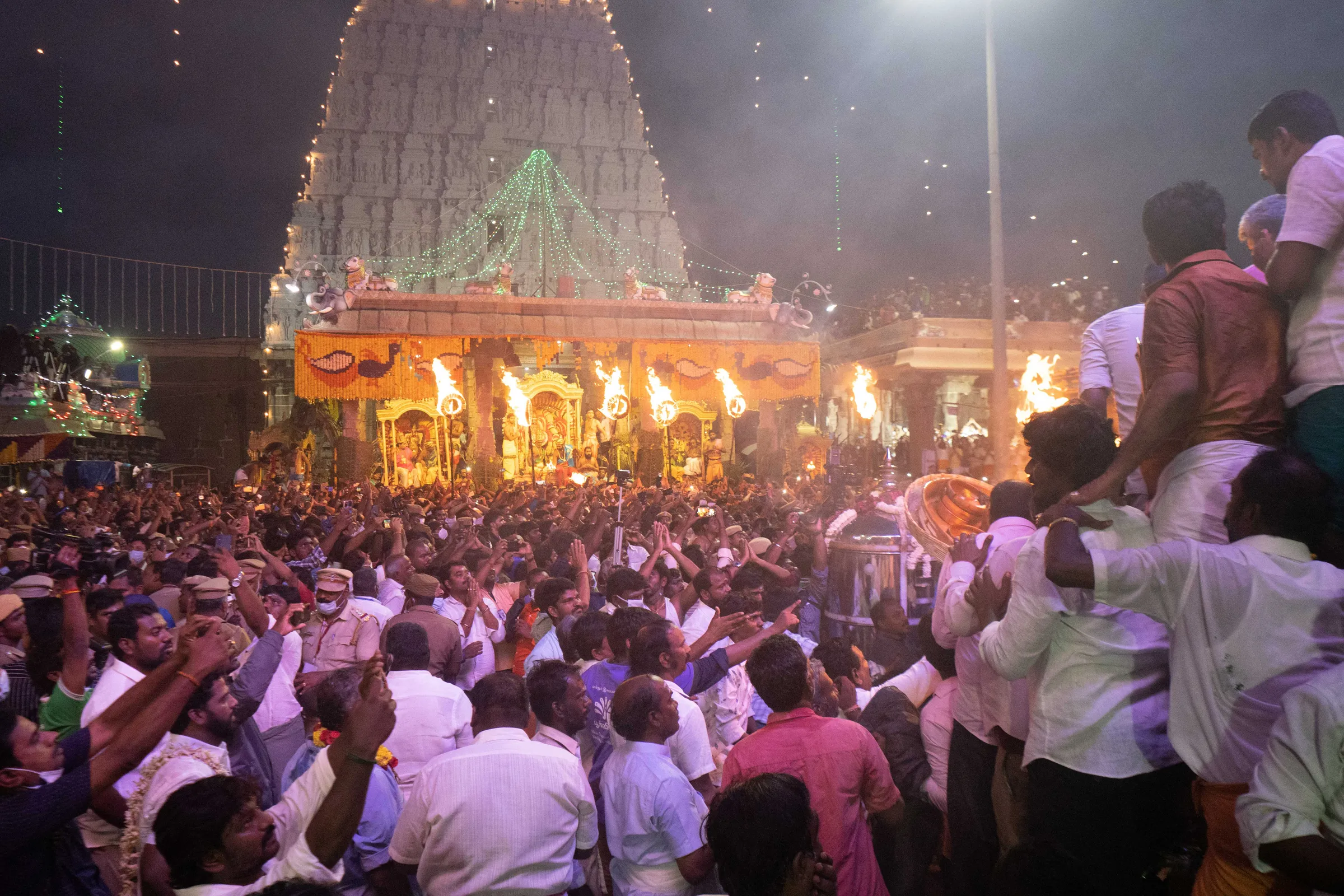
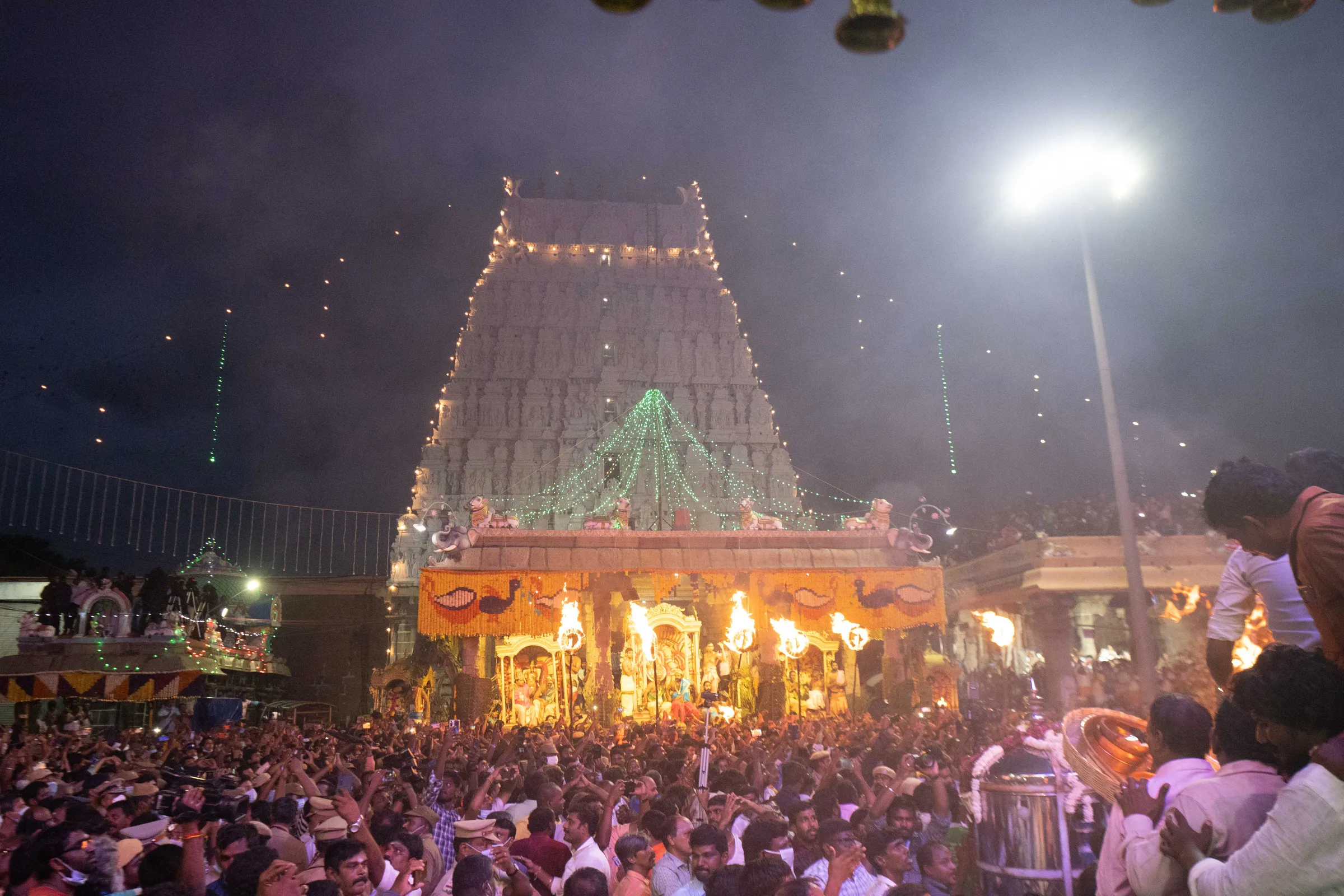
Girivalam is an ecstatic circumambulation of the hill on full moon nights, a 14 km path around Aruna Hill, which is 2668 feet high, with eight Lingams and water bodies along the way; it is believed Siddhas also move along the path. The Karthigai Deepam festival, on the full moon of the Karthigai month (Nov-Dec), is a ten-day festival culminating in the Annamalai Deepam: a great cauldron of ghee with a wick of 12-yard cloth rolled with camphor is lit on the hilltop, its flame seen up to 45 km around, as devotees cry Annamalaikku Arohara.

Register interest in prints Buy the book
Improve this entry

This is an open, reviewed record. If you have spotted an error or have something to add — a correction, a date, a source, a name in another script — propose it. Every change is reviewed before it joins the record.

“Suggest an edit” opens this entry on GitHub and turns your change into a pull request. “Share feedback” opens a short form. Both go through review.