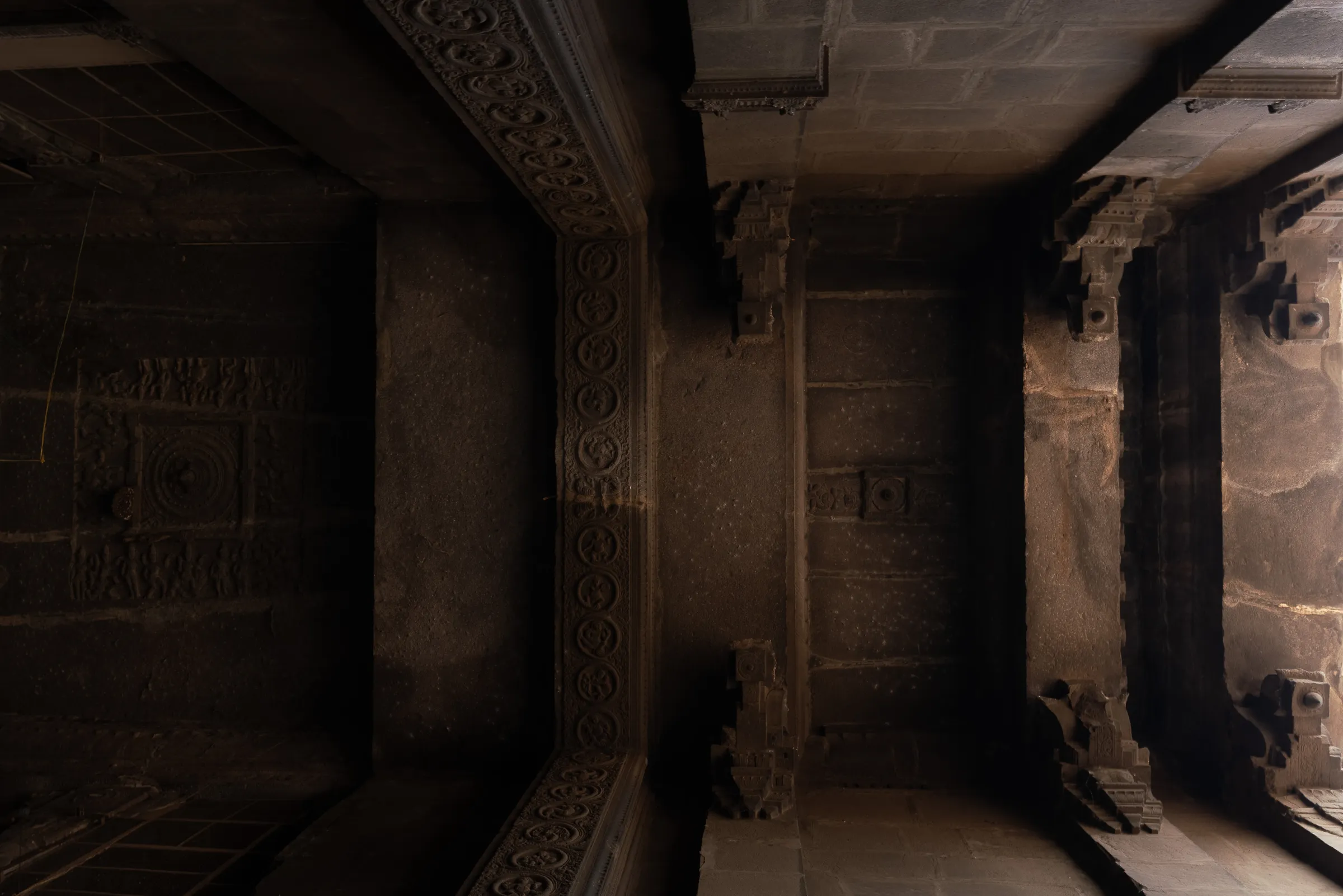
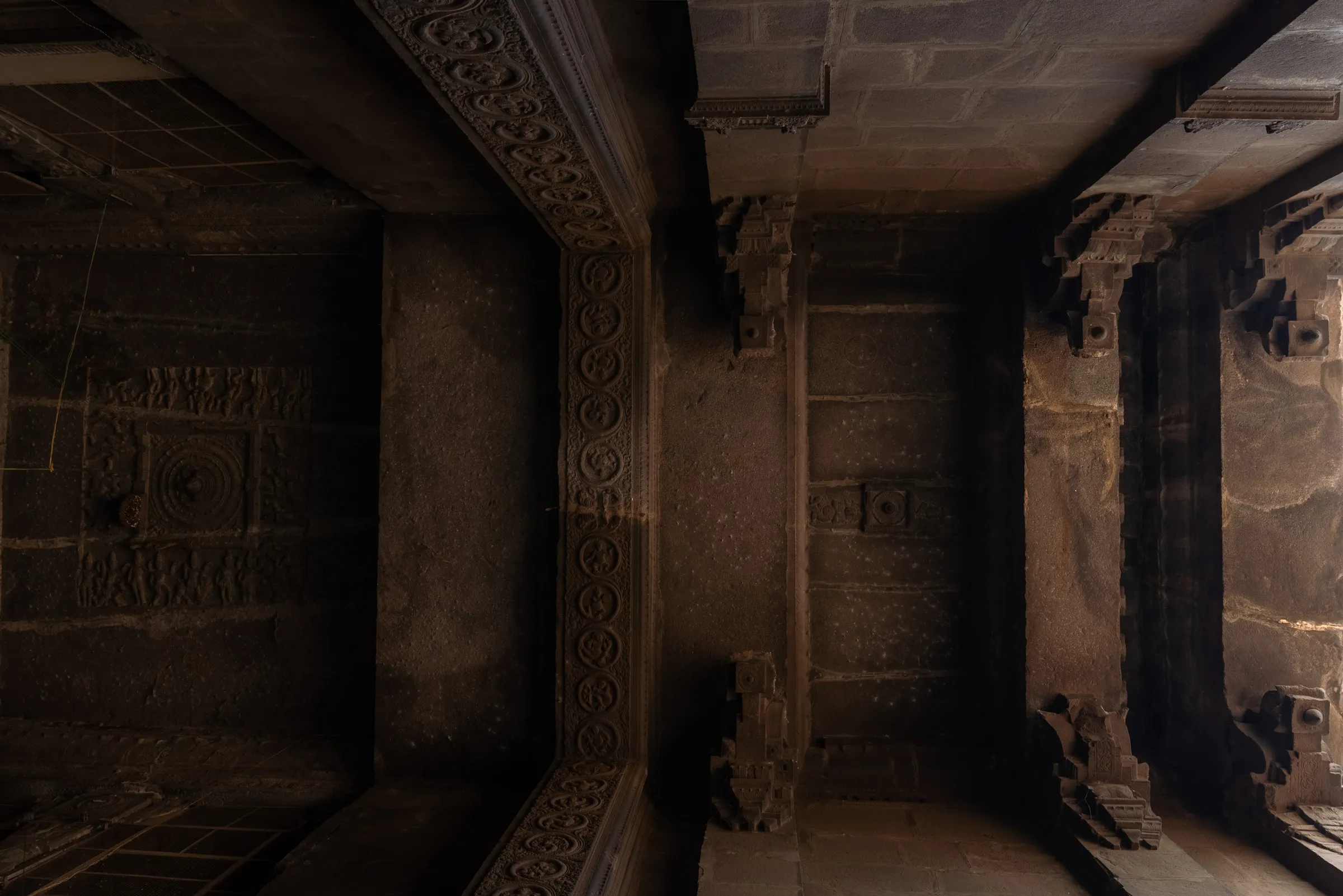
Ekambareswara Temple, photograph
← Thondaimandalam
Entry 020

Ekambareswara Temple

Kanchipuram · Pallava, expanded under Chōḷa and Vijayanagara

One of the Pancha Bhootha Sthalams at Kanchi, dedicated to Śiva as the earth element, worshipped as Prithvi Liṅgam. Among the largest temples in India, it is both a Padal Petra Sthalam of the Thevaram and a Divya Desam.

This entry documents the temple across three registers, held deliberately apart: the architectural reading of what stands, the archaeological reading of what can be dated and cited, and the mythological reading of what is told.

The photographs

Plates · 10

Ekambareswara Temple, photograph
© Amar Ramesh and team · All rights reserved
Ekambareswara Temple, photograph
© Amar Ramesh and team · All rights reserved
Ekambareswara Temple, photograph
© Amar Ramesh and team · All rights reserved
Ekambareswara Temple, photograph
© Amar Ramesh and team · All rights reserved
Ekambareswara Temple, photograph
© Amar Ramesh and team · All rights reserved
Ekambareswara Temple, photograph
© Amar Ramesh and team · All rights reserved
Ekambareswara Temple, photograph
© Amar Ramesh and team · All rights reserved
Ekambareswara Temple, photograph
© Amar Ramesh and team · All rights reserved
Ekambareswara Temple, photograph
© Amar Ramesh and team · All rights reserved
01

Architectural

structure & vocabulary

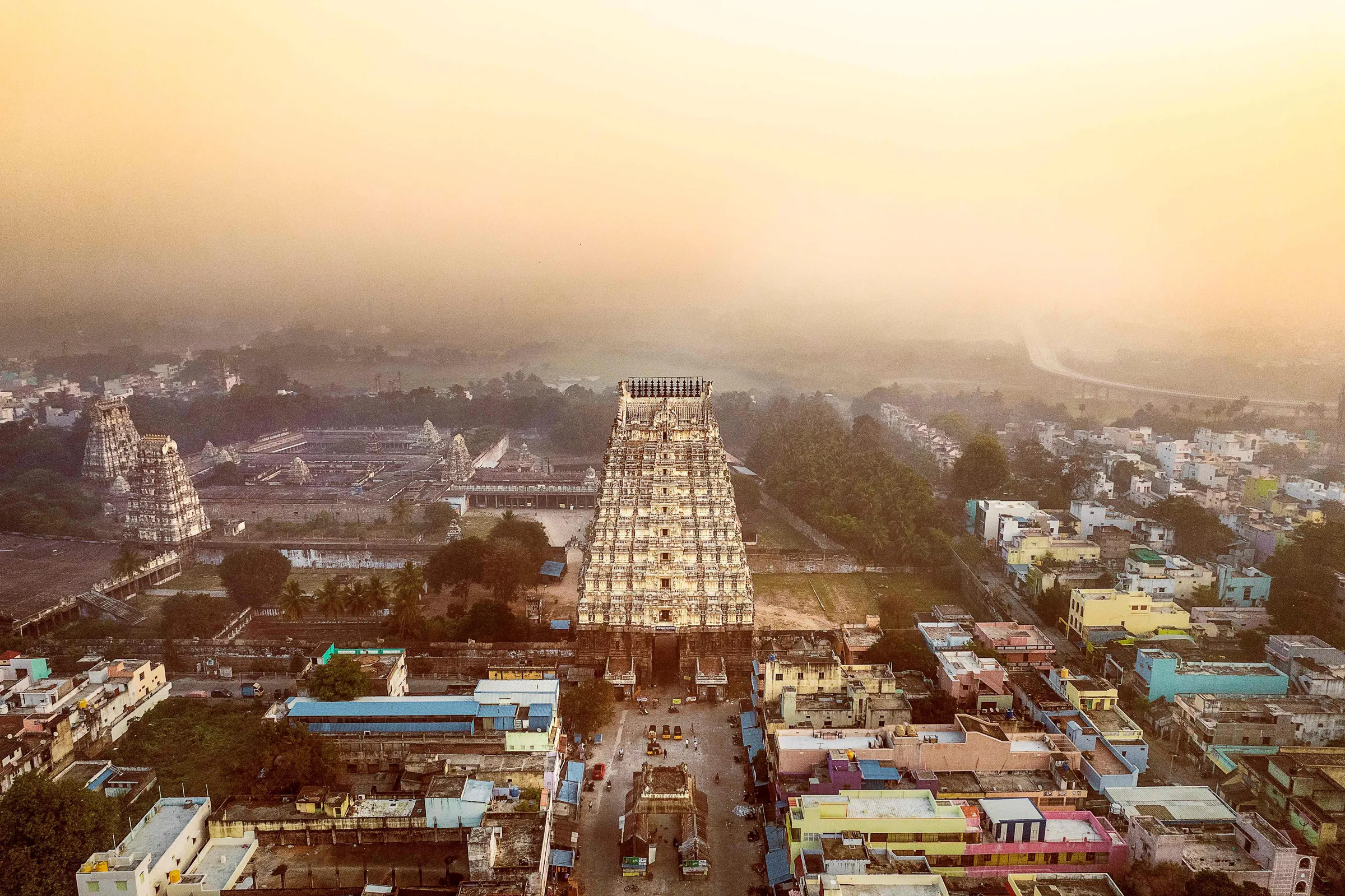
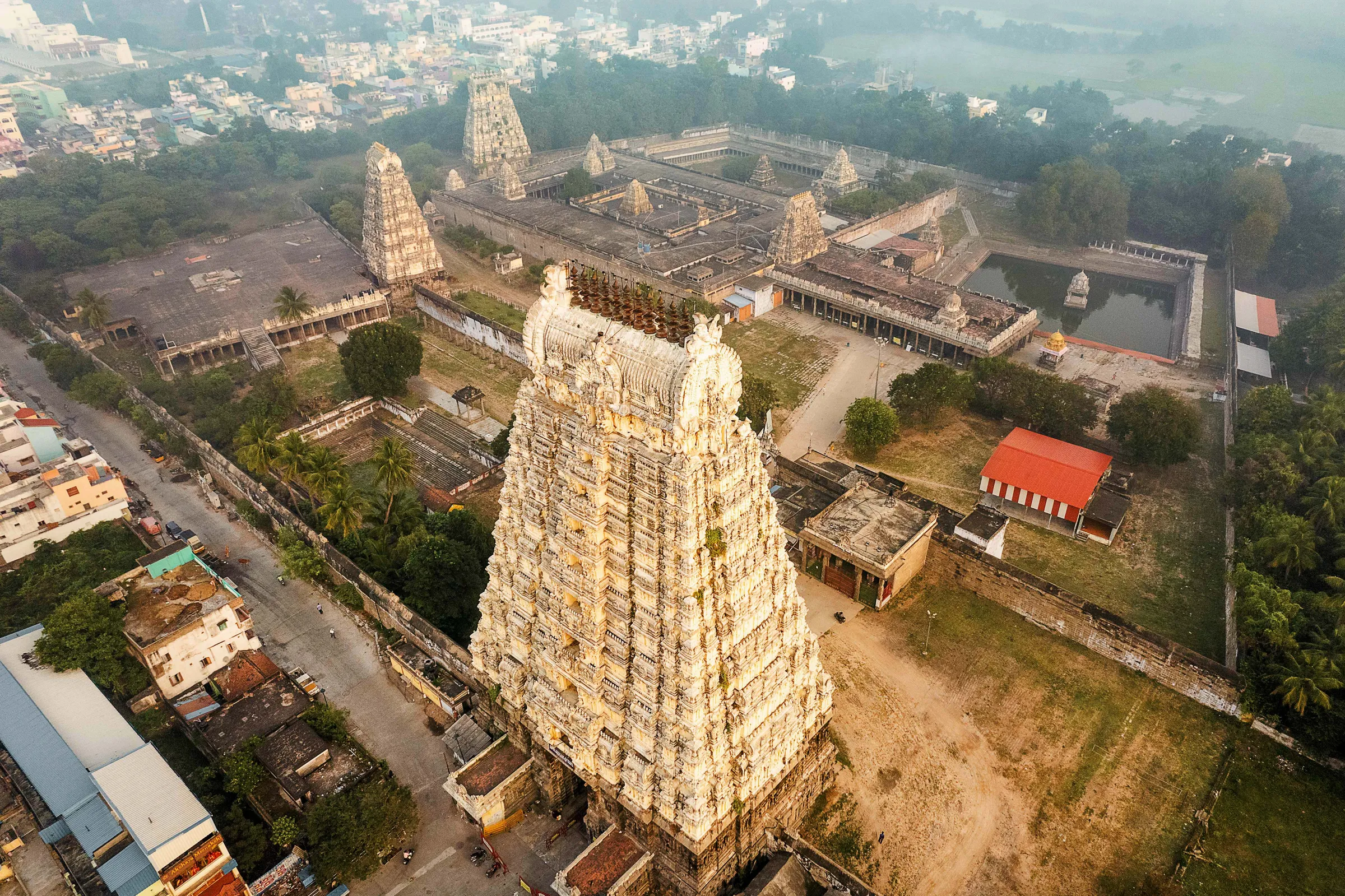
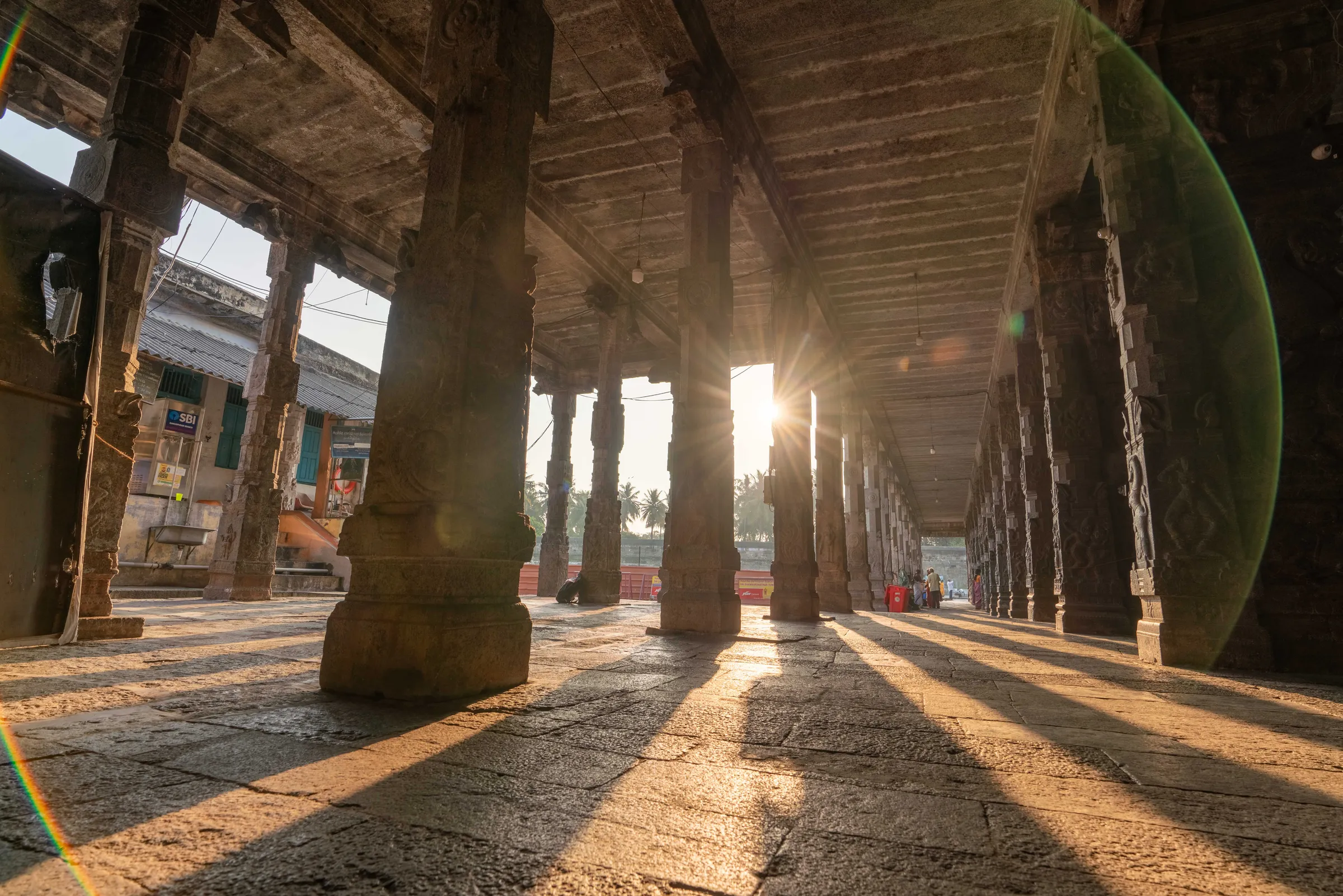
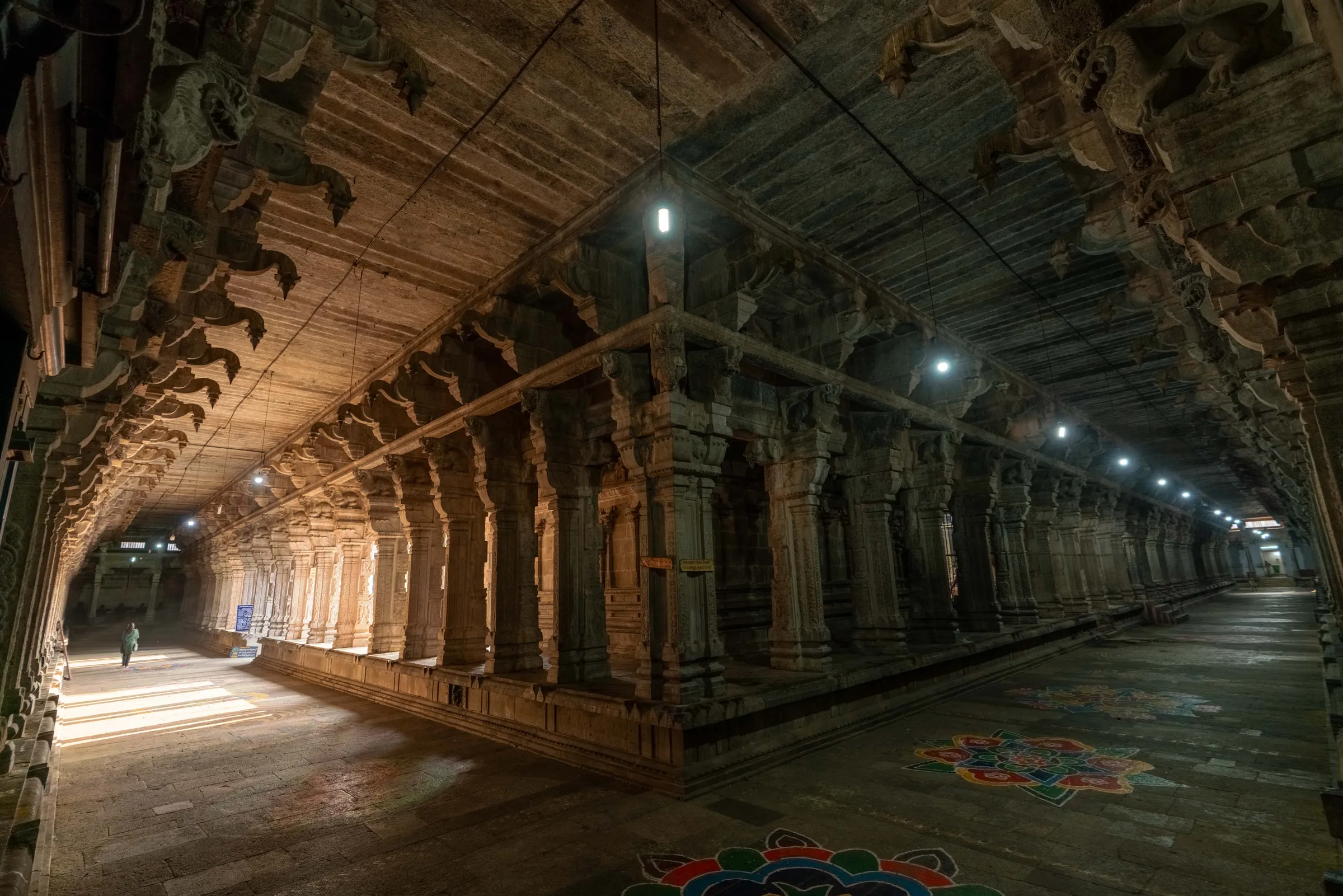
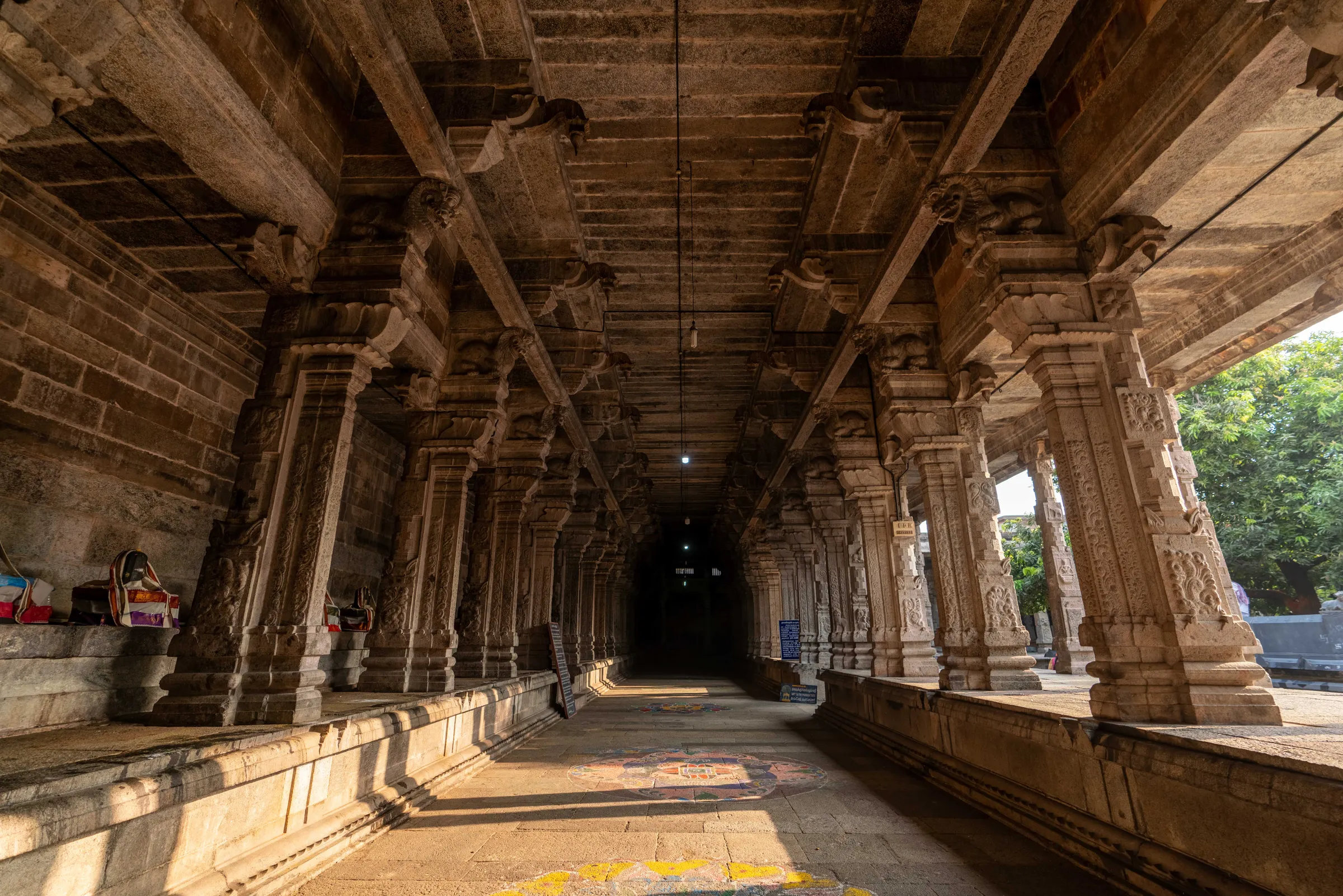
The temple spreads over about 25 acres and is one of the largest in India. The Raja gopuram, the main gateway tower, is 194 feet tall, and at its base are shrines of Vinayaka and Murugan. The south gopuram, eleven storeys and 187 feet tall, was built by the Vijayanagara emperor Krishnadevaraya.

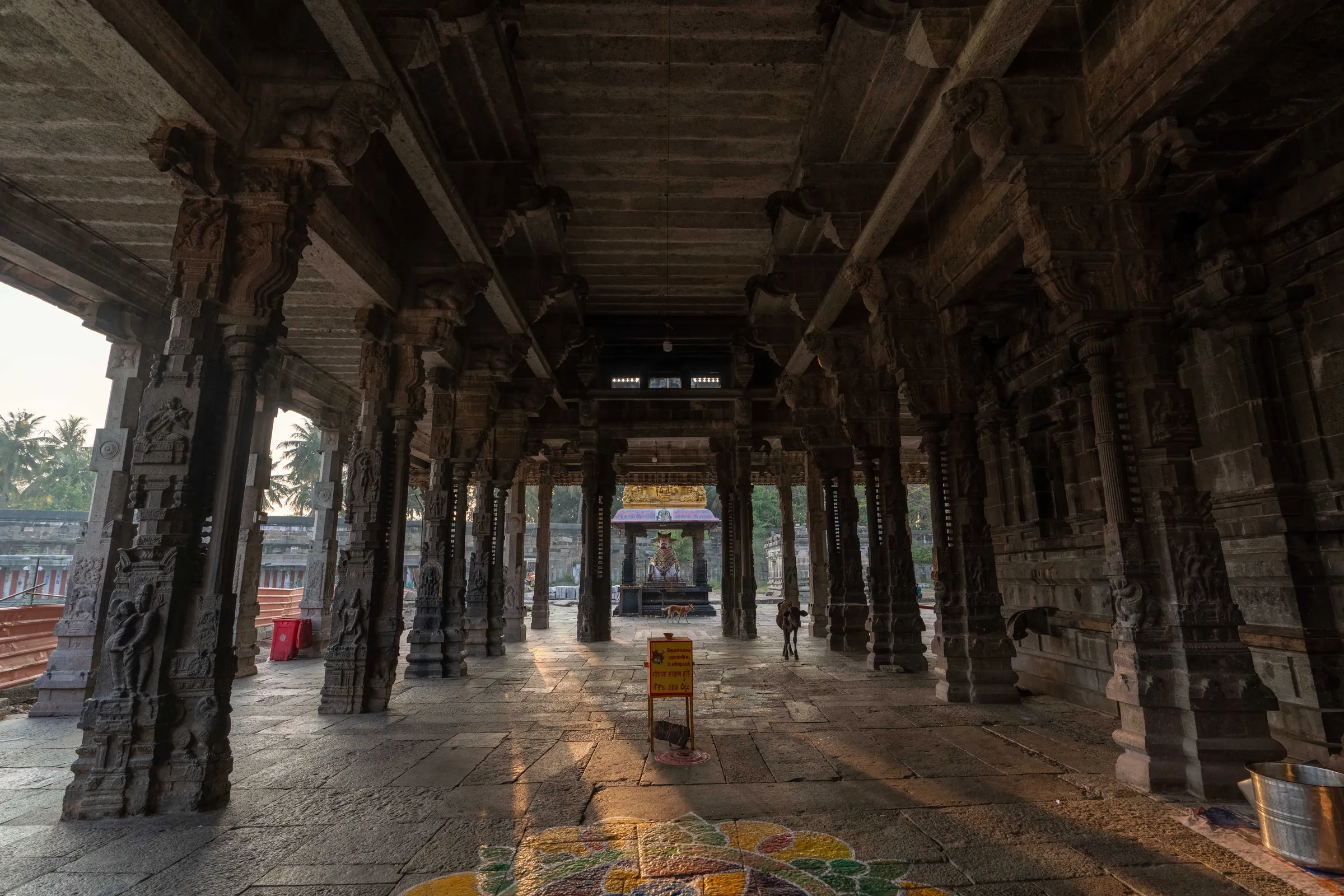
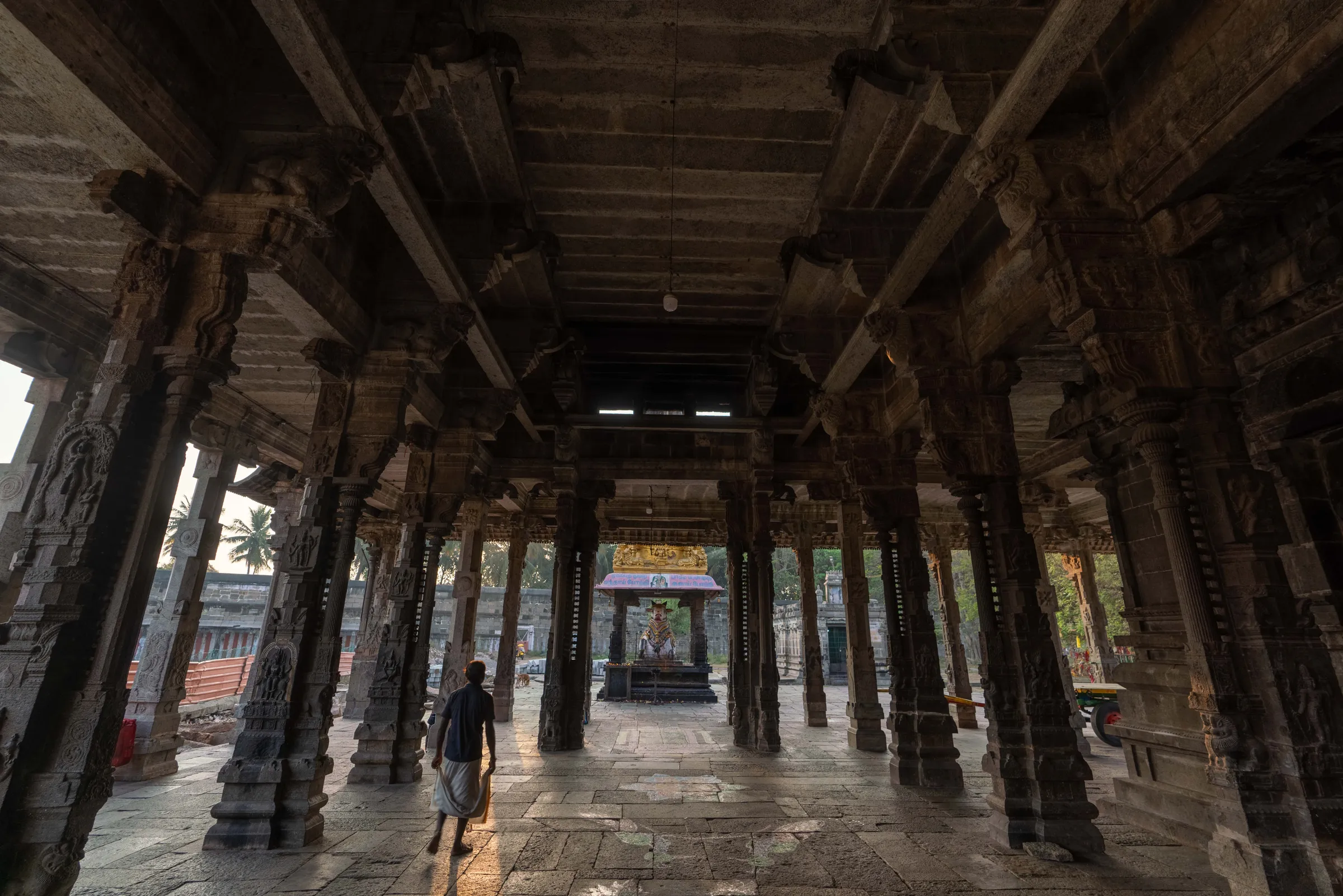
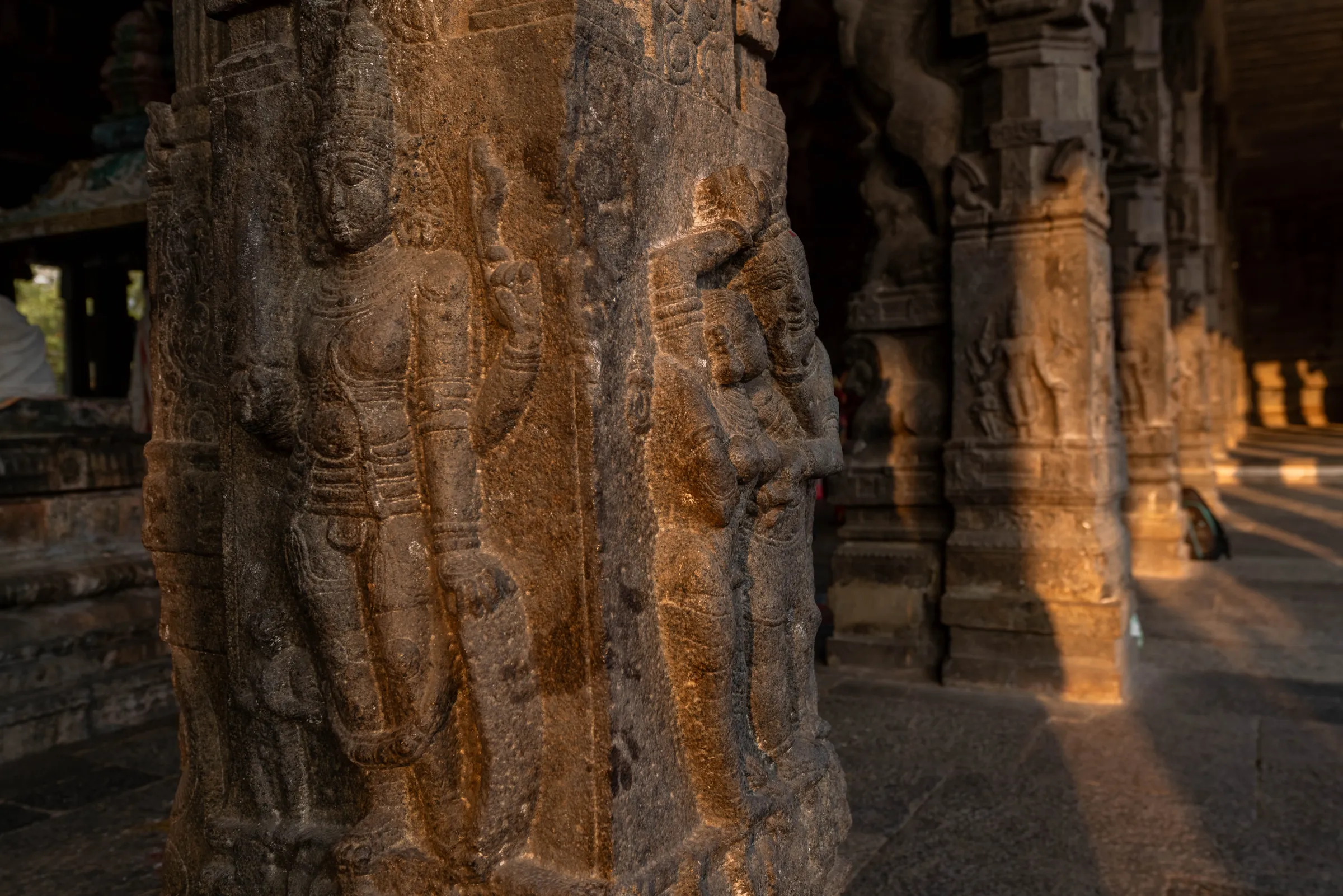
The entrance leads to two halls, the Vahana mandapa and the Sarabesha mandapa, and beyond the gateway is the Ayirangal Mandapa, the Thousand Pillars Hall. The Flagstaff Hall stands within the courtyards, its pillars carrying sculpted avatars and legends of Śiva. The sanctum holds the Prithvi Liṅgam. There is no shrine of Parvathi, who is held to be enshrined in the Kamakshi Temple, though a plaque of Tazhuva Kuzhaindhar and Elavar Kuzhali stands behind the Liṅgam.

There is a separate shrine for Nataraja. The inner enclosures hold 63 Nayanmars and multiple Śiva liṅgams, and a Sahasra Liṅgam carries 1008 liṅgams carved in one. The processional deity sits in a shrine of mirrors with a roof clad in 5008 rudrakshas. A small shrine for Viṣṇu, Nilathingal Thundam Perumal, also stands in the complex; the Alwars hail this Viṣṇu as Vamana Murthy.

02

Archaeological

dated & cited

The temple is ancient and is mentioned in the Manimegalai and Perumbanatrupadai, part of the Sangam anthologies. A Tamil poem of the second century mentions Kama Kottam and Kumara Kottam, referring to Kamakshi and Karthikeya. The Pallavas initially built the temple, and a few pillars with inscriptions are now in the Madras Museum. The Chōḷas later expanded it.

In the 10th century CE, Adi Sankara expanded the Ekambareswara and Kamakshi temples with the help of the rulers of the time. Krishnadevaraya, the Vijayanagara emperor (1519-1529), built the eleven-storeyed, 187-foot-tall south gopuram, and the Vijayanagara kings donated property and added the thousand mandapa and musical pillars. During British rule, the philanthropist Pachaiyappa Mudaliar spent much of his wealth improving the temple; a temple pillar carries a statue of him on horseback.

Dating

Mentioned in the Sangam-era Manimegalai and Perumbanatrupadai; built up by Pallavas, expanded by Chōḷas and by Adi Sankara, with the south gopuram raised under Krishnadevaraya (1519-1529).

Protection & condition
ConditionIn worship; spread over about 25 acres
03

Mythological

as transmitted

Legend holds that Parvathi prayed to Śiva near the Vegavati River under a mango tree to expiate her sin. Śiva sent fire to test her, so she prayed to her brother Viṣṇu, who pulled the moon from Śiva's head and directed it at her to cool the fire. Śiva then sent the Ganga, but on being convinced by Parvathi that Ganga was her sibling, the river did not harm her. Śiva was pleased and married Parvathi.

Another story tells that Parvathi embraced the Liṅgam she was praying to, fearing the Vegavati would overflow. Pleased by her gesture, Śiva appeared and took her as his consort, and so he is called Tazhuva Kuzhaindhar, he who melted in her embrace.

The Saiva saints celebrated the temple in the Thevaram, making it a Padal Petra Sthalam. In the 7th century Sambandar composed verses in the First Tirumurai, and Appar and Sundarar composed the Fifth and Ninth Tirumurai. In the 9th century Manikkavasagar sang here. All four Saiva Kuravars hail the deity, and later composers including Muthuswamy Dikshithar, the folk singer Kanchi Kottayappa Nayak and Pattinathar revered Ekambareswara.

Register interest in prints Buy the book
Improve this entry

This is an open, reviewed record. If you have spotted an error or have something to add — a correction, a date, a source, a name in another script — propose it. Every change is reviewed before it joins the record.

“Suggest an edit” opens this entry on GitHub and turns your change into a pull request. “Share feedback” opens a short form. Both go through review.