Architectural
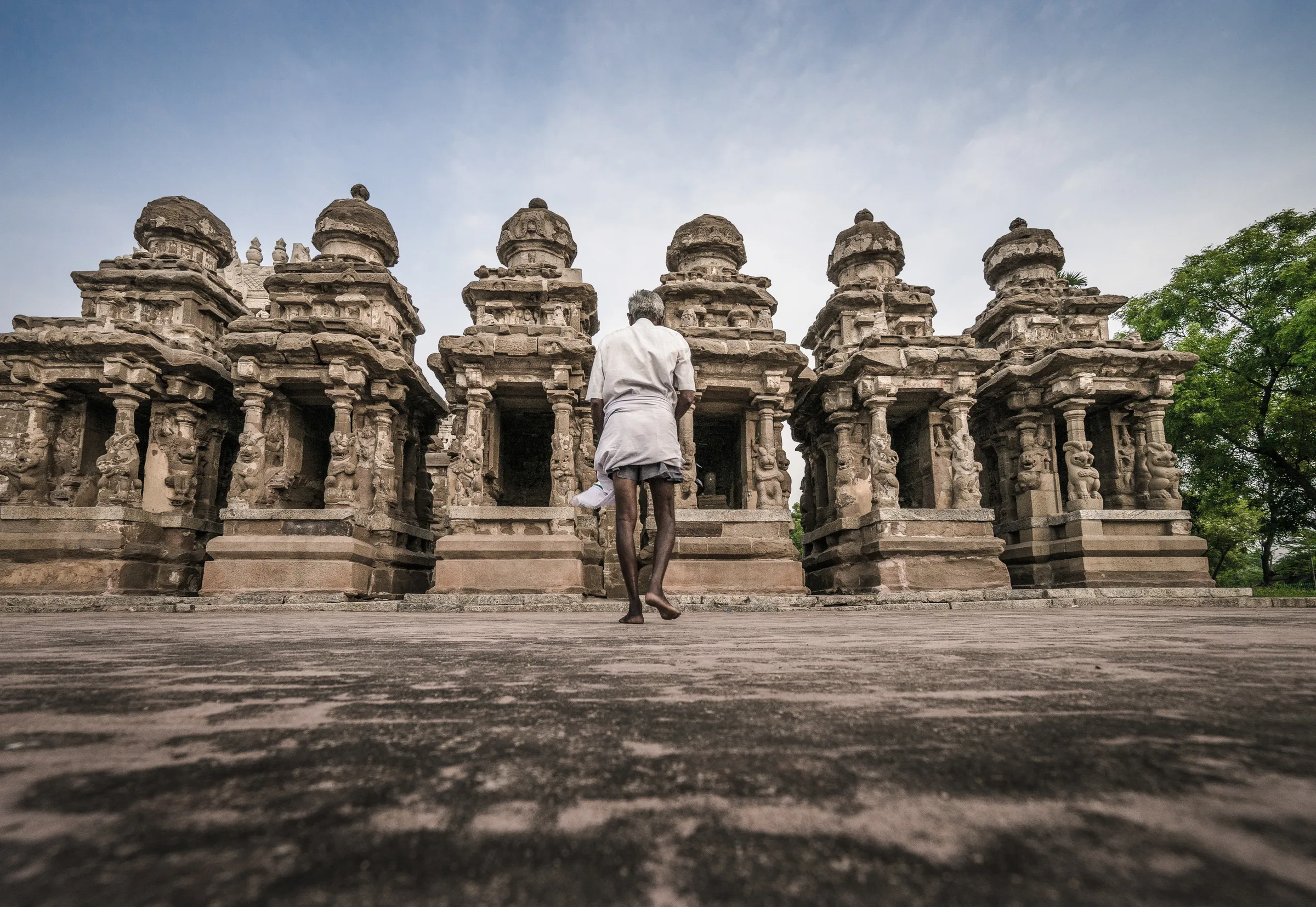
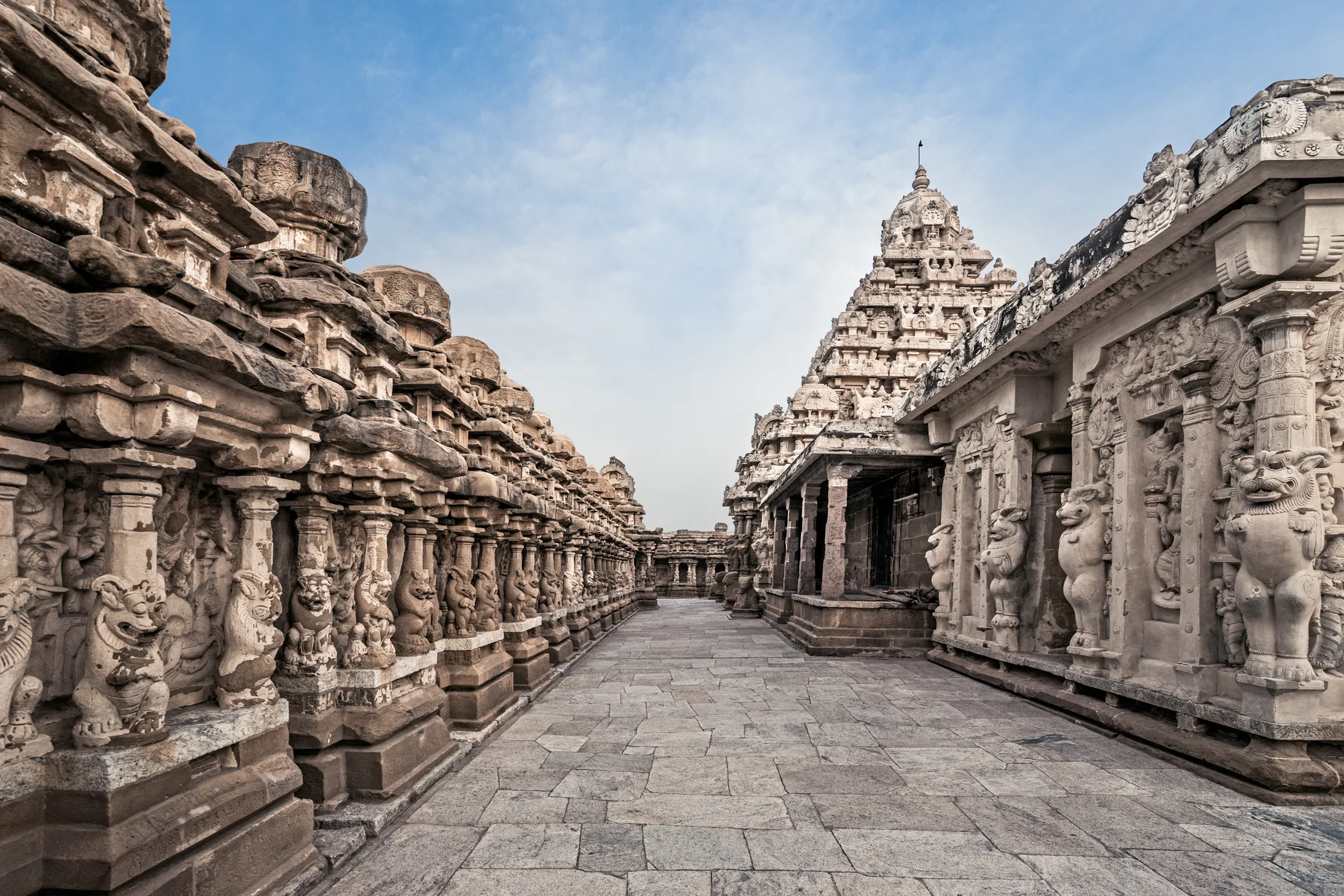
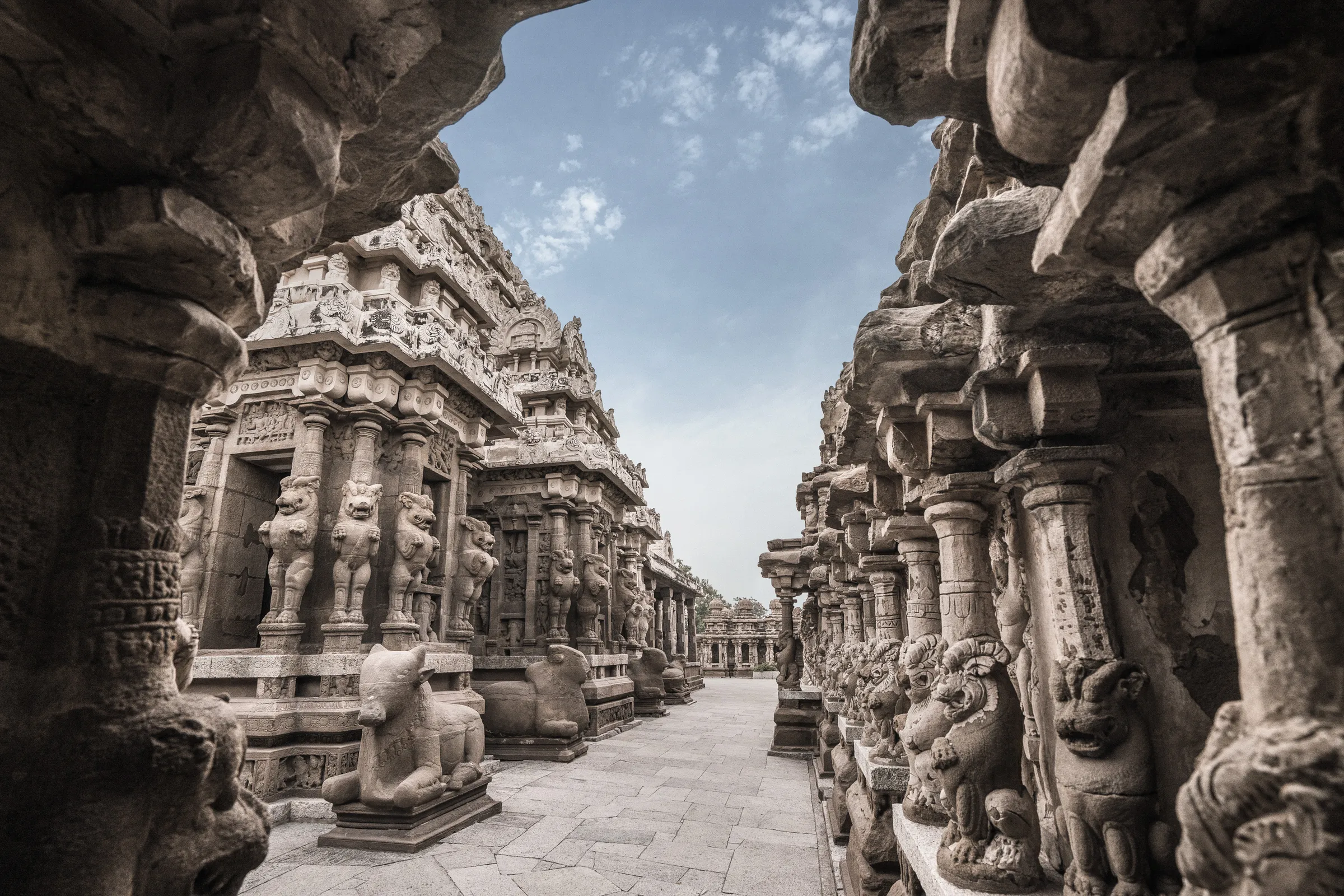
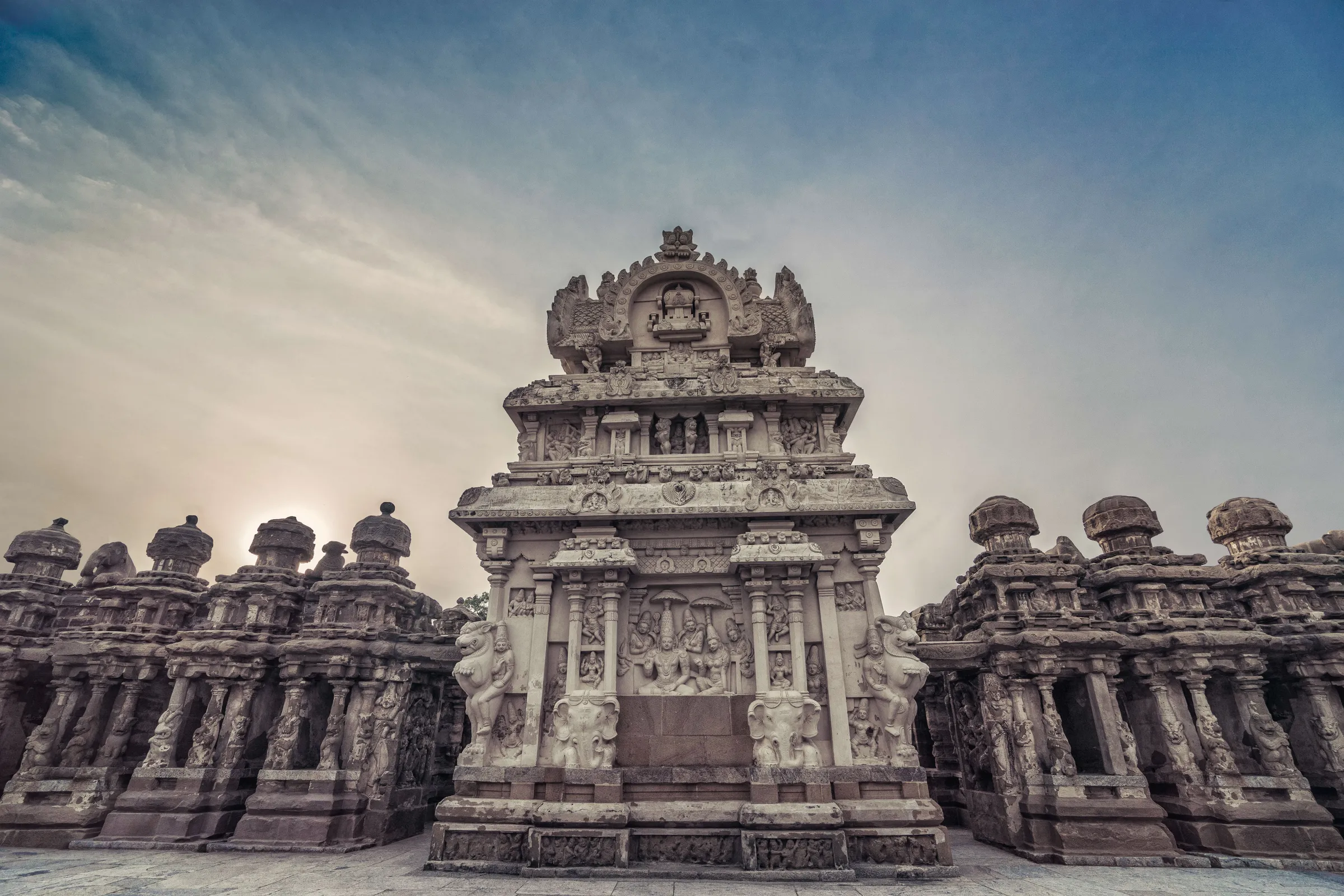
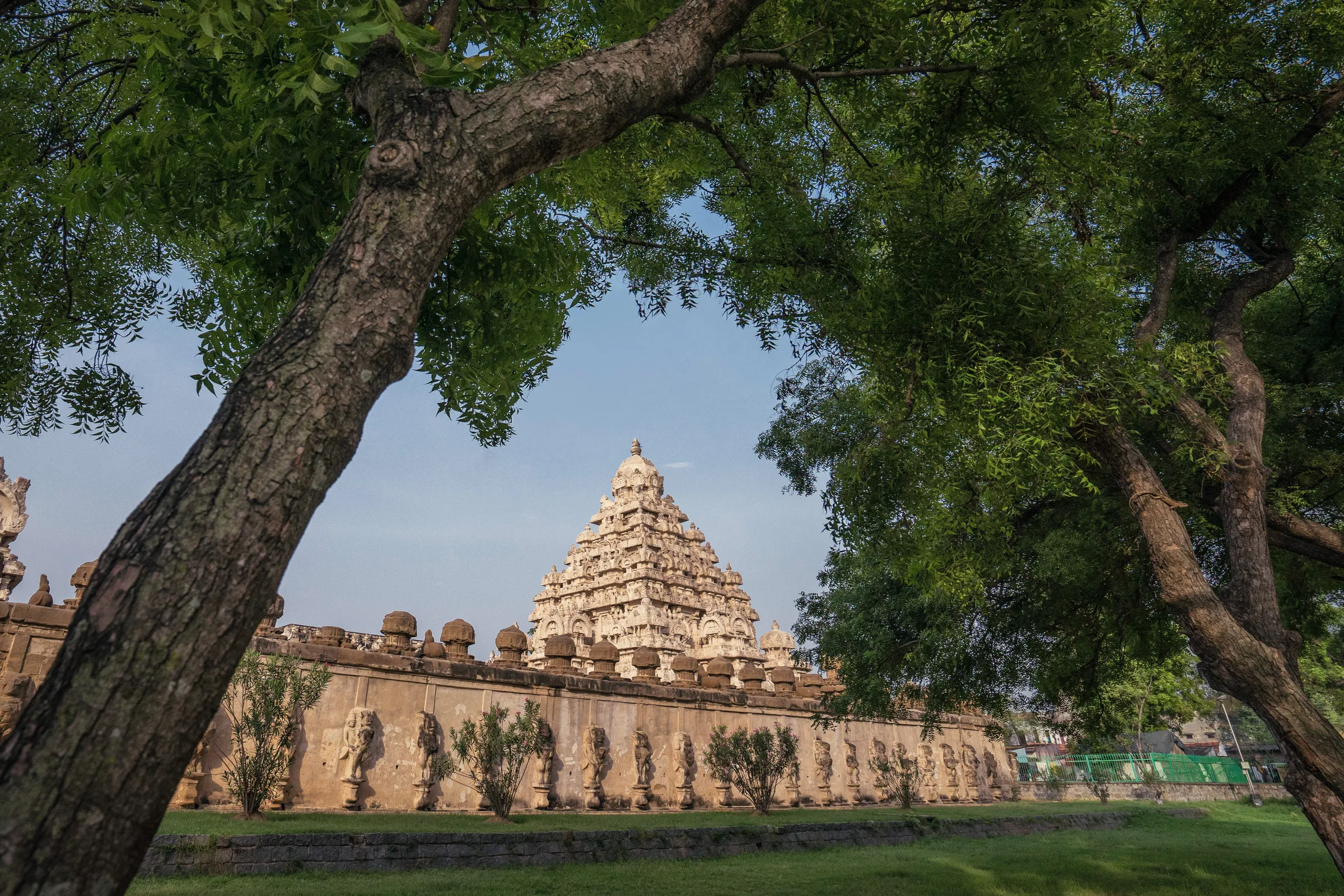
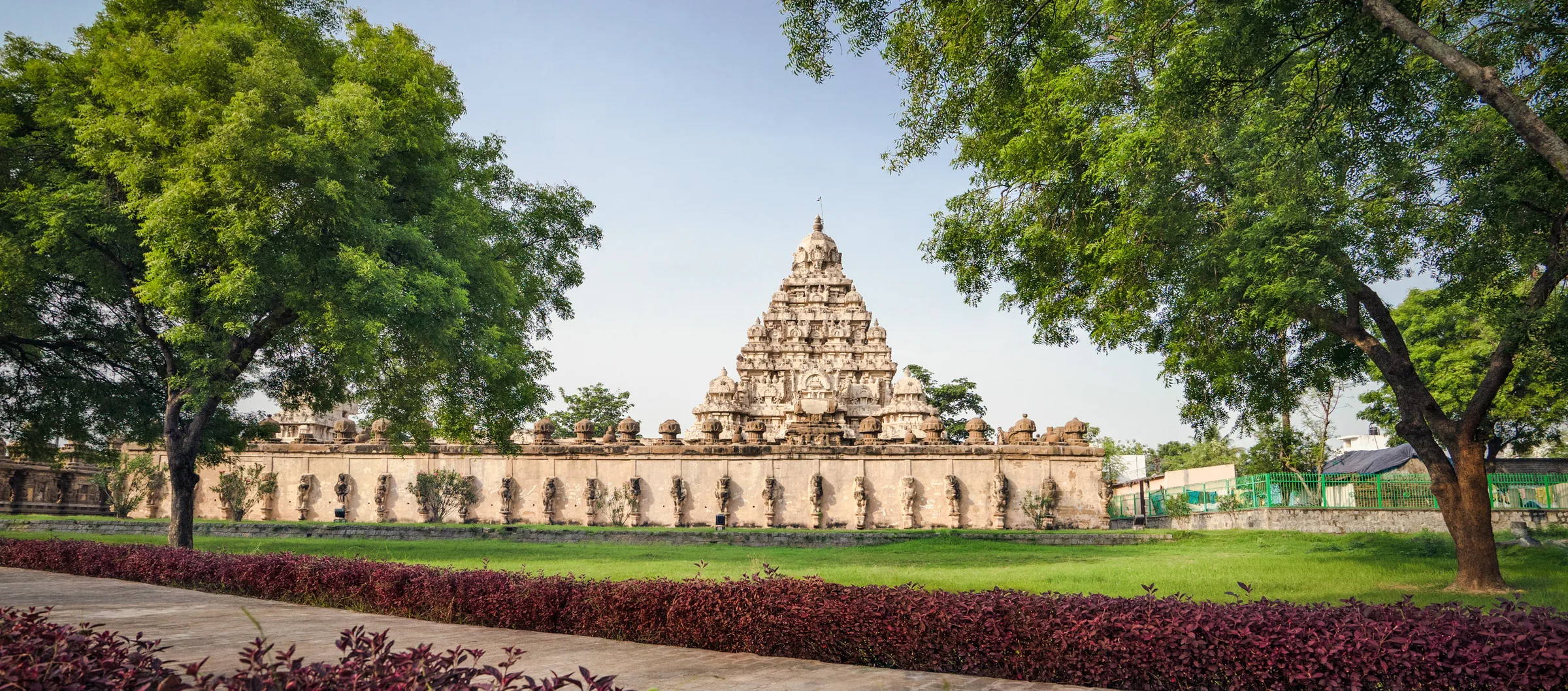
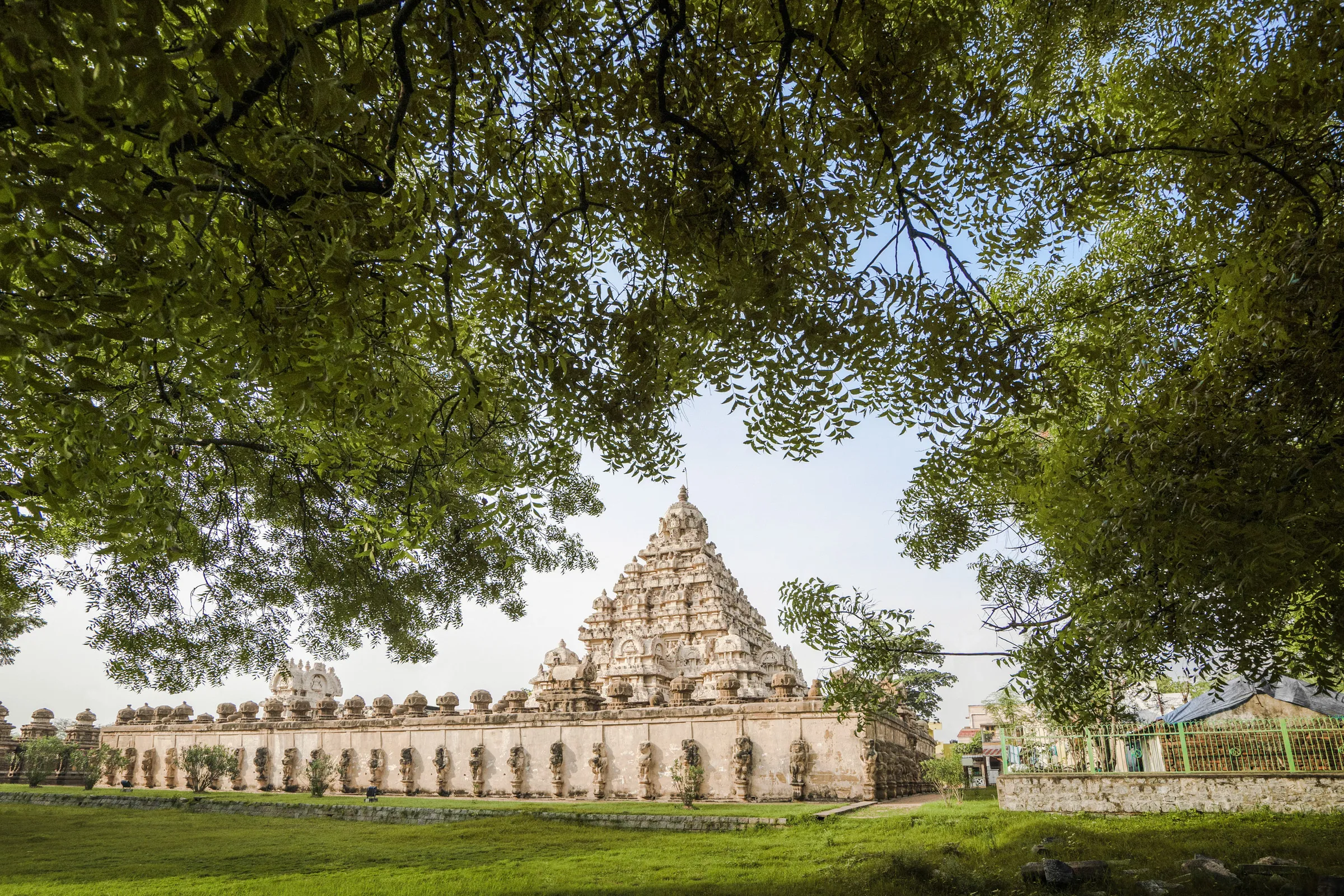
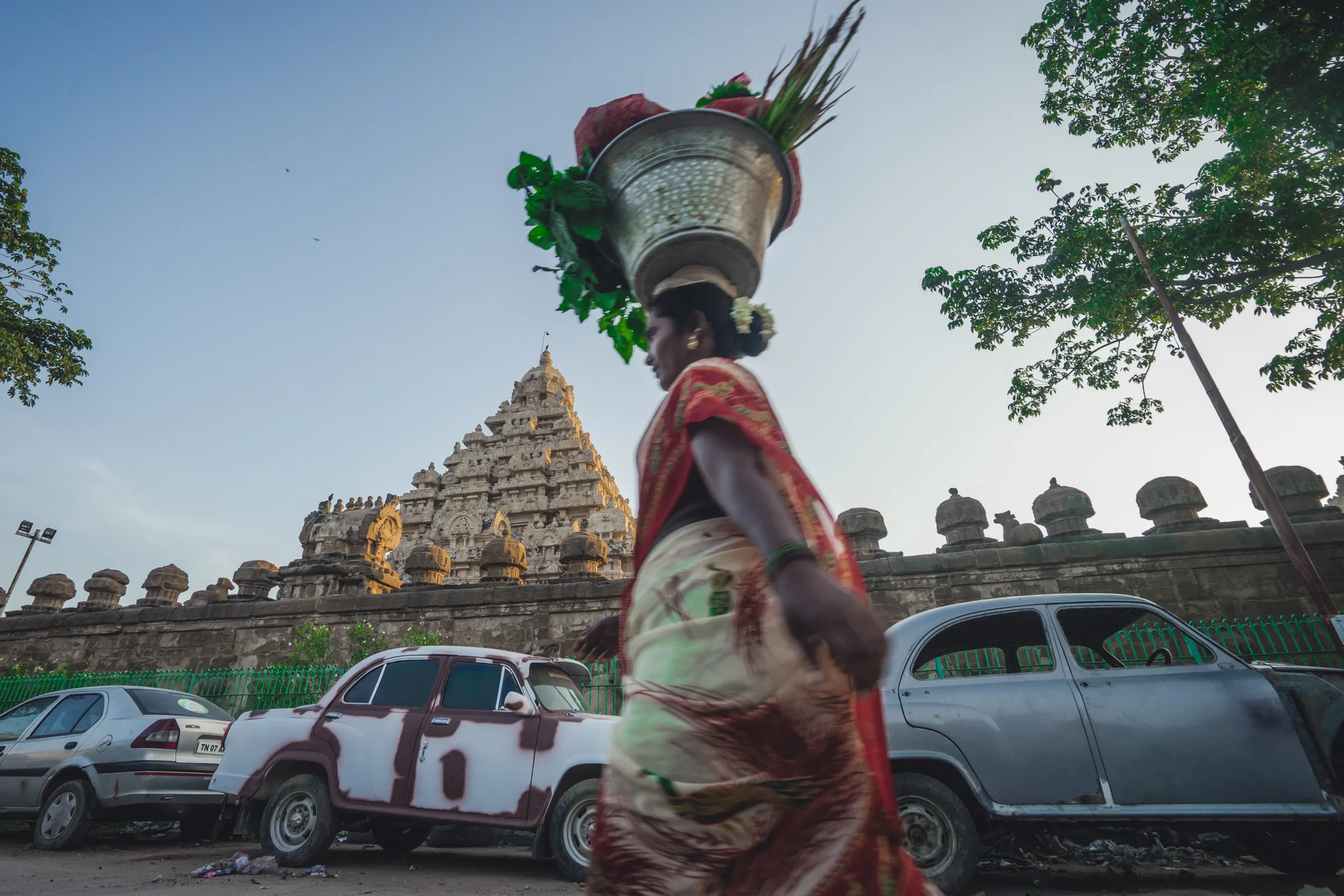
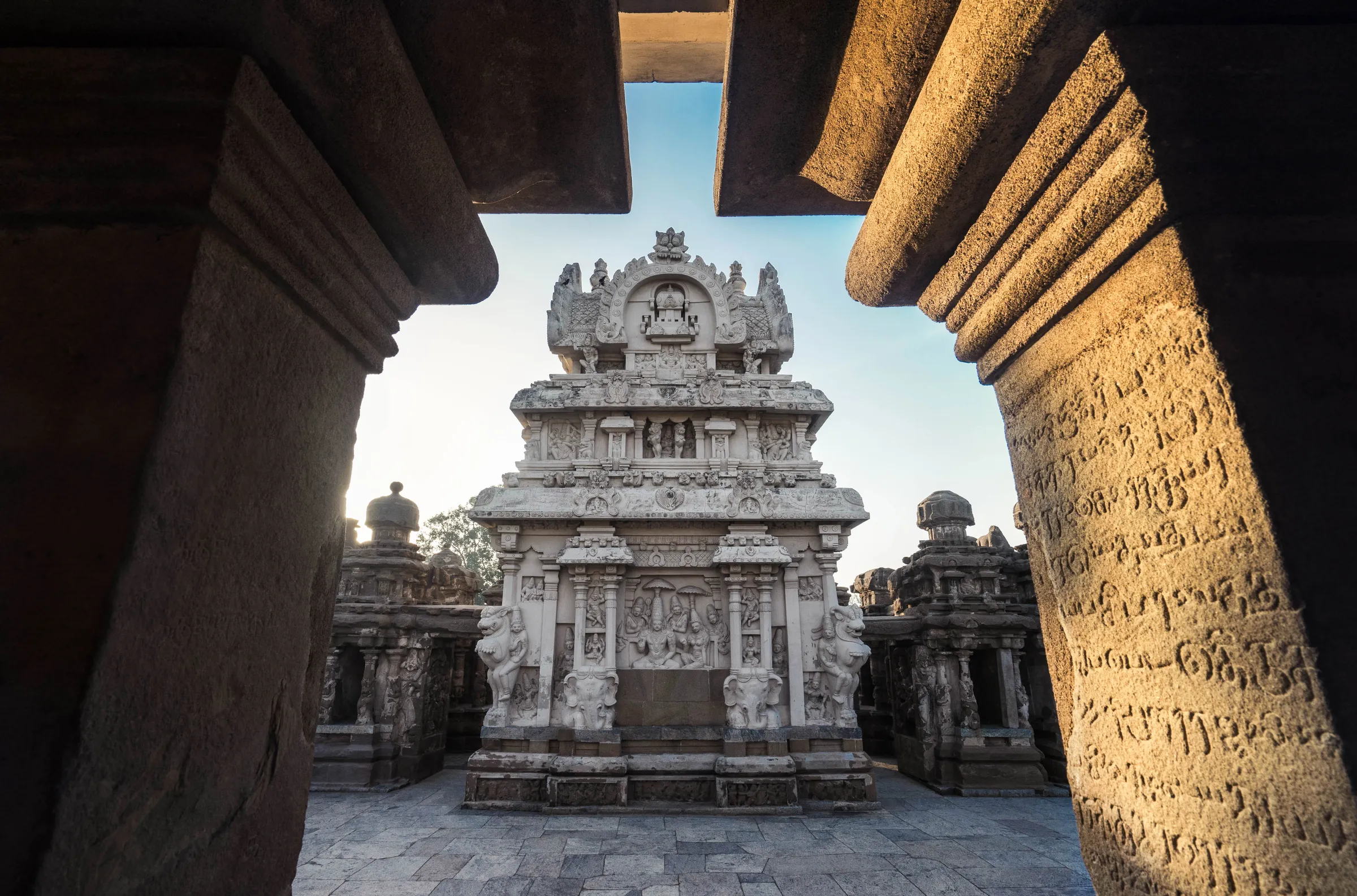
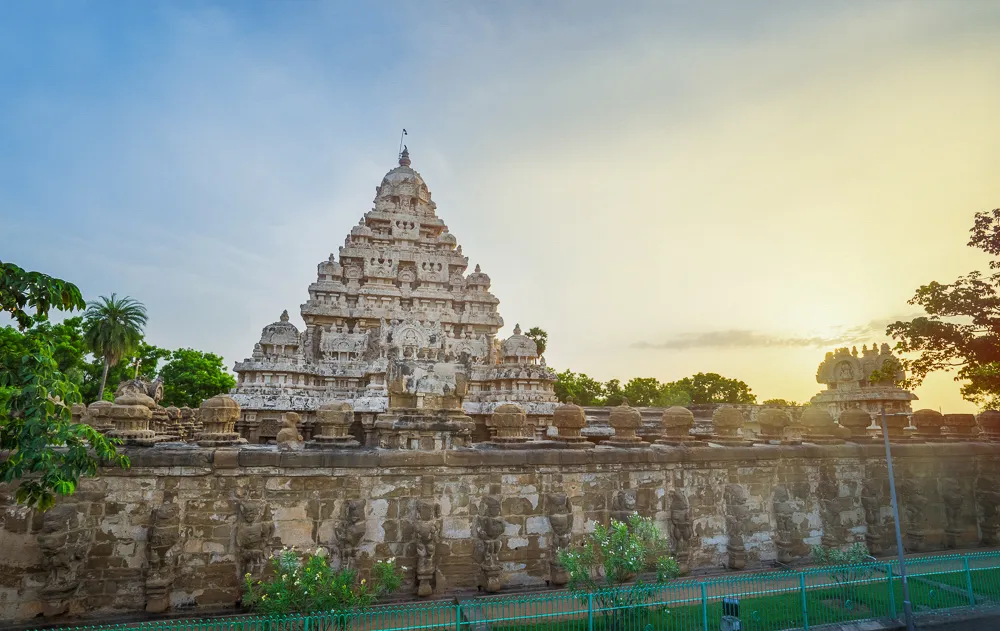
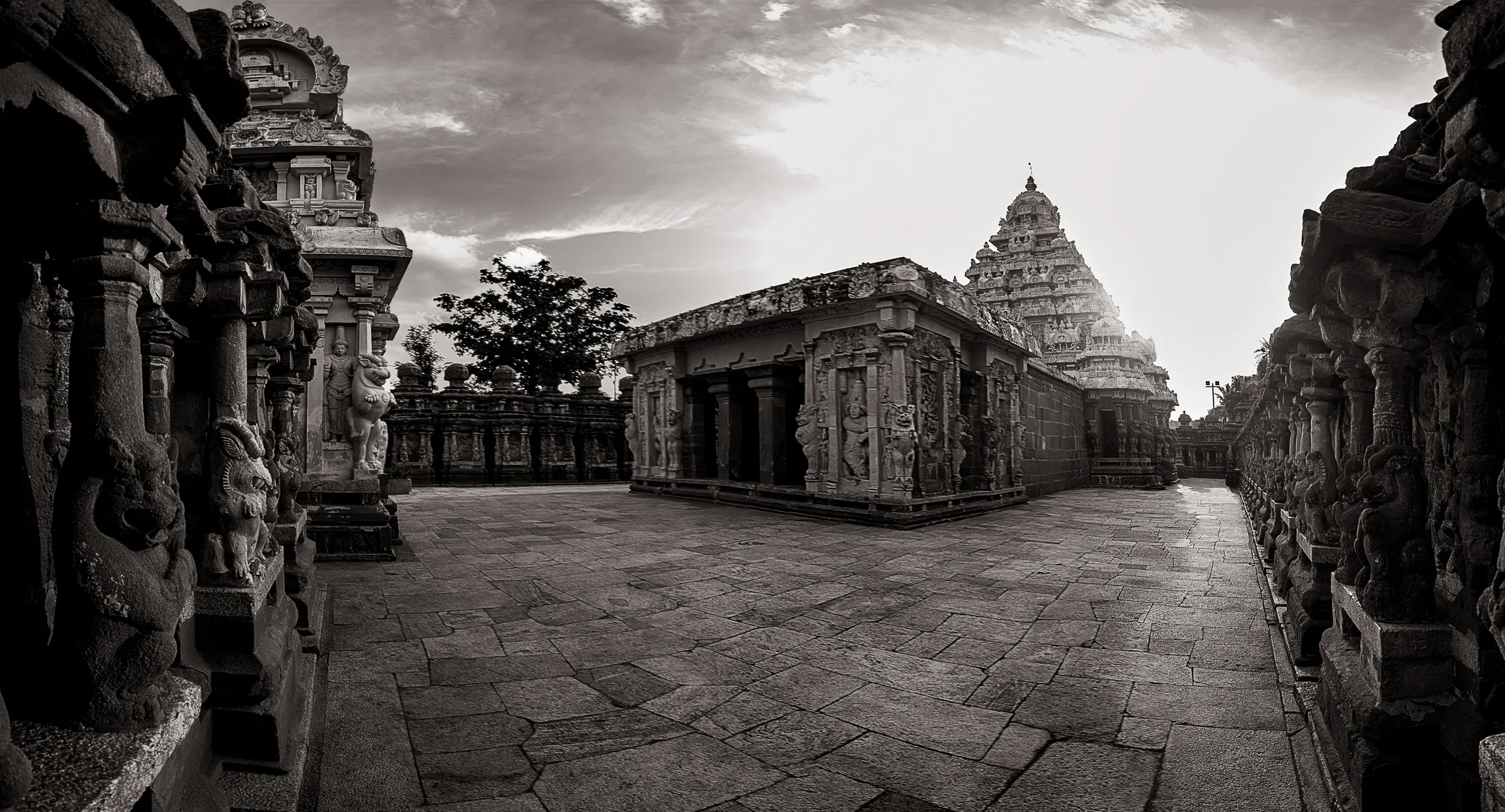
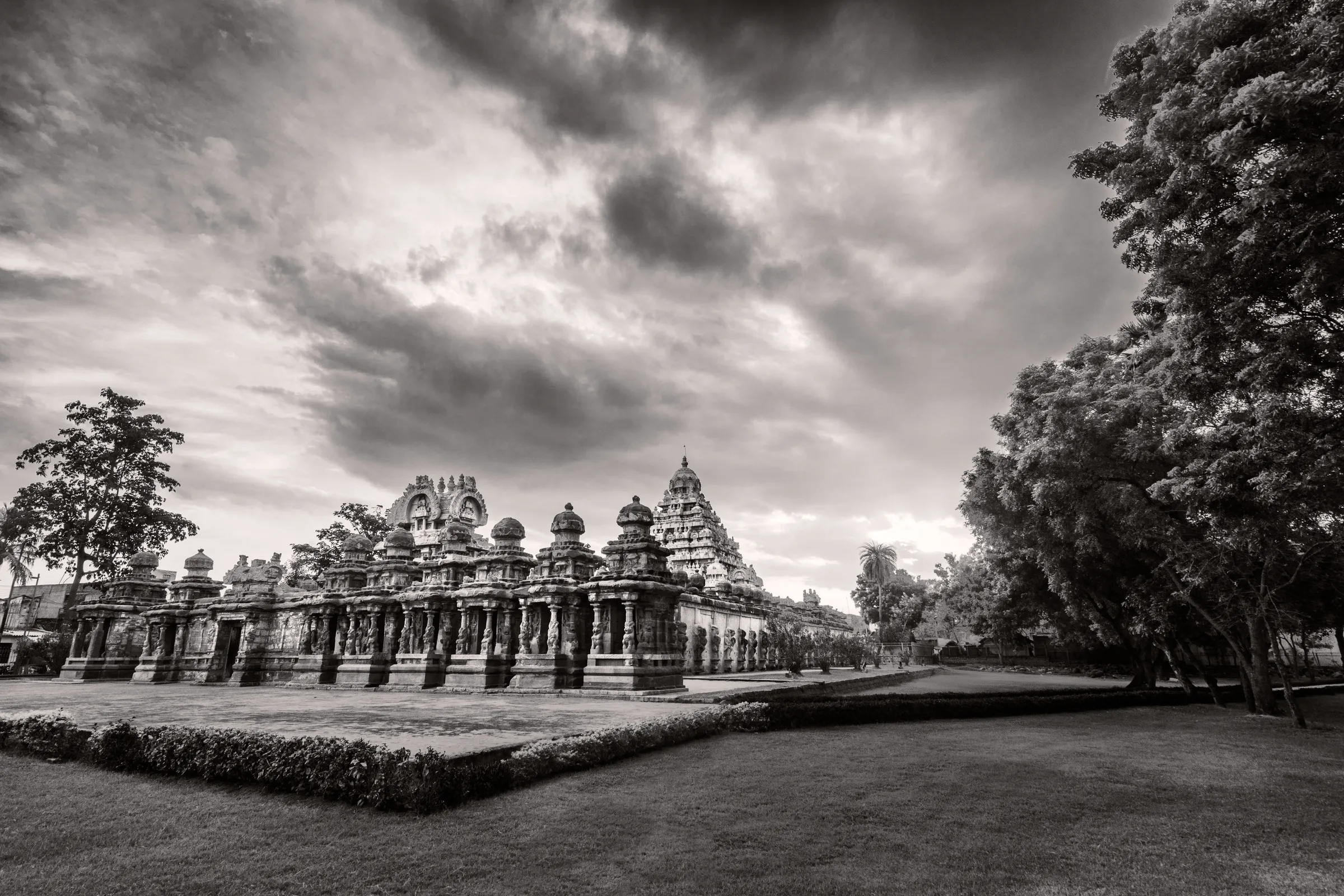
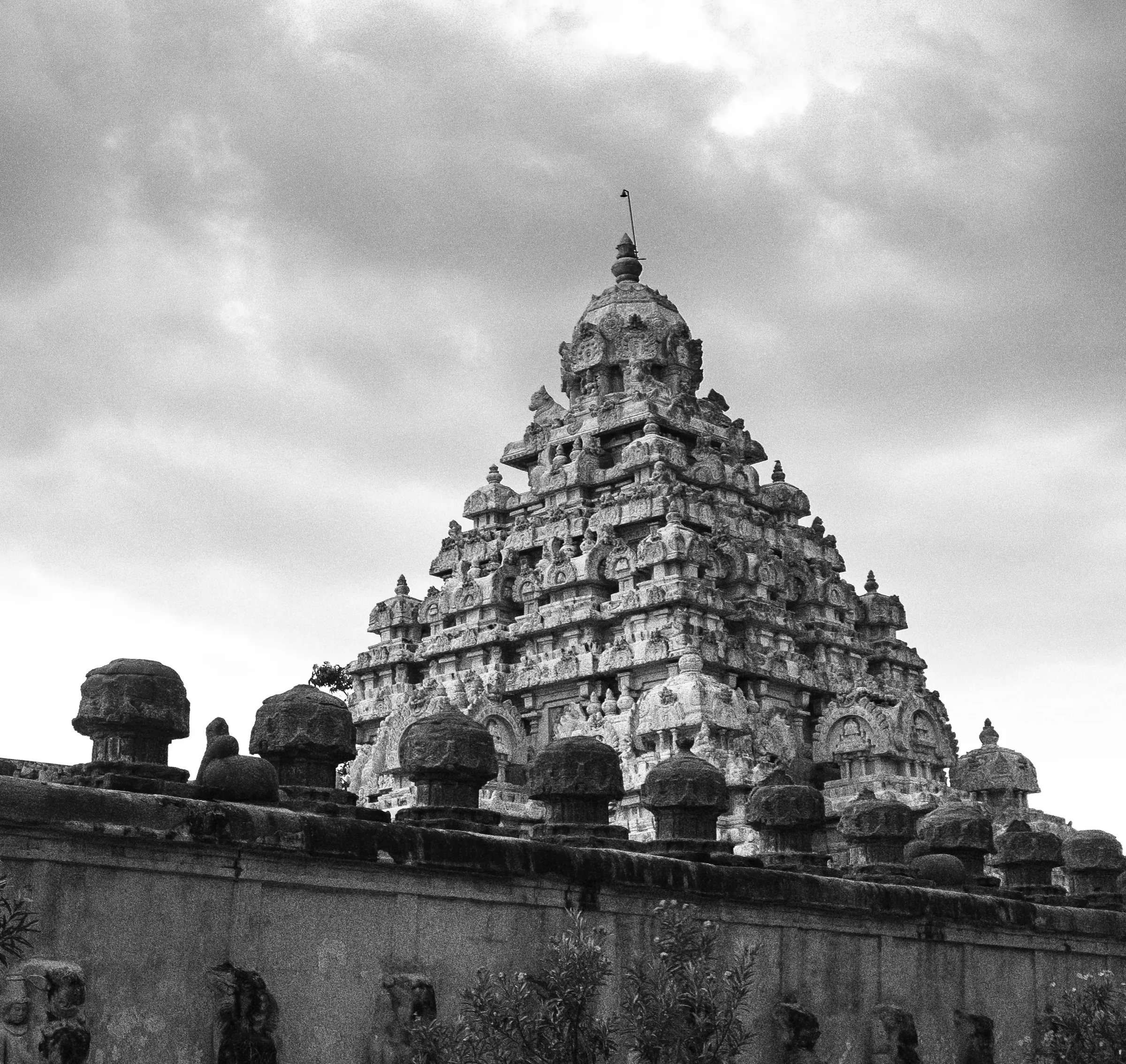
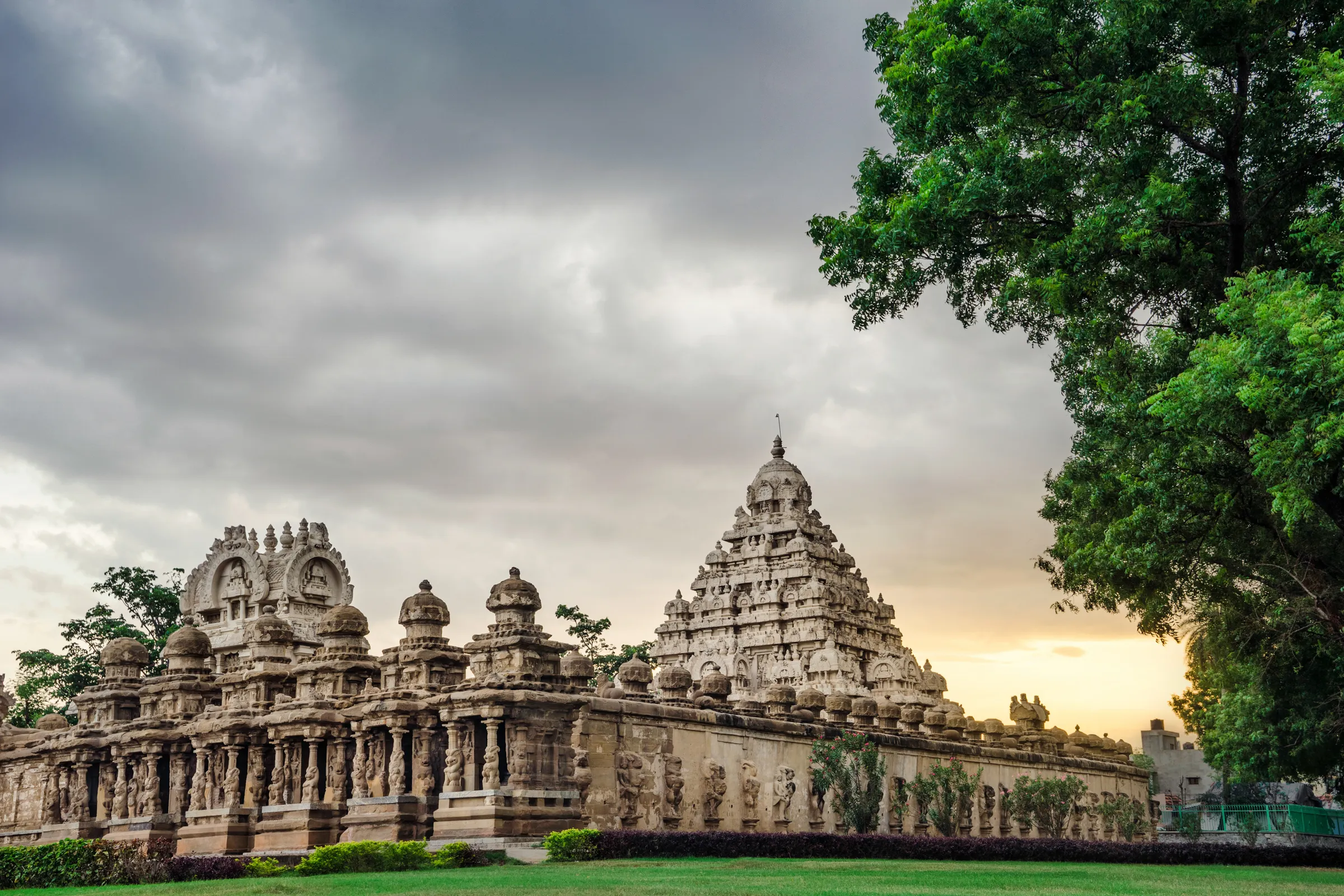
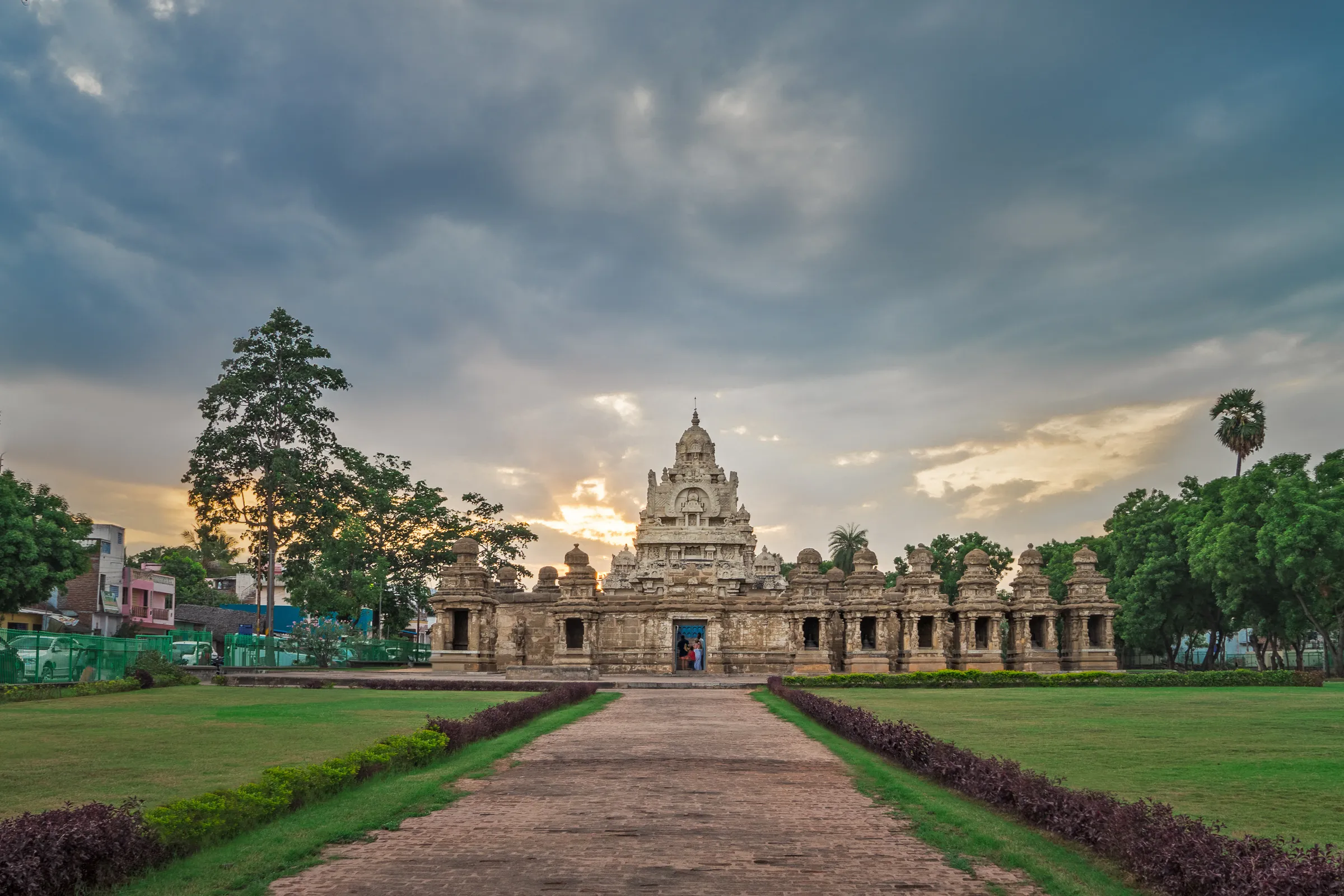
structure & vocabularyA square-plan temple, it has a mukha mandapa, entrance hall, a maha mandapa, gathering hall, and a primary sanctum topped with a four-story vimana. The main sanctum is surrounded by nine shrines, seven outside and two inside, flanking the entrance of the sanctum, all with forms of Śiva. The outer walls of the temple's courtyard are also surrounded by cells. The structure contains 58 small shrines dedicated to various forms of Śiva, built into niches on the inner face of the high compound wall of the circumambulatory passage.
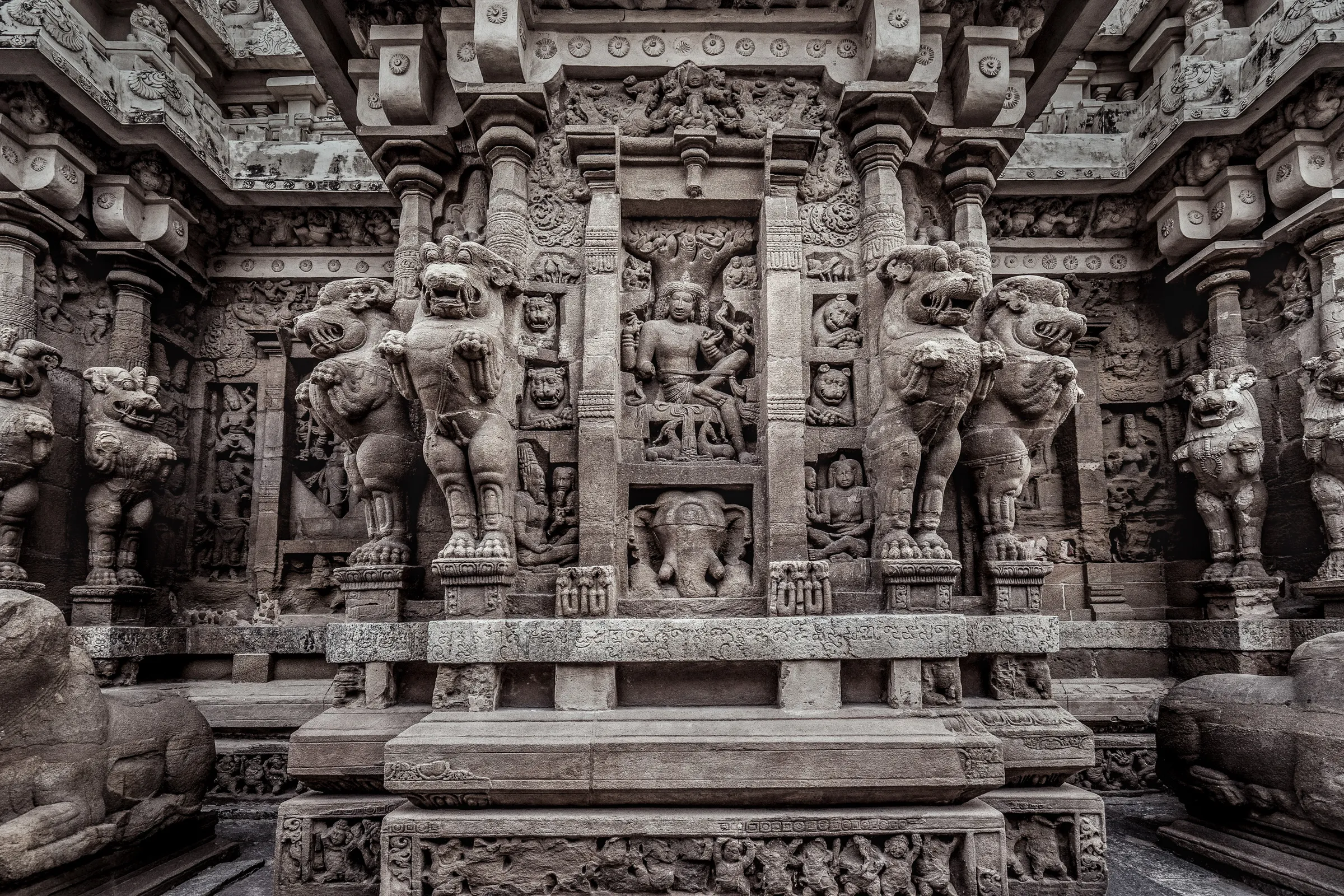
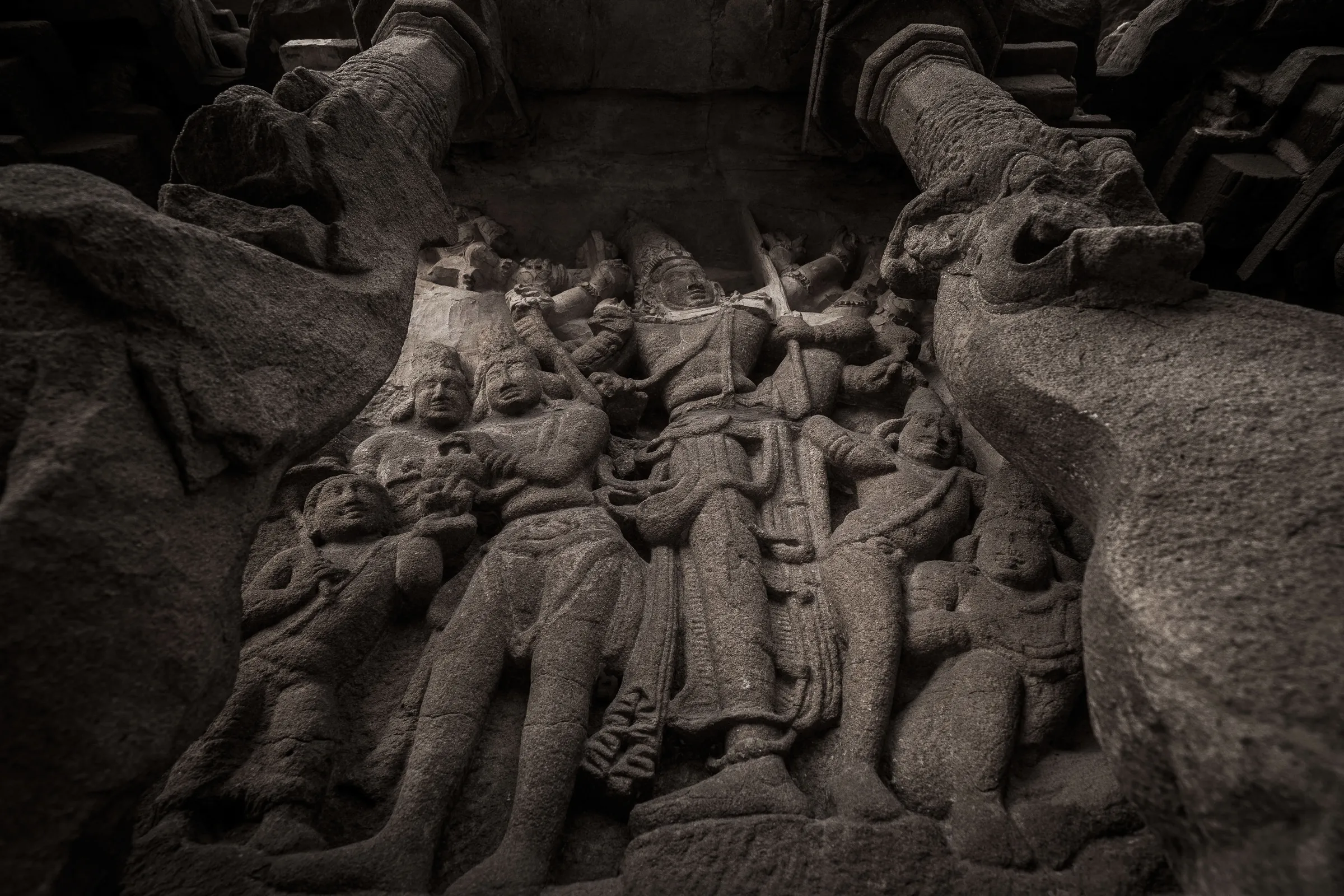
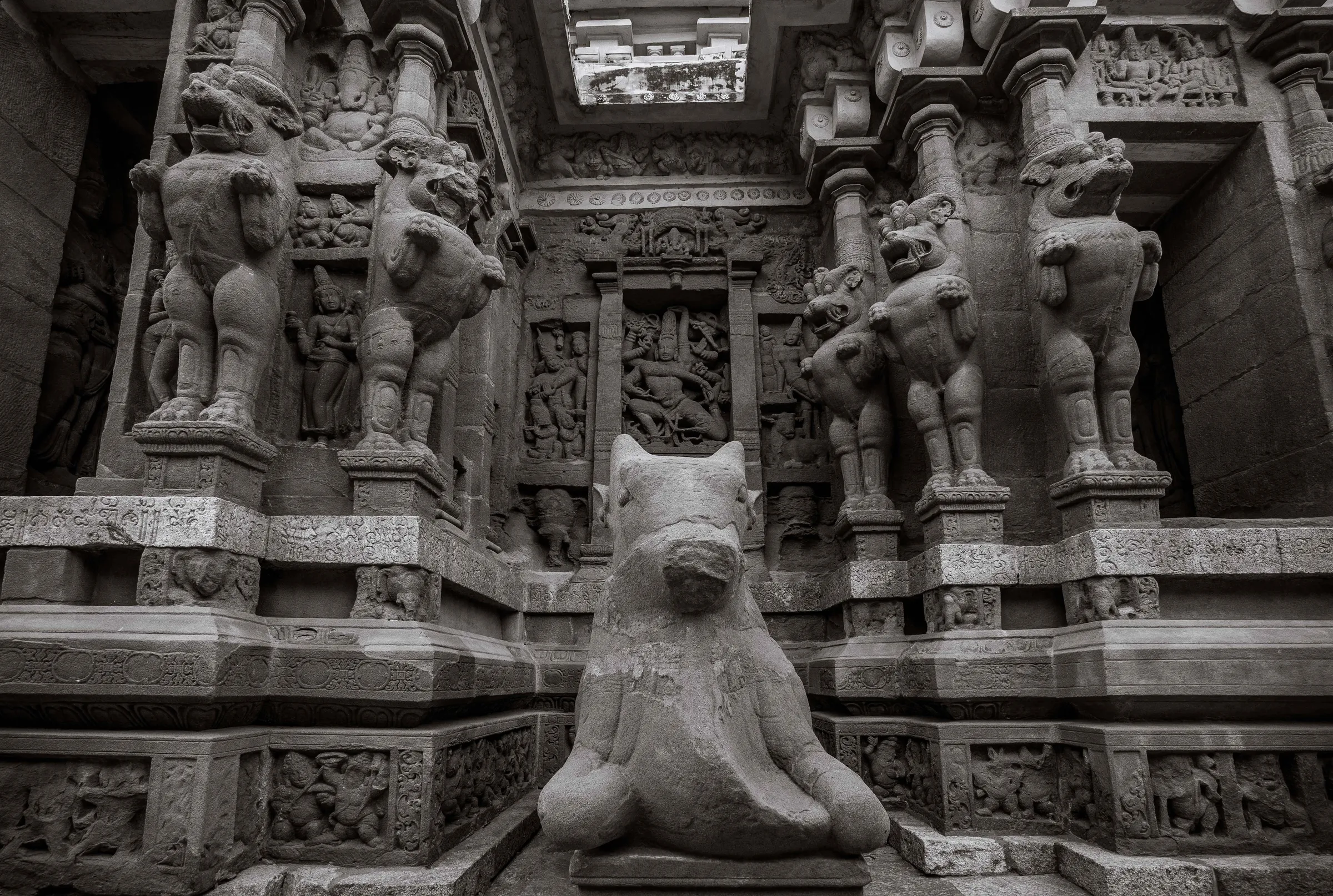
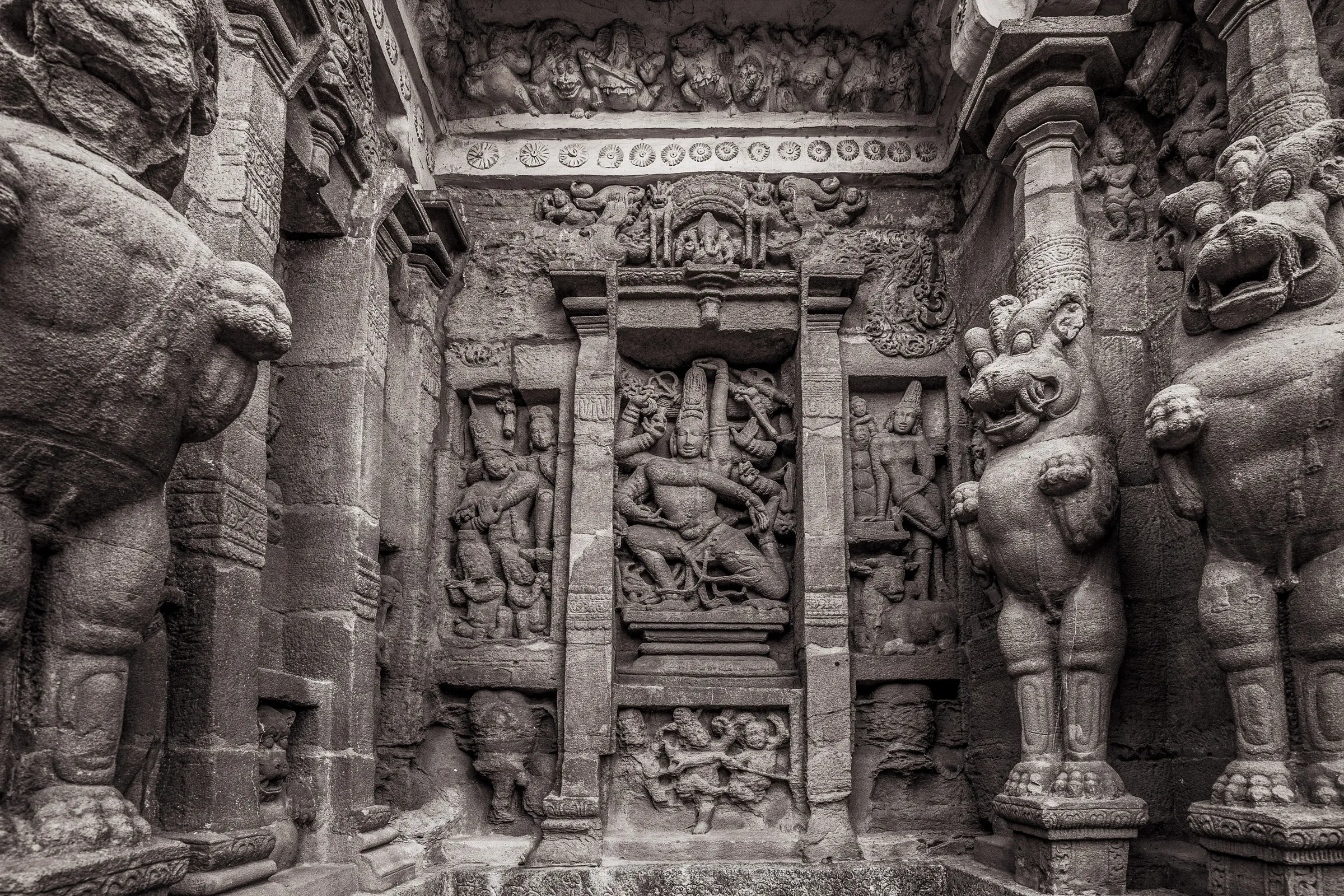
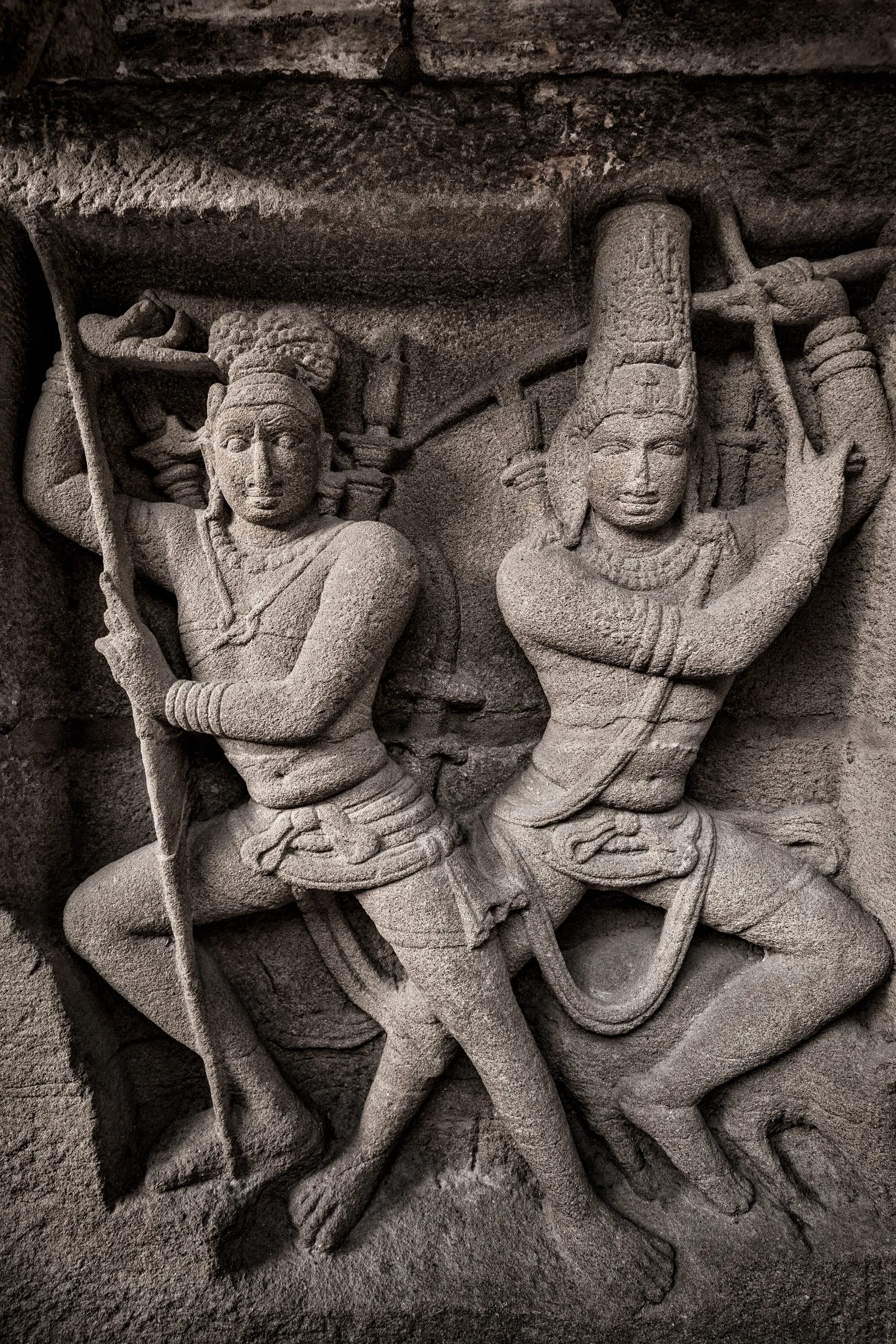
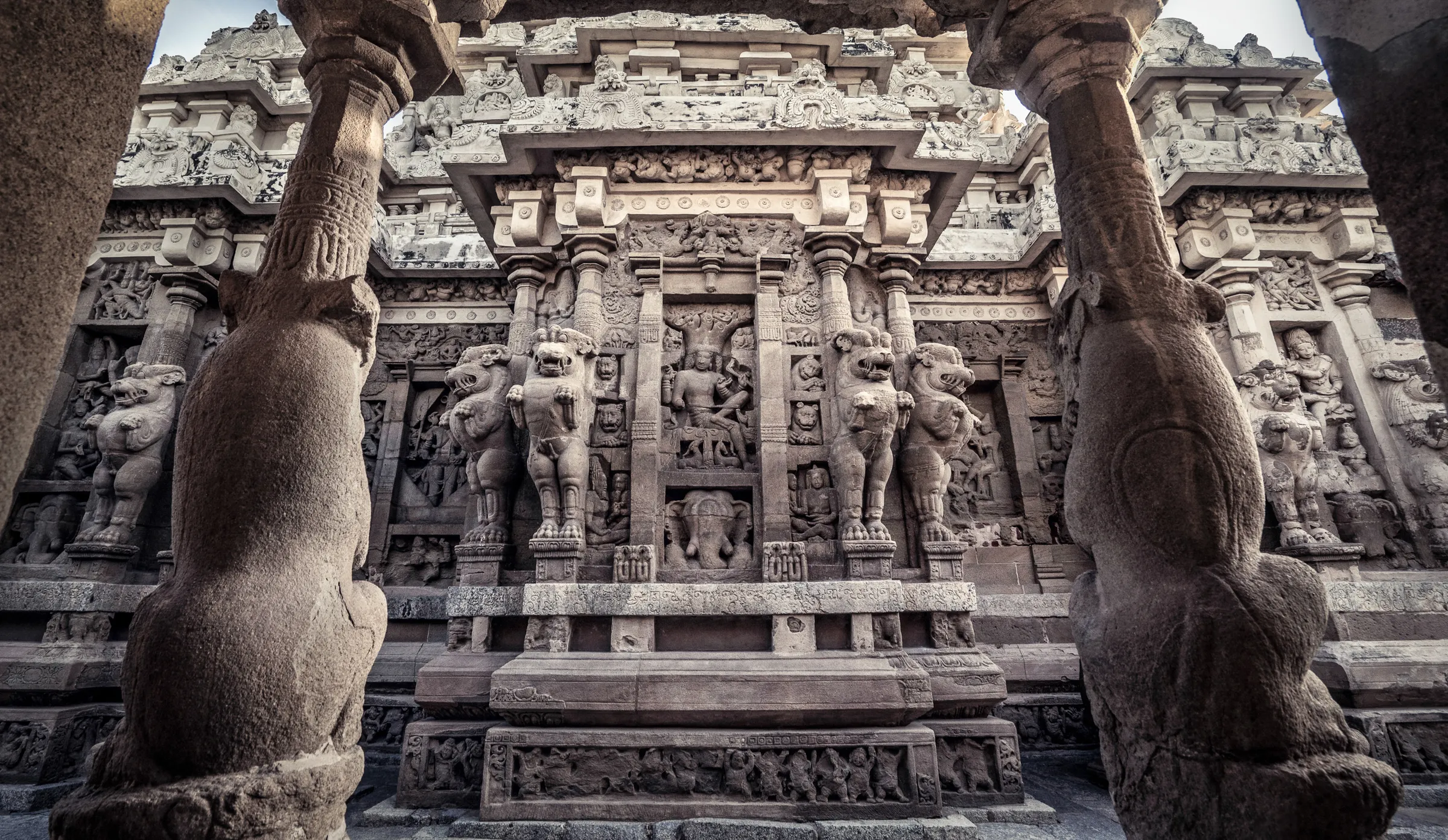
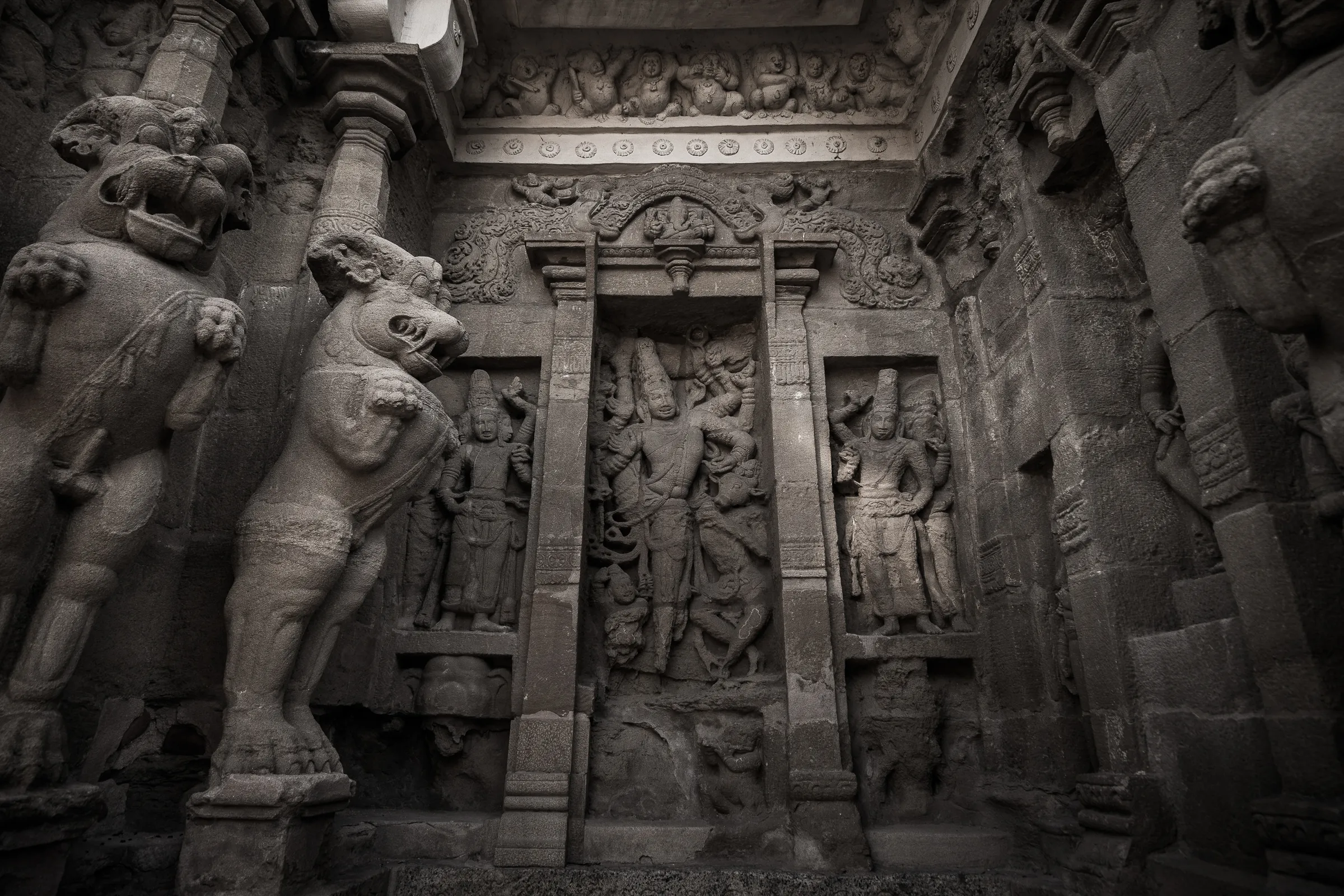
The main shrine has a 16-sided Shivalinga in black granite deified in the sanctum sanctorum. Within the walls of the main shrine are elegantly carved images of gods and a sculpted Nandi guarding the deity. On the south-facing wall the sculpture depicts Śiva as Umamaheshavara with Lingodbhava surrounded by Brahma, Vishnu and flying amaras; the west-facing hall has Śiva as Sandhya Tandavamurti and Urdhuva Tandavamurti with dancing ganas, Brahma, Vishnu, Nandi and Parvathi. The exterior faces of the vimana carry Śiva in the Bhikshatana, Somaskanda and Samhara-Tandava poses.
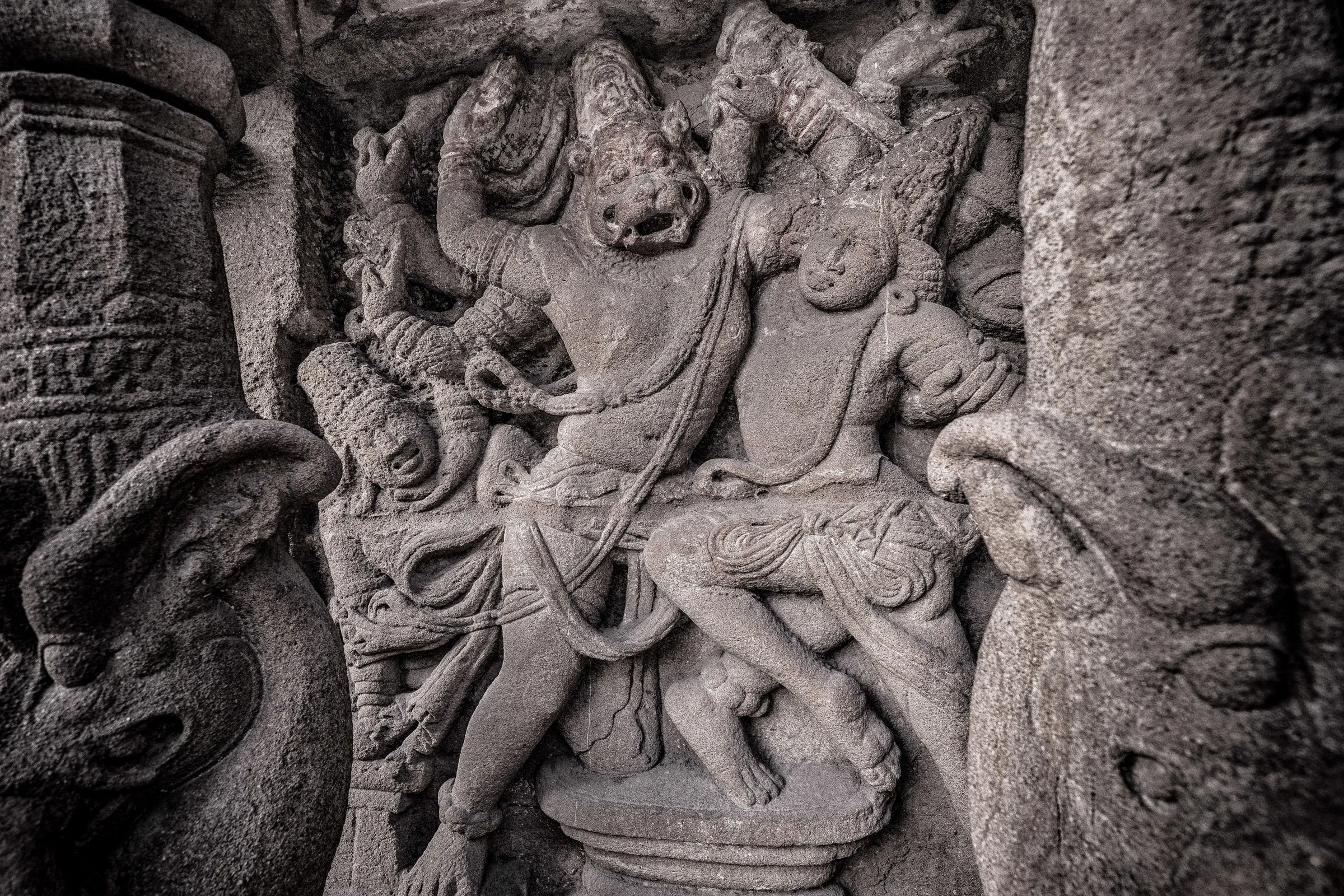
The inner walls of the circumambulatory passage hold a galaxy of images: Durga as Mahishasuramardini, Karthikeya, Tripurantaka, Garudarudha-Vishnu, Ashura Samhara, Narasimha, Trivikrama, Shiva Tandava, Shiva severing the fifth head of Brahma, the desecration of Yagna by Daksha, Gangadhara, Urdhuva Tandava, Lingodbhava, Bhikshatana, Ravana and Vali, with the image of Ardhanareeswara on a bull held the most noteworthy. The temple is also notable for one of the earliest and best specimens of Hindu mural art in Tamil Nadu, found on the inner walls of the courtyard cells, in a style also seen in the Ajanta Caves and the 8th-century Vaikunthaperumal temple at Kanchipuram.