Kapaleeswara Temple, photograph
← Thondaimandalam
Entry 002

Kapaleeswara Temple

Mylapore (Tirumayilai), Chennai · Chennai

The Śiva temple of Mylapore, dedicated to Kapaleeswar and his consort Karpagambigai, held to be the Paadal Petra Sthalam praised by the Nayanmars, rebuilt away from the sea after the older shrine was lost.

Populated from “100 Timeless Tamil Nadu Temples” (book pp. 7 to 8). The three registers are held apart: what stands, what is dated and cited, and what is told.

The photographs

Plates · 14

Kapaleeswara Temple, photograph
© Amar Ramesh and team · All rights reserved
Kapaleeswara Temple, photograph
© Amar Ramesh and team · All rights reserved
Kapaleeswara Temple, photograph
© Amar Ramesh and team · All rights reserved
Kapaleeswara Temple, photograph
© Amar Ramesh and team · All rights reserved
Kapaleeswara Temple, photograph
© Amar Ramesh and team · All rights reserved
Kapaleeswara Temple, photograph
© Amar Ramesh and team · All rights reserved
Kapaleeswara Temple, photograph
© Amar Ramesh and team · All rights reserved
Kapaleeswara Temple, photograph
© Amar Ramesh and team · All rights reserved
Kapaleeswara Temple, photograph
© Amar Ramesh and team · All rights reserved
Kapaleeswara Temple, photograph
© Amar Ramesh and team · All rights reserved
Kapaleeswara Temple, photograph
© Amar Ramesh and team · All rights reserved
Kapaleeswara Temple, photograph
© Amar Ramesh and team · All rights reserved
Kapaleeswara Temple, photograph
© Amar Ramesh and team · All rights reserved
01

Architectural

structure & vocabulary

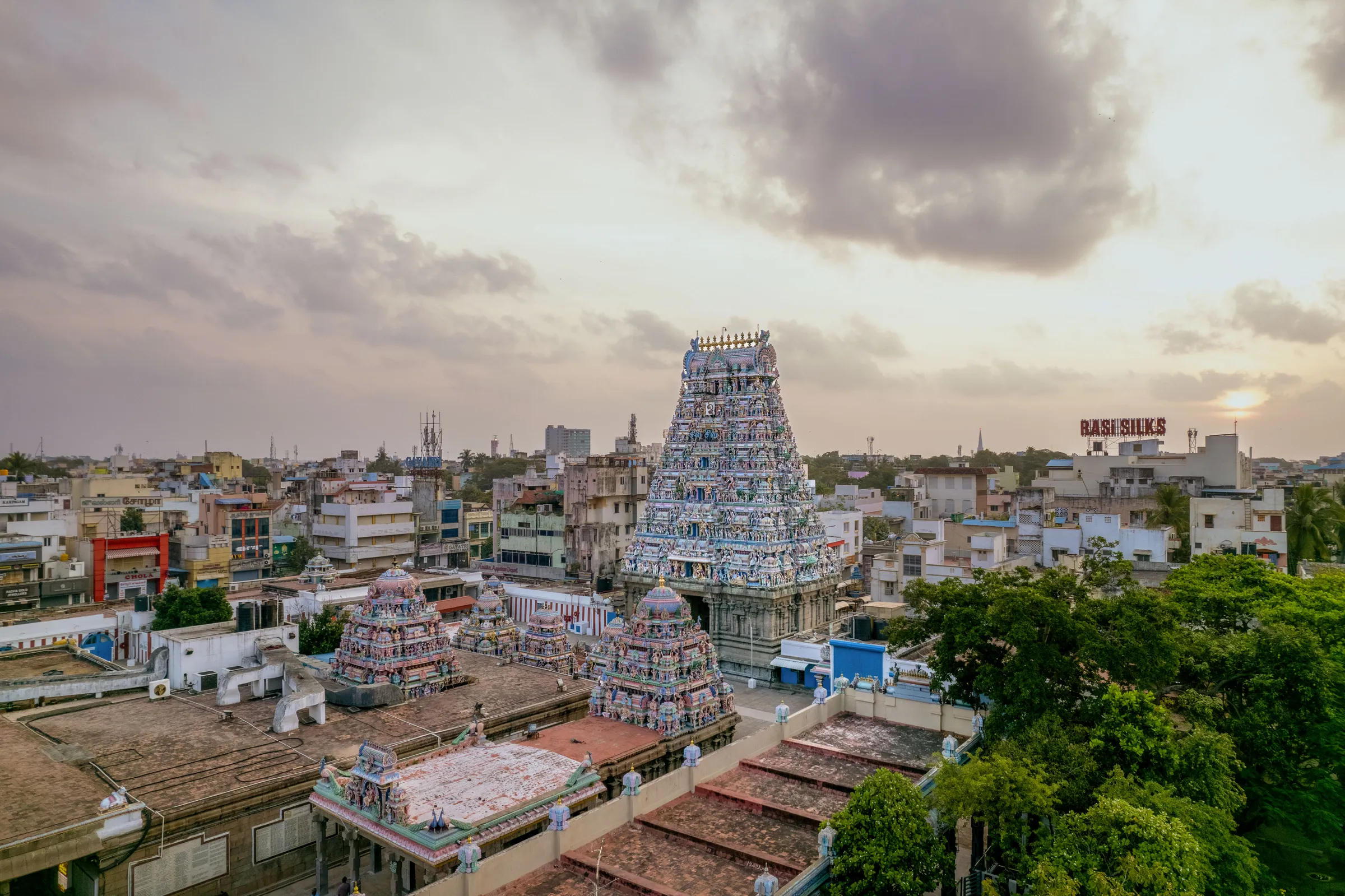
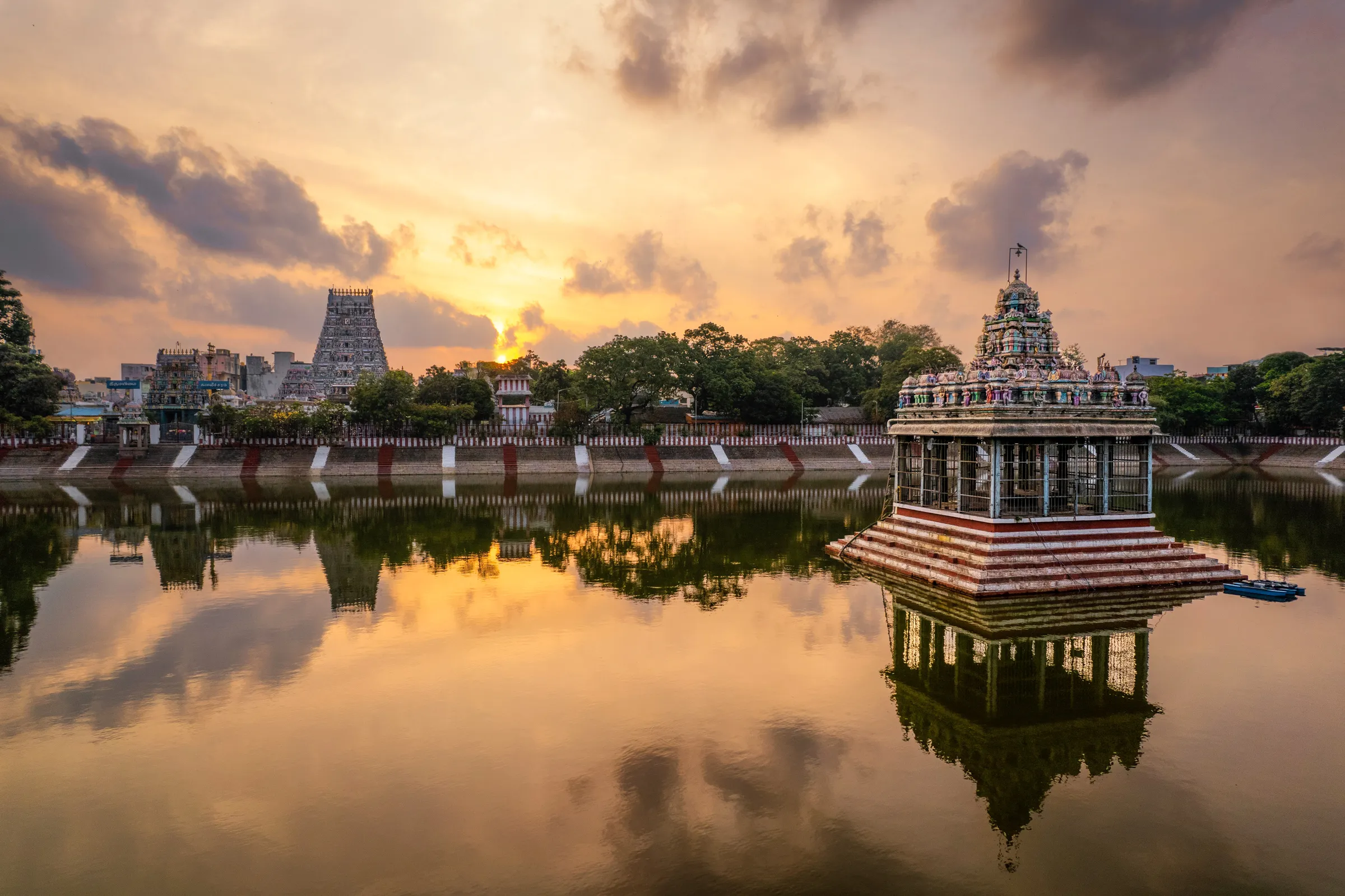
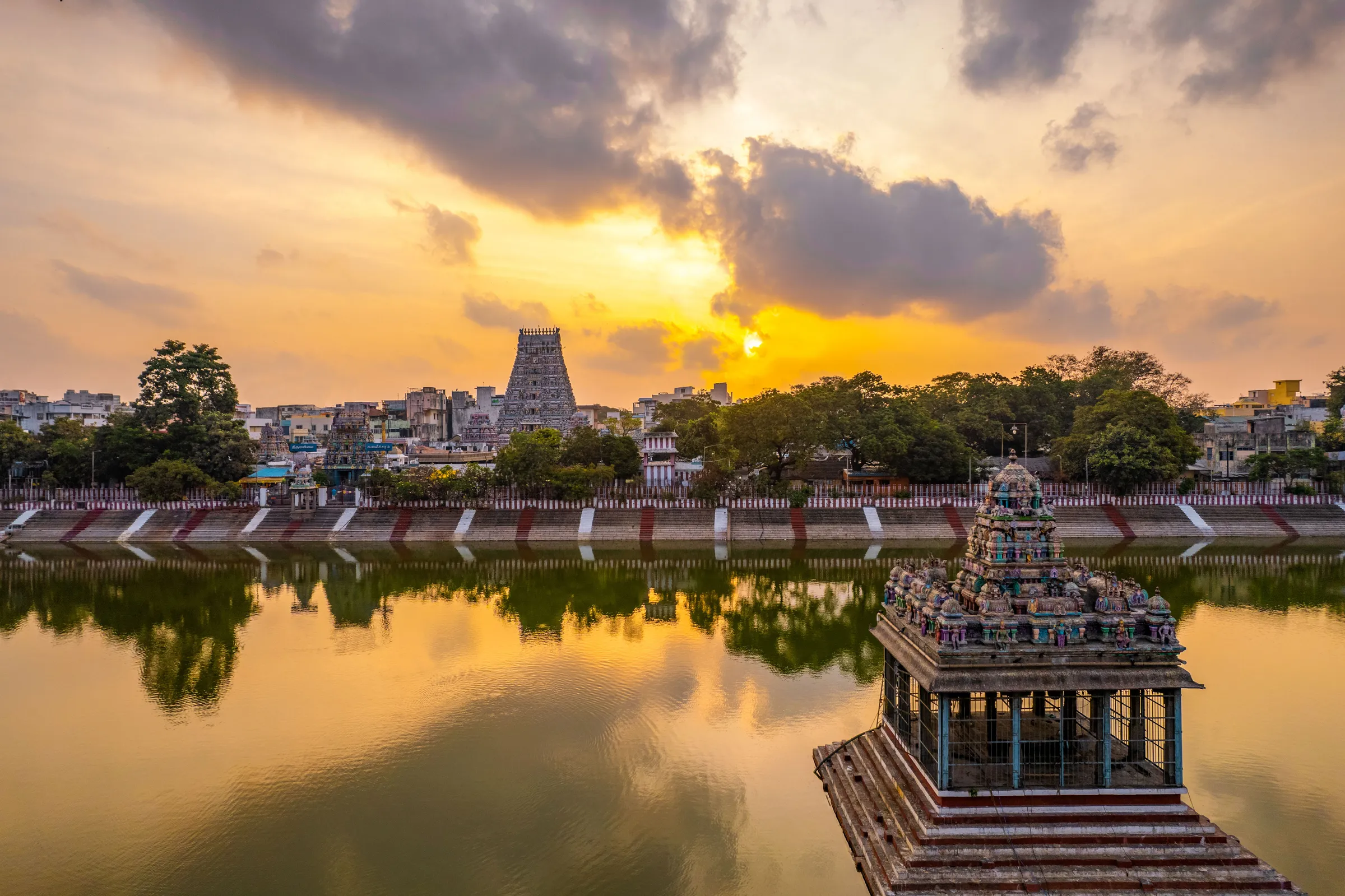
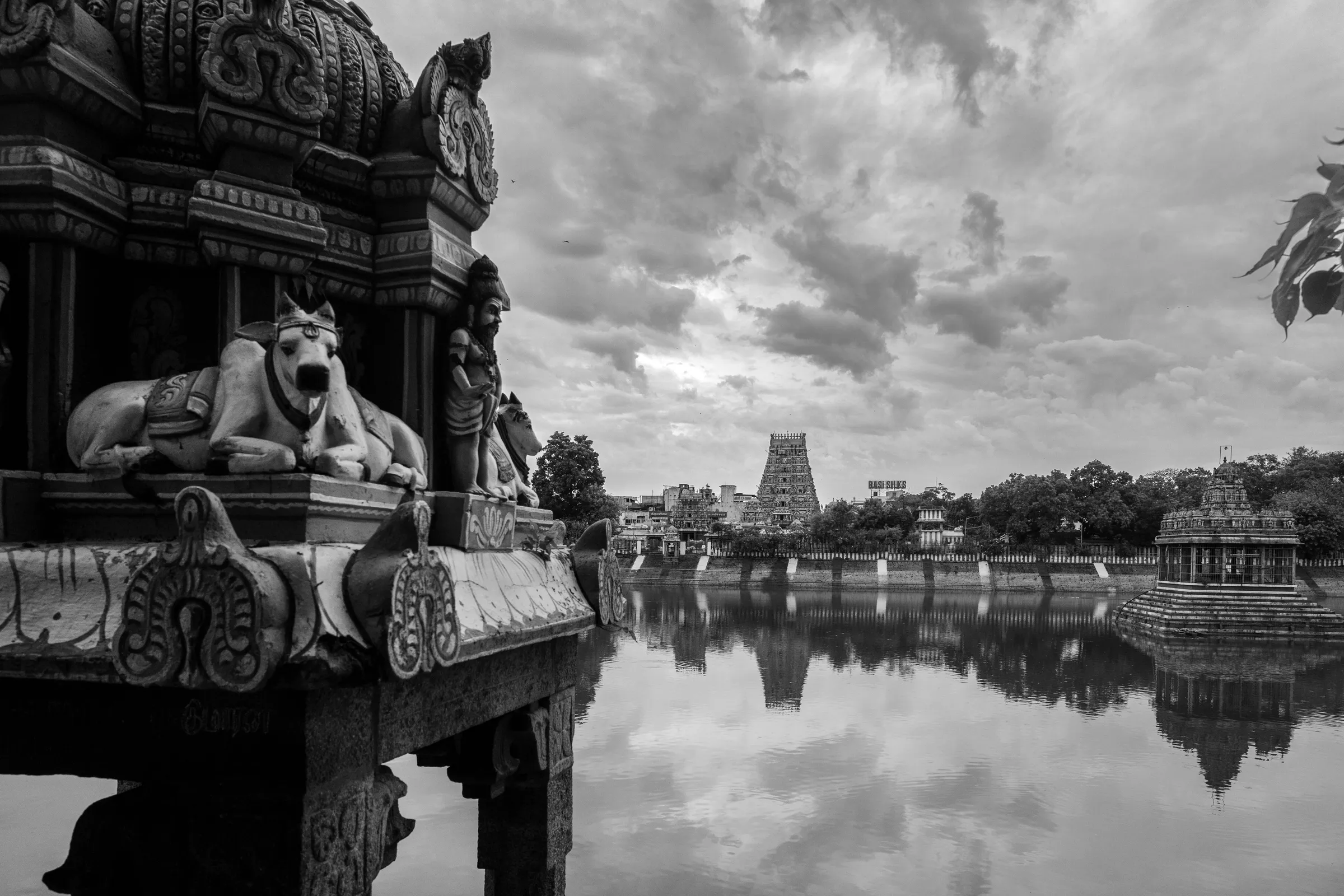
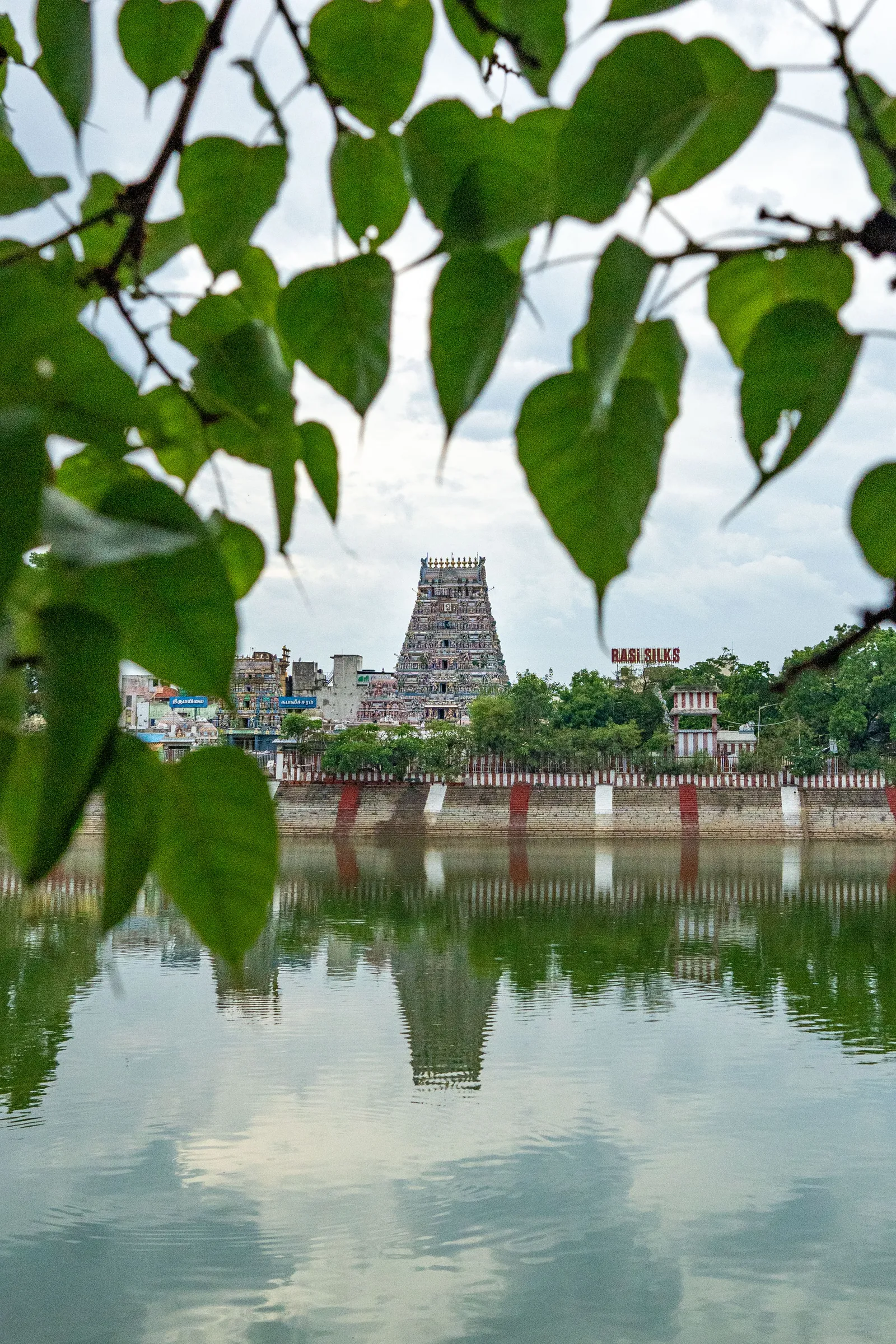
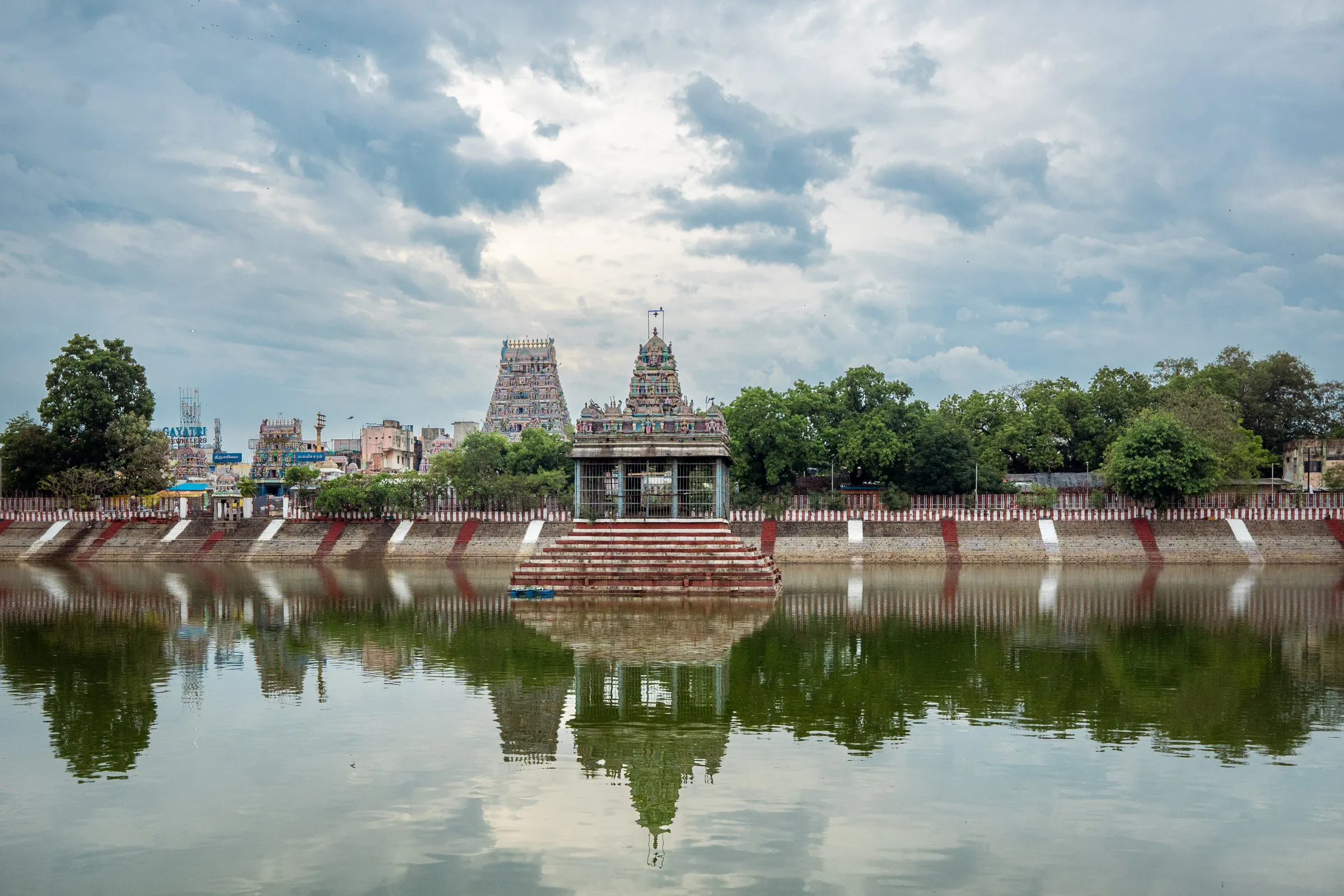
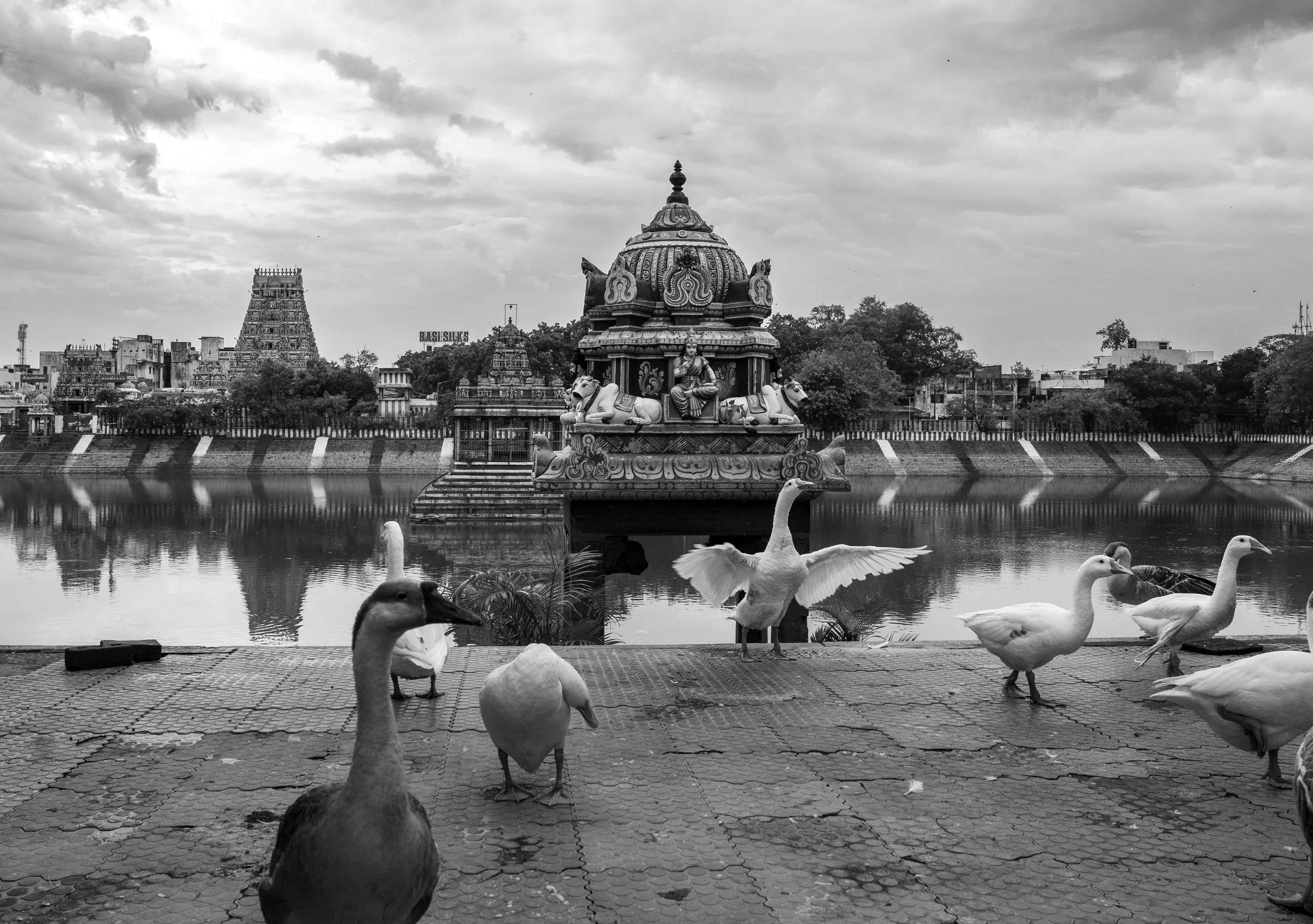
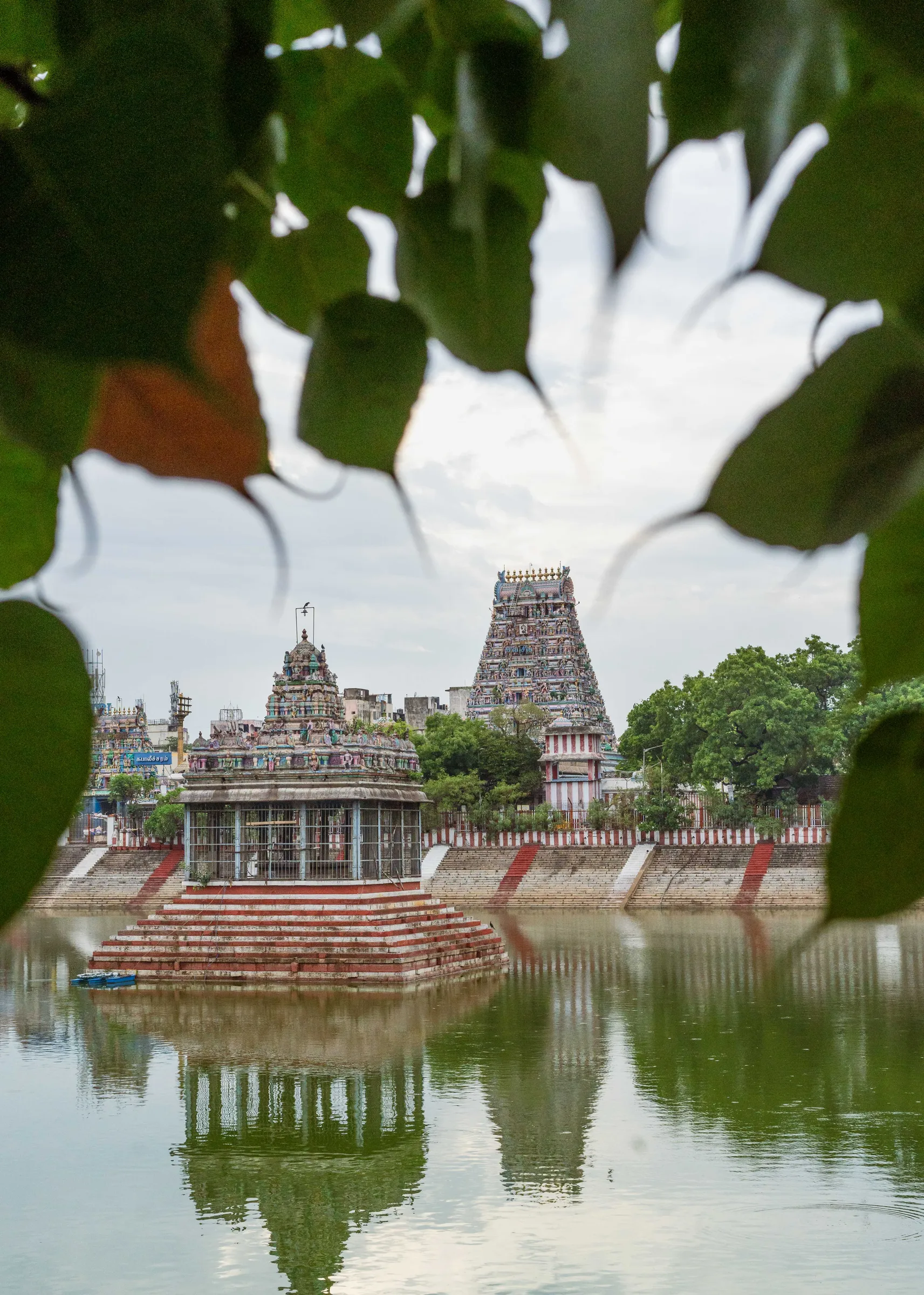
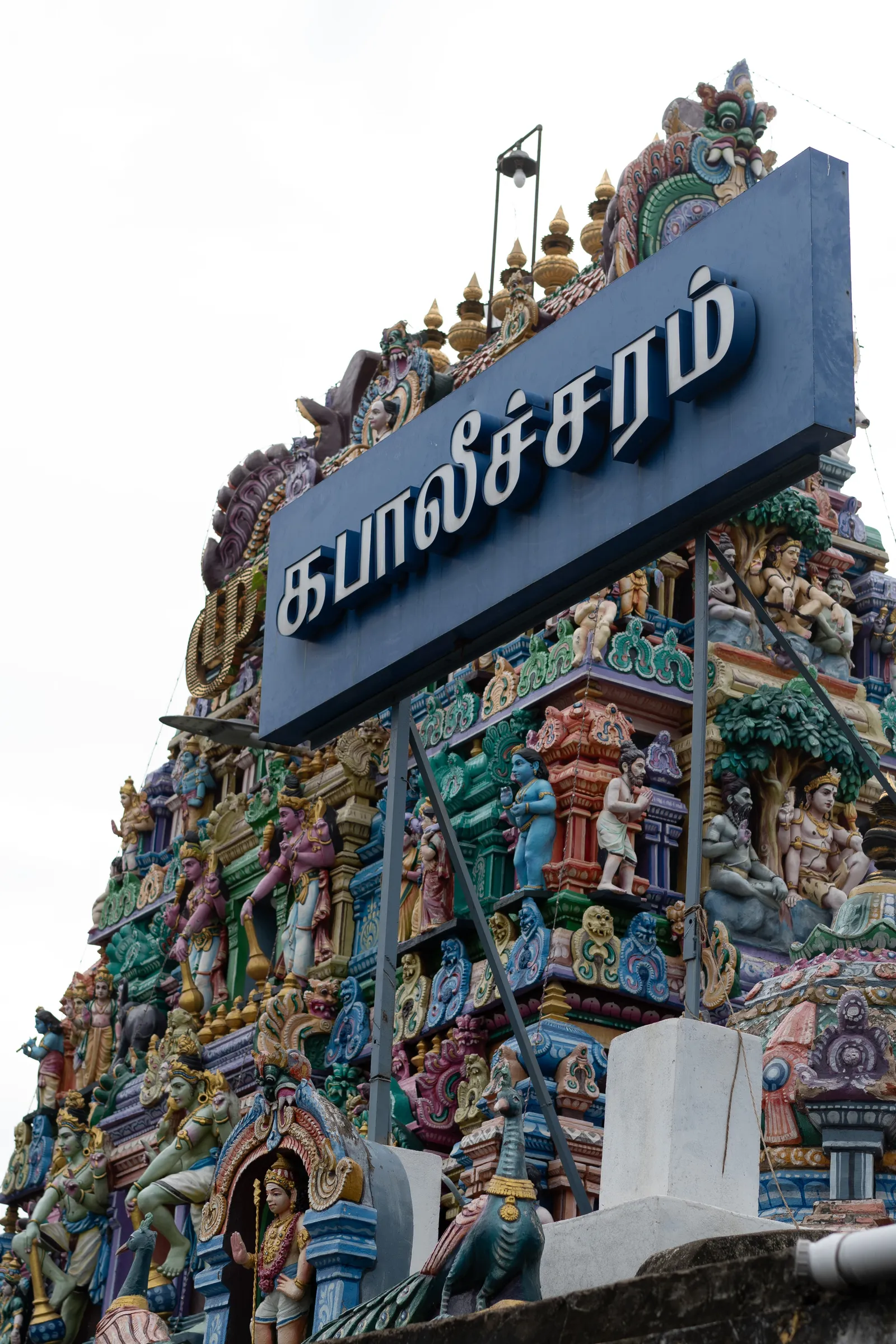
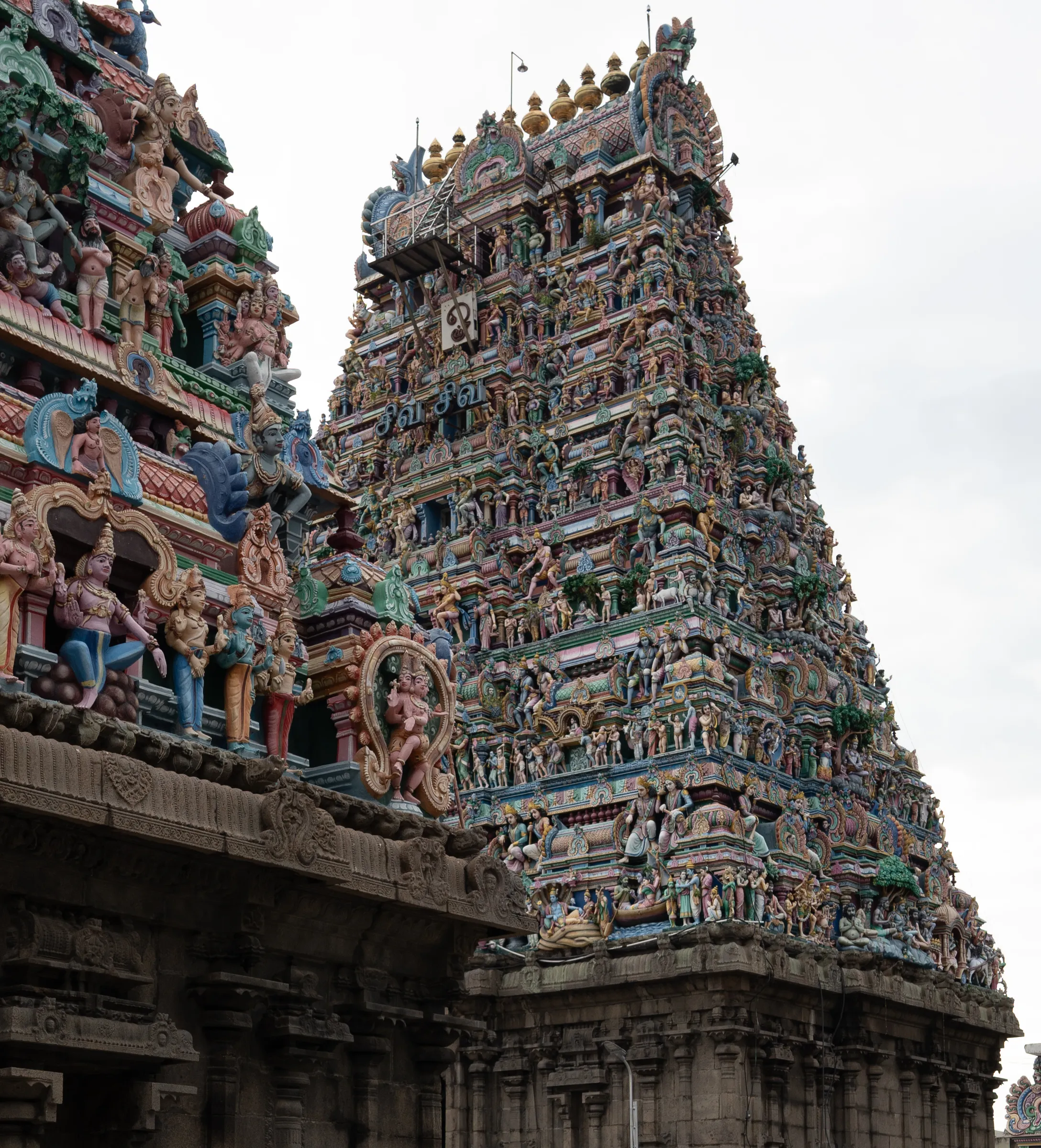
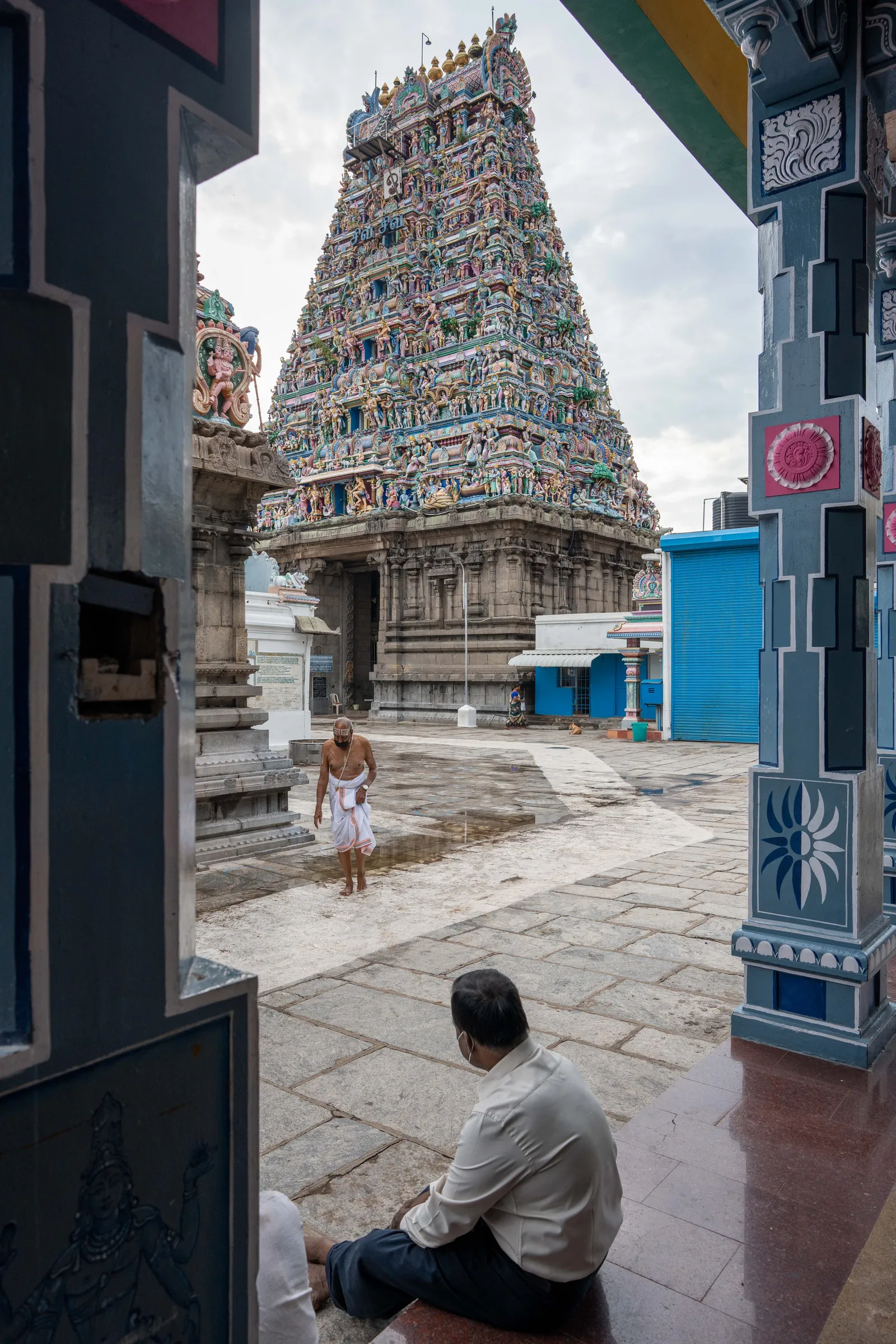
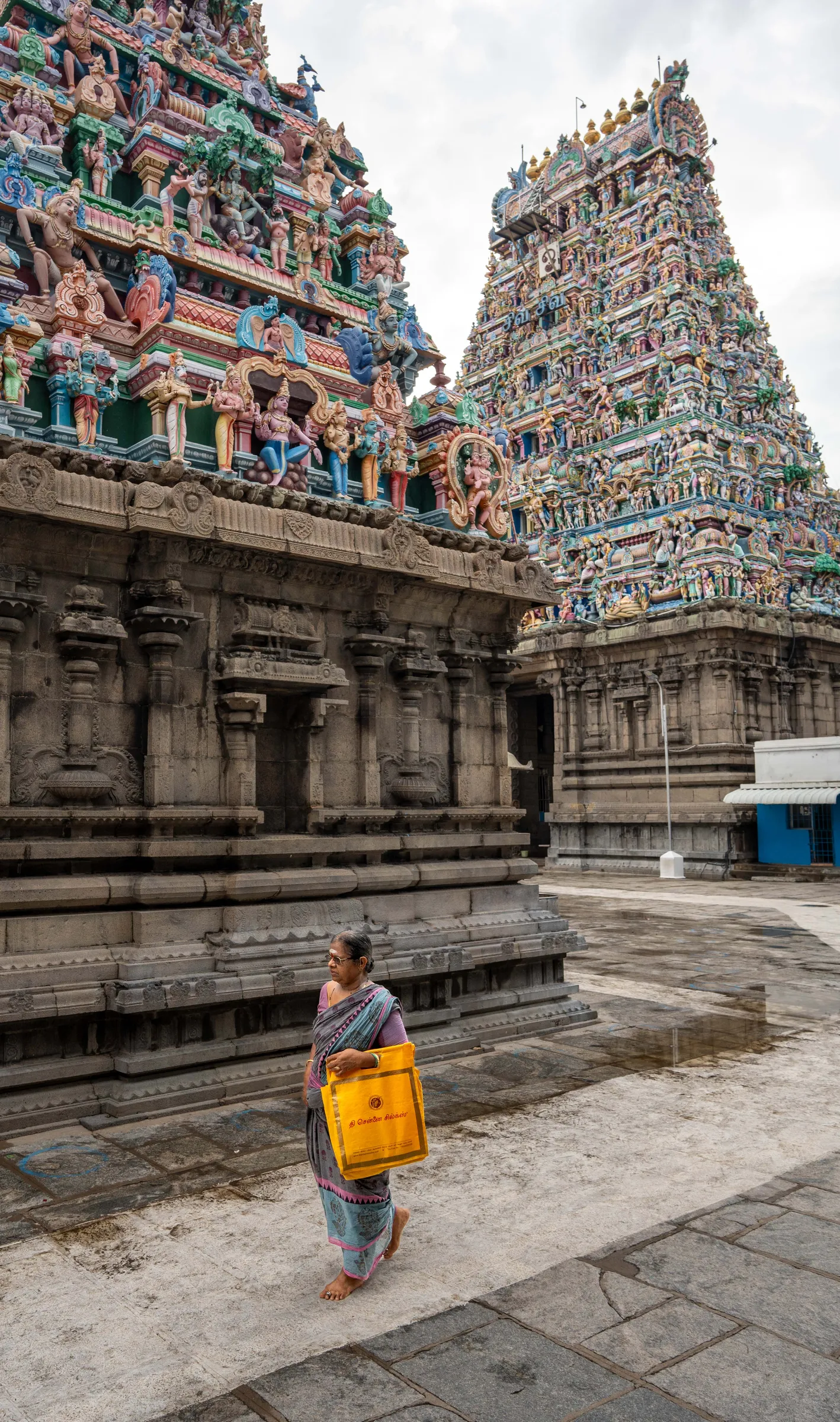
The presiding deity is Kapaleeswar and his consort is Karpagambigai. There are two temple towers: the one in the east is 40m tall, and the smaller west tower faces the tank. The tank has a granite Mandapa in the middle. The temple has shrines for Ganesha, Subramanya and other deities, with many mandapas, and the carved pillars and idols are finely sculpted.

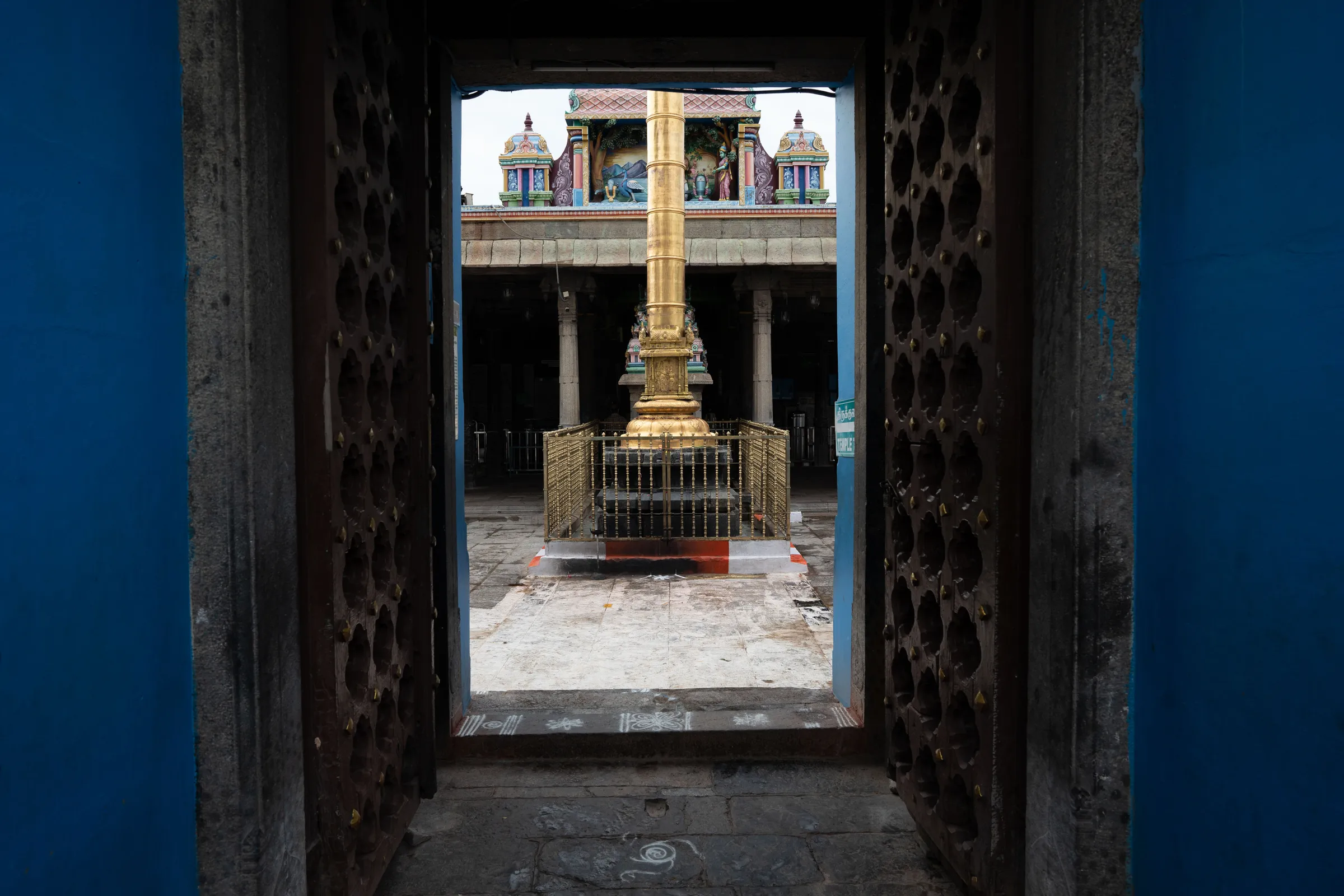
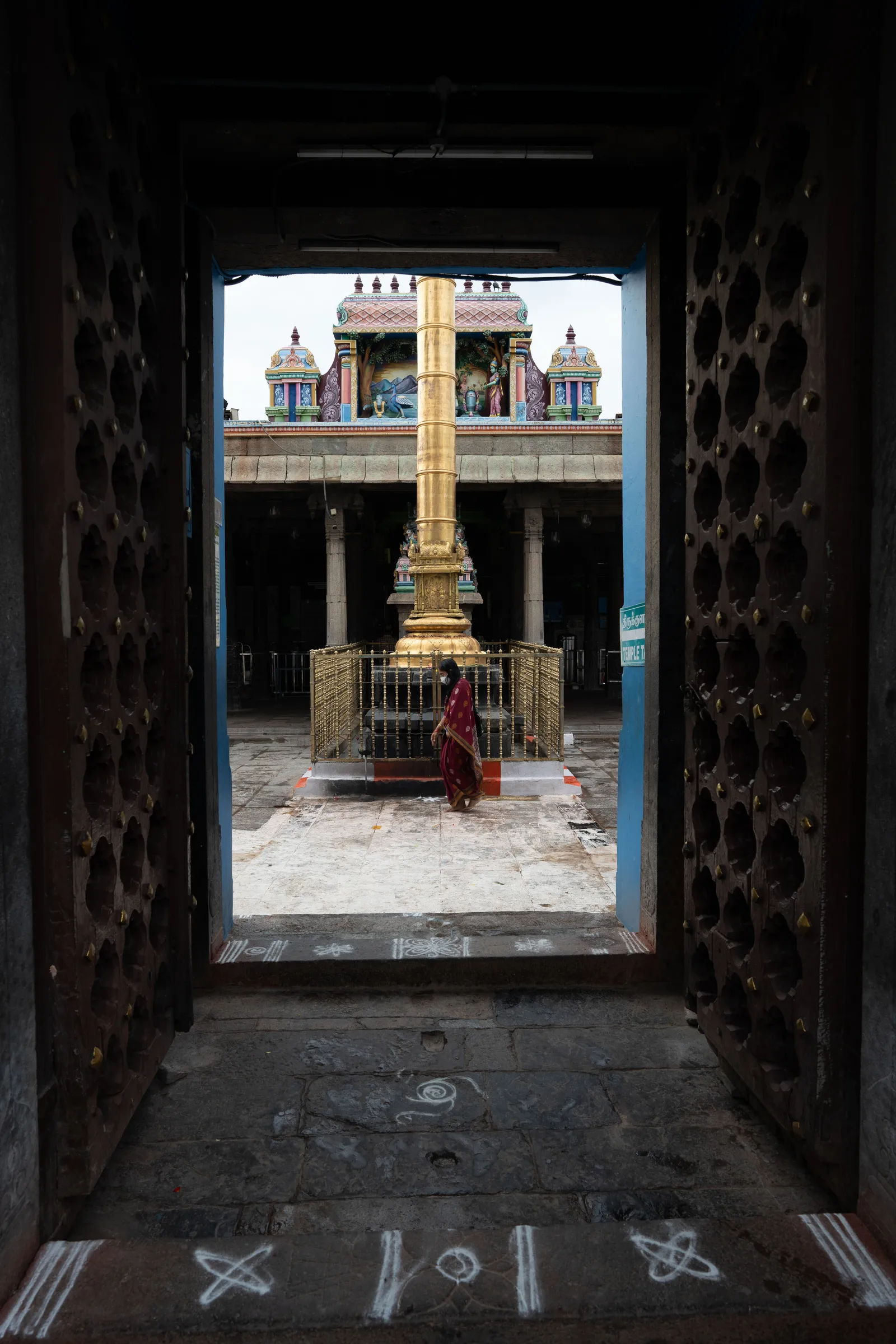
The vahanas, or vehicles, are the peacock, Adhikara Nandi, parrot, Rishaba and elephant, and the temple also has a golden chariot. The annual Brahmotsavam in the Panguni month is grand, and the Arupathumoovar festival on the eighth day draws many devotees, when the 63 Nayanmars follow Kapaleeswar and Karpagambigai around the temple. During the car festival Kapaleeswar is seated with a bow and Karpagambigai is seated beside him. The three-day float festival is also well known.

02

Archaeological

dated & cited

Many believe the current Kapaleeswar temple is the same Paadal Petra Sthalam praised by the Nayanmars. Archaeological findings suggest the Portuguese must have erased the ancient temple, after which a new one was built at the present location, away from the sea. The alternative view that the sea encroached on it is held not to be tenable, since there should have been some reference to a tsunami-like event capable of devouring the massive structure.

Mutthiappa Mudaliyar rebuilt the temple. The tank was built on land donated by the Arcot Nawab, some 300 years ago. San Thome church was built on the site of the original Kapali temple, as deduced from certain findings. In 1923, an excavation found a stone slab, an endowment for burning an oil lamp in the shrine of Kuttaduvar (Nataraja). In 1921 Father Hosten found a slab near the cathedral with Sanskrit inscriptions, and slender pillars with Hindu carvings and a broken idol of Subramanya leaning on a peacock found in the excavation are now in the church museum.

Dating

Current temple is a later rebuild by Mutthiappa Mudaliyar at the present location; the tank built on land donated by the Arcot Nawab about 300 years ago.

03

Mythological

as transmitted

Mylapore, once called Vedapuri, was probably its oldest settlement, and as the name Mylapore (an area of peacocks) suggests, legend has it that Parvathi took the form of a peacock and worshipped Śiva here. Poet Tiruvalluvar is said to have been born in Mylapore. The Thevaram trio of the 7th to 8th centuries CE sang about Mylapore, and Sambandar sang the Poompavai Padikam here and resurrected her.

An inscription from the Chōḷa times mentions that the Devi in the temple was then called Poompavai, after the incident when Sambandar brought her back to life. Ptolemy, the Greek writer of 90 to 168 CE, called Mylapore Millarpha in his books, when it was a bustling port. The terms Mylai, Tirumylappil and Tirumayilapuri are used across later works by Nandikalambakam, Kalingathuparani, Arungiribathar, Appar and Sekkizhar.

Register interest in prints Buy the book
Improve this entry

This is an open, reviewed record. If you have spotted an error or have something to add — a correction, a date, a source, a name in another script — propose it. Every change is reviewed before it joins the record.

“Suggest an edit” opens this entry on GitHub and turns your change into a pull request. “Share feedback” opens a short form. Both go through review.