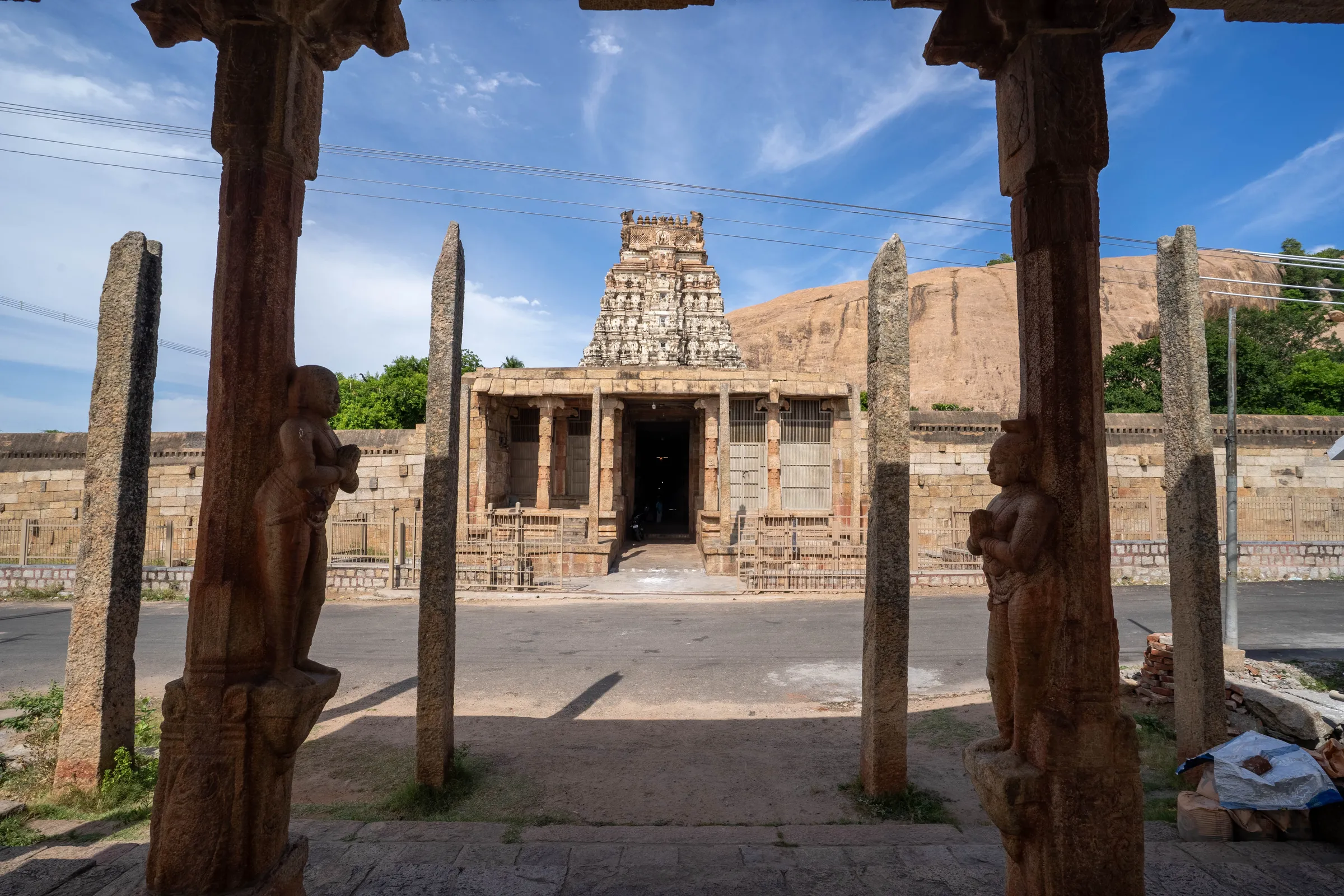
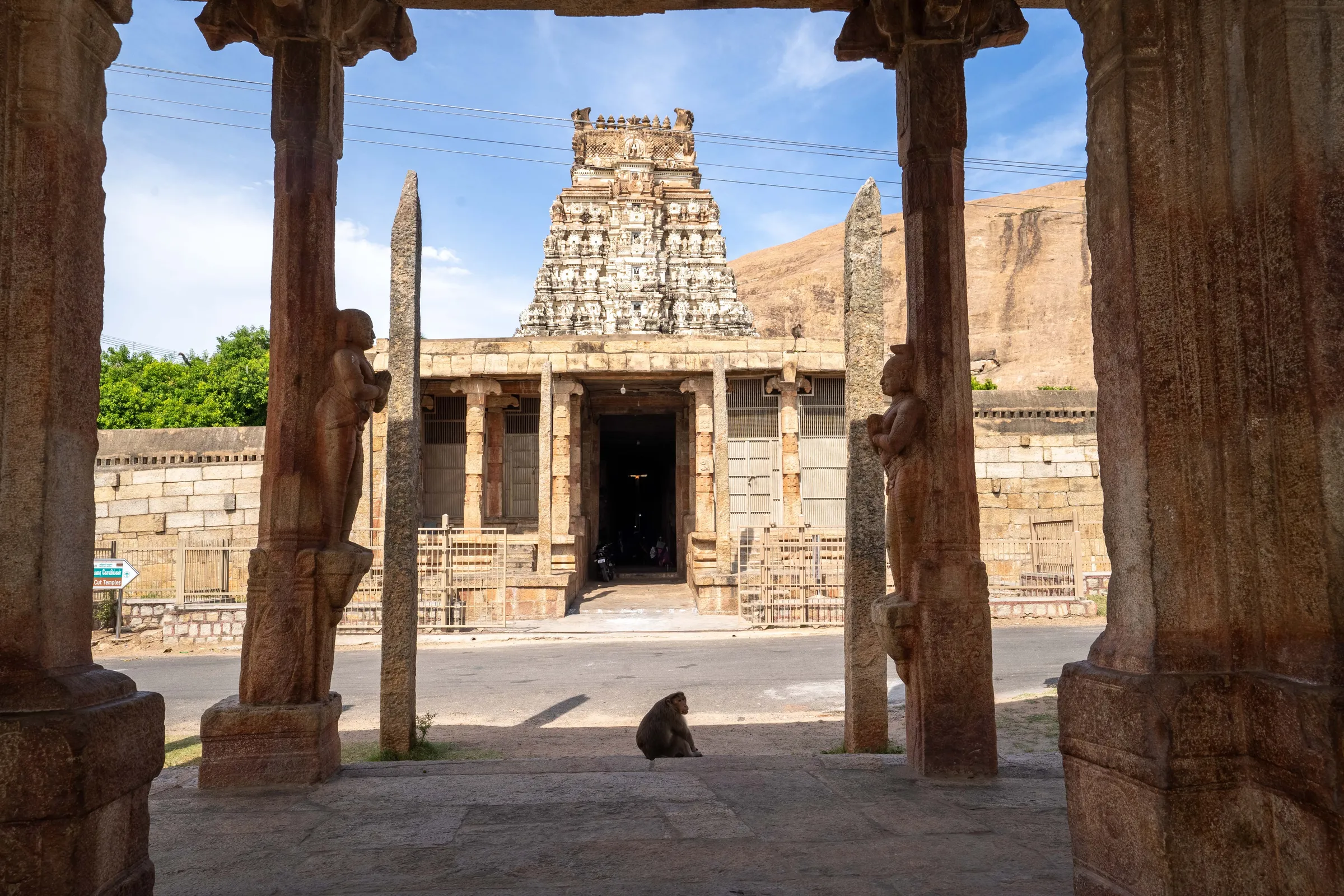
Kuduminatha Temple, photograph
← Pandya Nadu
Entry 076

Kuduminatha Temple

Kudumiyanmalai · Pudukkottai · Pandya, Chola and Pudukkottai patronage

A grand complex of Śiva temples at Kudumiyanmalai near Pudukkottai, joining an 8th-century rock-cut cave to a large structural temple, and celebrated for an early inscription of musical notes set down as lessons for the Yazh.

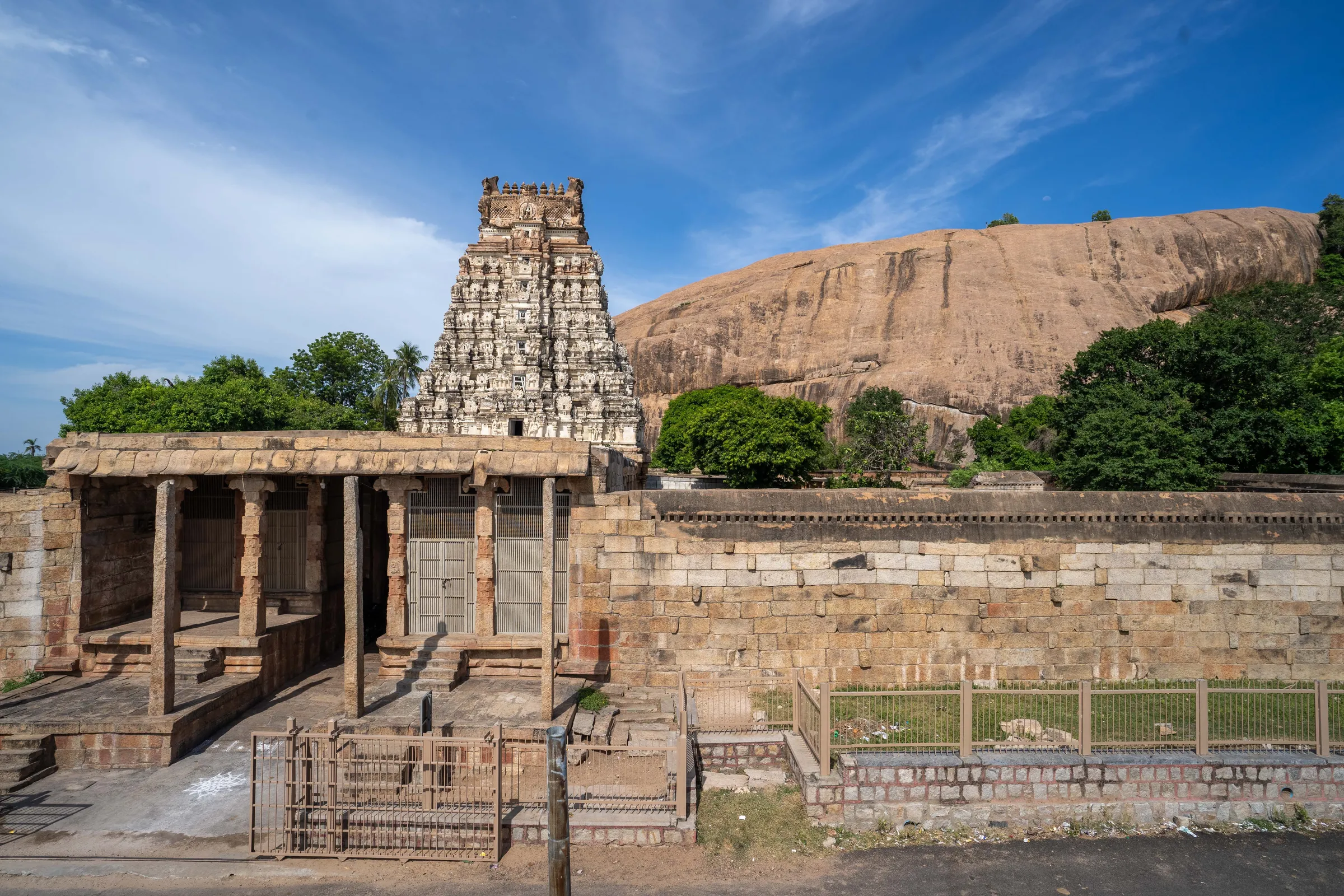
A grand complex of Śiva temples at Kudumiyanmalai, about 17 kilometres from Pudukkottai. An early 8th-century rock-cut cave adjoins a large structural temple of Kuduminathar, and the site is best known for an early inscription of musical notes, set down as lessons for the Yazh.

The photographs

Plates · 10

Kuduminatha Temple, photograph
© Sai Sanjay Prasath · All rights reserved
Kuduminatha Temple, photograph
© Sai Sanjay Prasath · All rights reserved
Kuduminatha Temple, photograph
© Sai Sanjay Prasath · All rights reserved
Kuduminatha Temple, photograph
© Sai Sanjay Prasath · All rights reserved
Kuduminatha Temple, photograph
© Sai Sanjay Prasath · All rights reserved
Kuduminatha Temple, photograph
© Sai Sanjay Prasath · All rights reserved
Kuduminatha Temple, photograph
© Sai Sanjay Prasath · All rights reserved
Kuduminatha Temple, photograph
© Sai Sanjay Prasath · All rights reserved
Kuduminatha Temple, photograph
© Sai Sanjay Prasath · All rights reserved
01

Architectural

structure & vocabulary

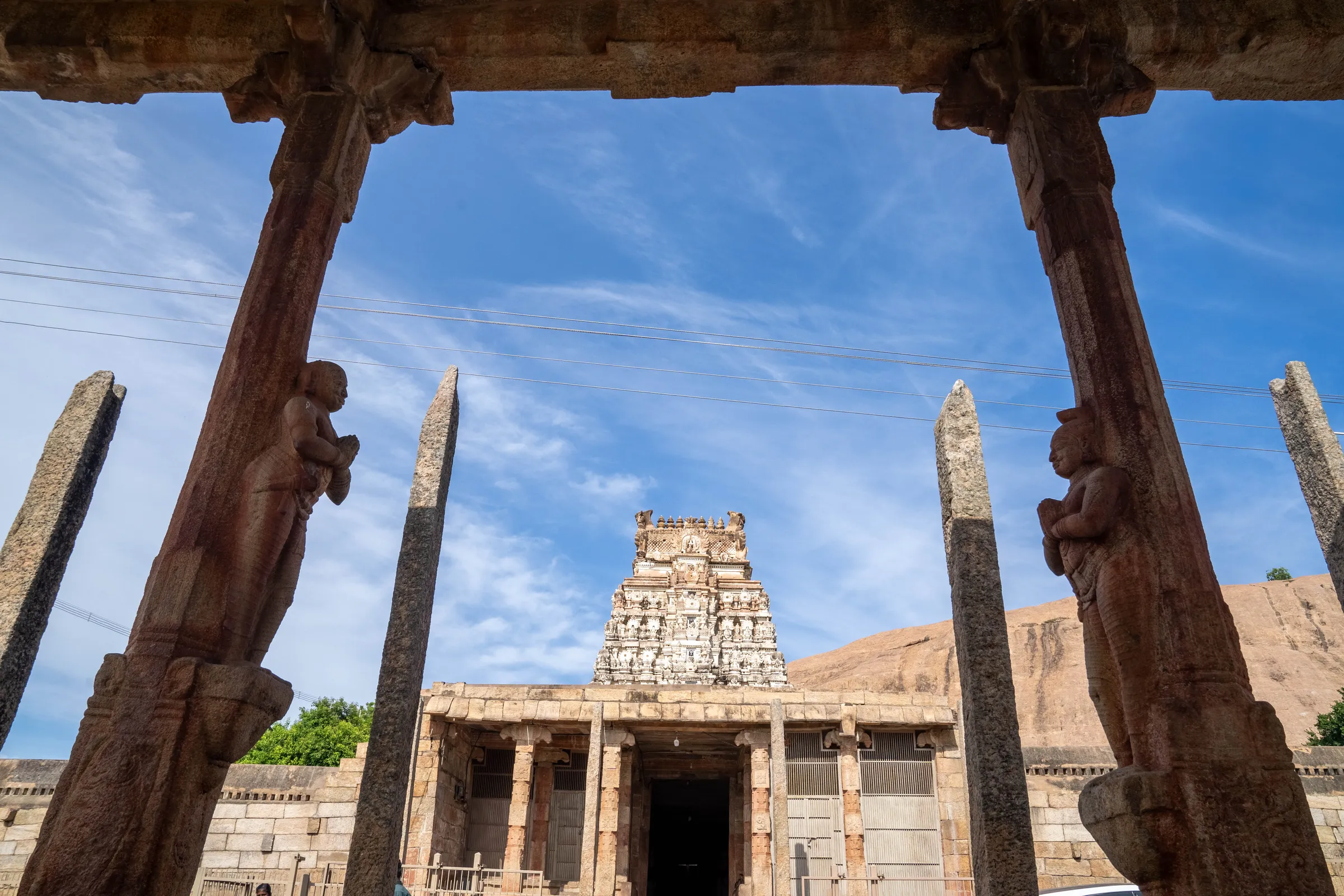
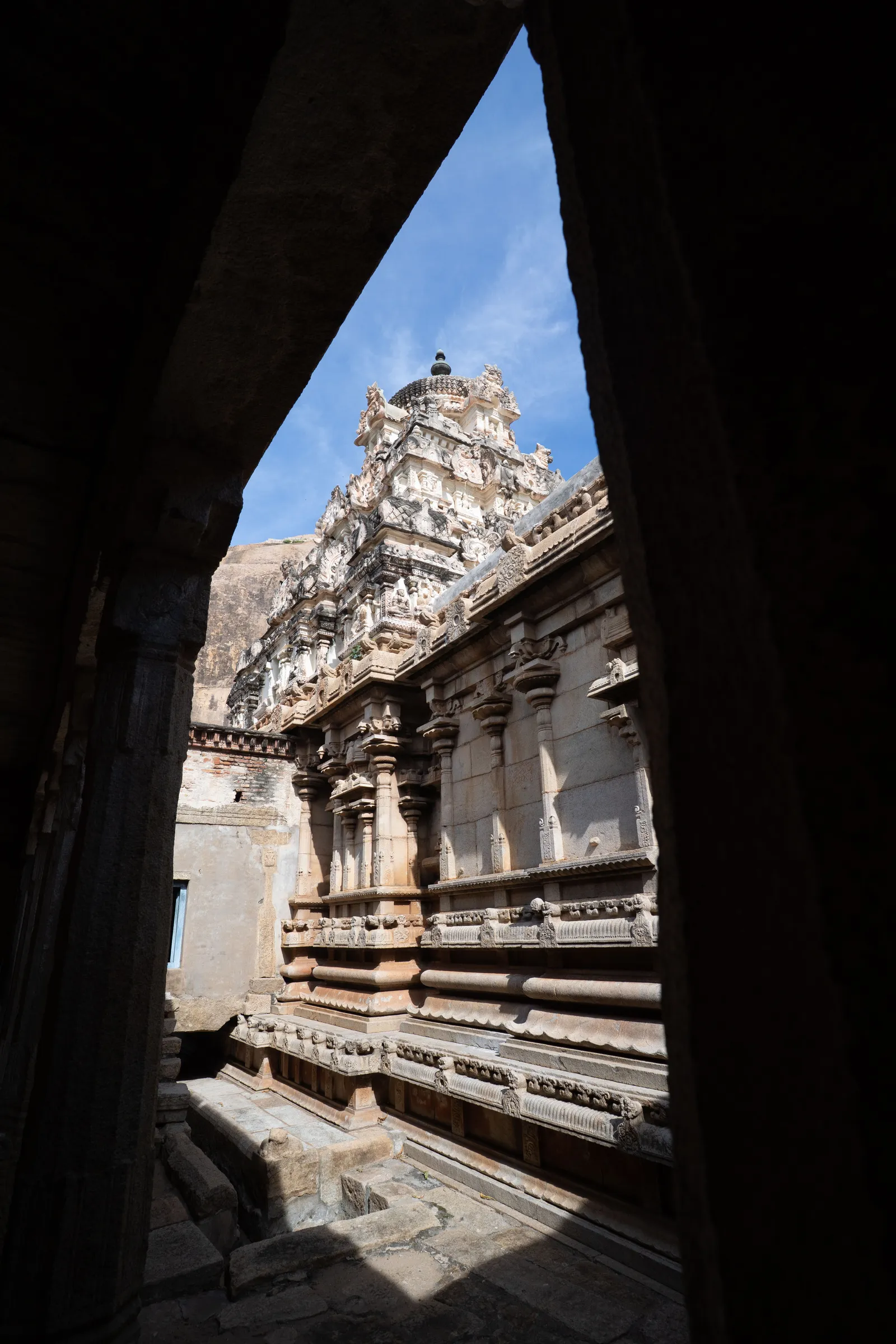
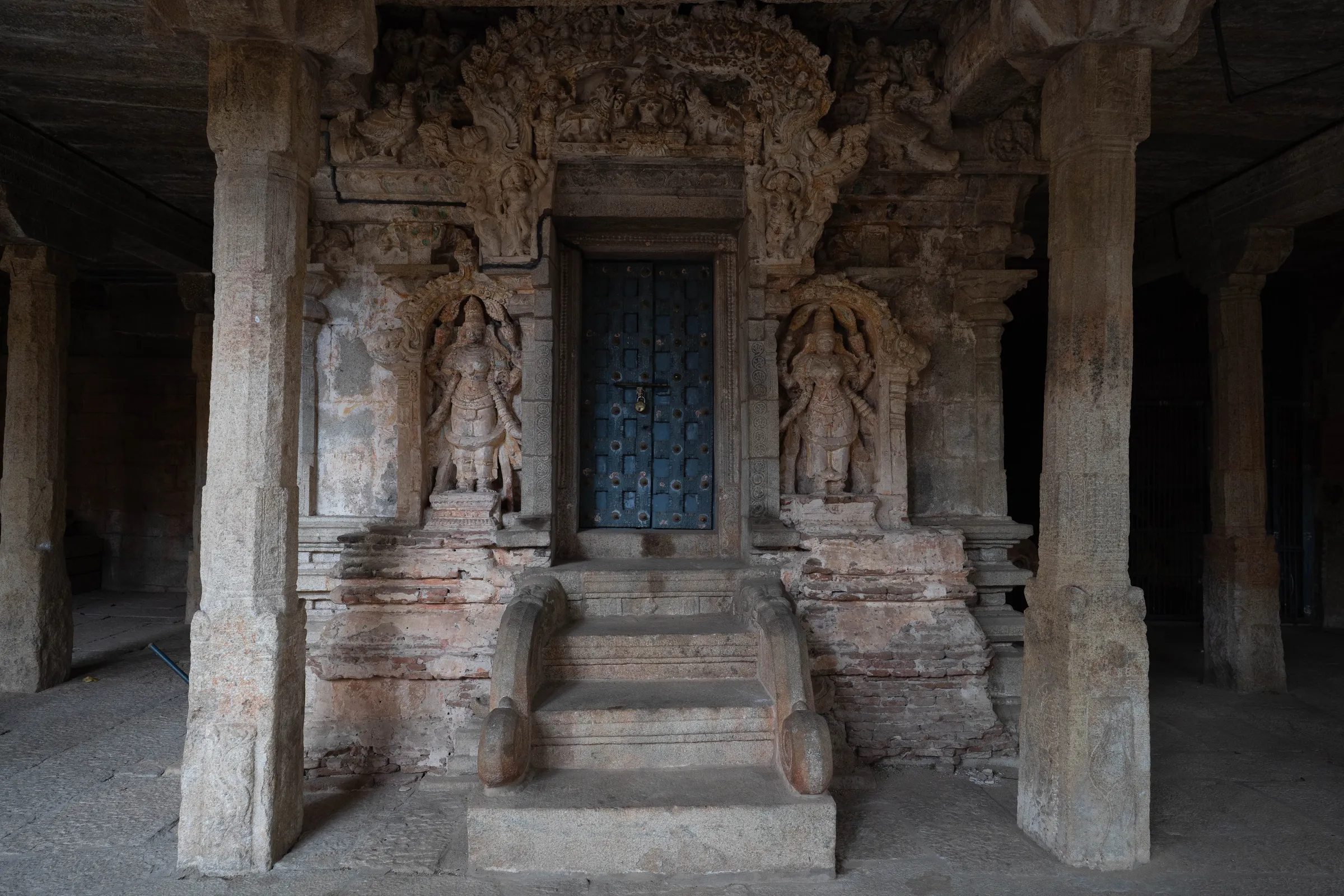
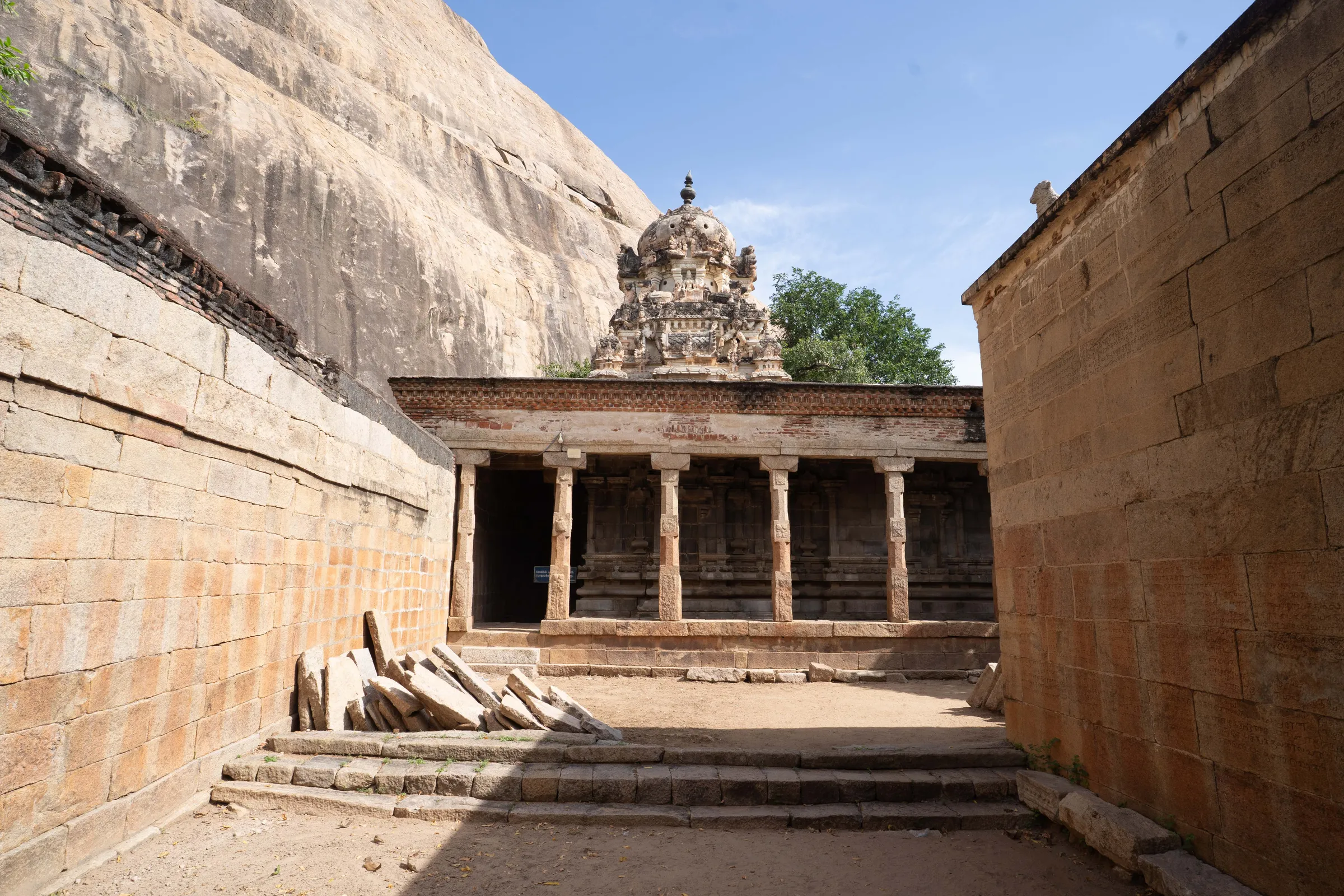
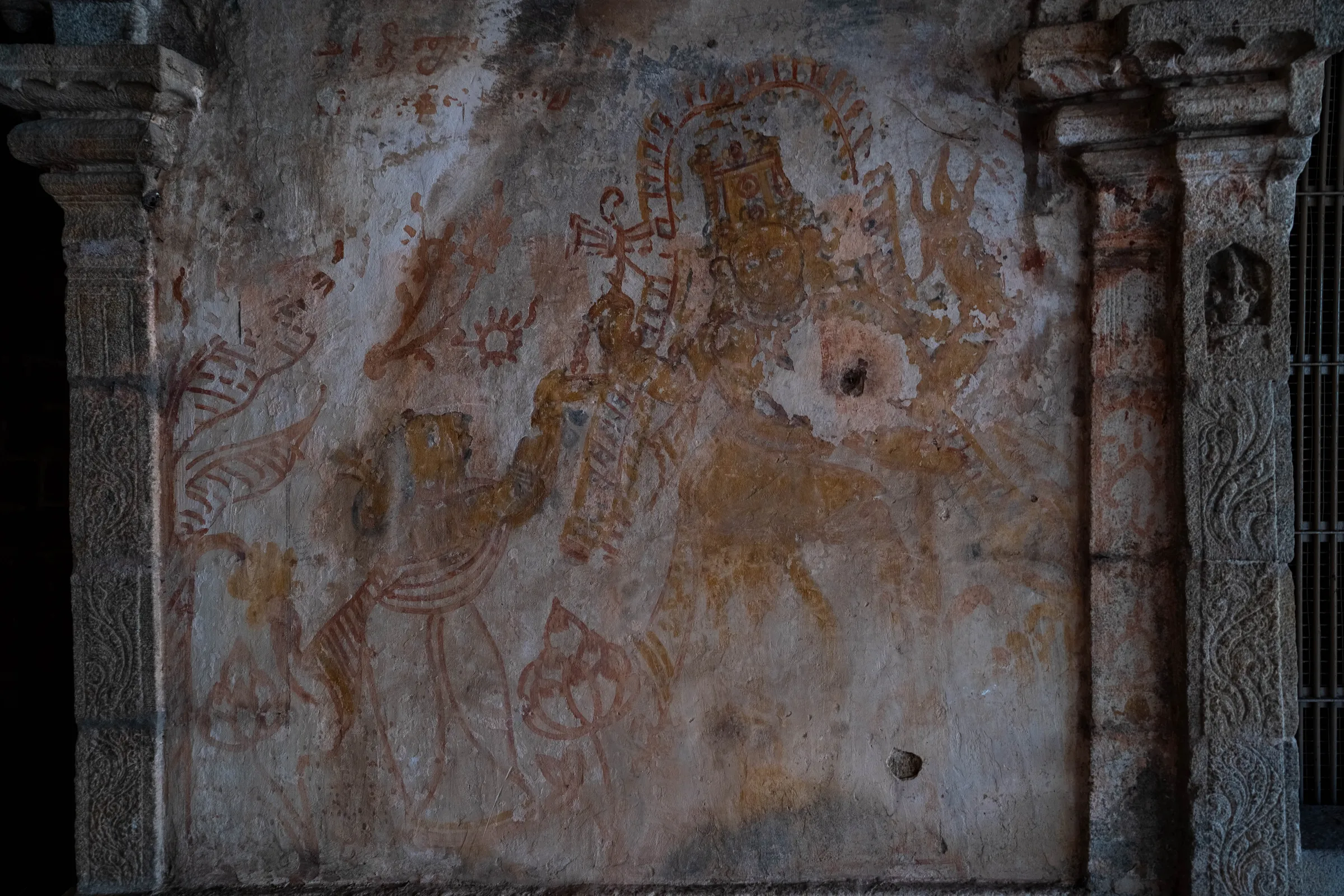
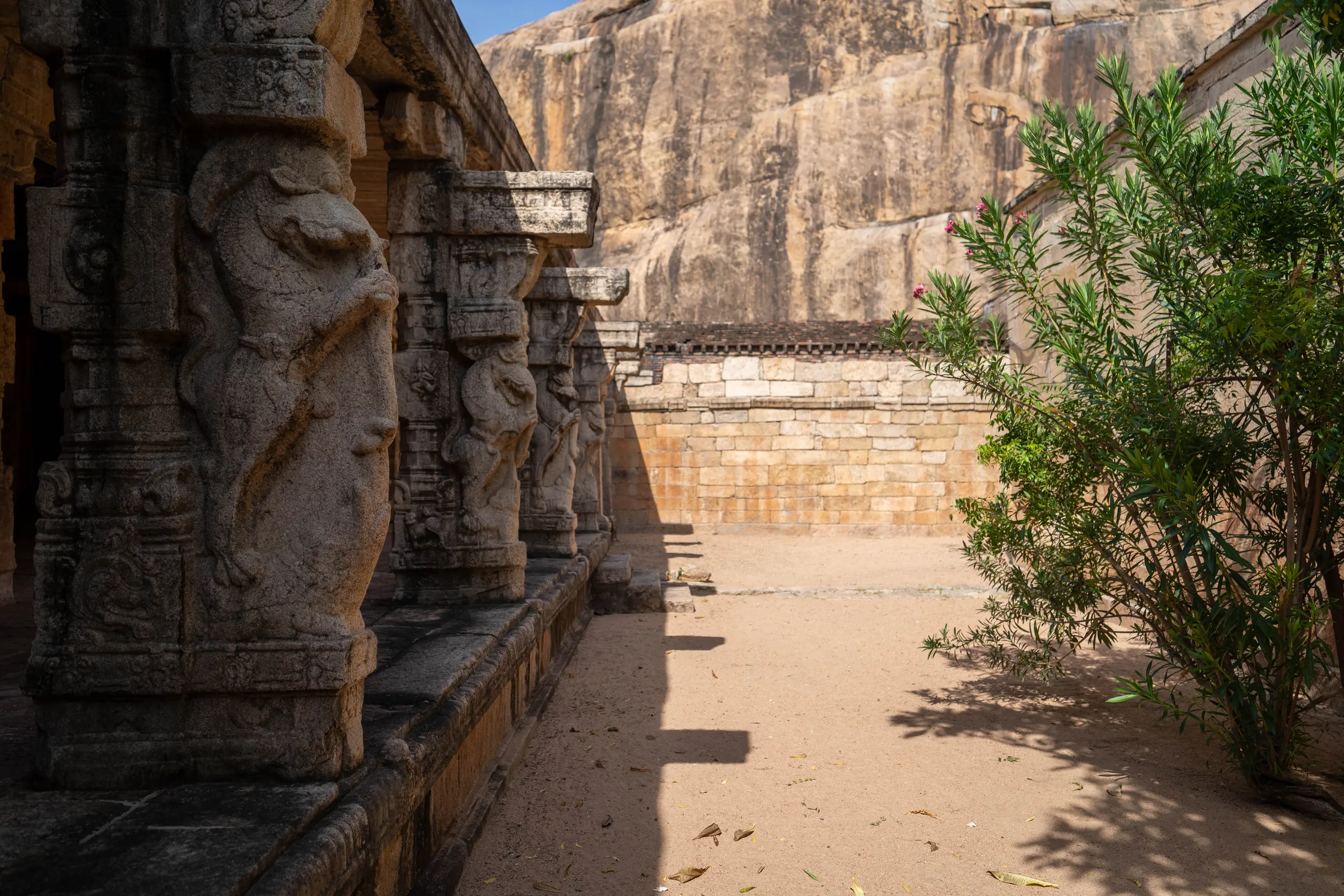
At the base of the hill stand two Śiva temples, an 8th-century rock-cut cave and the grand structural Kuduminathar temple, with a Murugan temple on the hill above. Entering the main temple and going to the back, adjoining the rocky hill, one reaches the cave temple, called Tiru Mulasthanam, where every part is cut from the same bedrock in perfect symmetry, even the last step shaped like a half-moon. On the left before it is an ancient Ganesha carved into the rock beside a neatly aligned inscription, and an early Ganesha with door guardians is cut on the wall.

The main deity is Kuduminathar, the Śiva linga carrying a tuft-like projection at its top. The Devi shrine for Soundarya Nayaki was erected by Nachi, daughter of the temple-dancer Thukkaiandi, in the 11th century. Adjacent to the Goddess shrine is an octagonal single stone set in the floor, where the Pudukkottai kings used to be crowned.

The Vasanta Mandapa and the thousand-pillar hall hold large sculptures, among them Ravana, Aghora Veerabhadra, Narasimha and Kannappa Nayanar. The Hanumanadi mandapa at the entrance carries the ten avatars of Vishnu. Looking up to the hillock behind, one sees in several places a grand large carving of all 68 Nayanmars, the Shaiva saints, a representation the book calls one of a kind.

02

Archaeological

dated & cited

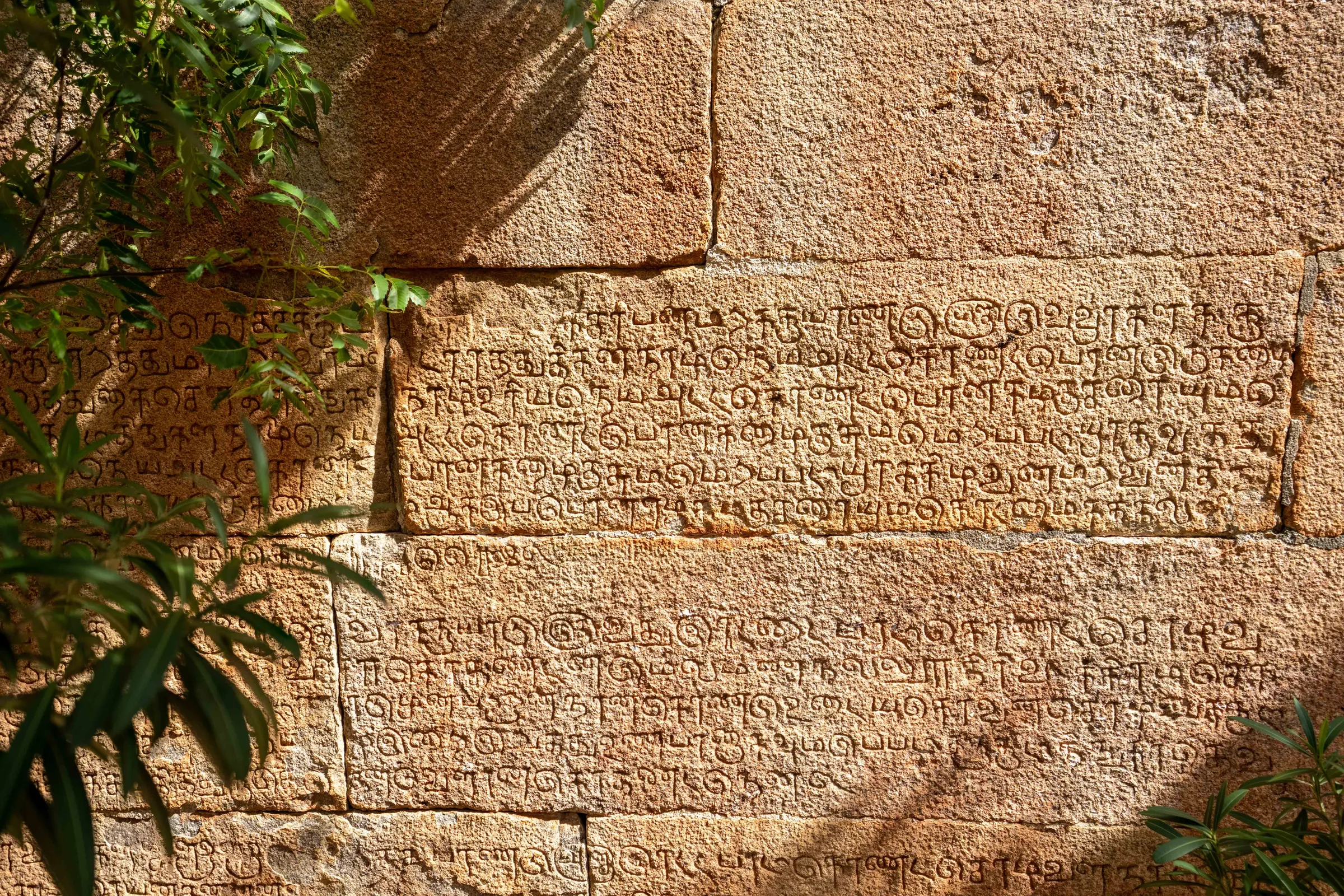
An inscription from the 2nd century CE suggests the place was also sacred to the Jains. The cave temple is from the early 8th century, made by an unknown Pandya king, with the pillared front portion added in the 12th century. The date of the main structural temple is unknown, but it is very large and carries almost 120 inscriptions from various kings of the Pandya, Chola and Pudukkottai royal families.

Near the cave Ganesha is a rare set of musical inscriptions, grouped notes that an inscription explains were made for the benefit of disciples by a king who was a devotee of Śiva and a disciple of Sukracharya; a label leads to the conclusion that they were lessons for the Yazh, a seven- or eight-stringed instrument, and in the nearby Śiva cave the word Parivadini, probably the name of the Yazh, is written in calligraphy within a box. Other inscriptions record the temple's dealings in land, gifts of land some in verse, and a few on crimes and punishment, and many were carefully recopied onto new walls when the old were damaged.

Dating
Begun8th century CE · cave temple

The adjoining cave temple is dated to the early 8th century, made by an unknown Pandya king; its pillared front portion was added in the 12th century. The date of the main structural Kuduminathar temple is unknown.

Register interest in prints Buy the book
Improve this entry

This is an open, reviewed record. If you have spotted an error or have something to add — a correction, a date, a source, a name in another script — propose it. Every change is reviewed before it joins the record.

“Suggest an edit” opens this entry on GitHub and turns your change into a pull request. “Share feedback” opens a short form. Both go through review.