Architectural
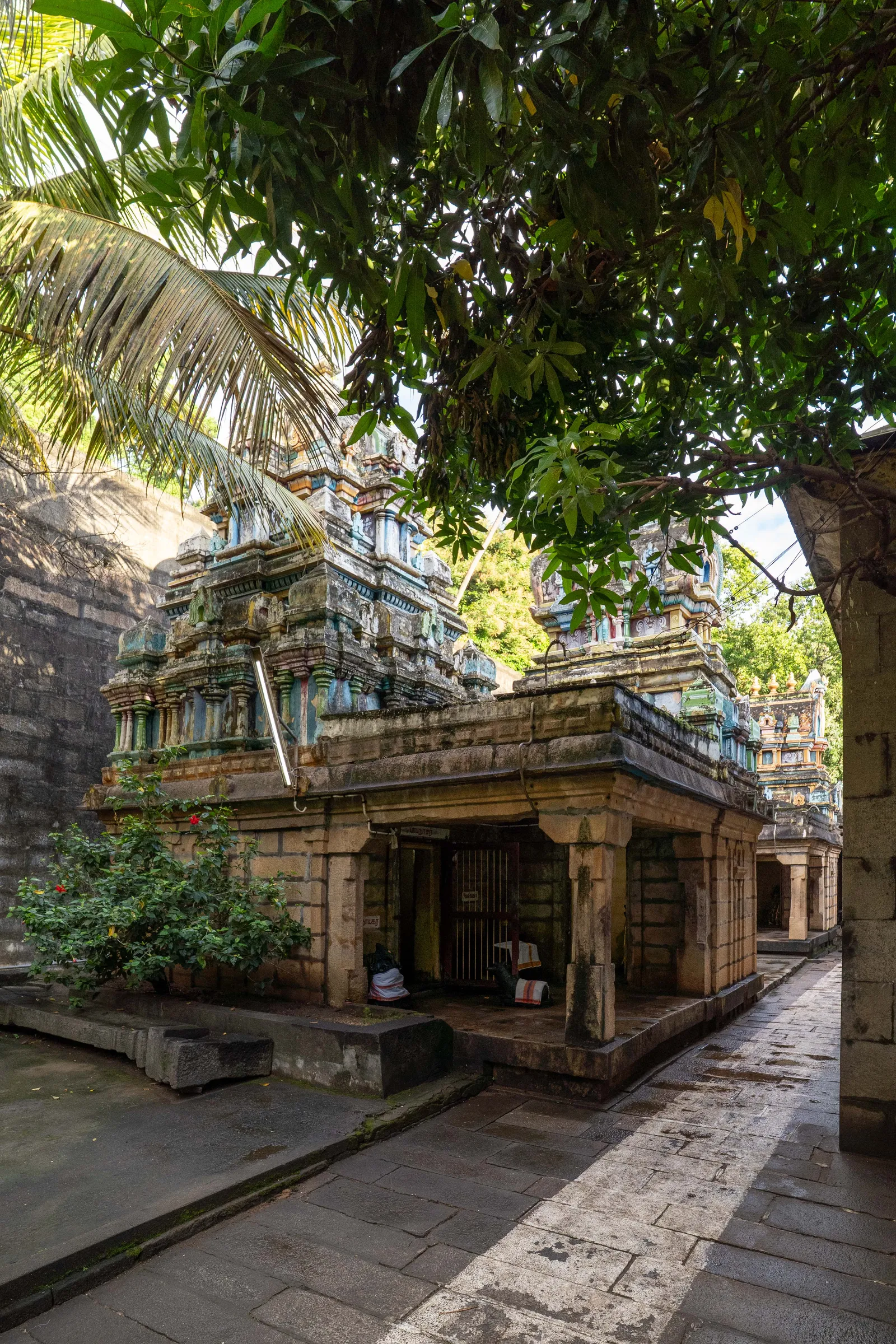
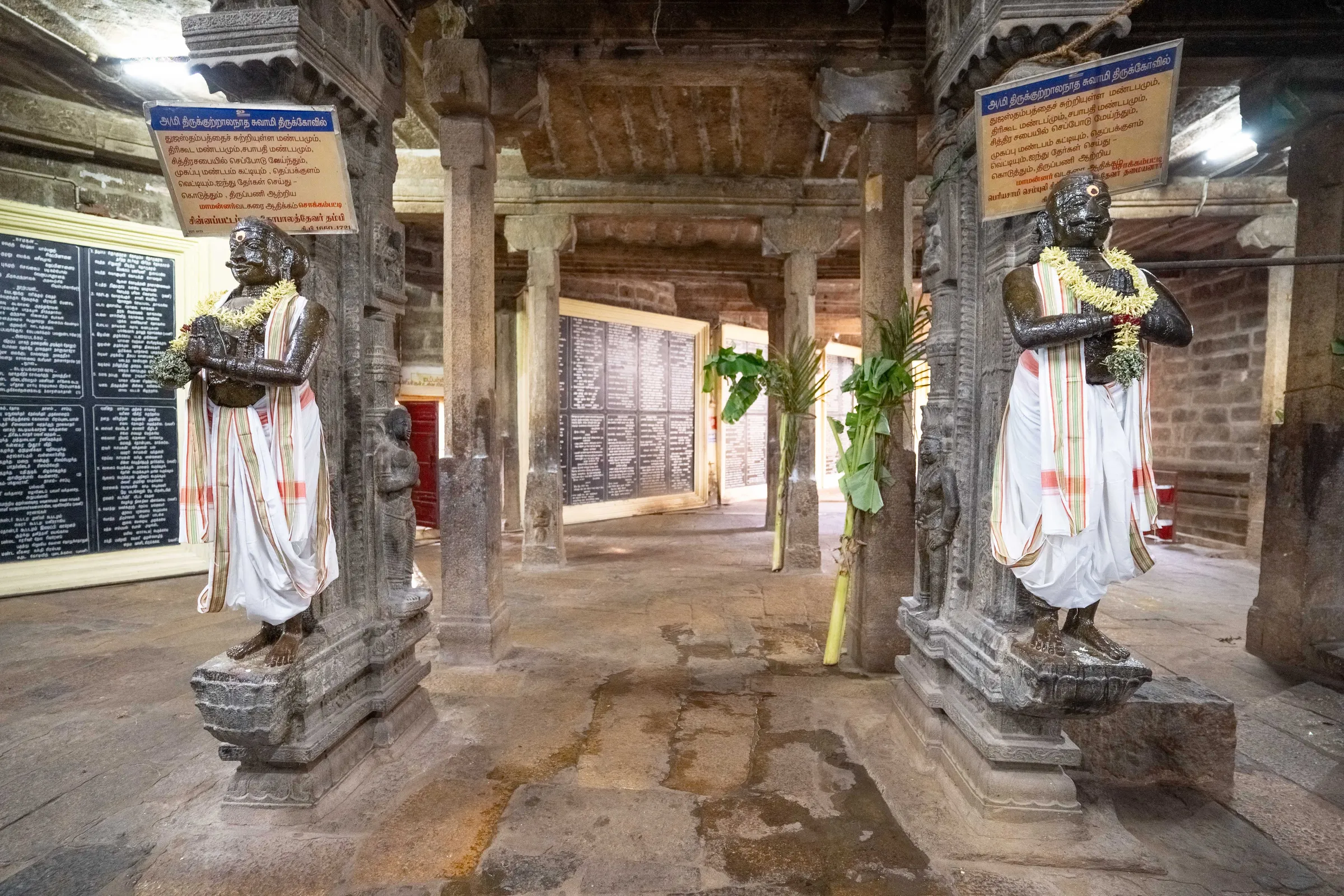
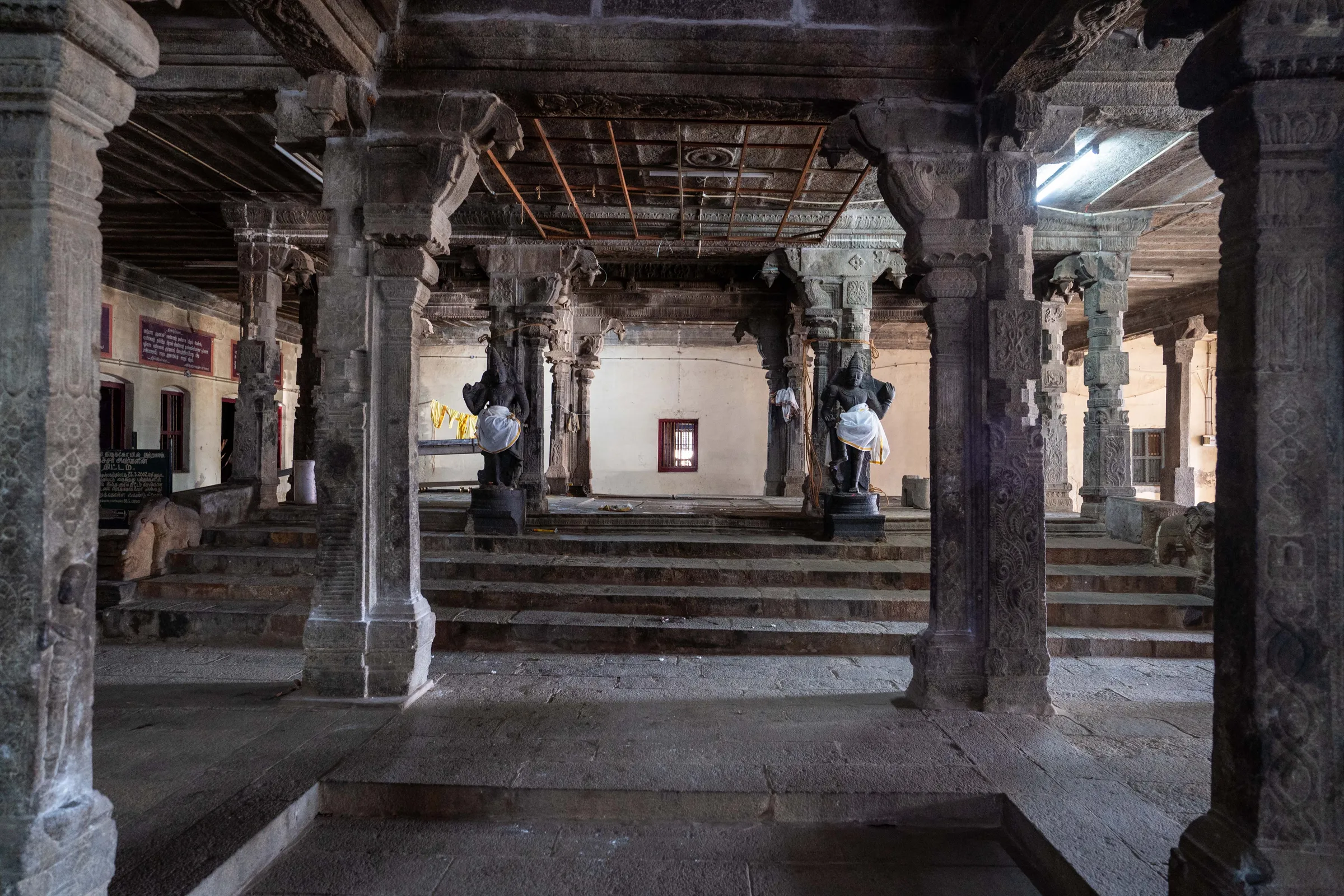
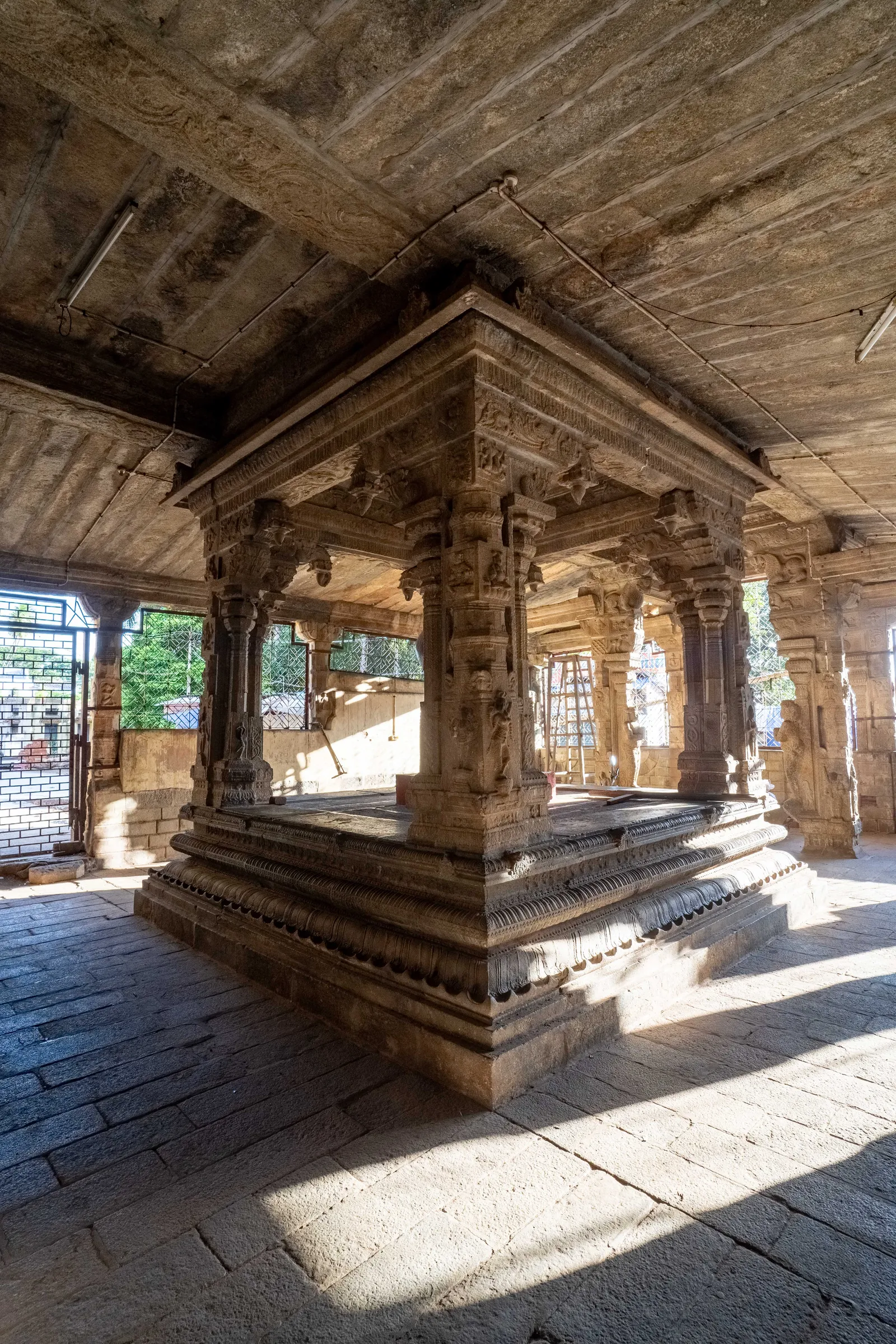
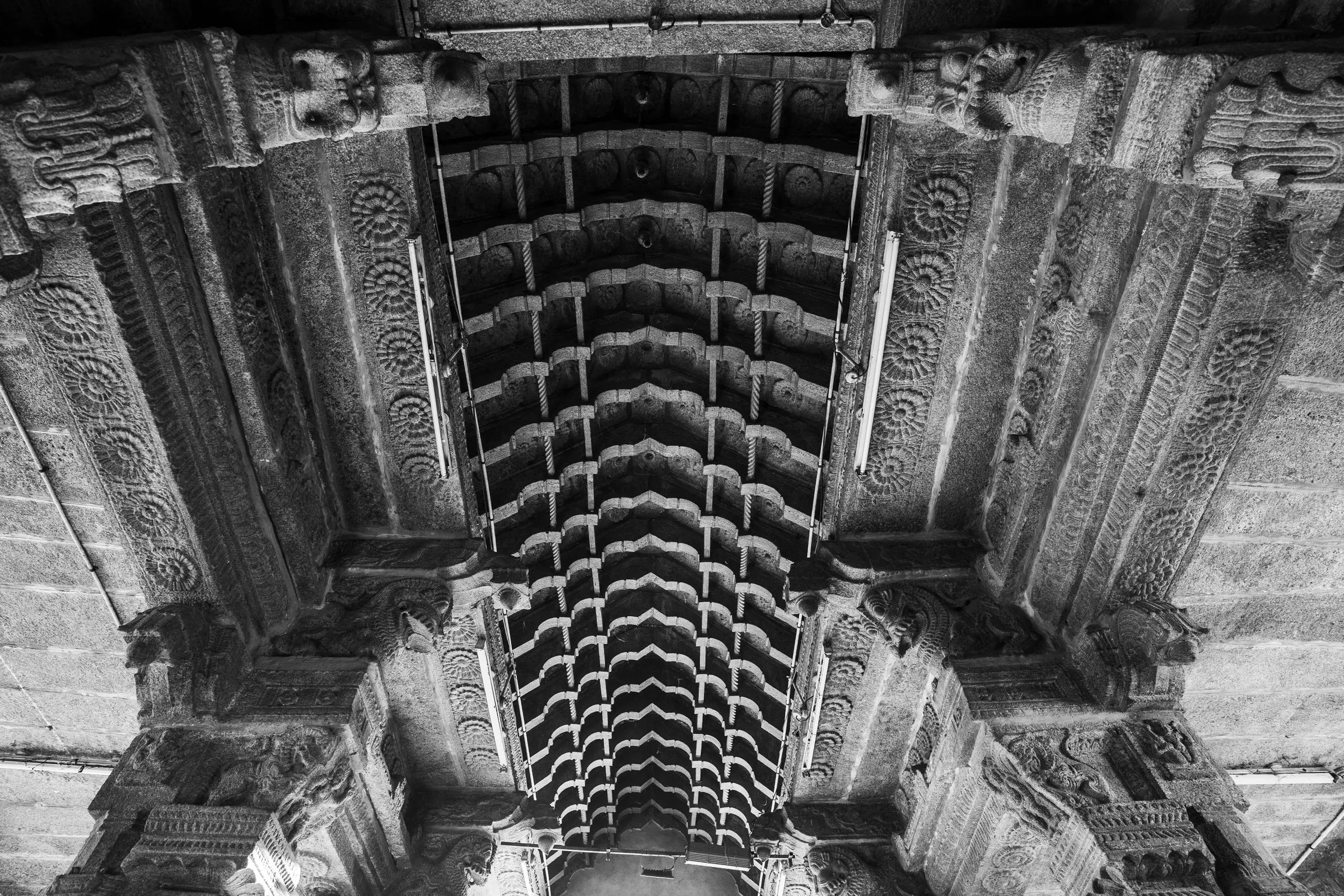
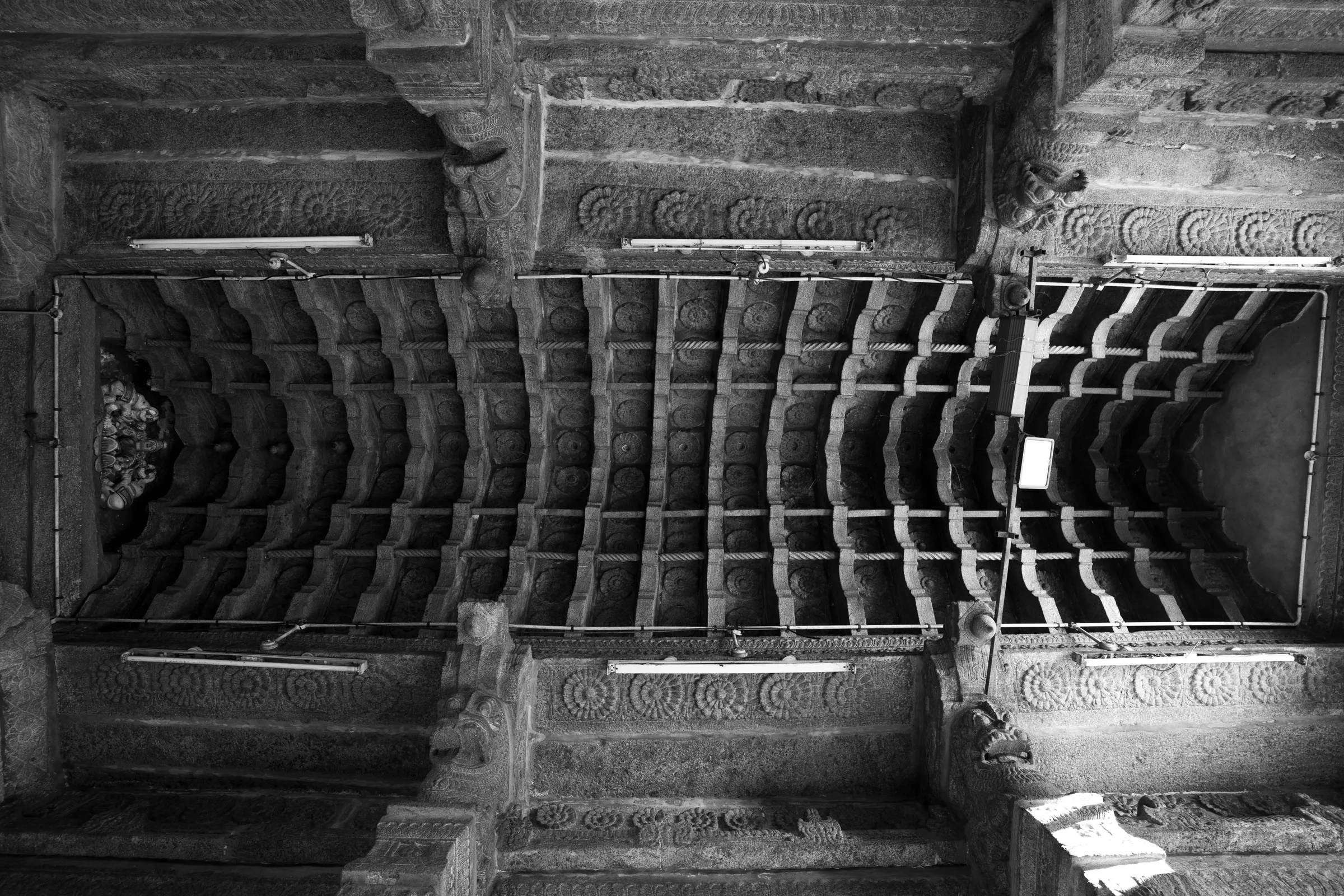
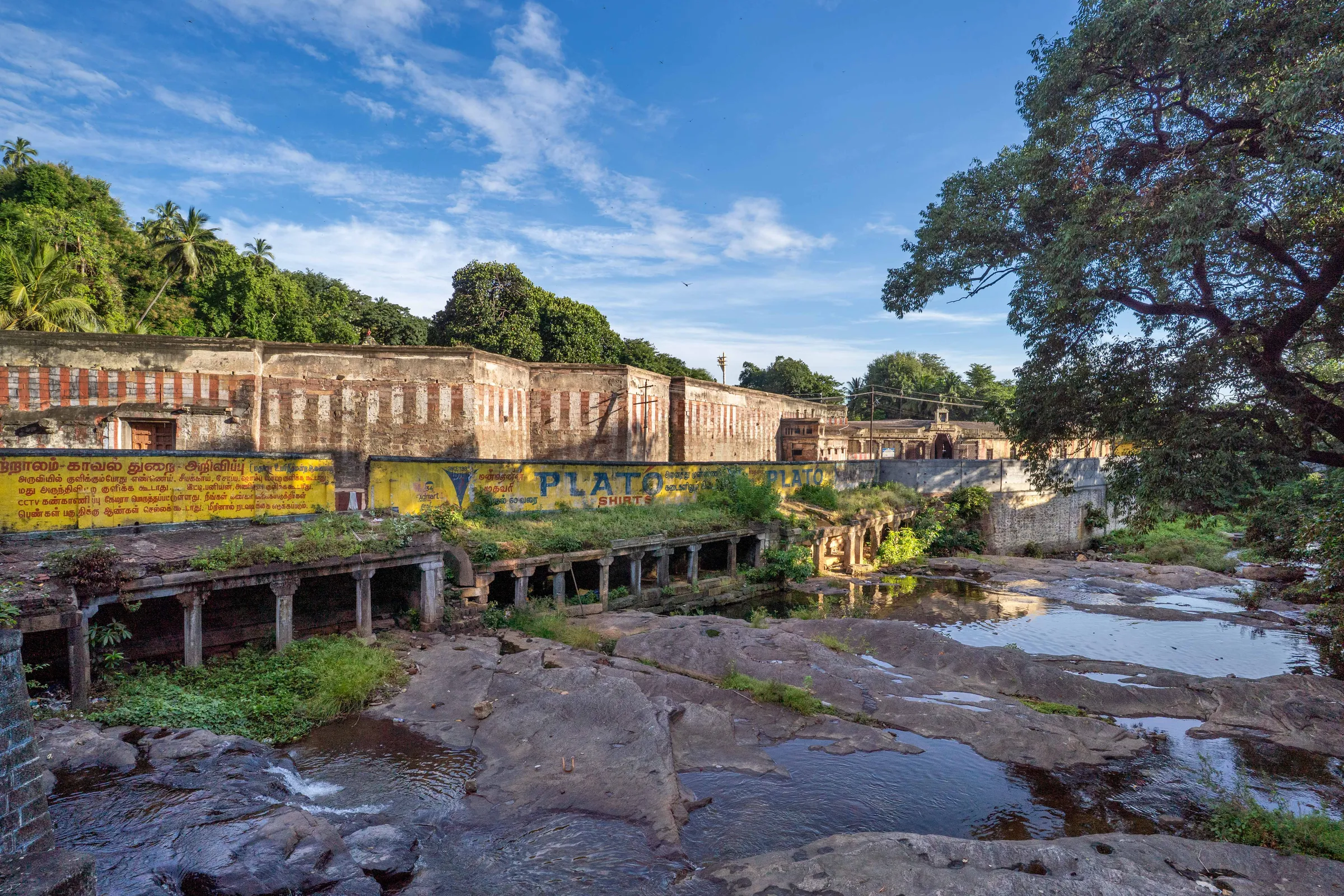
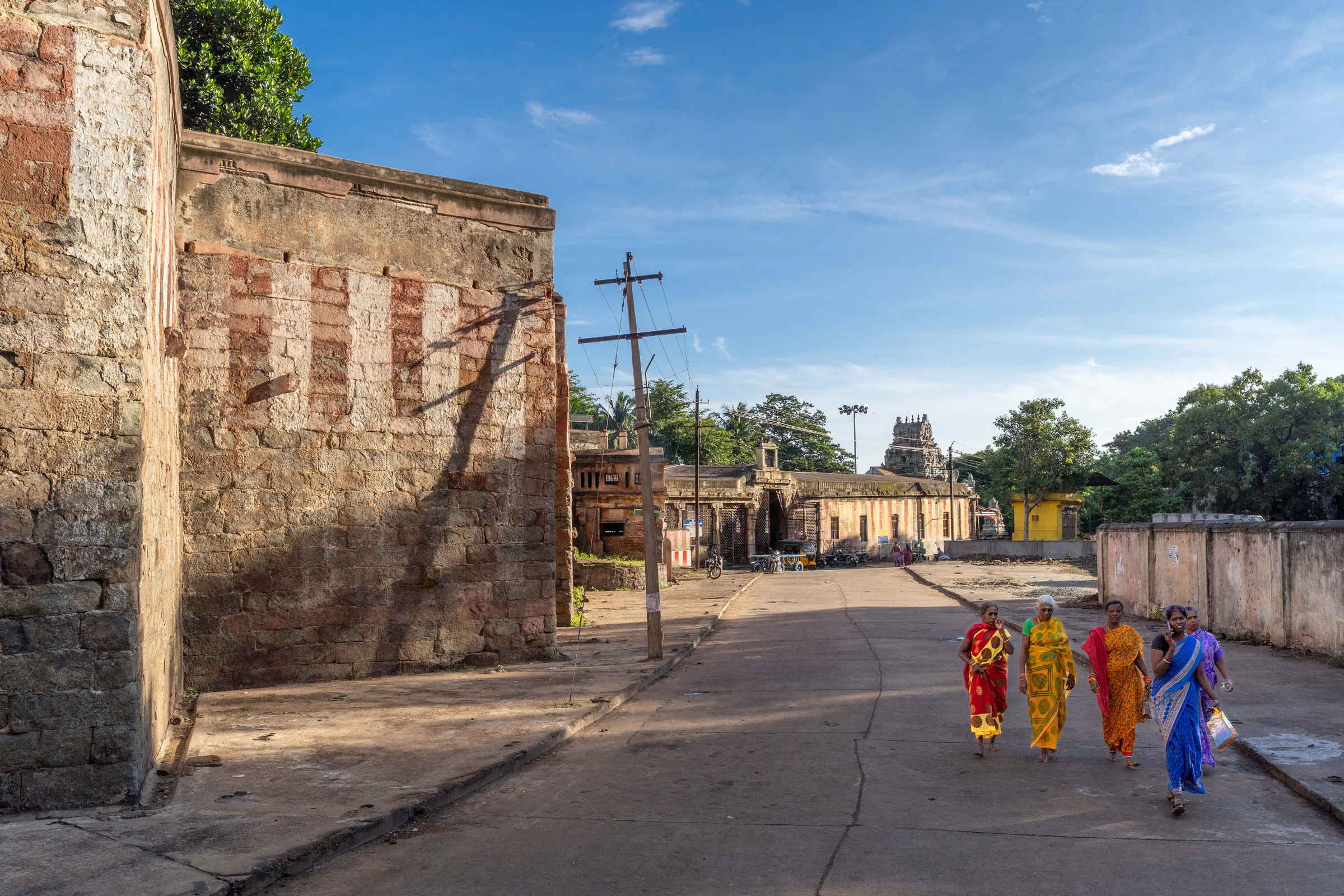
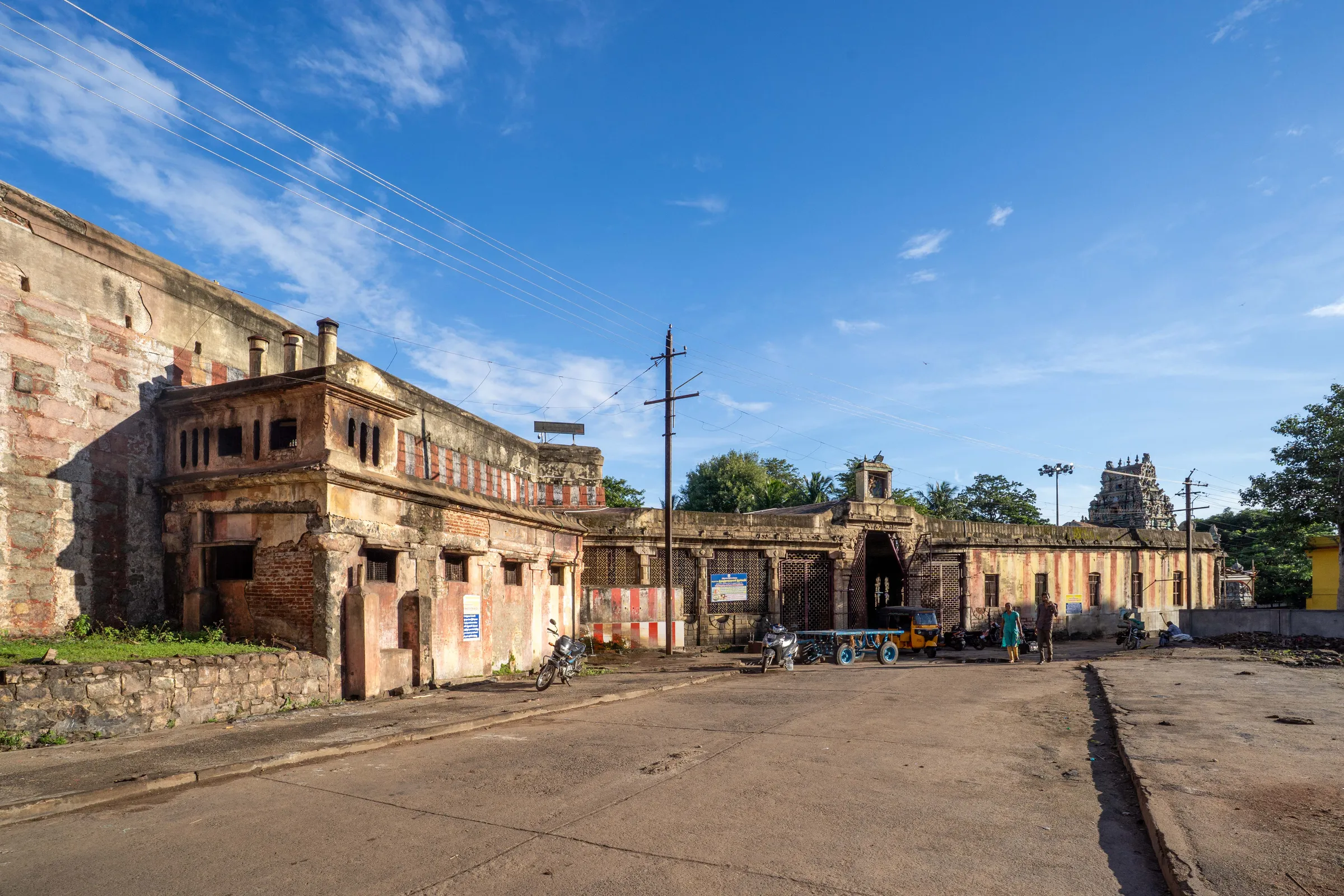
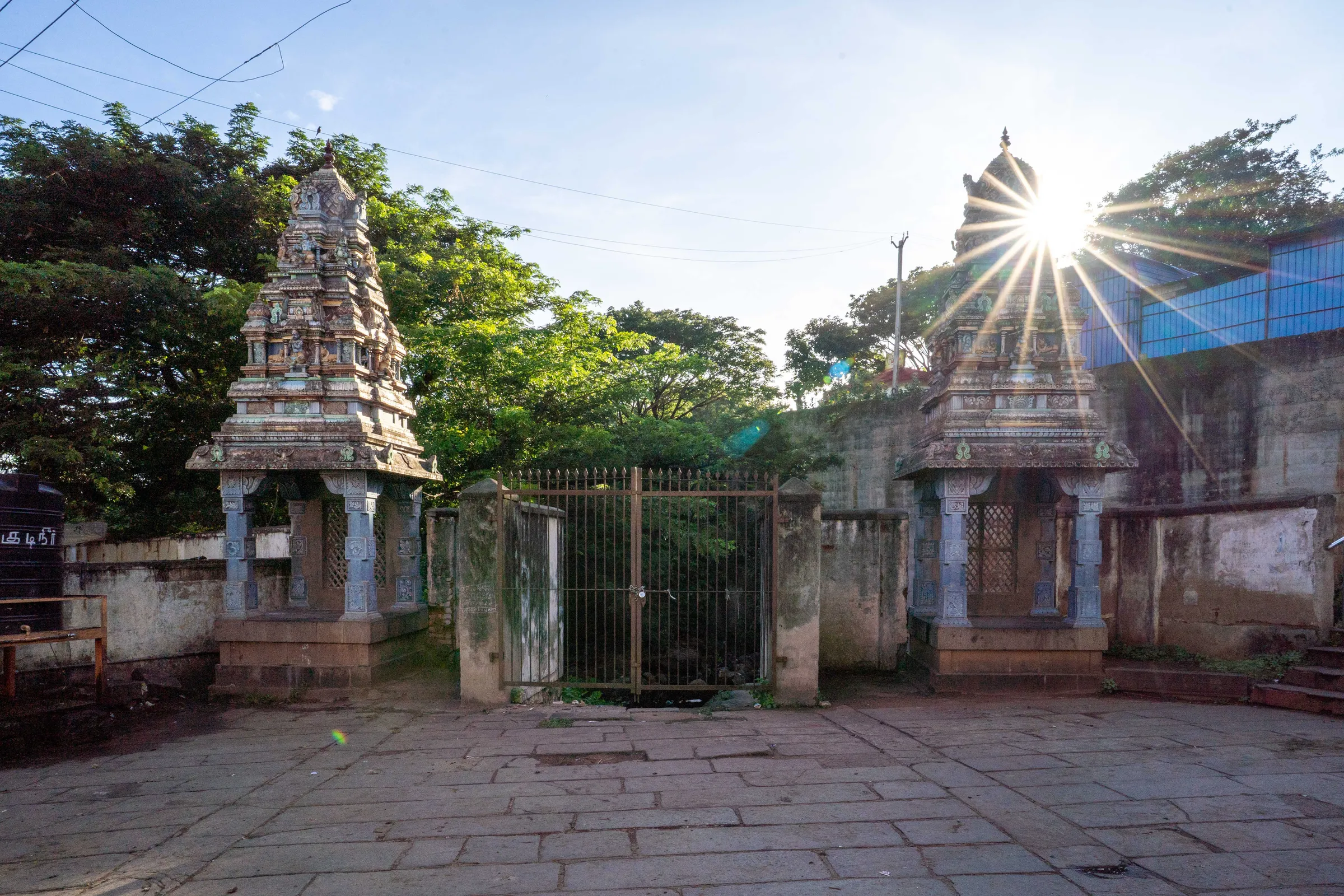
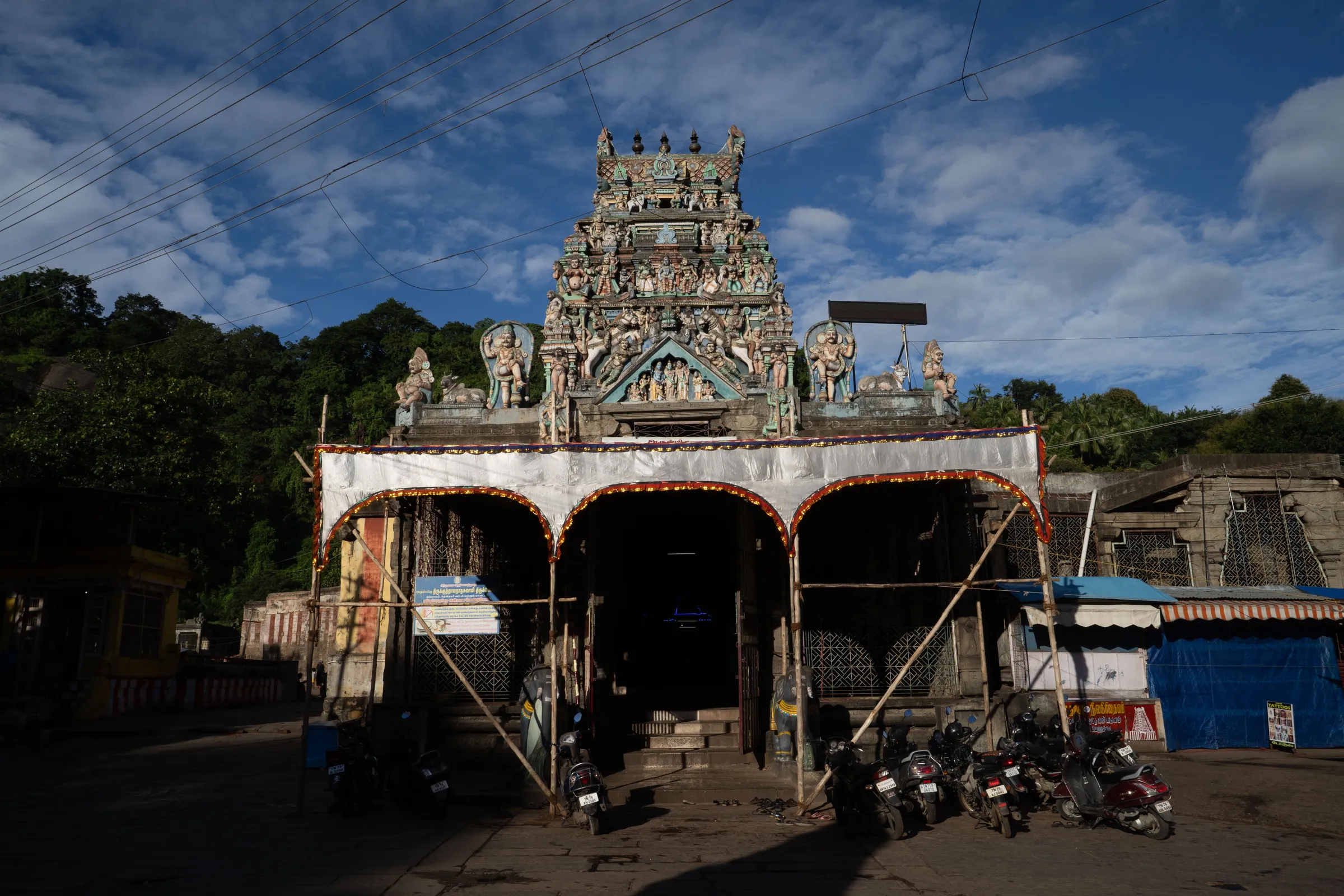
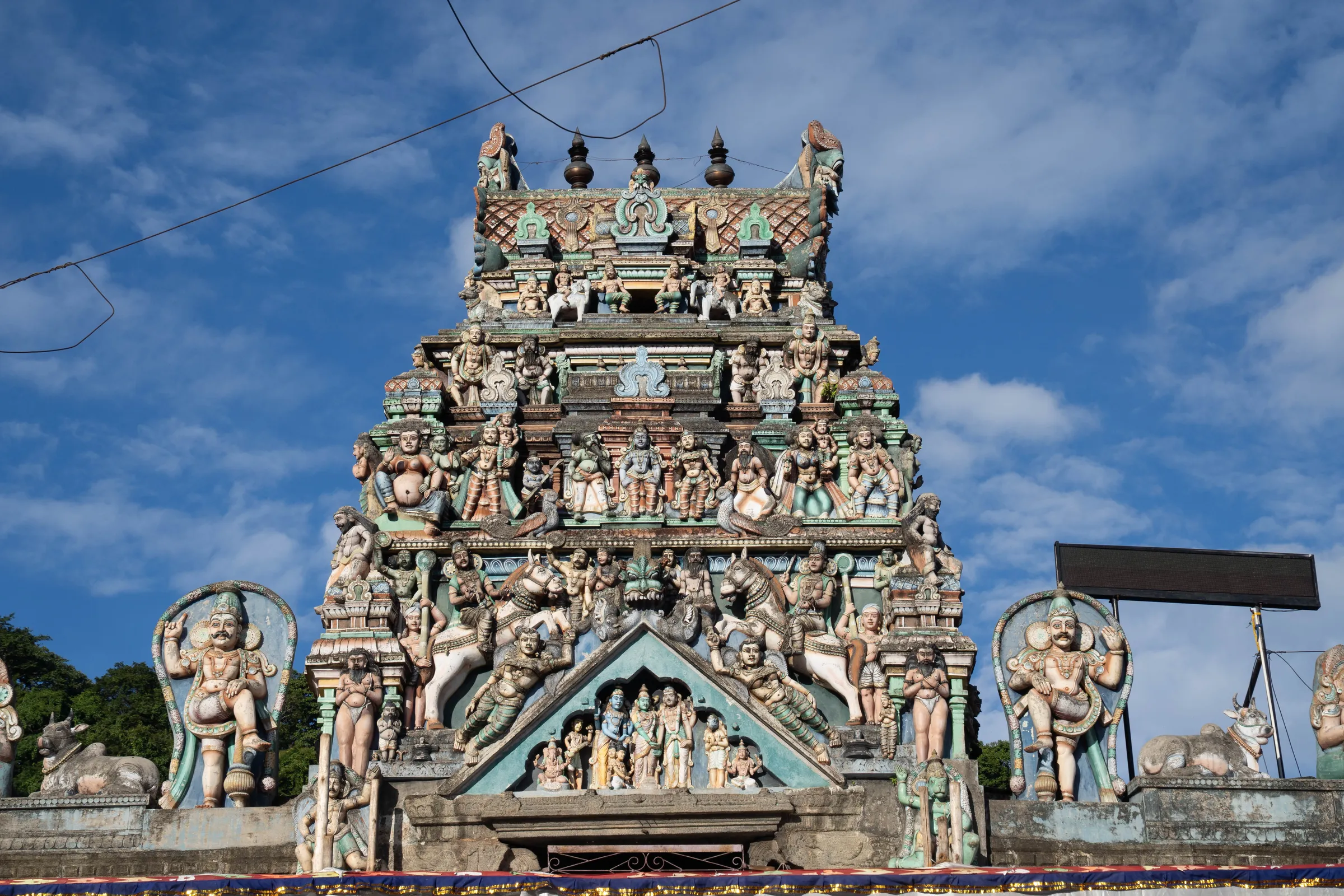
structure & vocabularyThe temple of Tirukutralanadhar has a unique shape, like a conch: the main deity stands at its mouth, the Ganesha shrine at its sharp point, and the streets run along the edges of the conch. It has a three-tiered main gopuram with many stucco images, the chief being the wedding of Meenakshi and Sundareswaran; the main entrance has two large elephants and the second entrance small shrines of Ganesha and Subramanya. The flag mast stands after the wooden gopuram mandapa, with sculptures of Sempulithevan and Chinnanainjanthevan, who commissioned the mandapa, to its south.
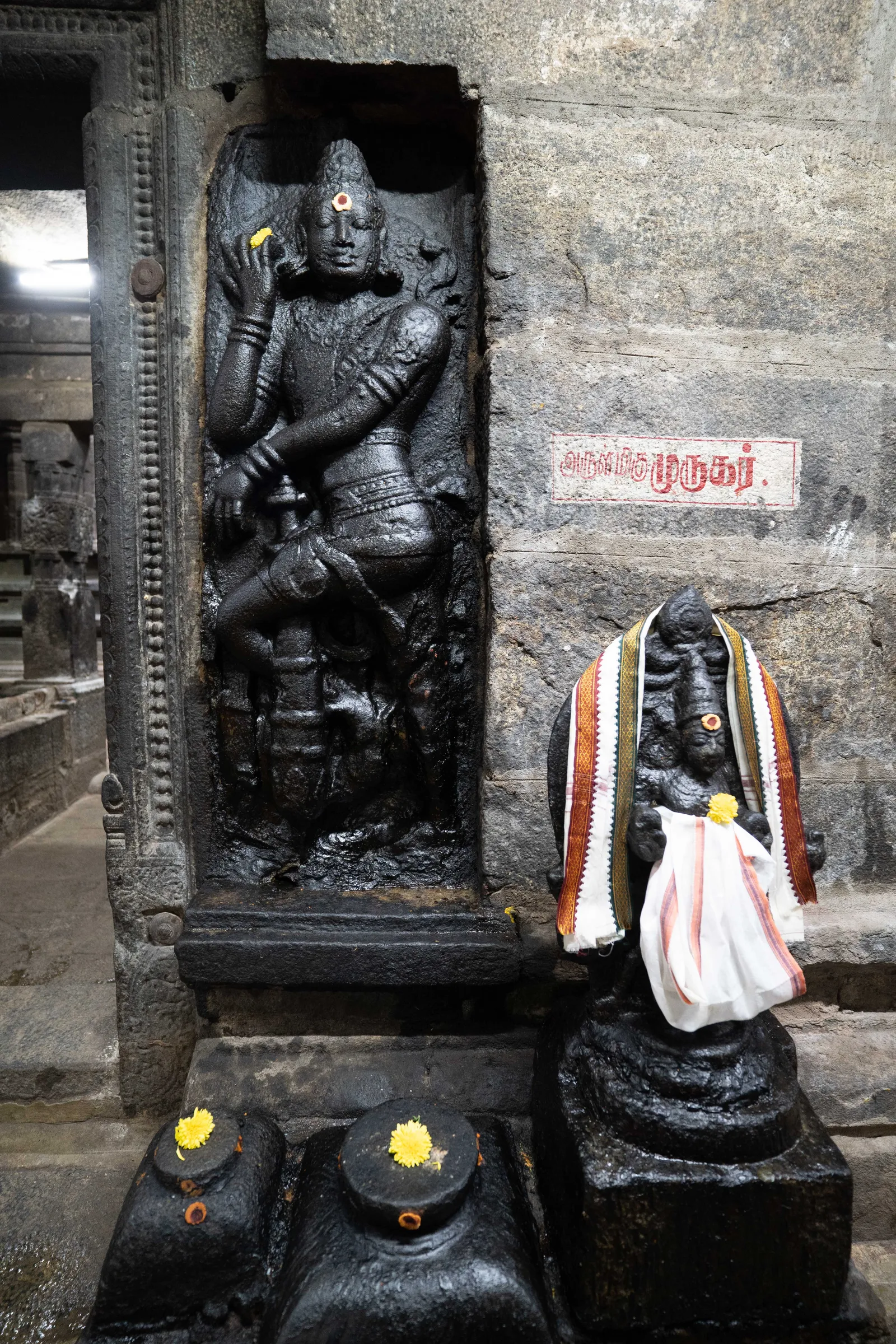
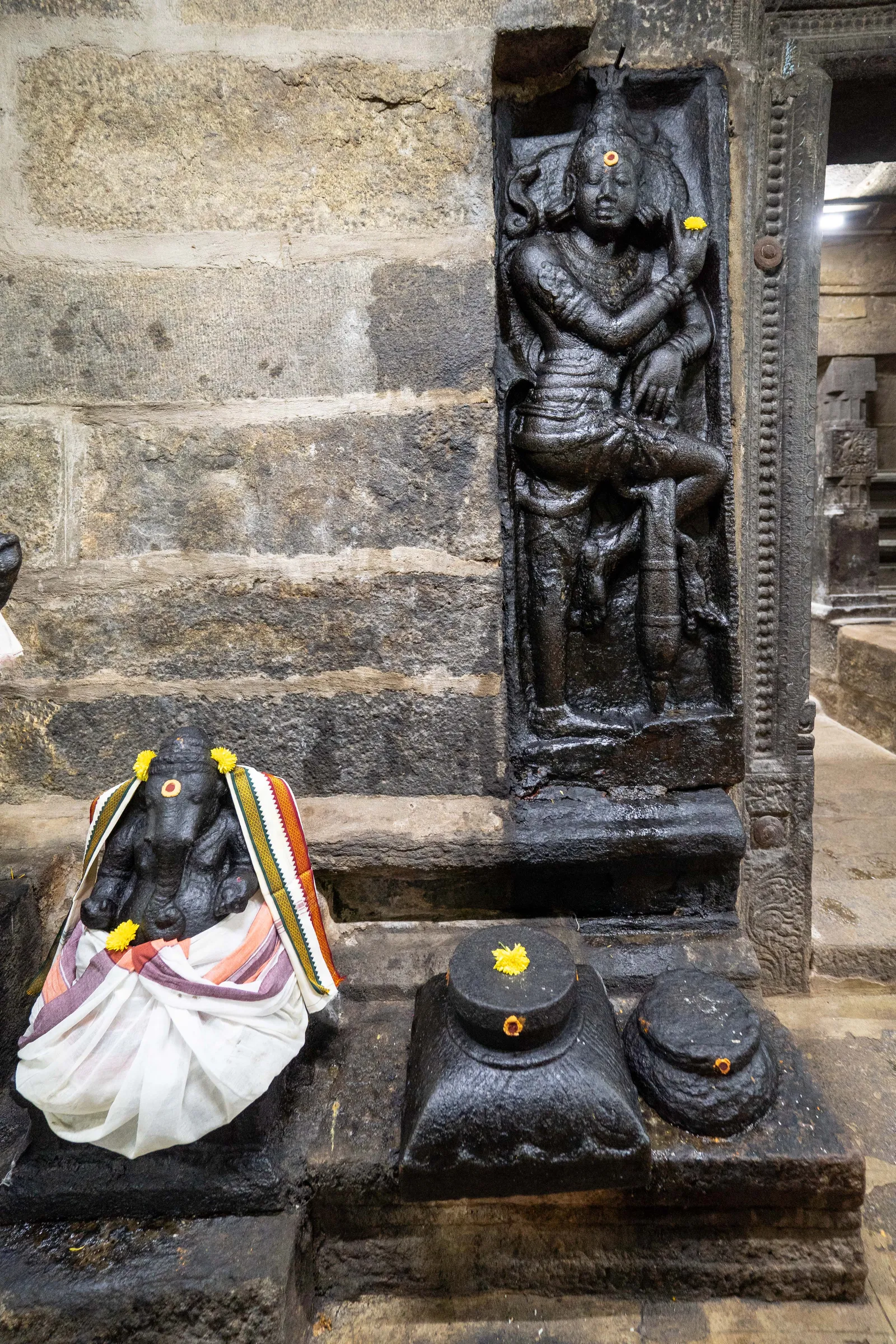
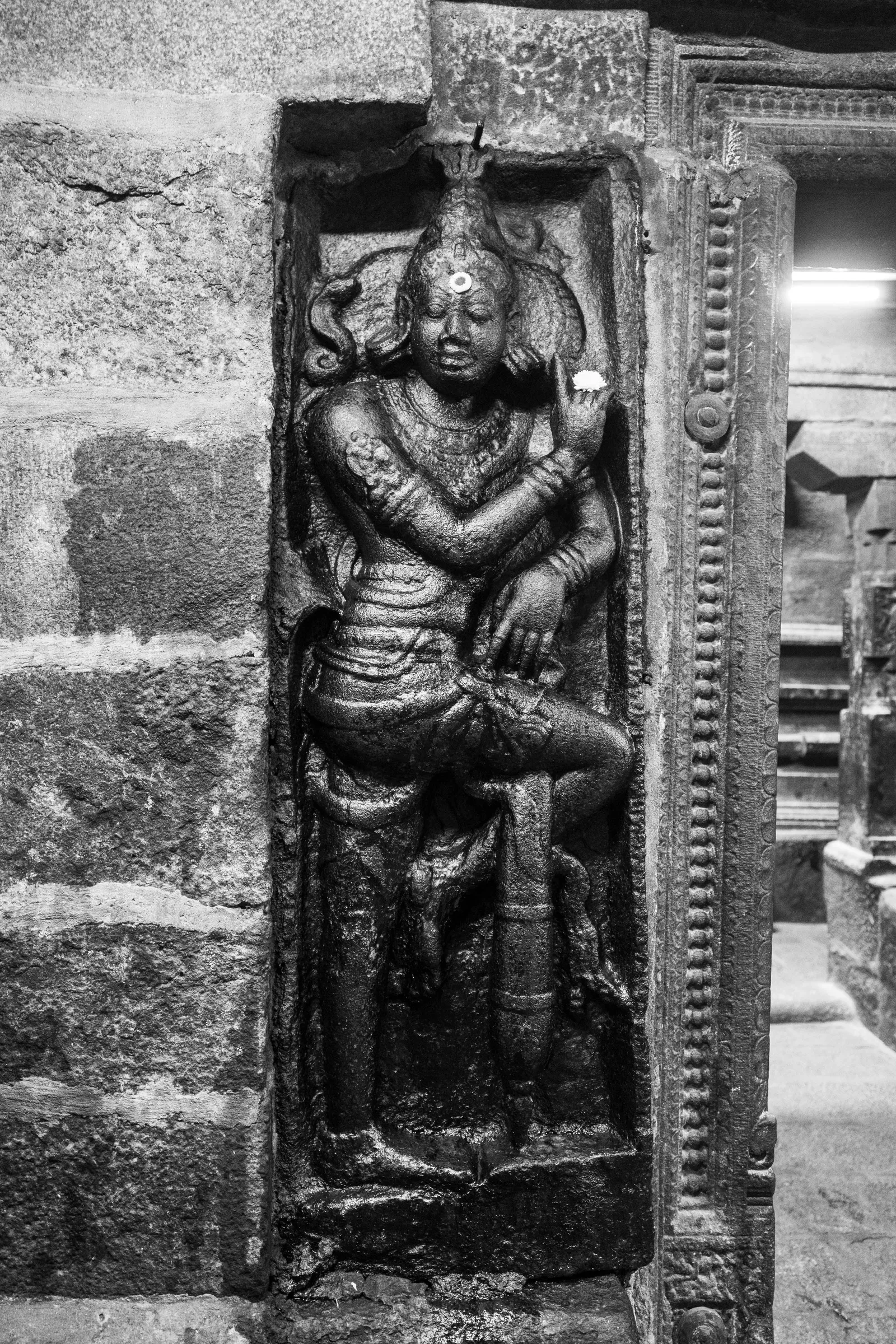
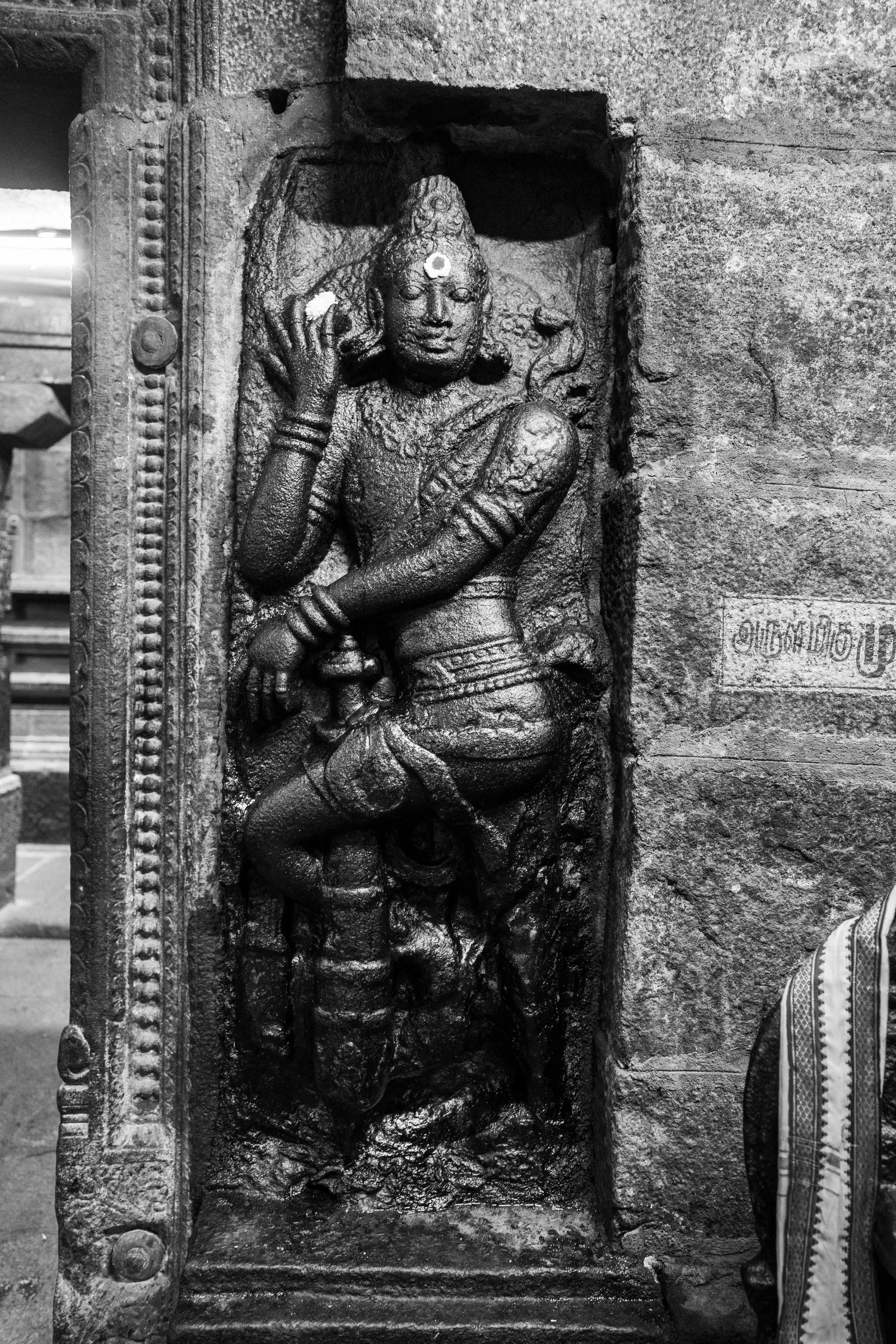
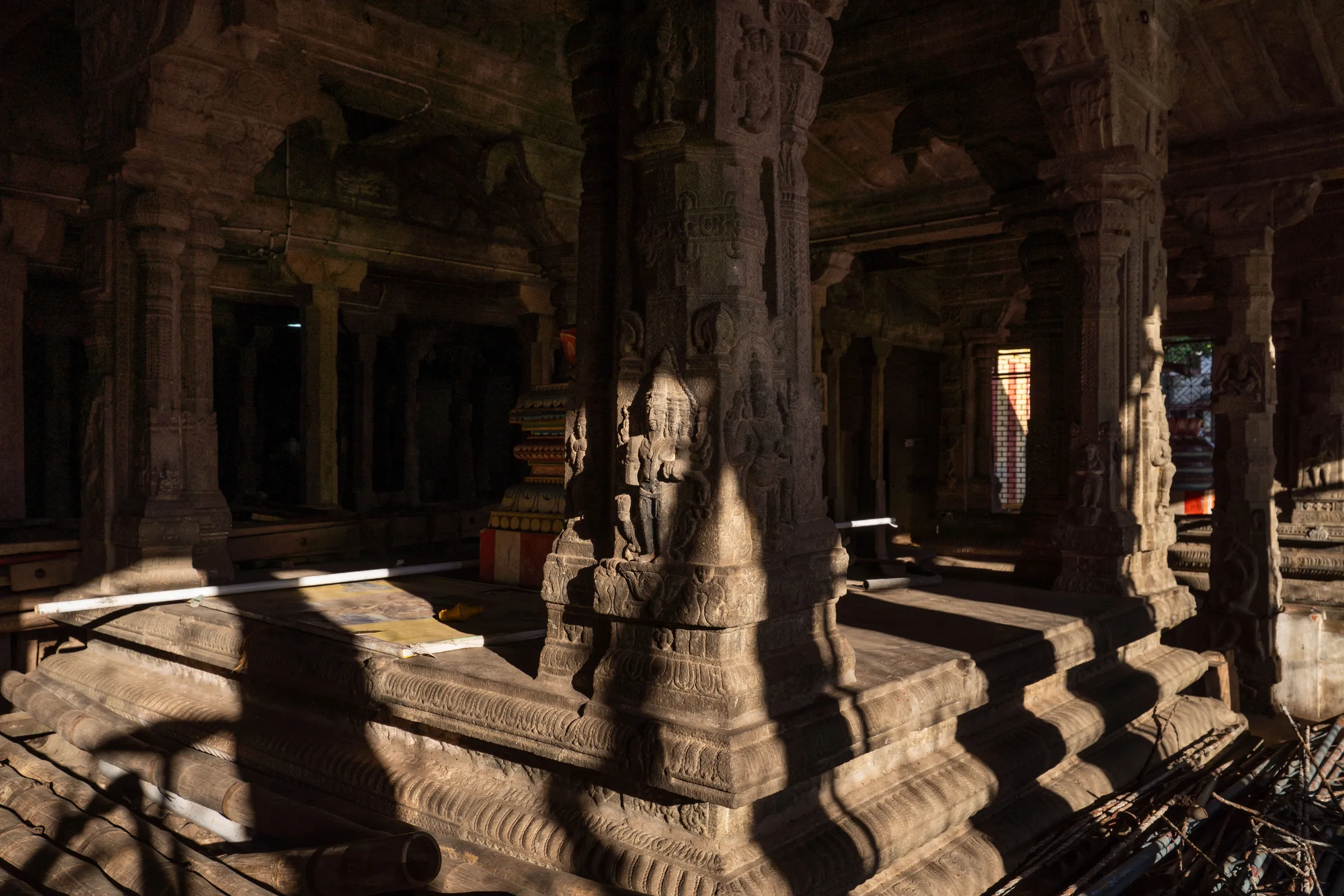
Beyond, the entrance to the Shiva shrine has highly artistic Dwarapalaka statues of the early Pandya period. After the Ardha Mandapa and Maha Mandapa is the shrine of Kutralanadhar, a lingam of natural formation, small in size. Around the Shiva shrine are sculptures of Vishnu, Aiyana, Brahma and others with classic facial features. The outer precinct holds the sthala vriksha, the Kurumpala or jackfruit tree, and a shrine of Vishnu as a Sakthi Pitha, where, characteristically of the Tenkasi Pandyas, the Pitha itself is worshipped as Sakthi without any image.
Kutralam holds one of the Pancha Sabhas: the Nataraja Sabha here, the Chitra Sabha, lies about 500 metres from the temple. Its entrance shows two dancers in inviting pose and Panan the singer with a musical instrument. The mandapa is of stone with a copper roof. On the northern wall of the inner mandapa is an exquisite painting of Nataraja, with the Devas, Brahma, Vishnu and Krishna as spectators; to the west are paintings of the wedding of Meenakshi, the Sakthi Pitha with worshippers, the Trinity on a swing and the Saptha Kannikas, and the south wall shows Meenakshi's winning over the lords of the eight directions.