Mangalanathar Temple, photograph
← Pandya Nadu
Entry 099

Mangalanathar Temple

Utirakosamangai · Ramanathapuram · Pandya, with later renovations

A temple spread across twenty acres at Utirakosamangai near Ramanathapuram, held to be among the most ancient Shiva temples, with a six-foot Nataraja carved from a single emerald stone.

The Mangalanathar temple at Utirakosamangai near Ramanathapuram is held to be among the most ancient Shiva temples, spread across twenty acres, with a six-foot Nataraja carved from a single emerald stone. This entry holds three registers apart: what stands, what can be dated and cited, and what is told.

The photographs

Plates · 7

Mangalanathar Temple, photograph
© Sai Sanjay Prasath · All rights reserved
Mangalanathar Temple, photograph
© Sai Sanjay Prasath · All rights reserved
Mangalanathar Temple, photograph
© Sai Sanjay Prasath · All rights reserved
Mangalanathar Temple, photograph
© Sai Sanjay Prasath · All rights reserved
Mangalanathar Temple, photograph
© Sai Sanjay Prasath · All rights reserved
Mangalanathar Temple, photograph
© Sai Sanjay Prasath · All rights reserved
01

Architectural

structure & vocabulary

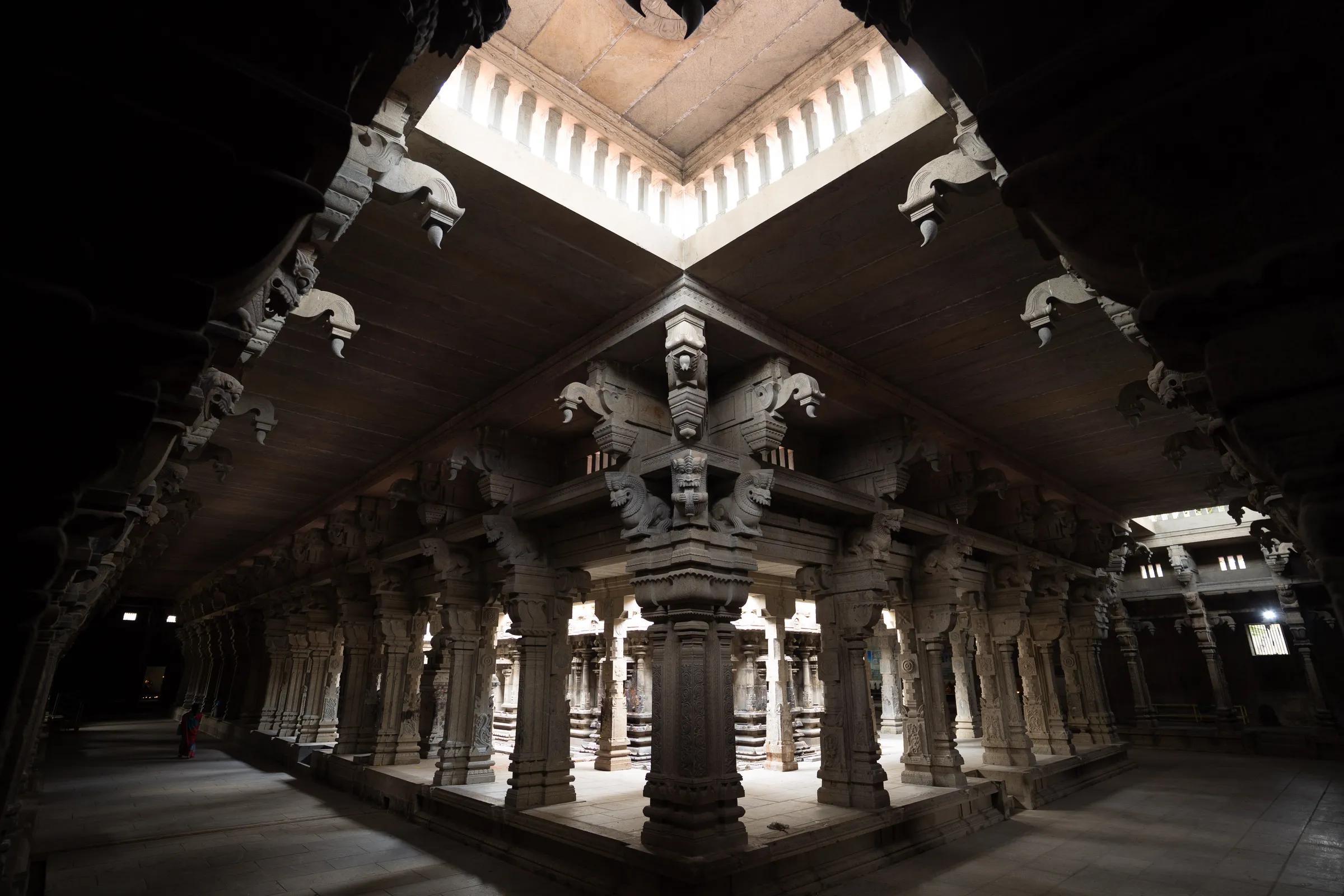
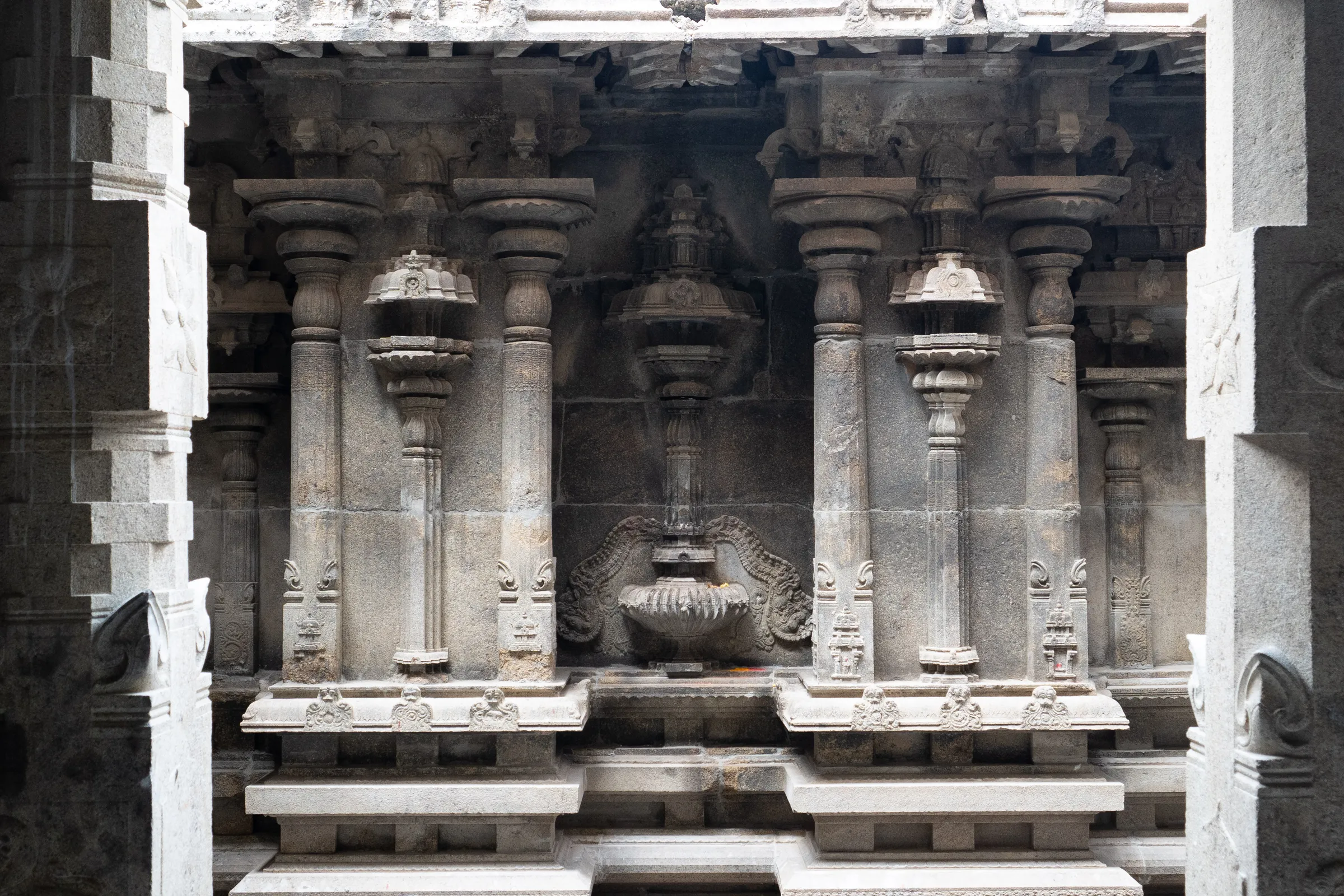
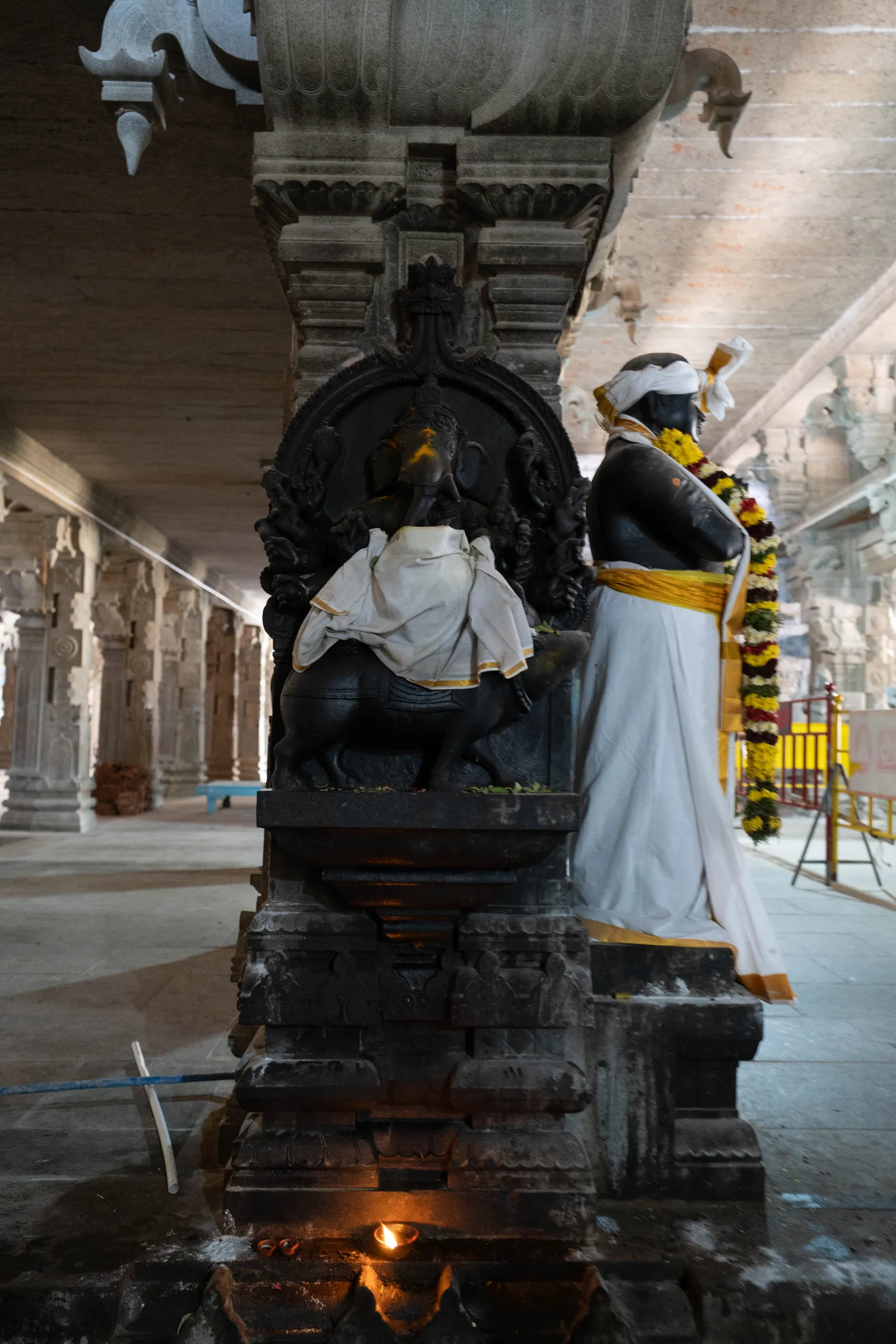
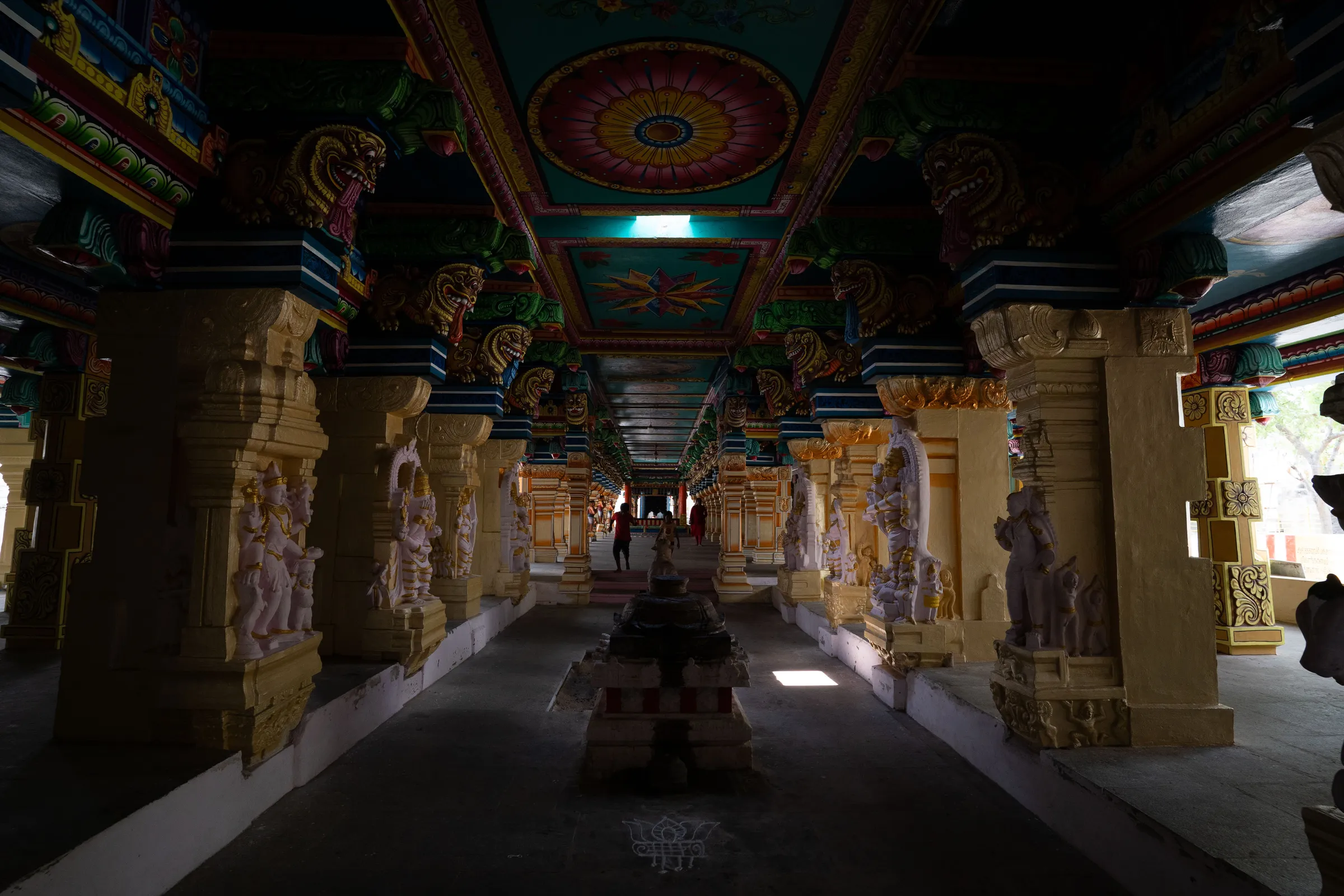
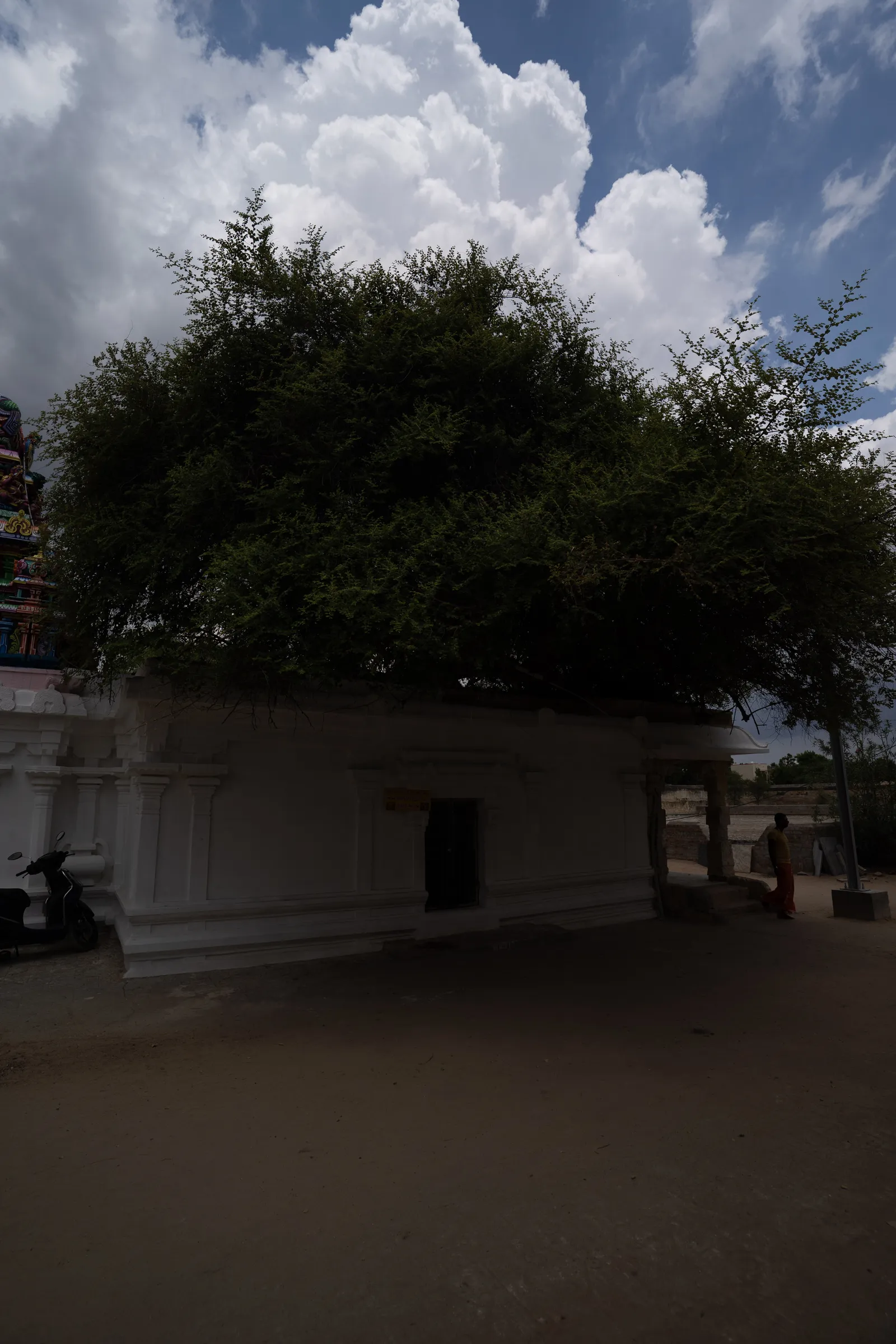
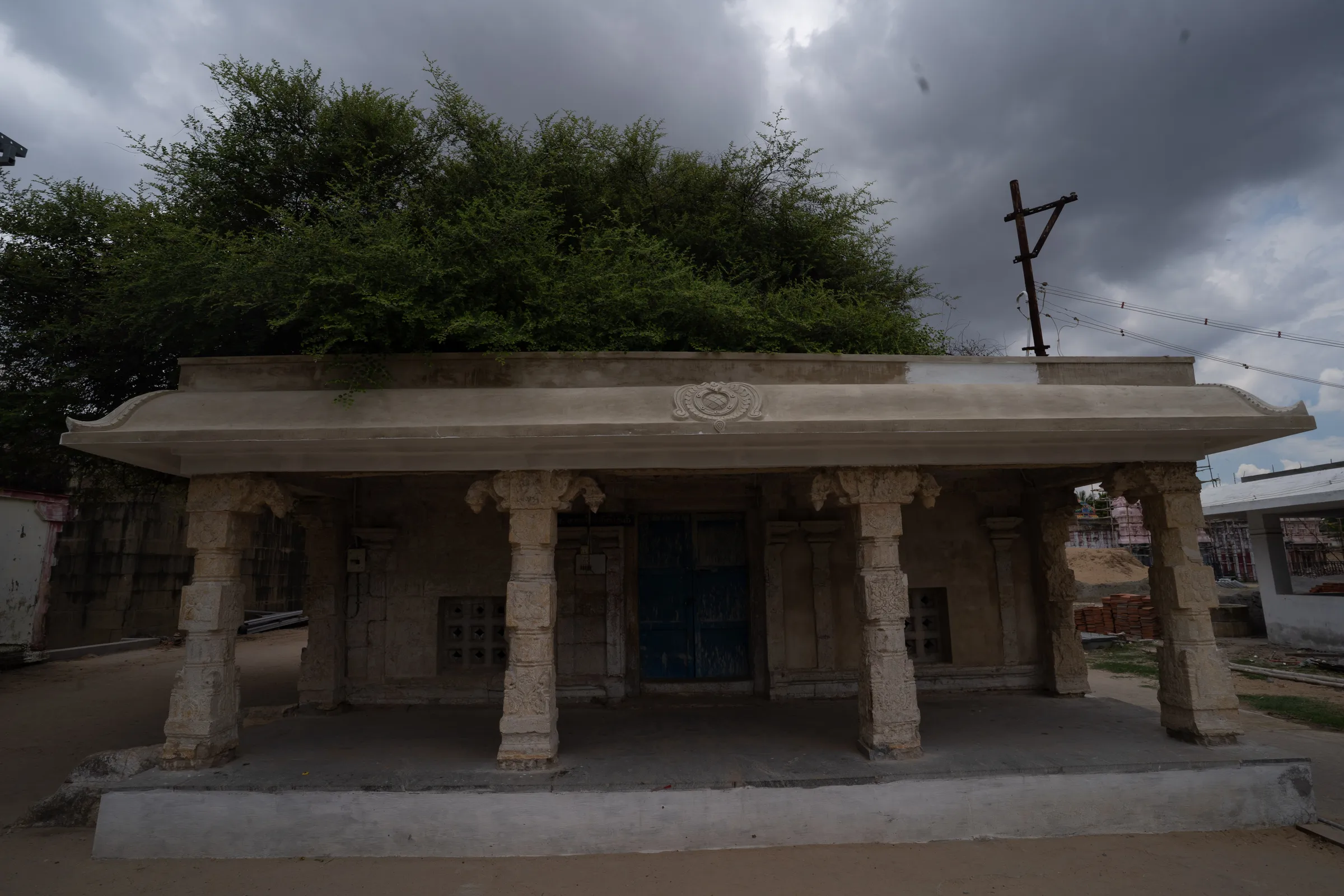
The temple spreads across about twenty acres, with a particularly ancient sacred tree. The presiding deity is Mangalanathar, the most prominent shrines being his own, that of his consort Mangala Nayaki, and the six-foot Nataraja carved from a single emerald stone. There are shrines of Bhairava, Dakshinamurthy, Chandikeshwara and Balabairava, and the Vinayaka and Subramanya shrines have exchanged their usual positions. Other shrines hold Sahasra Lingam and Manikavasagar.

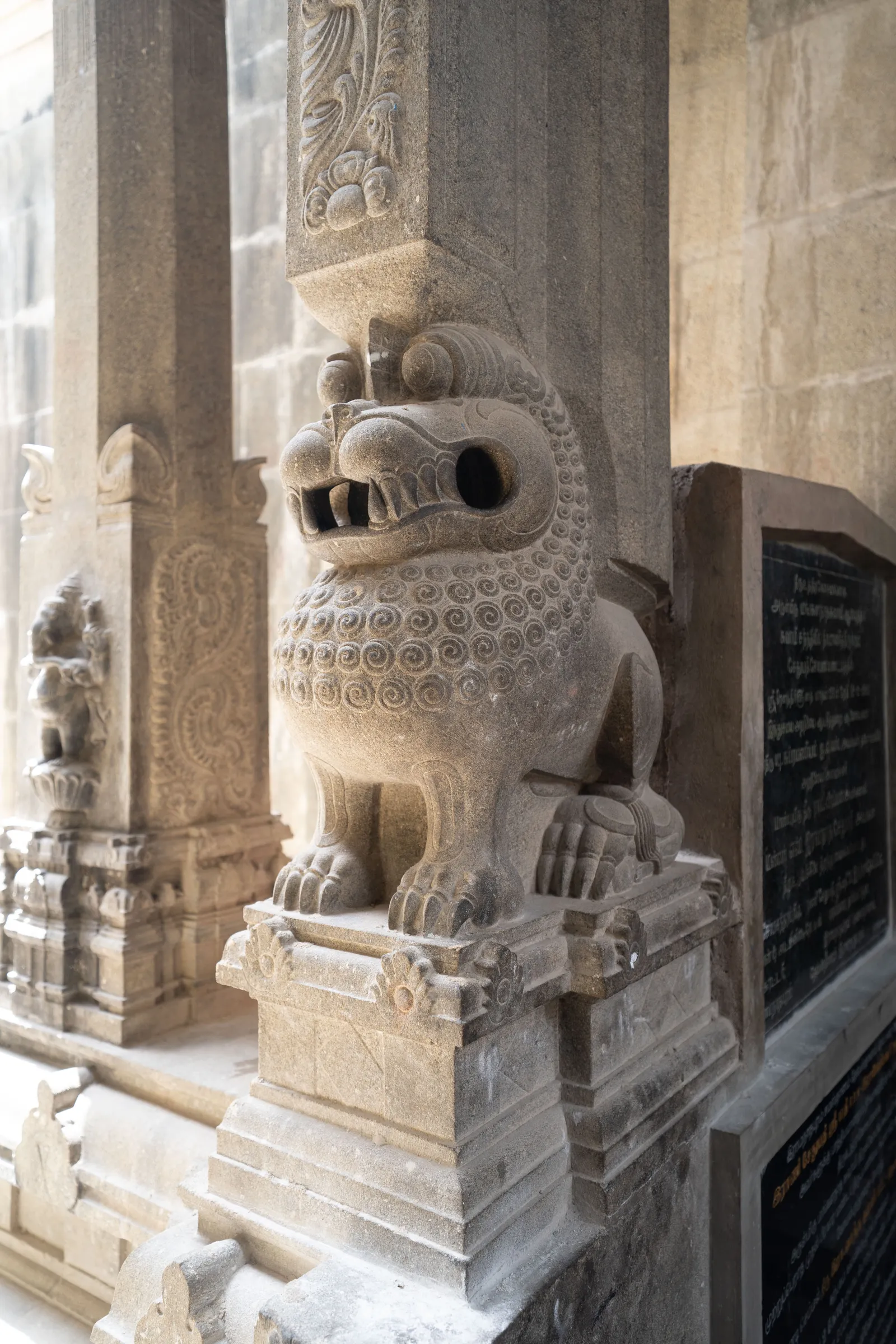
Two magnificent yalis stand at the entrance, each with a stone ball that rolls in its mouth but cannot be taken out. The temple has a seven-tiered Raja Gopuram with ornate figures and murals, and separate images of the Sun, Moon and Mars. The emerald monolith Nataraja is always covered in sandal paste and shown in its splendour only on the day before Arudra Day, then covered again.

02

Archaeological

dated & cited

The Pandyas are held to have built the extended temple while Utirakosamangai was their capital. Achuthappa (1528 to 1542 CE), the ruler of Thanjavur, Muthuveerappar and other Ramanathapuram rulers renovated and expanded it. The temple is hailed by Manikavasagar of the 9th century and Arunagirinadhar of the 15th century.

Dating

Held to be among the most ancient Shiva temples; the Pandyas built the extended temple when Utirakosamangai was their capital, with later renovation by Ramanathapuram and Thanjavur rulers.

03

Mythological

as transmitted

Tiru Utirakosamangai can be read as Tiru (honorific), Utira (to instruct), Kosa (secret) and Mangai (woman), the woman who was told the secret, taken to mean Parvathi learning the Pranava Mantra from Shiva. Among the legends, Mandodhari prayed here for a groom who was a Shiva devotee; Shiva showed her Ravana and they married in his presence, and when they had no children they worshipped Mangaleswara and Mangaleswari and were blessed with them. It is said one can attain salvation by treading the ground of Utirakosamangai.

Register interest in prints Buy the book
Improve this entry

This is an open, reviewed record. If you have spotted an error or have something to add — a correction, a date, a source, a name in another script — propose it. Every change is reviewed before it joins the record.

“Suggest an edit” opens this entry on GitHub and turns your change into a pull request. “Share feedback” opens a short form. Both go through review.