Moovar Koil, photograph
← Chola Nadu
Entry 050

Moovar Koil

Kodumbalur · Pudukkottai · Irukkaveḷ

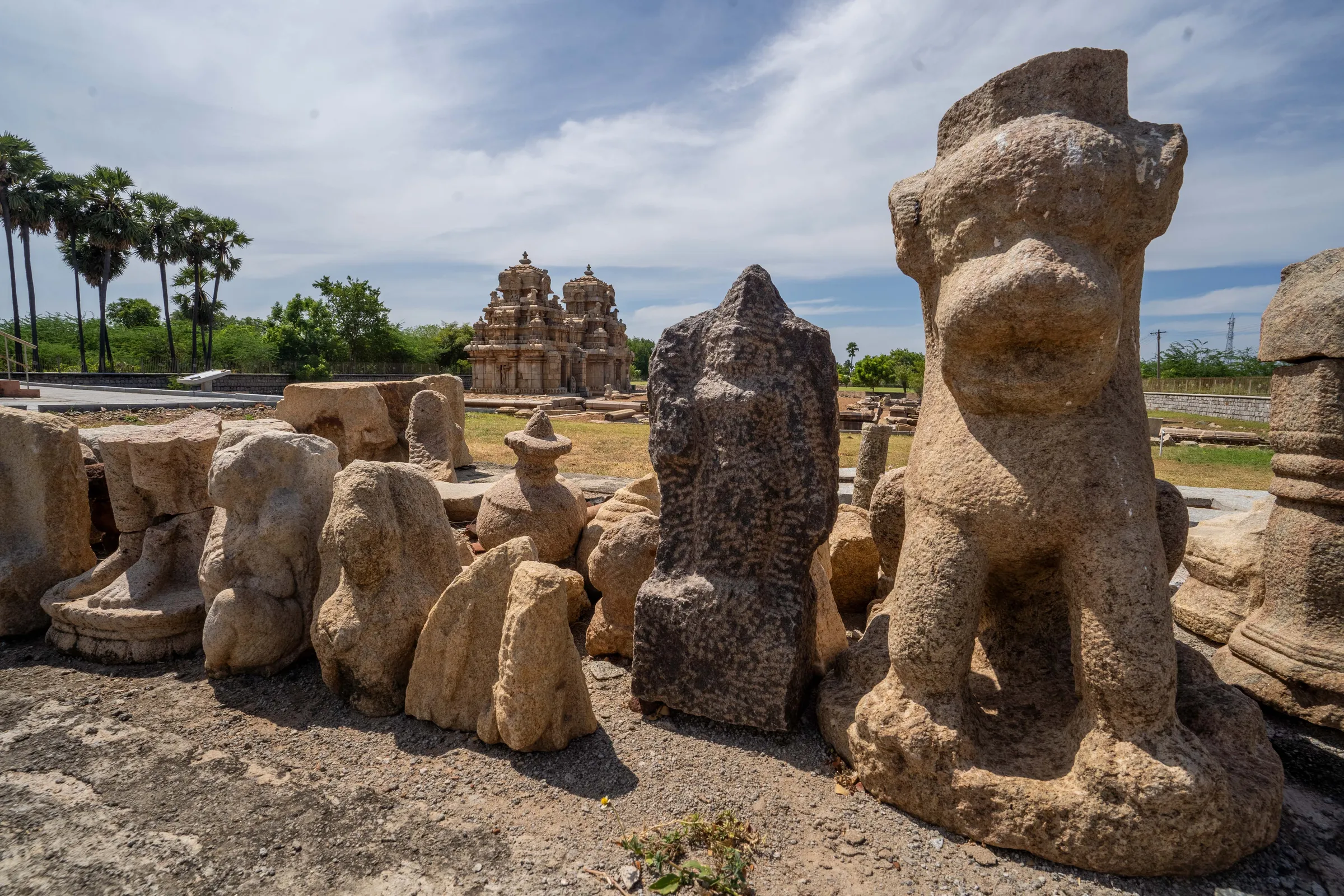
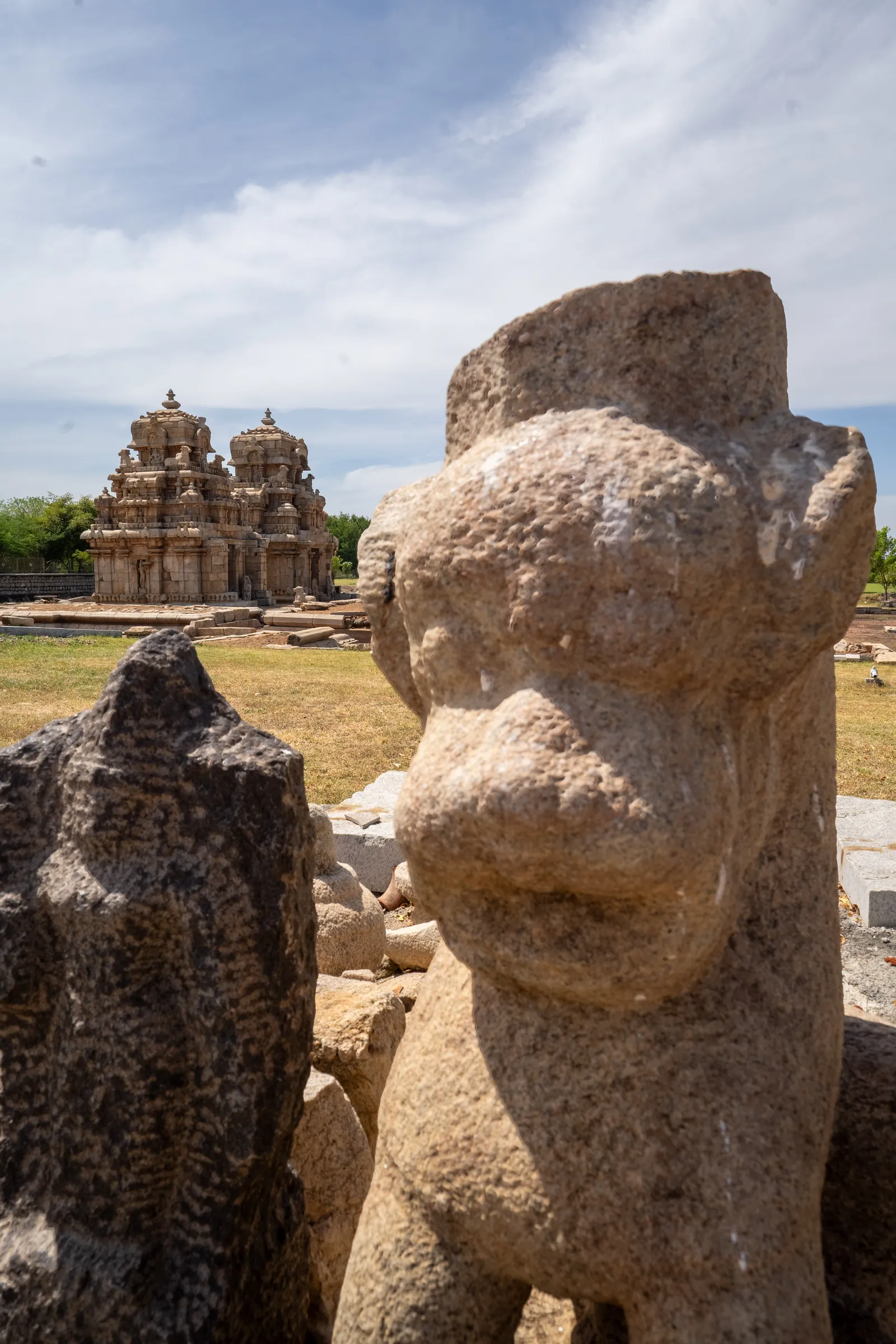
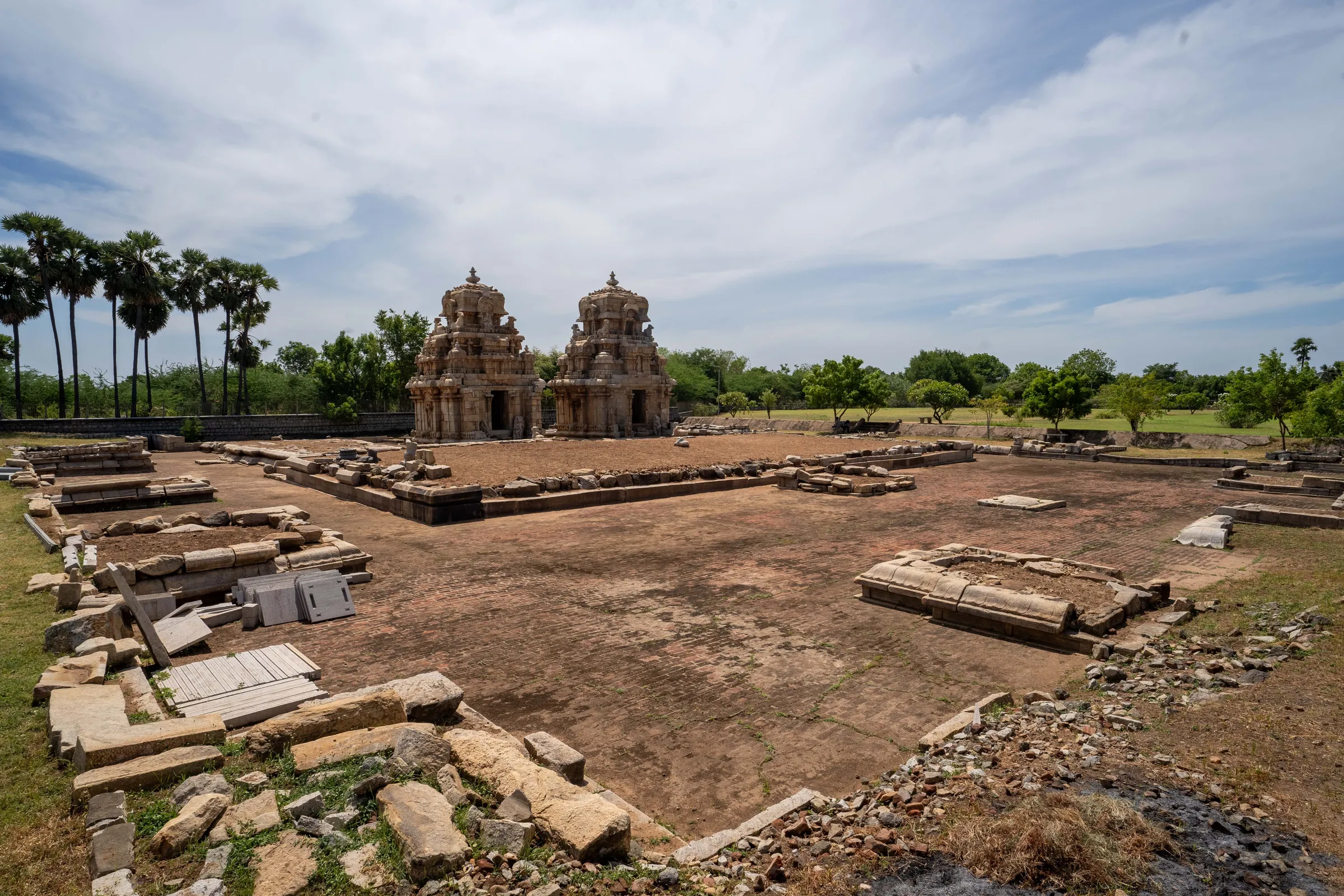
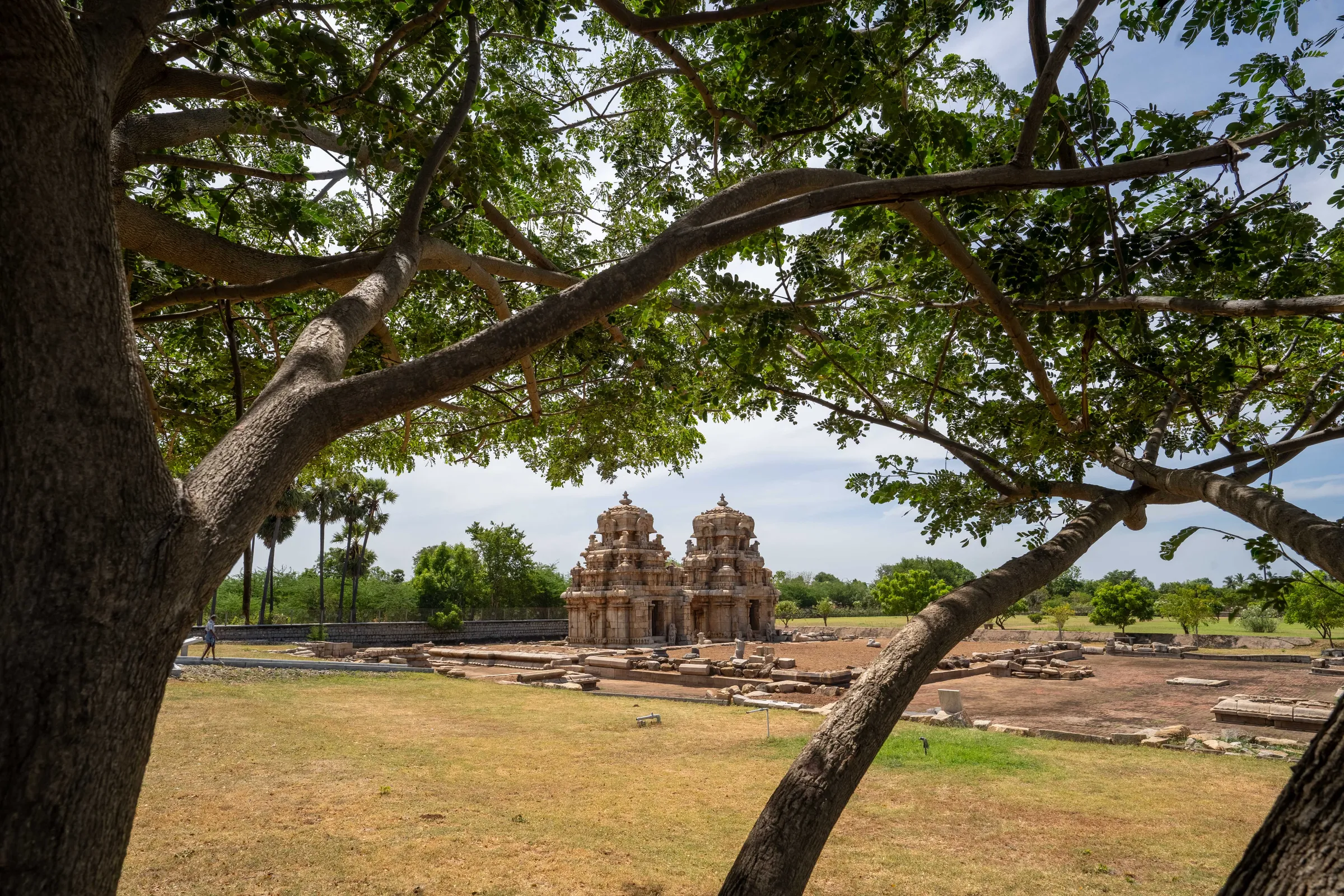
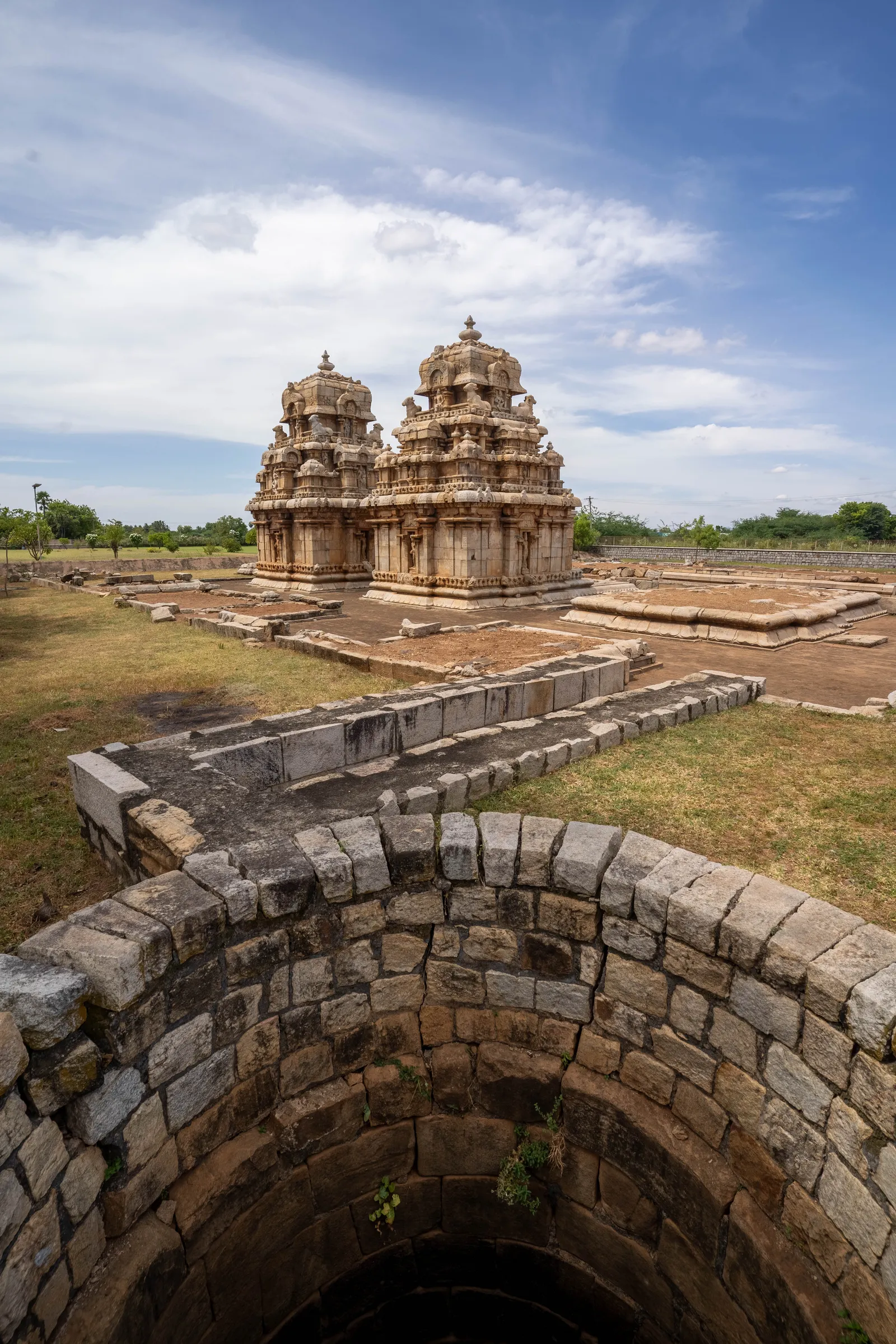
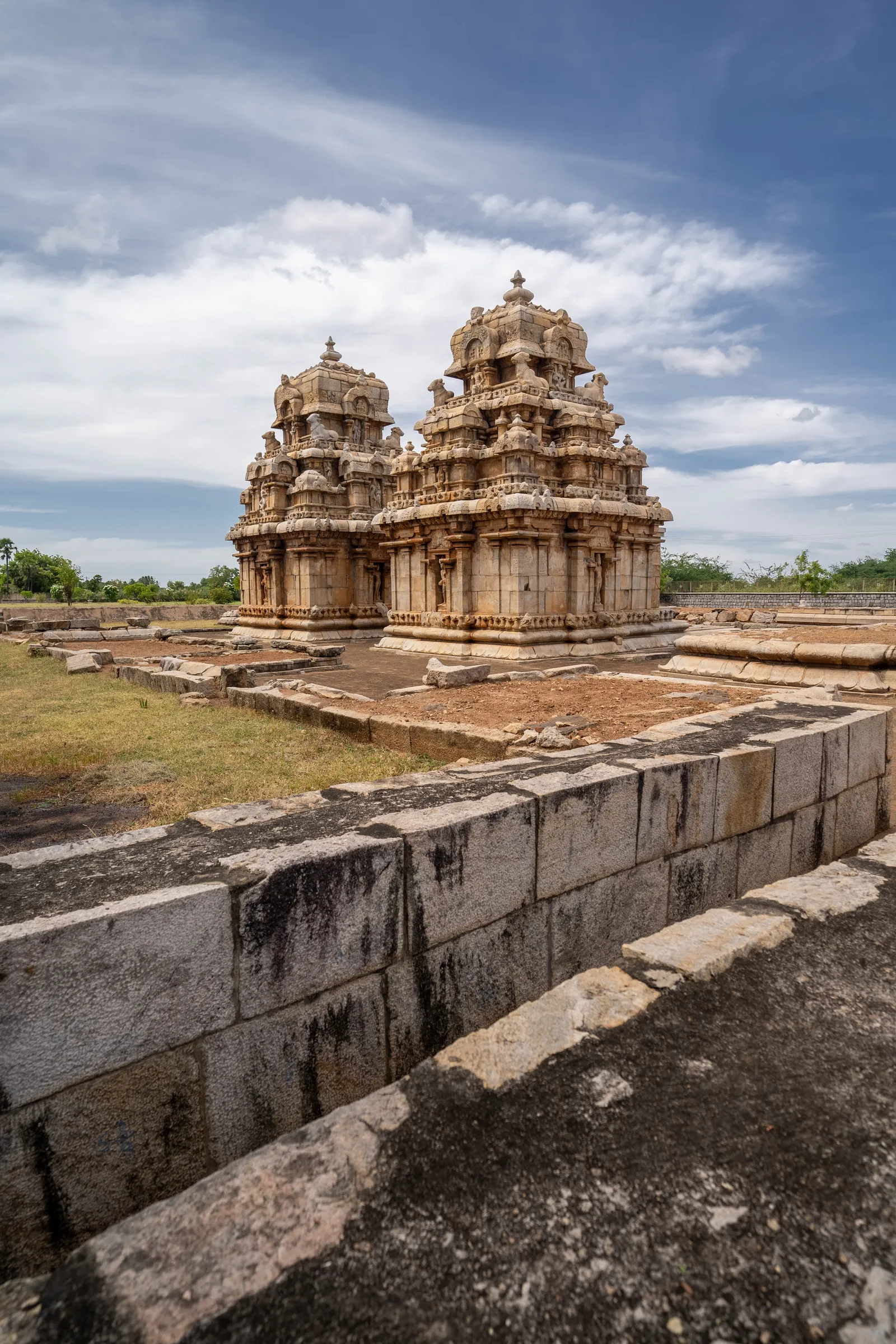
A 10th century Śiva temple at Kodumbalur built by the Irukkaveḷ chief Bhūti Vikrama Kēsari. Of an original three shrines, which give the temple its name, only two survive, prized for the energy of their vimāna sculpture.

The photographs

Plates · 8

Moovar Koil, photograph
© Sai Sanjay Prasath · All rights reserved
Moovar Koil, photograph
© Sai Sanjay Prasath · All rights reserved
Moovar Koil, photograph
© Sai Sanjay Prasath · All rights reserved
Moovar Koil, photograph
© Sai Sanjay Prasath · All rights reserved
Moovar Koil, photograph
© Sai Sanjay Prasath · All rights reserved
Moovar Koil, photograph
© Sai Sanjay Prasath · All rights reserved
Moovar Koil, photograph
© Sai Sanjay Prasath · All rights reserved
01

Architectural

structure & vocabulary

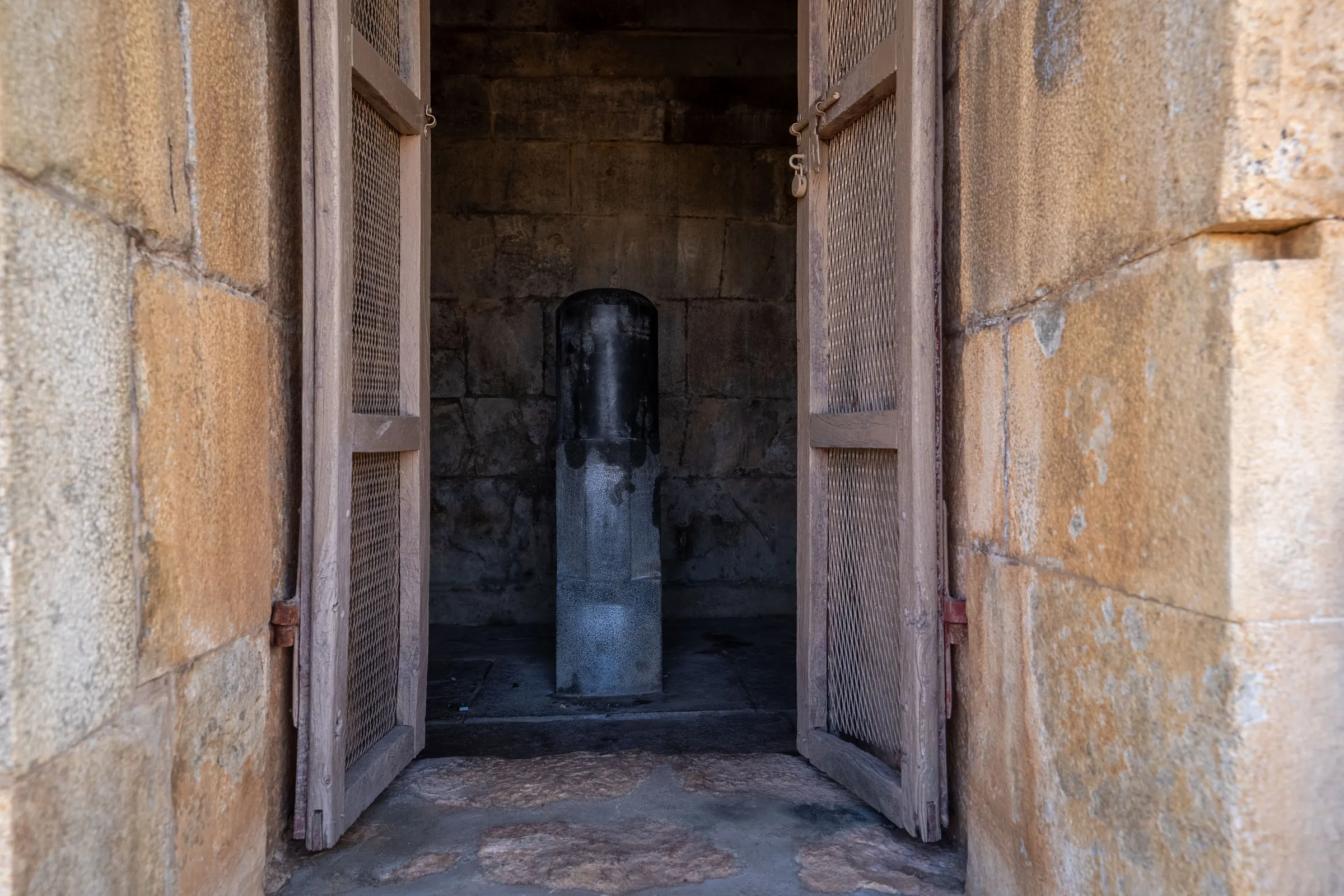
The plan, three matching shrines set in a row, is unique among the small temples of the region. Of the three only two stand, and one of those retains only its base. Each shrine once had a small maṇḍapa before the garbhagṛha, since lost. A pillared corridor inside the enclosing walls, the entrances, and a passage leading to a sacred well are all now dilapidated, and the vimānas are hollow with the present liṅgas of later date.

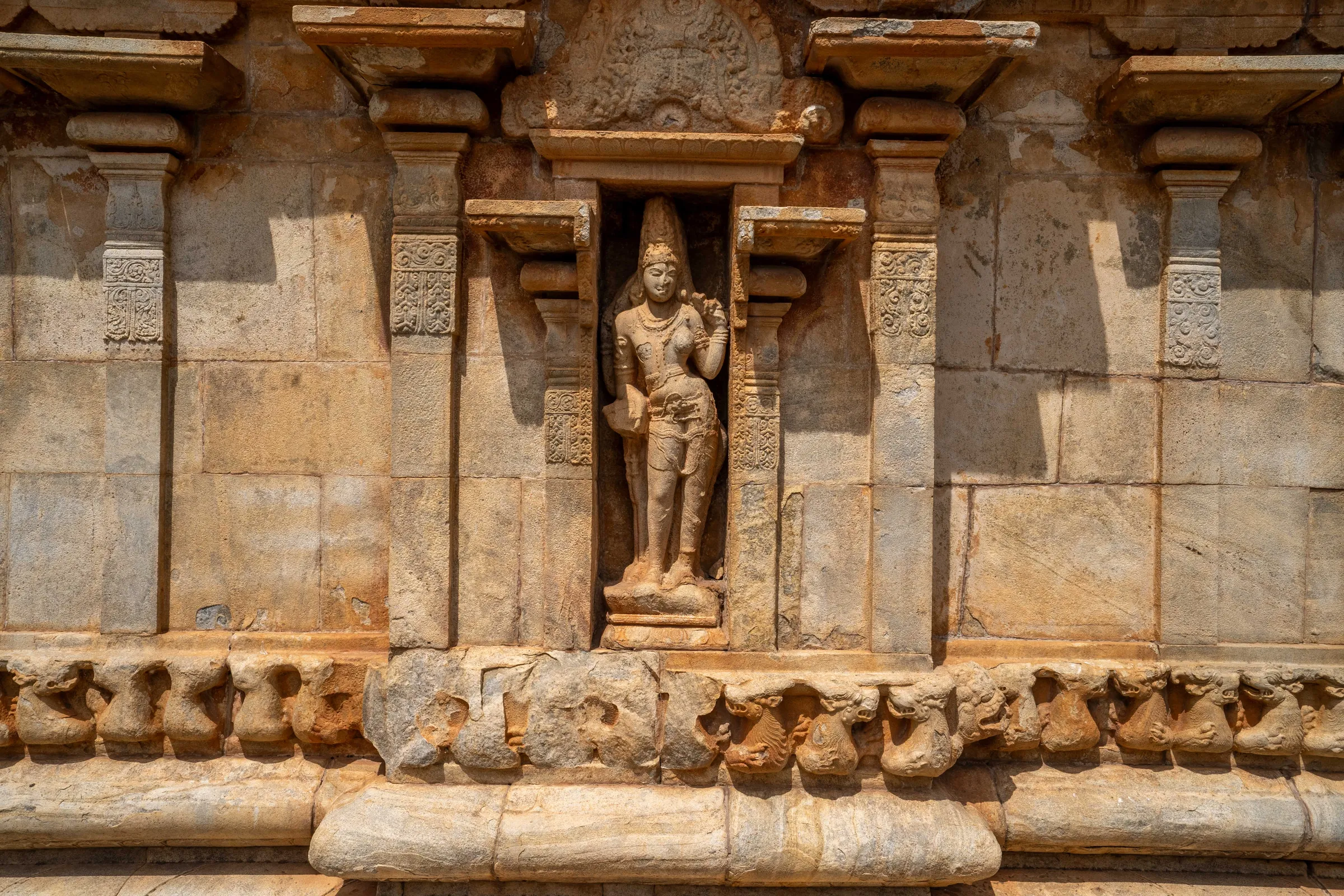
The carving is the reason to come. The exteriors carry delicate bhūta gaṇas playing many instruments, makaras and vyāḷis, but the Śiva sculptures are foremost. On the second level of the southern shrine is a dancing Śiva as Kālārimūrti, angry with Yama for taking Mārkaṇḍeya's life. The finest pieces, including a Gajasaṃhāra mūrti and a Mohinī, are now in the Pudukkottai and Chennai museums.

02

Archaeological

dated & cited

A long inscription on the south wall of the central shrine lists the Irukkaveḷ lineage and names Bhūti Vikrama Kēsari of the 10th century CE as the builder. He funded the central shrine and his queens supported the shrines on either side. The inscription also records eleven villages gifted to feed fifty Kālāmukha ascetics tied to Mallikārjuna's monastery at Madurai, the Kālāmukhas being an extreme Śaiva sect. The Irukkaveḷ were feudatories whose support of the Chōḷas was vital, and Kodumbalur, the Irukkaveḷ capital, lay on the road linking Uṟaiyūr, the Chōḷa capital, and Madurai, the Pāṇḍya capital. Many stones from the site were later carried off for the Trichy rock fort and other works. Legend gives the town 108 temples, and liṅgams and stone fragments continue to be found.

Dating
Begun10th century CE · by inscription

The south wall inscription of the central shrine names Bhūti Vikrama Kēsari of the 10th century CE as builder.

Protection & condition
ConditionRuined; two of three shrines stand, after much restoration
03

Mythological

as transmitted

It was perhaps from the Irukkaveḷ family that Vijayālaya Chōḷa, the king who conquered Thanjāvūr, was born or connected by marriage. The town is mentioned in the Silappadikāram epic, where Kavuṇḍi Aḍigaḷ warns Kaṇṇagi and Kōvalan that the road splits and that they must take care on the road to Madurai.

Register interest in prints Buy the book
Improve this entry

This is an open, reviewed record. If you have spotted an error or have something to add — a correction, a date, a source, a name in another script — propose it. Every change is reviewed before it joins the record.

“Suggest an edit” opens this entry on GitHub and turns your change into a pull request. “Share feedback” opens a short form. Both go through review.