Architectural
structure & vocabularyInside the small temple are the deities of Viṣṇu as Paramapadanatha, Narasimha, Varāha and Madana Gopala.
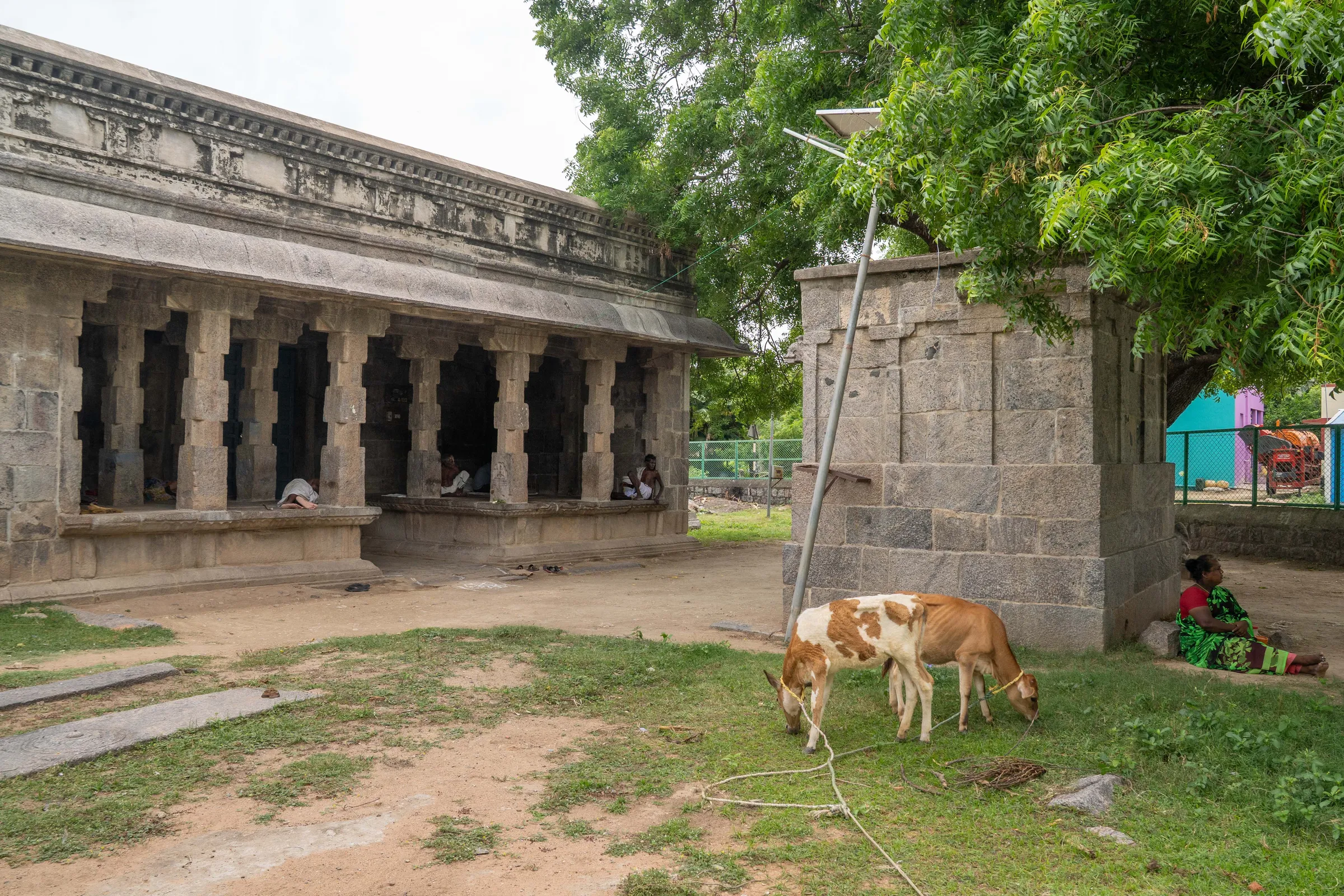
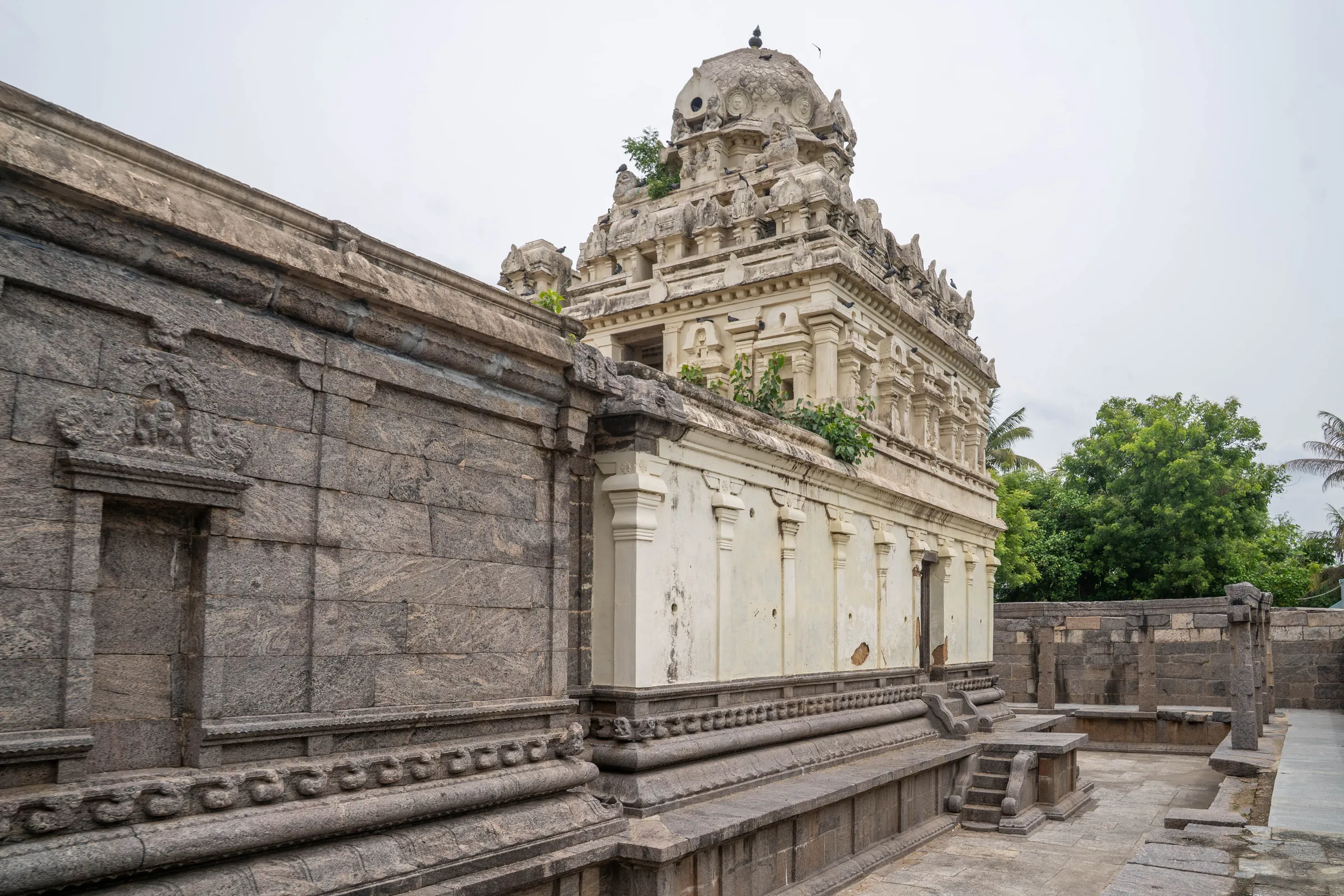
A small, plain-looking temple at Ennayiram that holds a great secret: a long Chōḷa inscription recording a richly endowed Vedic college, with its subjects, teachers and students set out in detail.
This entry documents the temple across three registers, held deliberately apart: the architectural reading of what stands, the archaeological reading of what can be dated and cited, and the mythological reading of what is told.
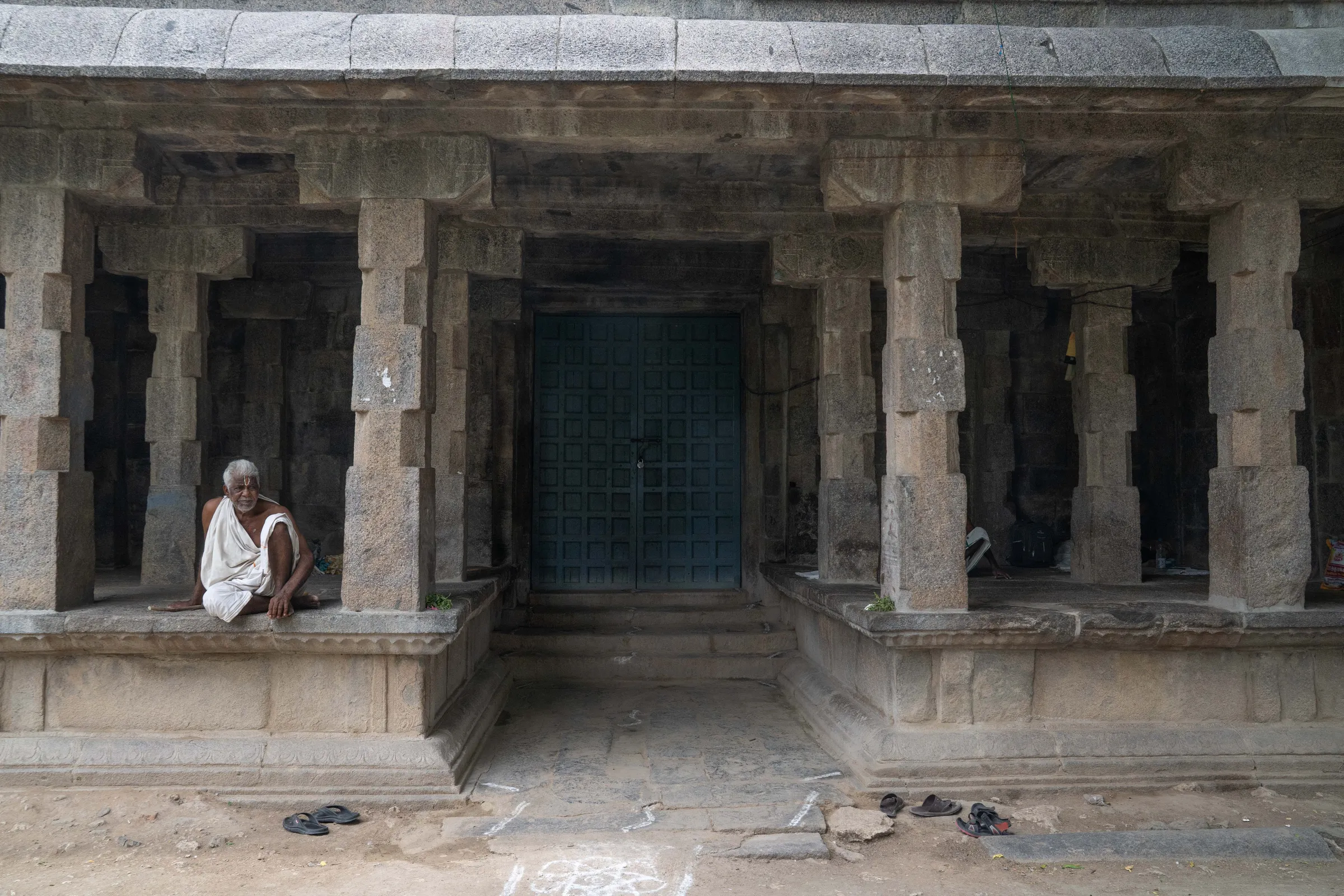
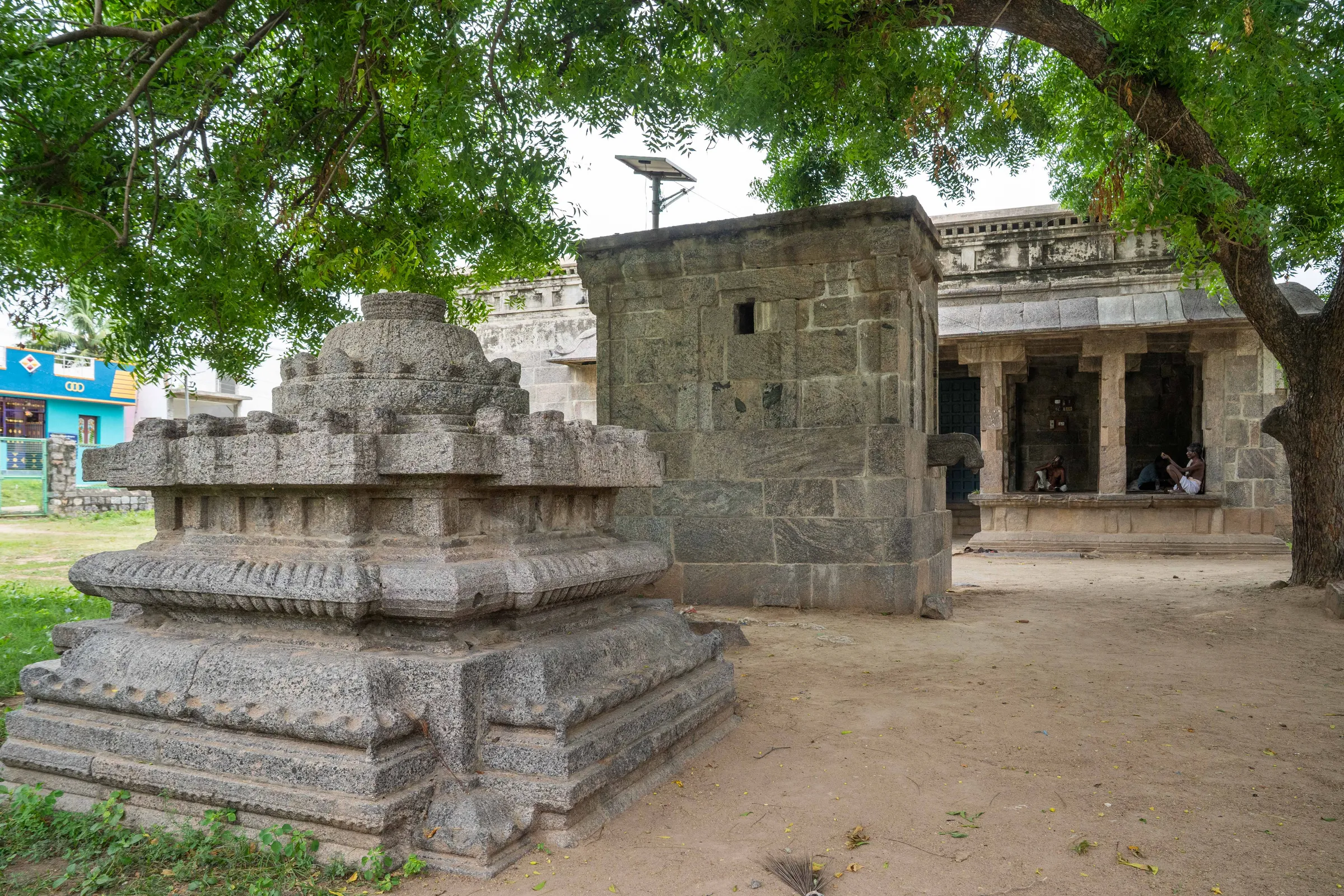
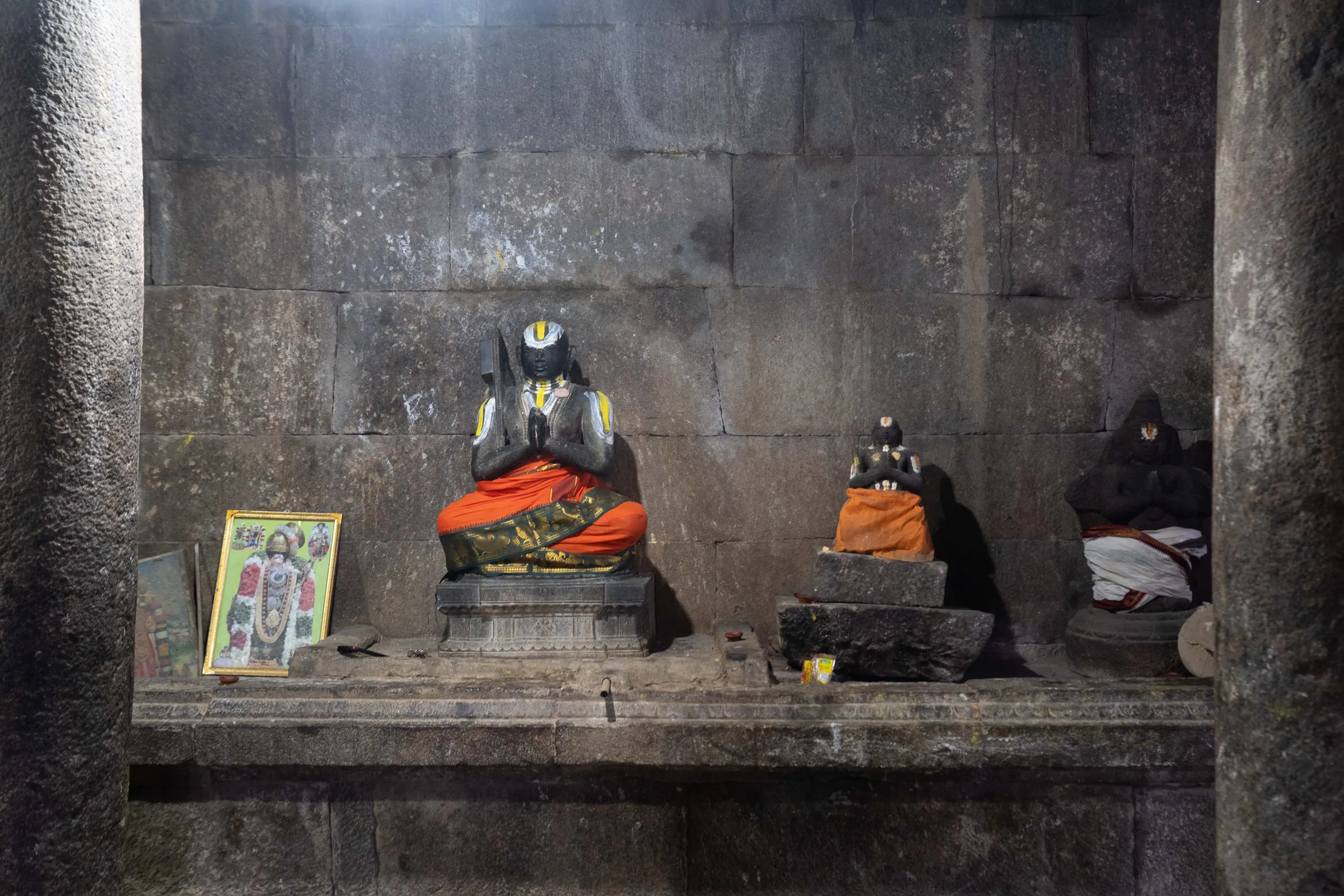
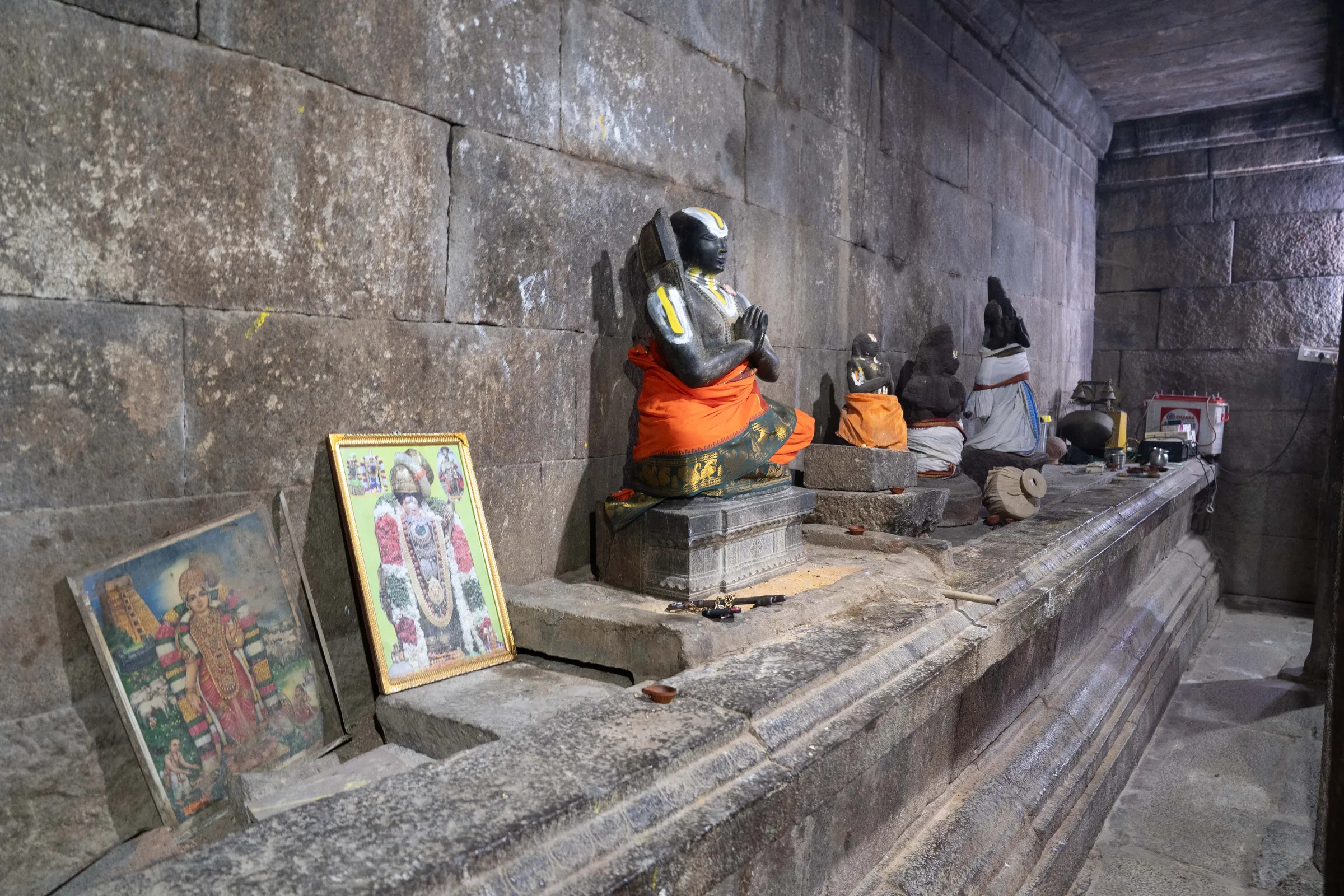
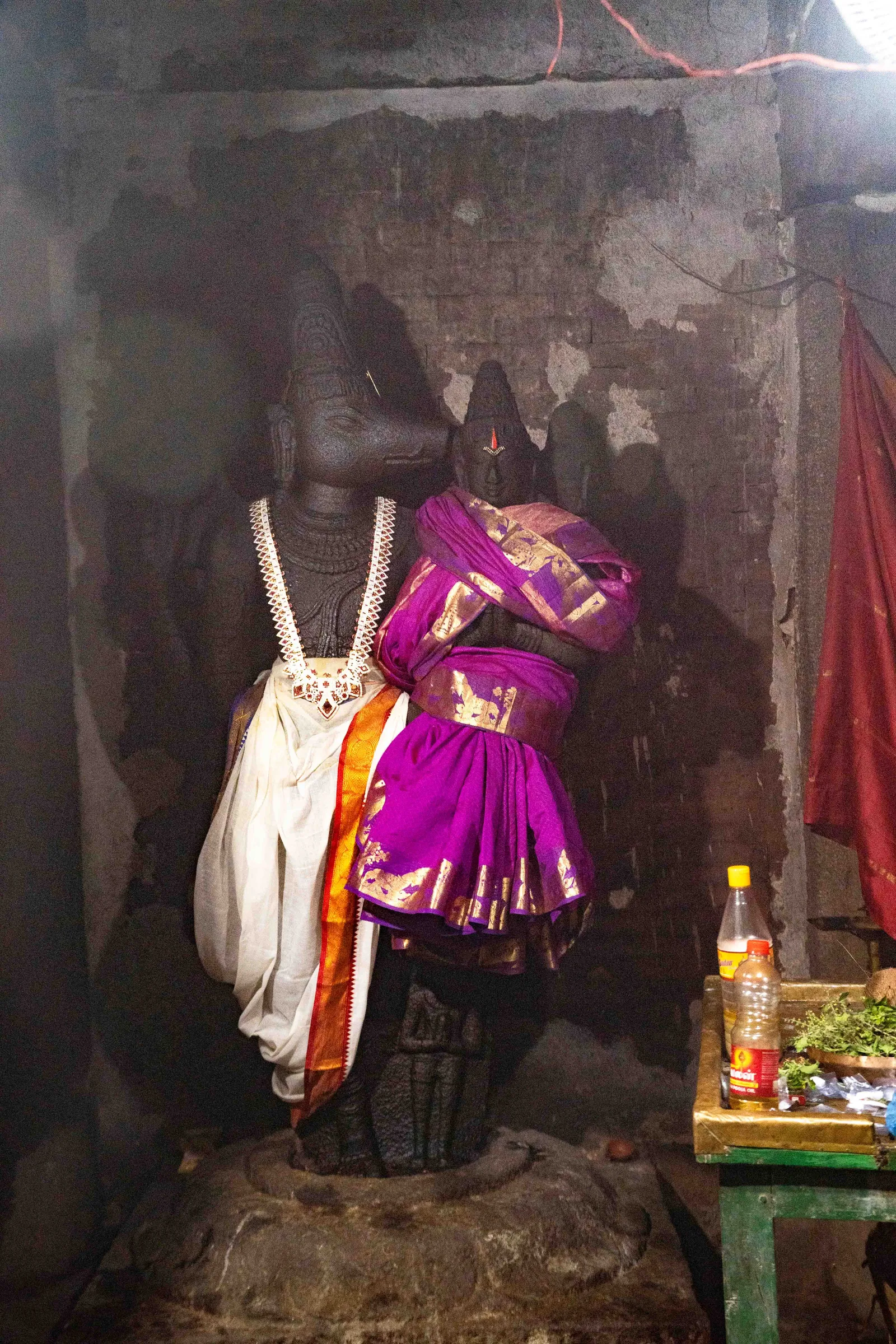
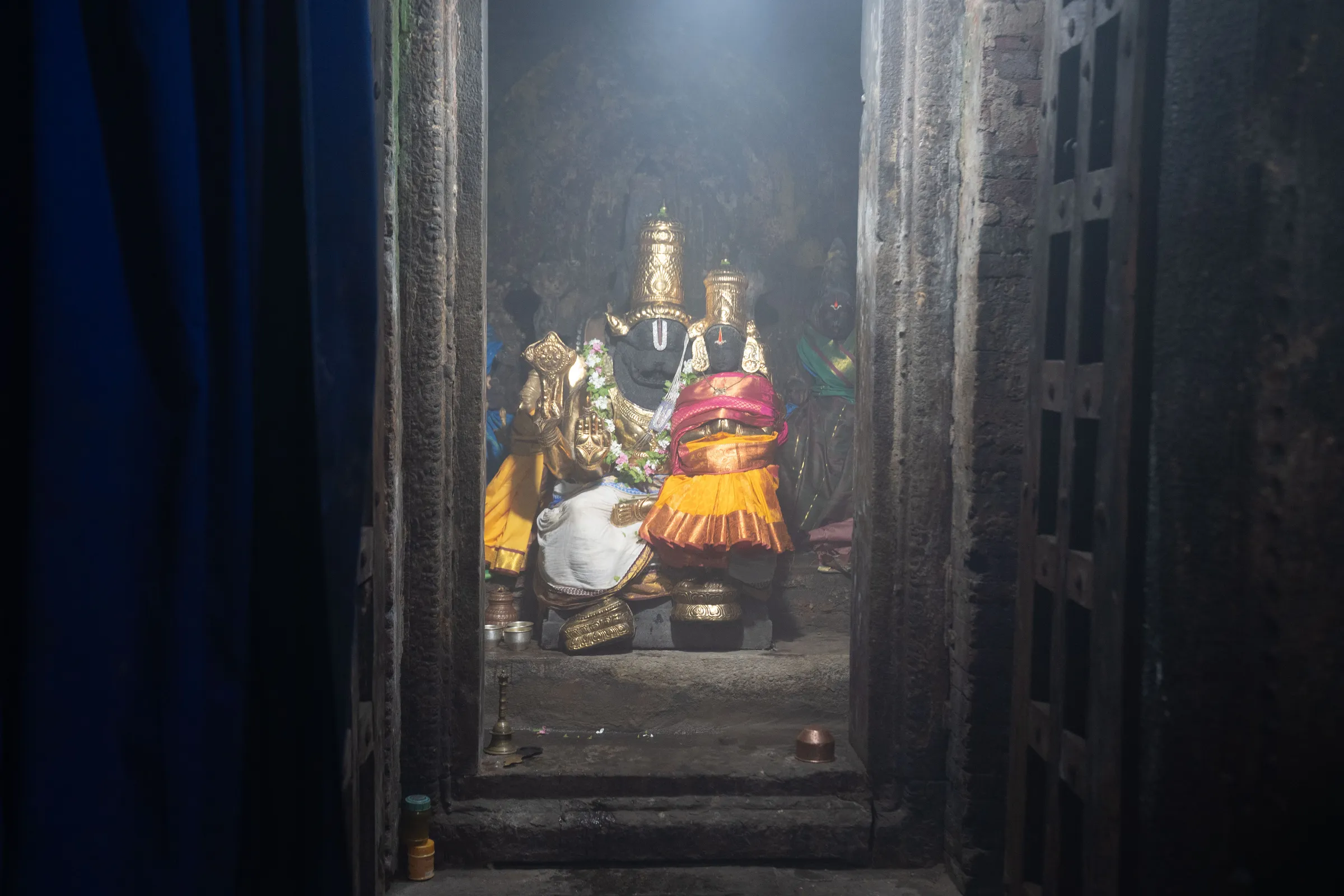
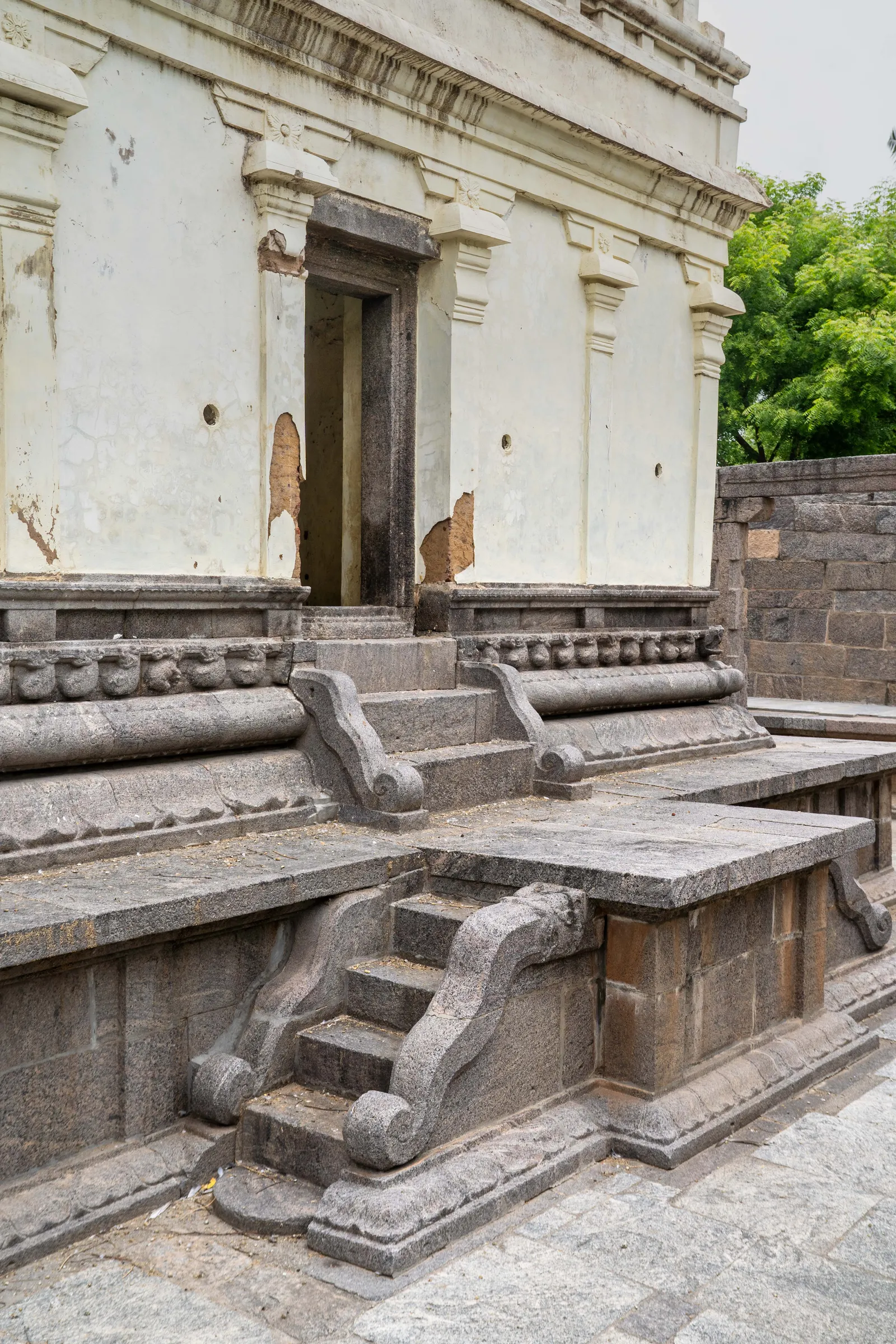
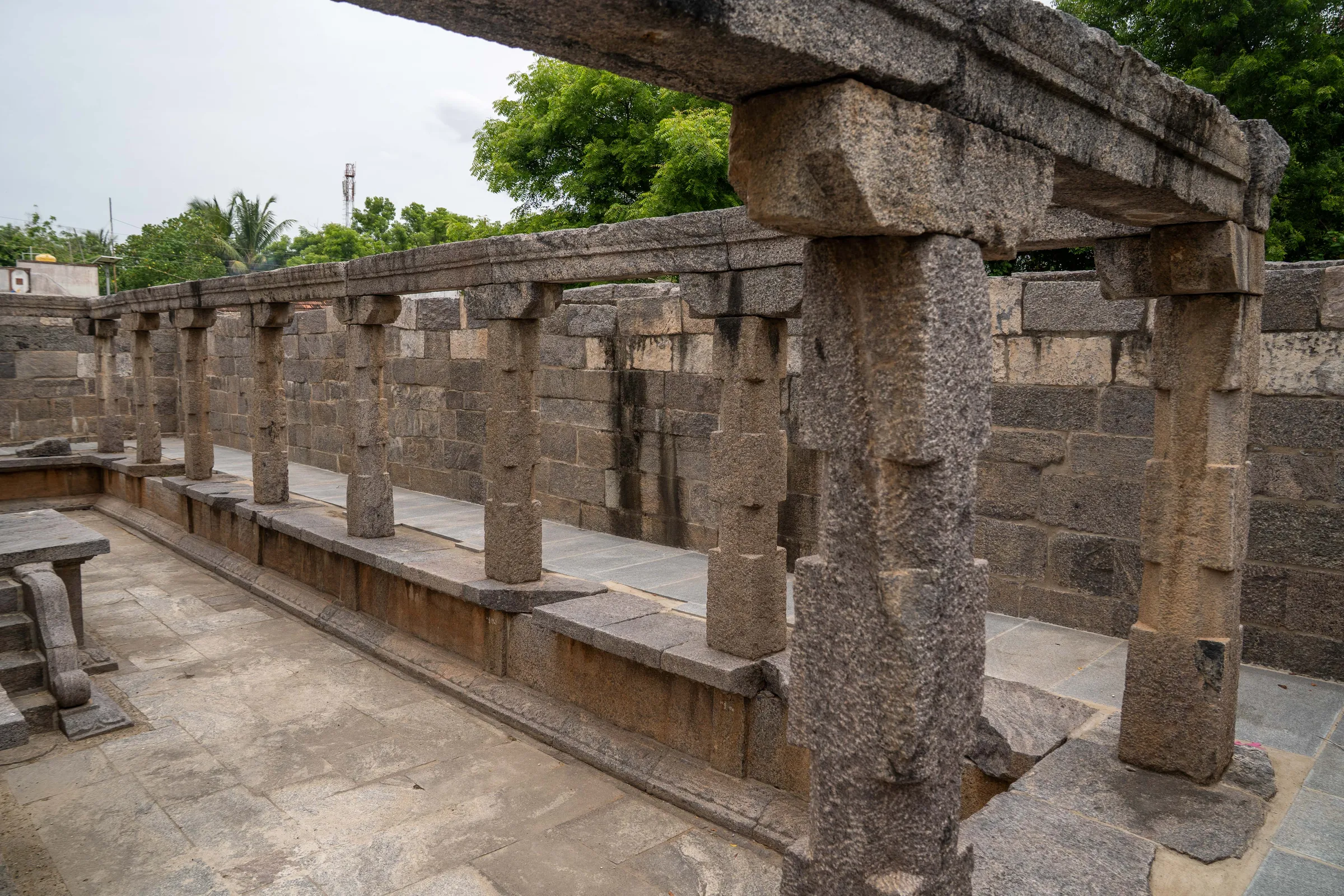
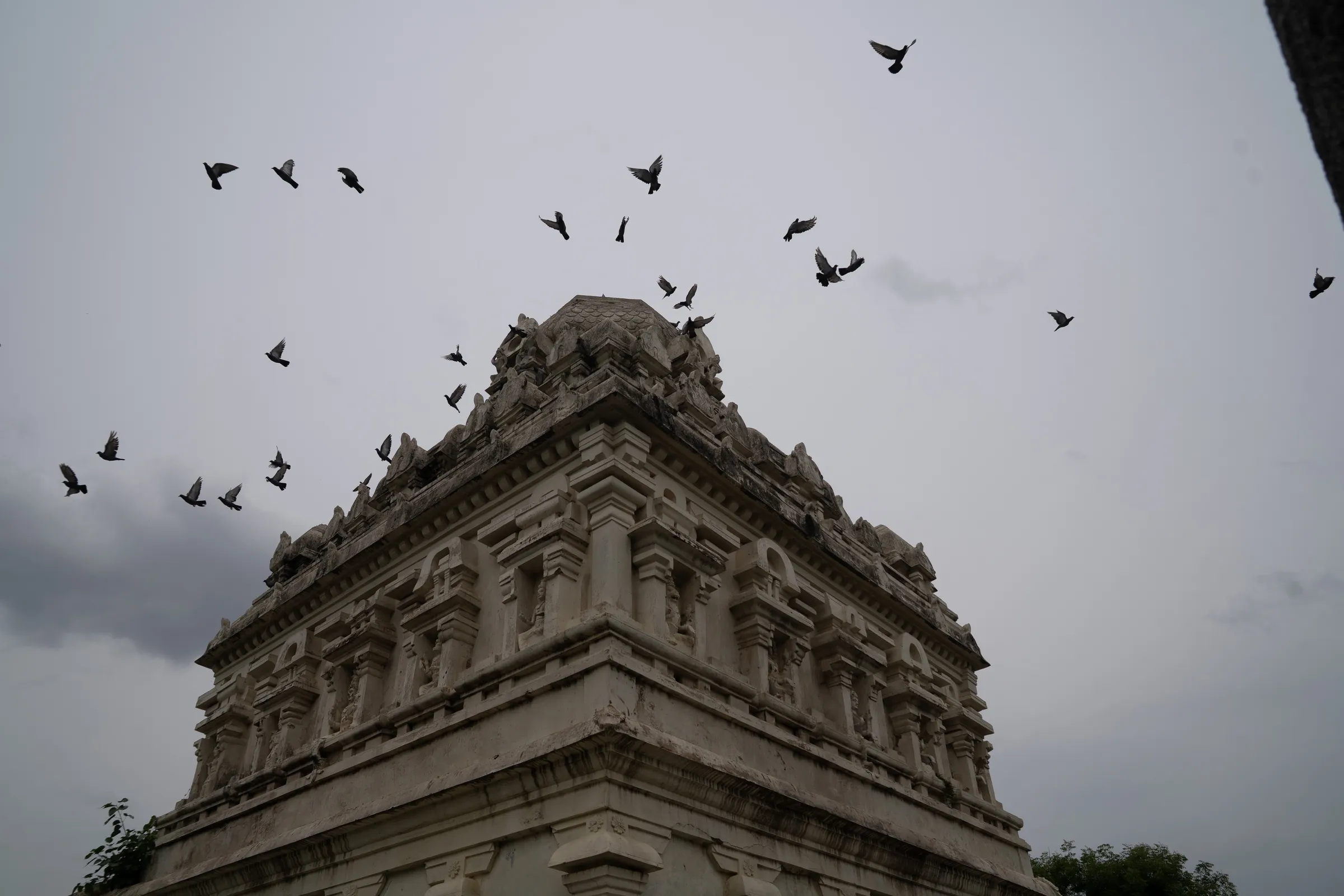
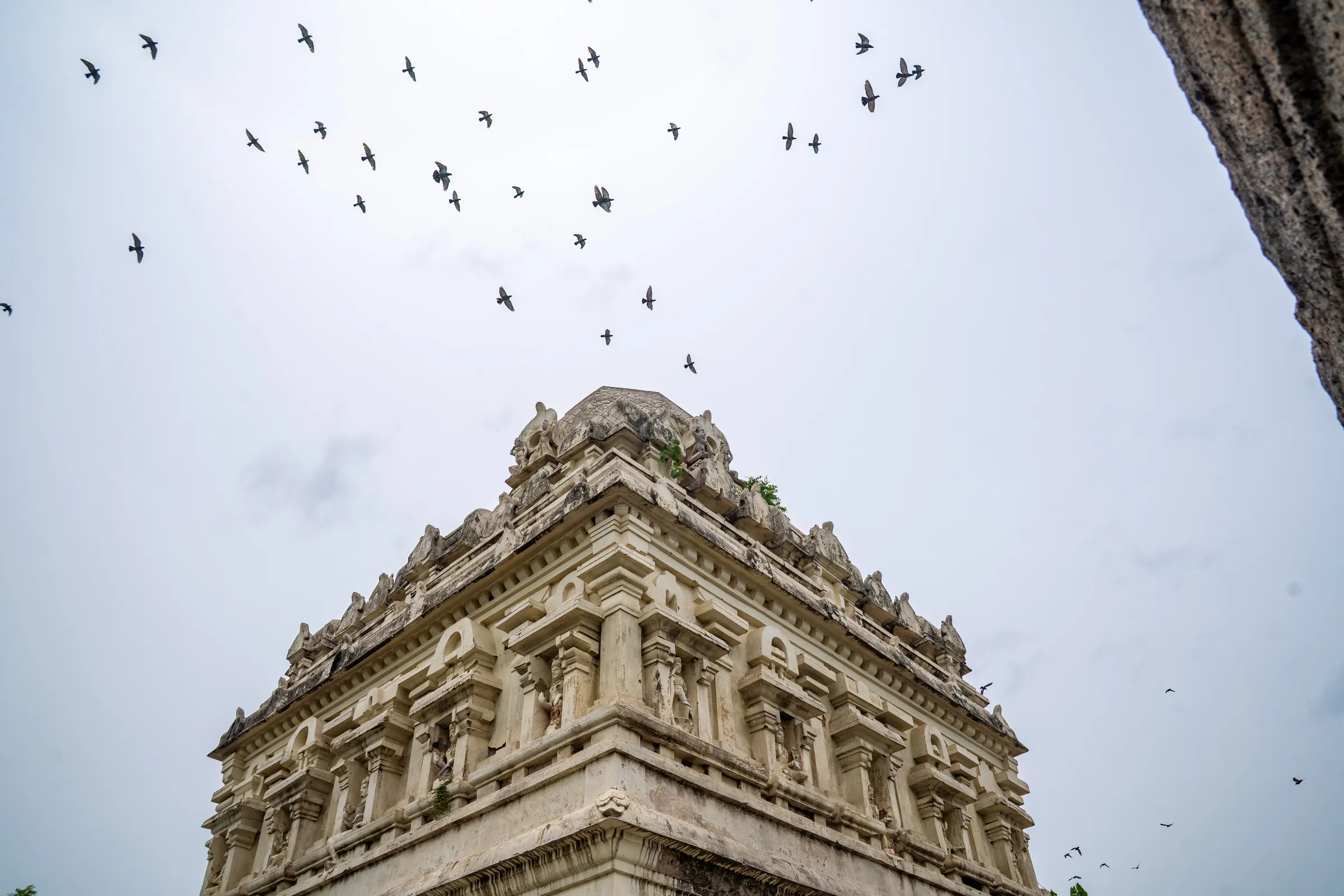
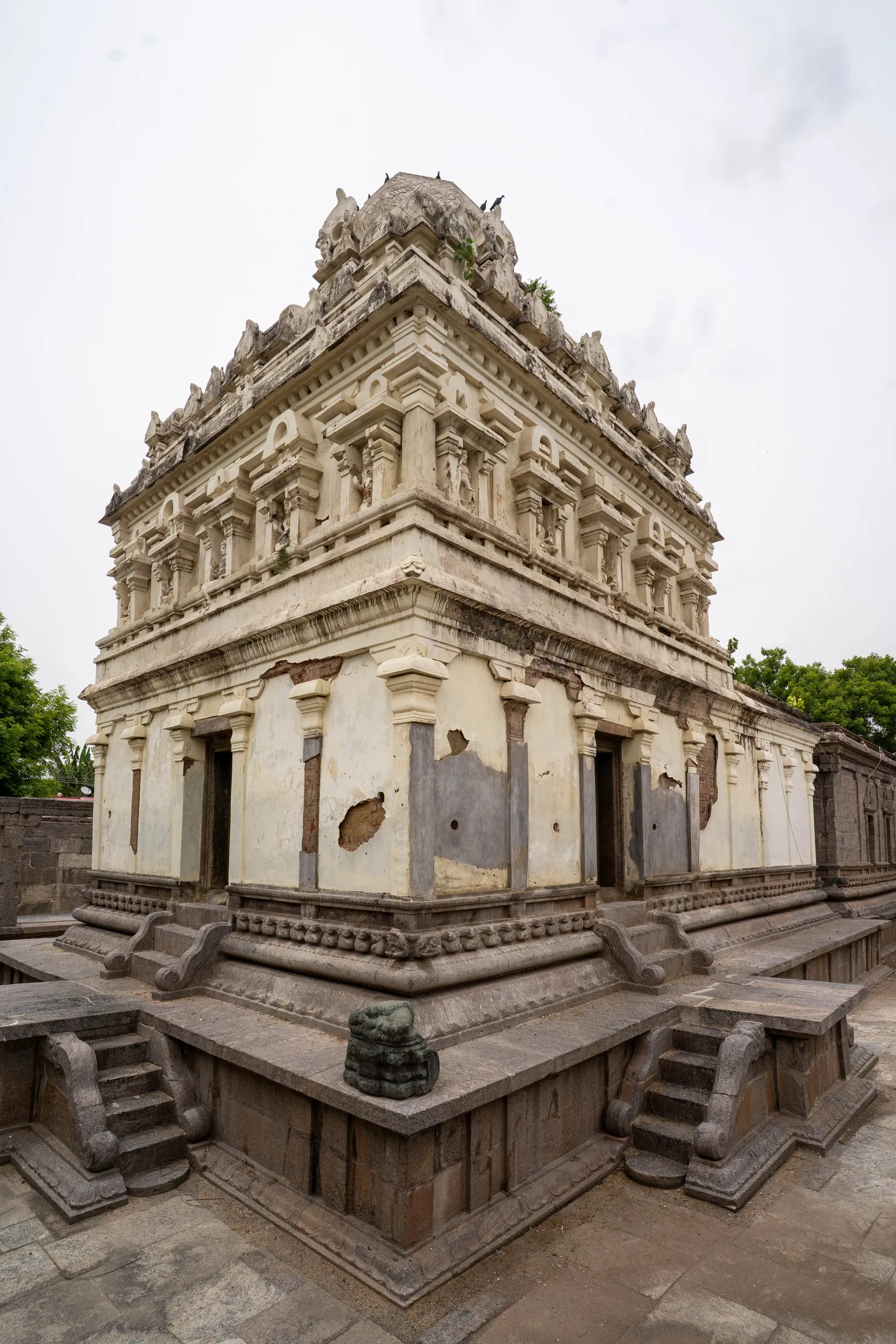
Inside the small temple are the deities of Viṣṇu as Paramapadanatha, Narasimha, Varāha and Madana Gopala.
The village was inhabited before the Common Era, and pottery shards have been found here. The hill carries fine carvings of Jain Tirthankaras and stone beds made for Jain monks. Inscriptions of the Pallava king Nrupatunga, in the 9th century CE, record that this was a sacred place for the Jains.
A long inscription on the outer walls tells of a Vedic college the temple housed during the Chōḷa period, from the reign of Rajendra I in the 11th century. It was made to celebrate his conquest of the north and his new title of Gangai Konda Chola. A mandapa named after the title was built, and the revenue from 45 veli of land was set aside to fund the college in the local Viṣṇu temple. The inscription lists ten subjects, among them the Rig Veda, Yajur Veda, Atharva Veda, Vyakarana and Prabhakara, with the number of teachers and students for each and their allowances of paddy and gold: the largest cohorts, of 75 students each, studied the Rig Veda and Yajur Veda.
The detail suggests a system of higher education robust enough to draw large royal donations, both philosophical and religious as well as practical. It also appears that by this time girls were not formally taught these subjects, though the artistic merit of the temple dancers indicates they were well versed in the performing arts and philosophy.
Inhabited before the Common Era; Pallava inscriptions of Nrupatunga (9th c. CE); long Chōḷa inscription from the reign of Rajendra I (11th c. CE) recording a Vedic college.
The great Vaishnava reformer-saint Ramanuja visited the temple in the 12th century CE.
This is an open, reviewed record. If you have spotted an error or have something to add — a correction, a date, a source, a name in another script — propose it. Every change is reviewed before it joins the record.
“Suggest an edit” opens this entry on GitHub and turns your change into a pull request. “Share feedback” opens a short form. Both go through review.