Rajagopalaswamy Temple, photograph
← Chola Nadu
Entry 035

Rajagopalaswamy Temple

Mannargudi · Tiruvarur · Chōḷa, with Thanjavur Nāyaka additions

At Mannargudi, the place of Vishnu, the Rajagopalaswamy temple is held to have been built by Kulōttuṅga Chōḷa I and made their dynastic shrine by the Thanjavur Nāyakas. It is revered as Dakshina Dwaraka, the southern Dwarka.

The photographs

Plates · 31

Rajagopalaswamy Temple, photograph
© Sai Sanjay Prasath · All rights reserved
Rajagopalaswamy Temple, photograph
© Sai Sanjay Prasath · All rights reserved
Rajagopalaswamy Temple, photograph
© Sai Sanjay Prasath · All rights reserved
Rajagopalaswamy Temple, photograph
© Sai Sanjay Prasath · All rights reserved
Rajagopalaswamy Temple, photograph
© Sai Sanjay Prasath · All rights reserved
Rajagopalaswamy Temple, photograph
© Sai Sanjay Prasath · All rights reserved
Rajagopalaswamy Temple, photograph
© Sai Sanjay Prasath · All rights reserved
Rajagopalaswamy Temple, photograph
© Sai Sanjay Prasath · All rights reserved
Rajagopalaswamy Temple, photograph
© Sai Sanjay Prasath · All rights reserved
Rajagopalaswamy Temple, photograph
© Sai Sanjay Prasath · All rights reserved
Rajagopalaswamy Temple, photograph
© Sai Sanjay Prasath · All rights reserved
Rajagopalaswamy Temple, photograph
© Sai Sanjay Prasath · All rights reserved
Rajagopalaswamy Temple, photograph
© Sai Sanjay Prasath · All rights reserved
Rajagopalaswamy Temple, photograph
© Sai Sanjay Prasath · All rights reserved
Rajagopalaswamy Temple, photograph
© Sai Sanjay Prasath · All rights reserved
Rajagopalaswamy Temple, photograph
© Sai Sanjay Prasath · All rights reserved
Rajagopalaswamy Temple, photograph
© Sai Sanjay Prasath · All rights reserved
Rajagopalaswamy Temple, photograph
© Sai Sanjay Prasath · All rights reserved
Rajagopalaswamy Temple, photograph
© Sai Sanjay Prasath · All rights reserved
Rajagopalaswamy Temple, photograph
© Sai Sanjay Prasath · All rights reserved
Rajagopalaswamy Temple, photograph
© Sai Sanjay Prasath · All rights reserved
Rajagopalaswamy Temple, photograph
© Sai Sanjay Prasath · All rights reserved
Rajagopalaswamy Temple, photograph
© Sai Sanjay Prasath · All rights reserved
Rajagopalaswamy Temple, photograph
© Sai Sanjay Prasath · All rights reserved
Rajagopalaswamy Temple, photograph
© Sai Sanjay Prasath · All rights reserved
Rajagopalaswamy Temple, photograph
© Sai Sanjay Prasath · All rights reserved
Rajagopalaswamy Temple, photograph
© Sai Sanjay Prasath · All rights reserved
Rajagopalaswamy Temple, photograph
© Sai Sanjay Prasath · All rights reserved
Rajagopalaswamy Temple, photograph
© Sai Sanjay Prasath · All rights reserved
Rajagopalaswamy Temple, photograph
© Sai Sanjay Prasath · All rights reserved
01

Architectural

structure & vocabulary

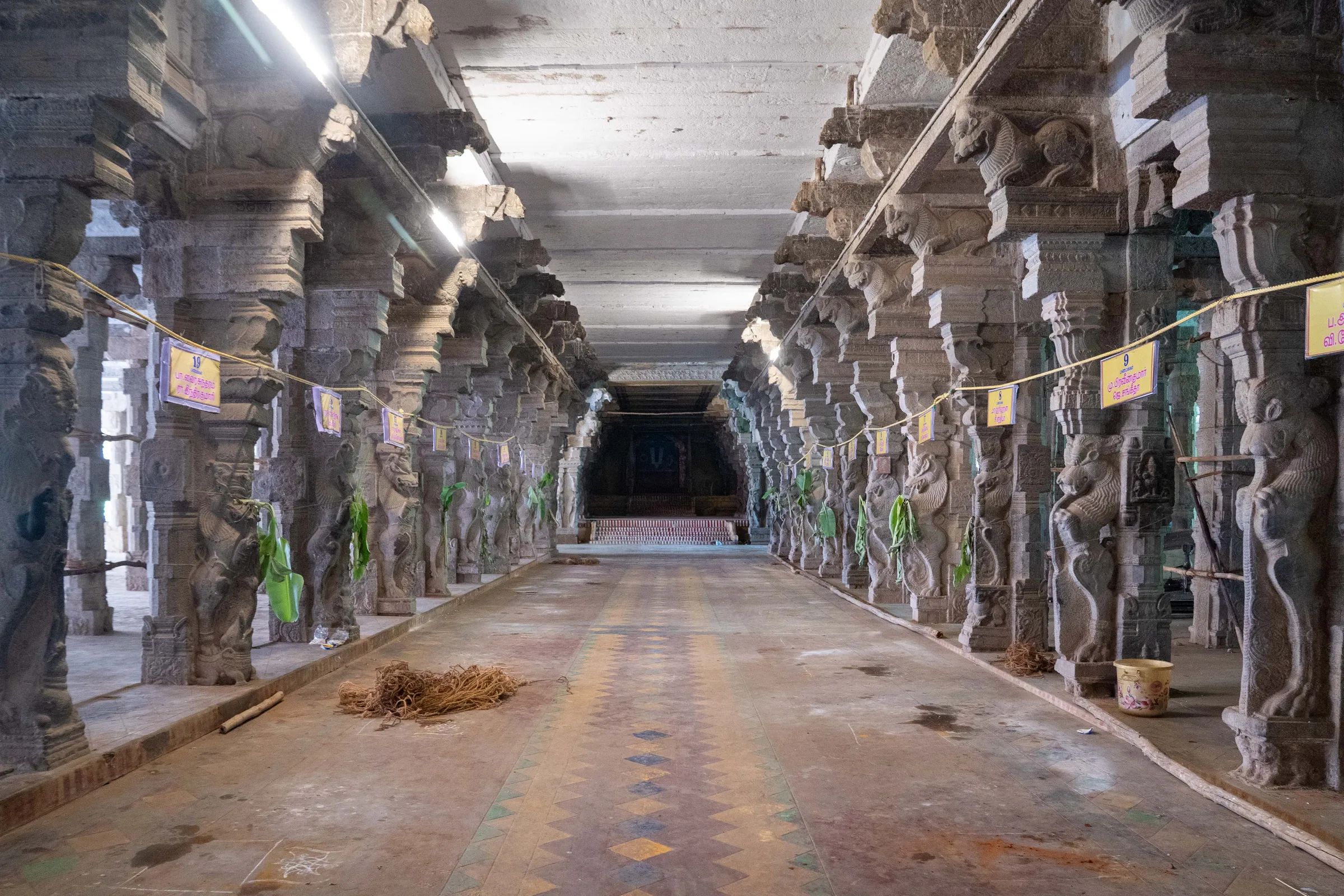
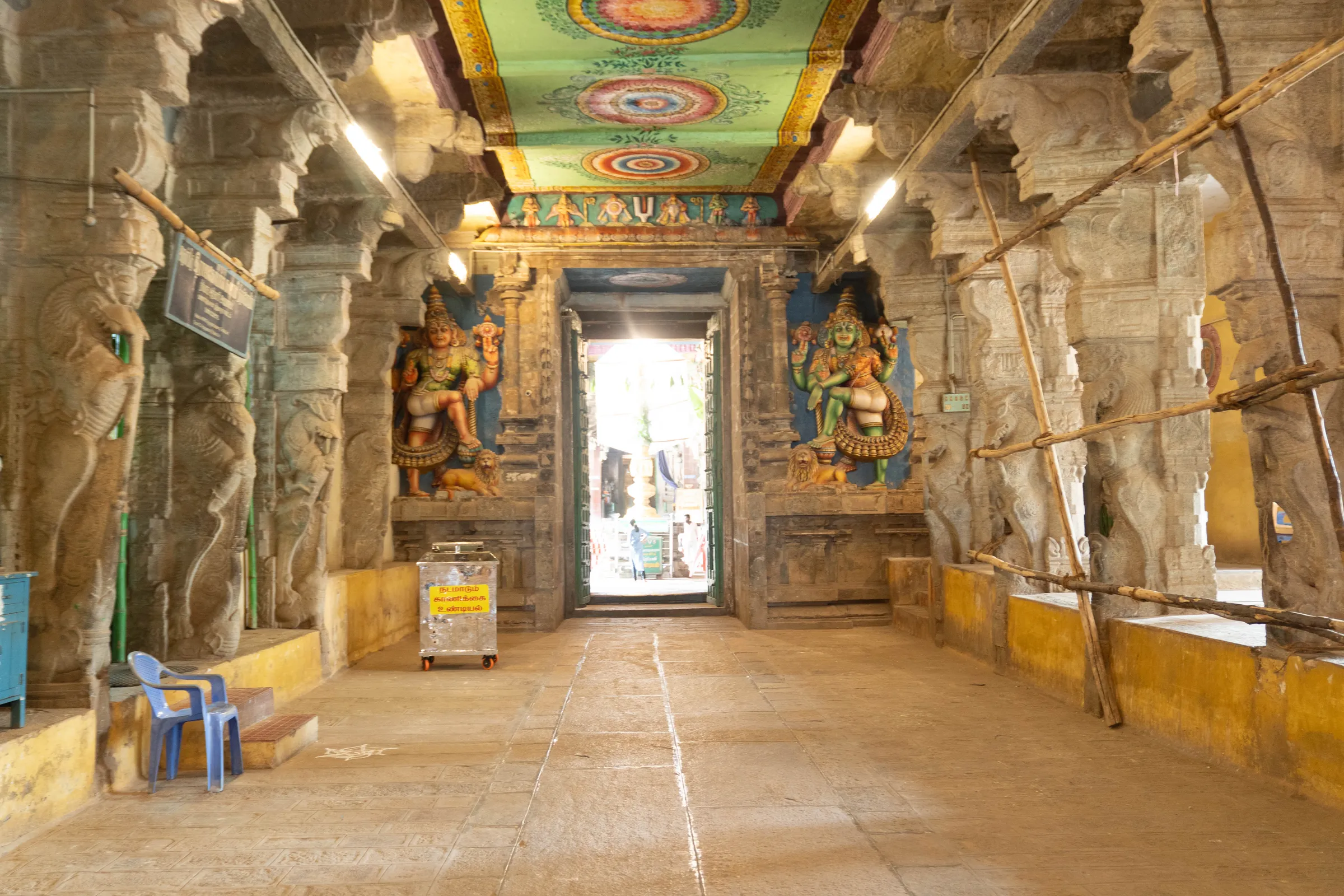
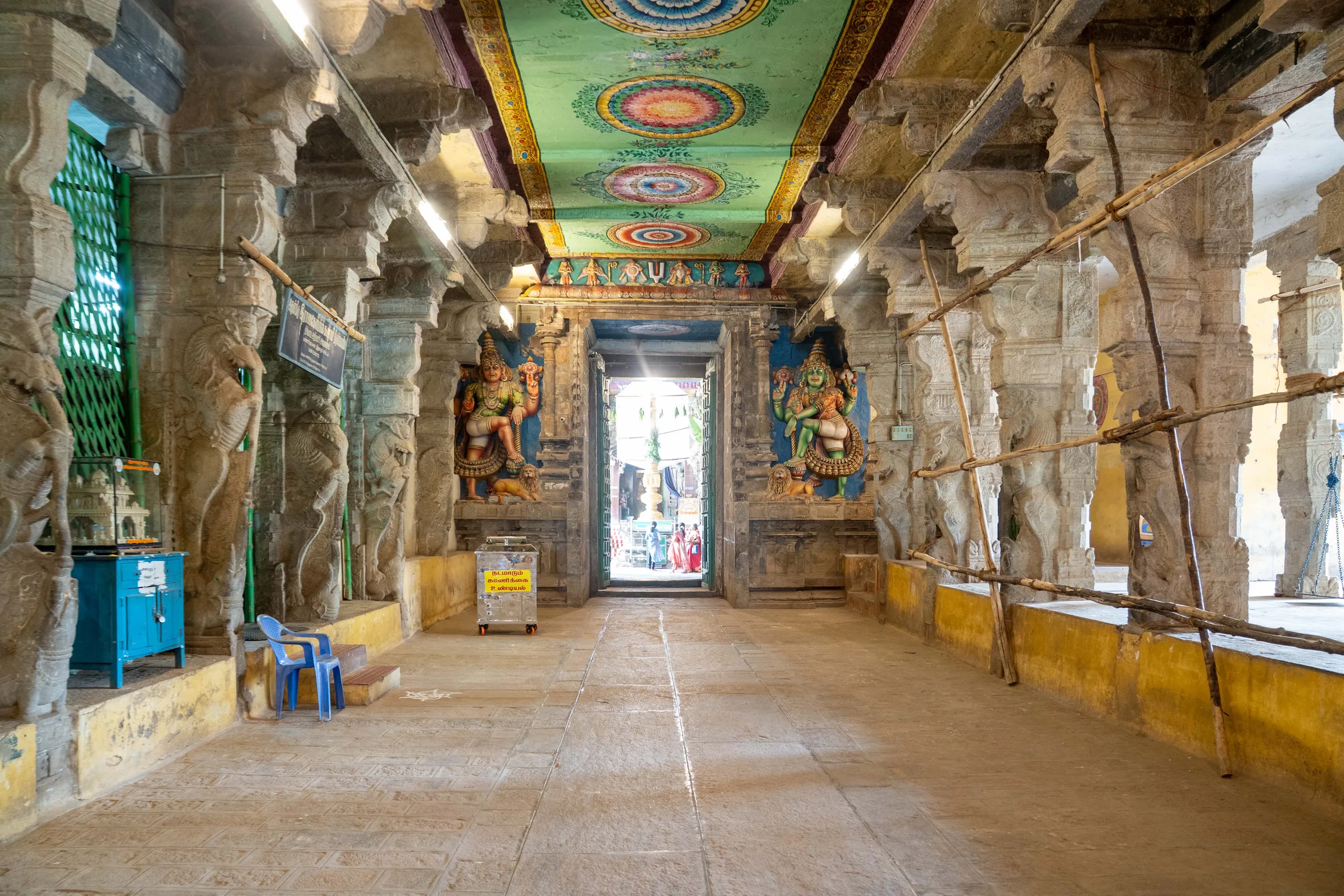
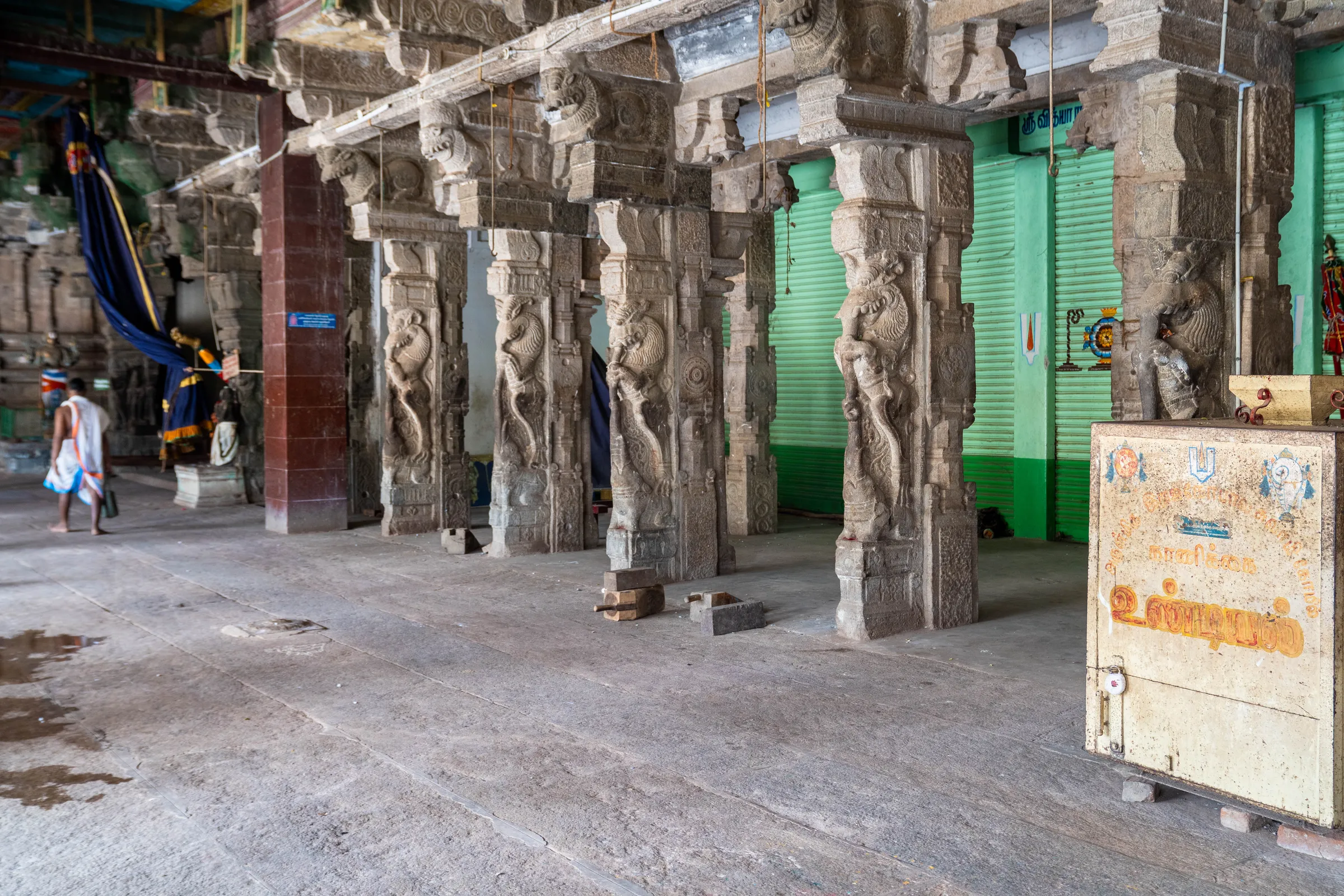
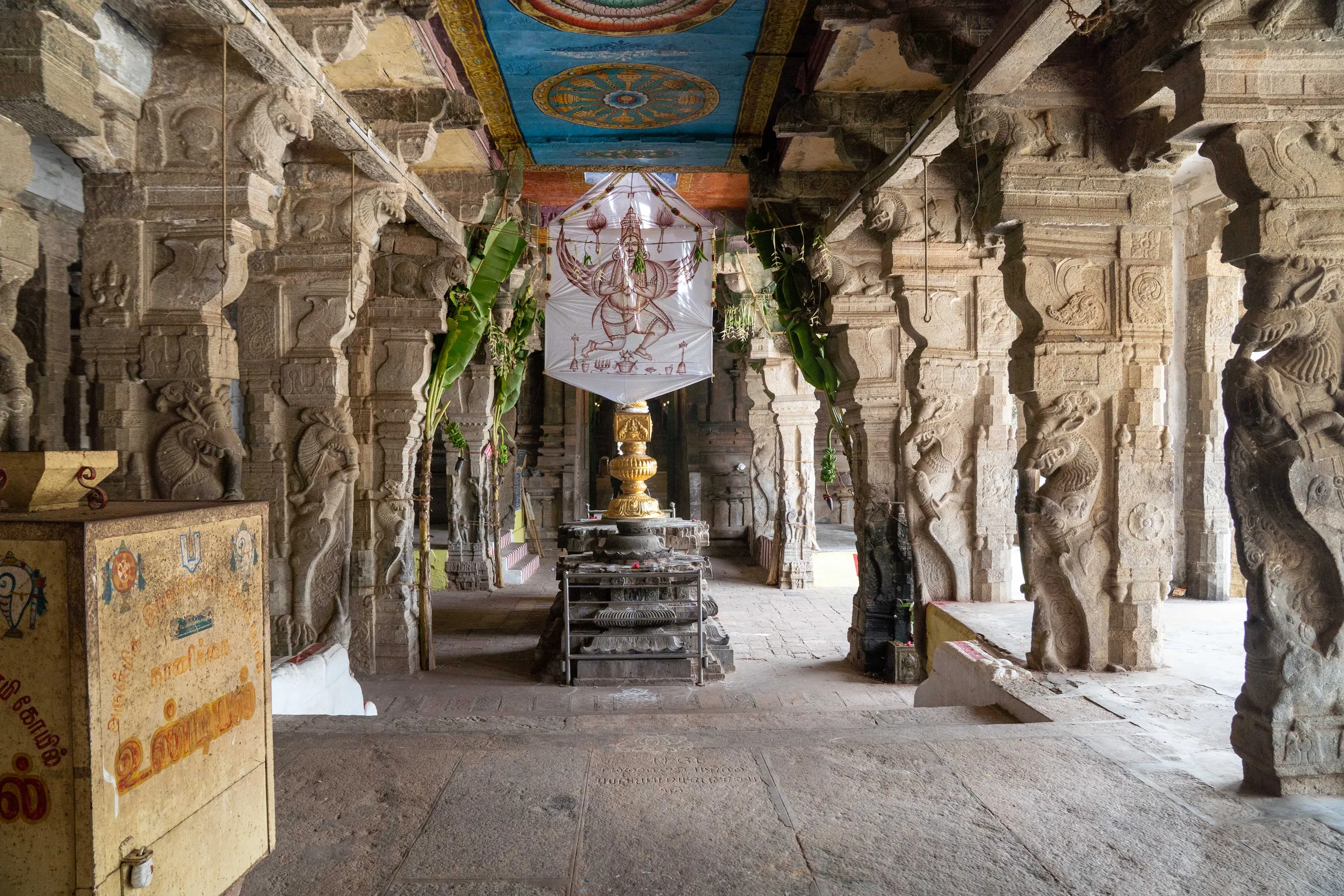
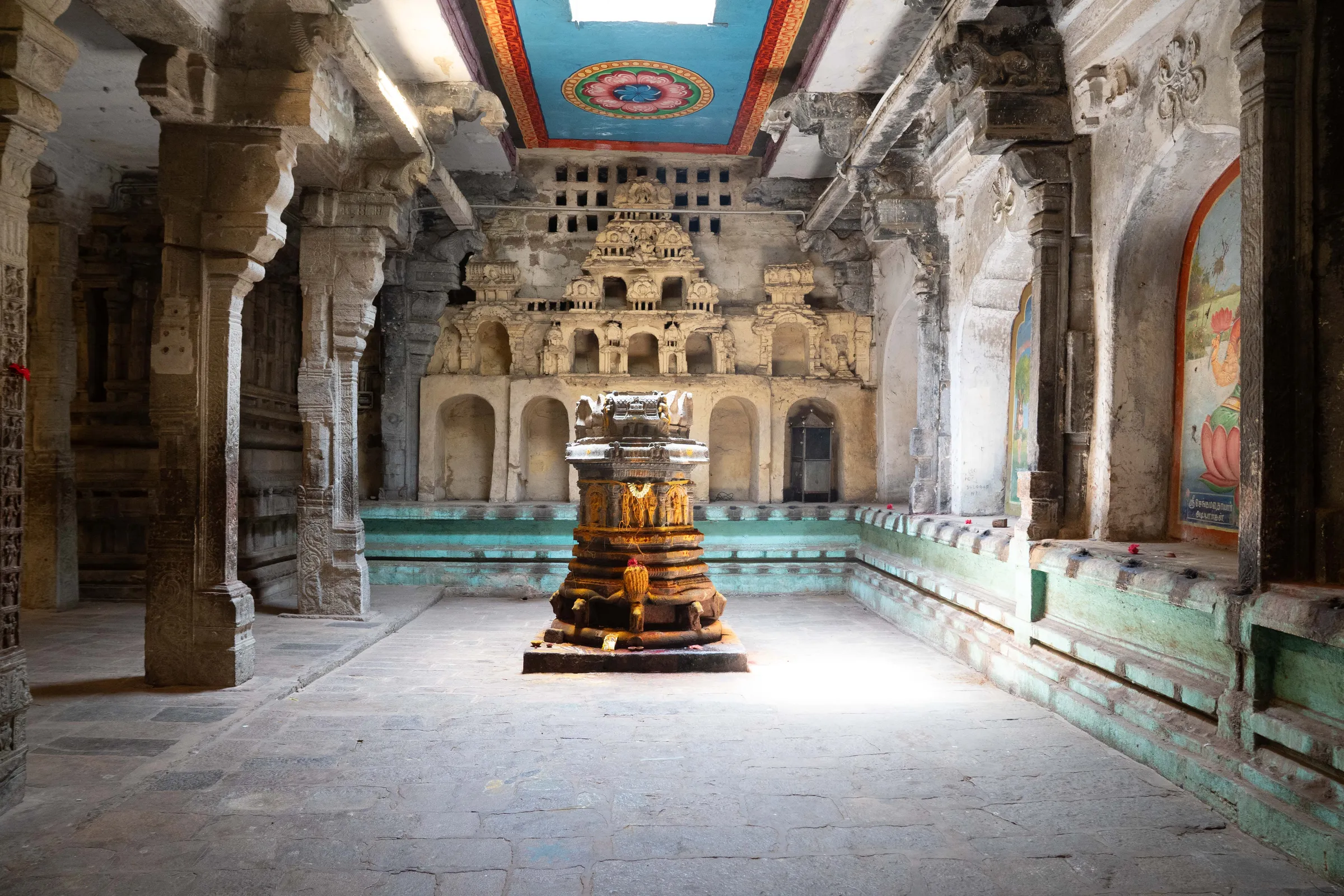
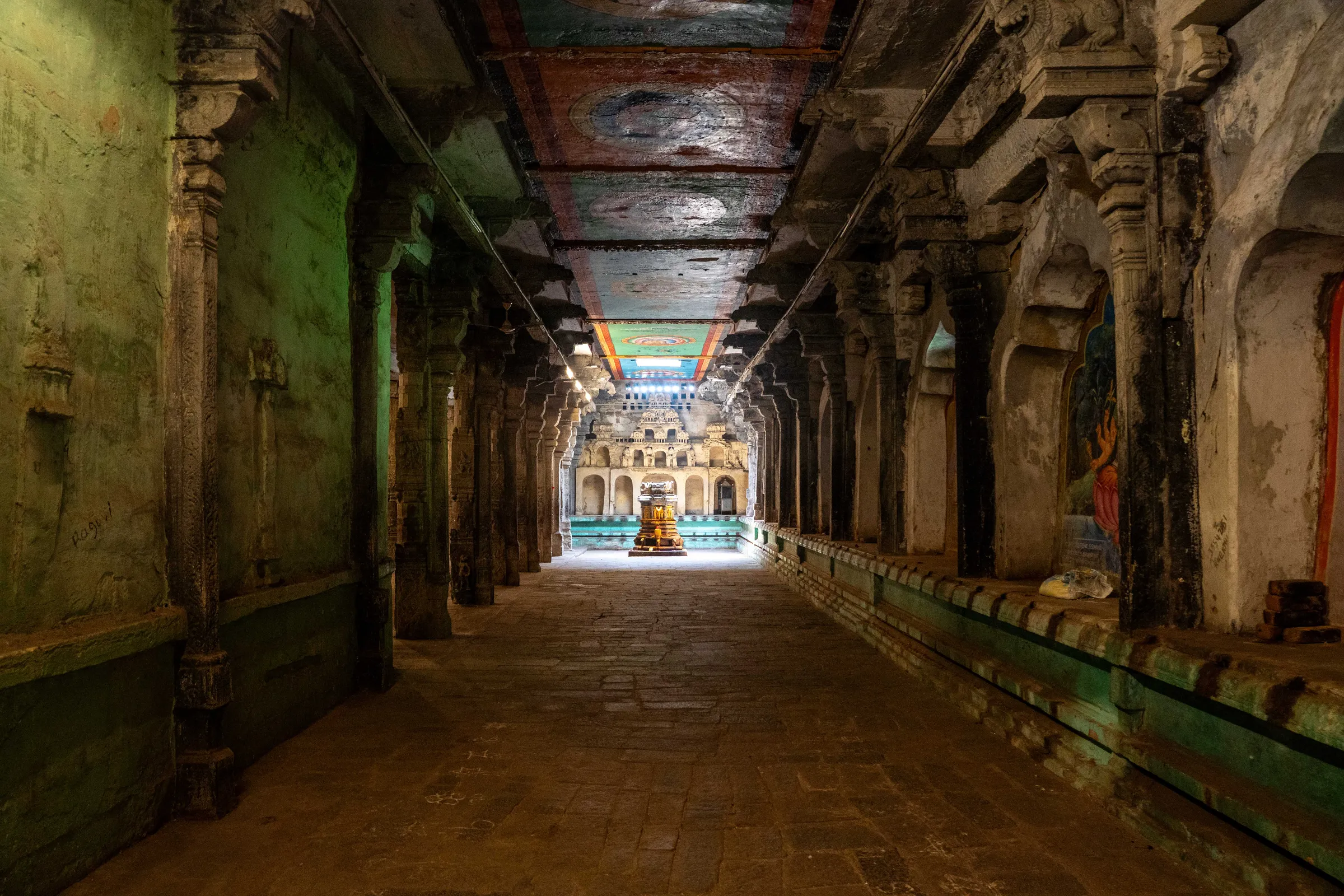
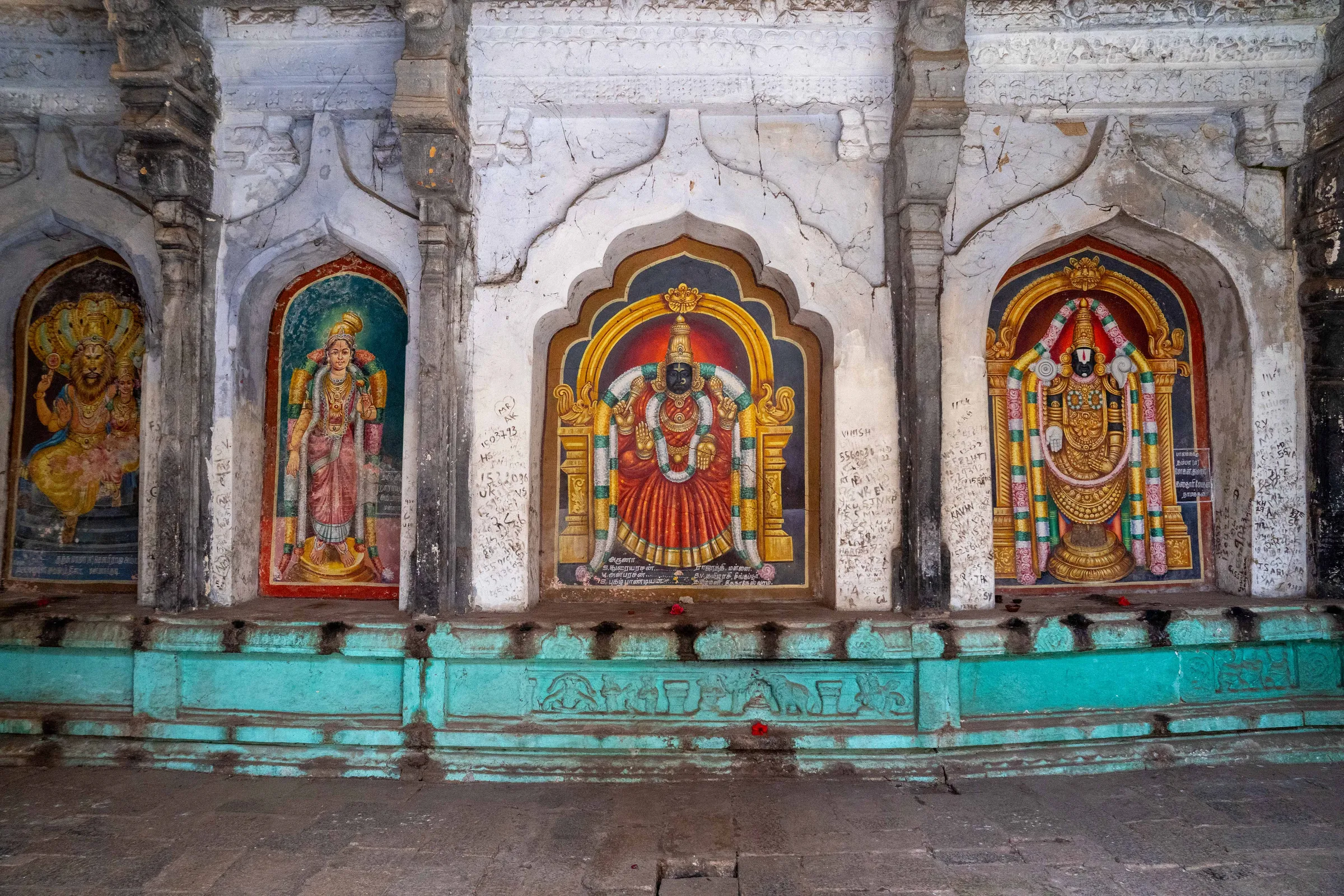
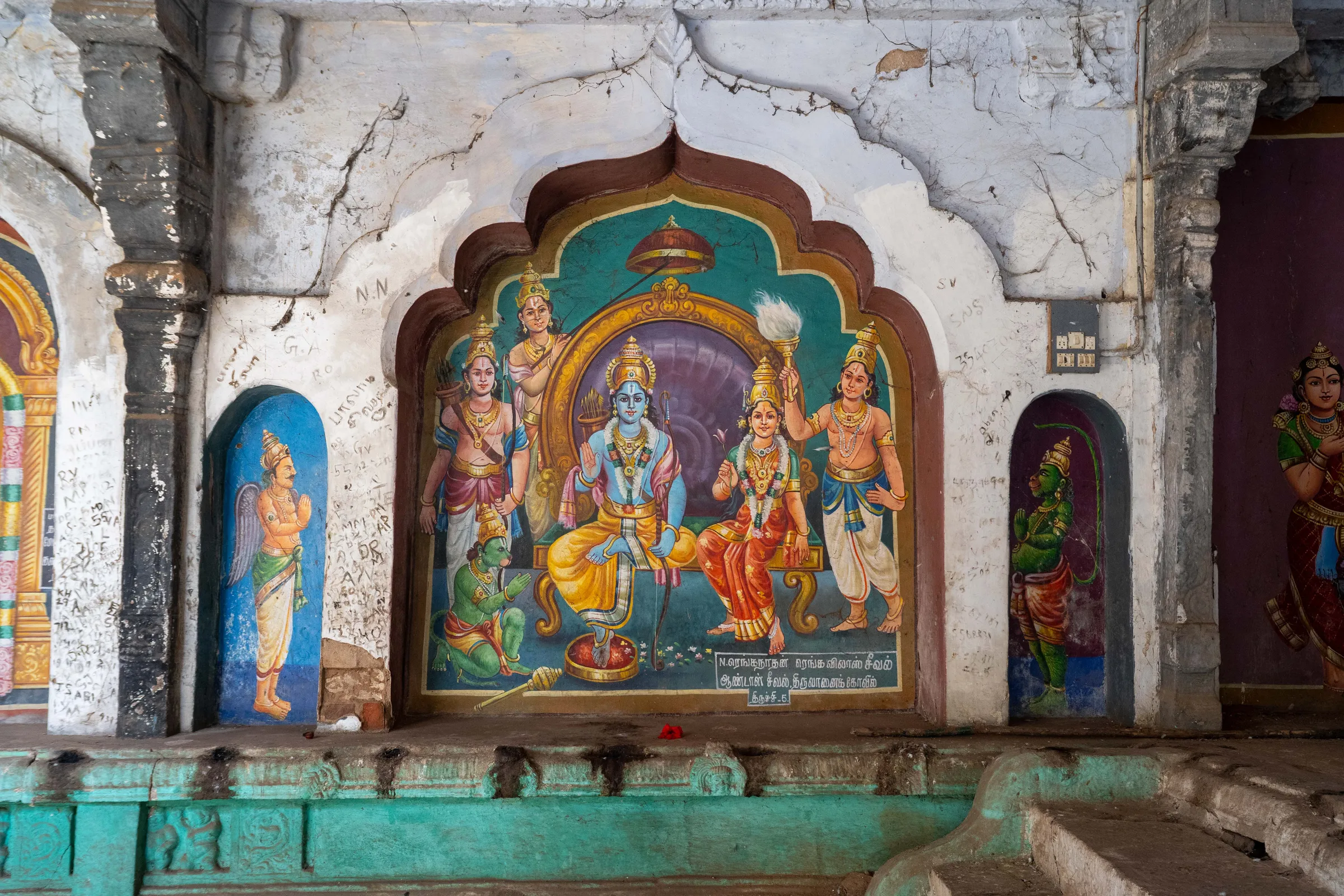
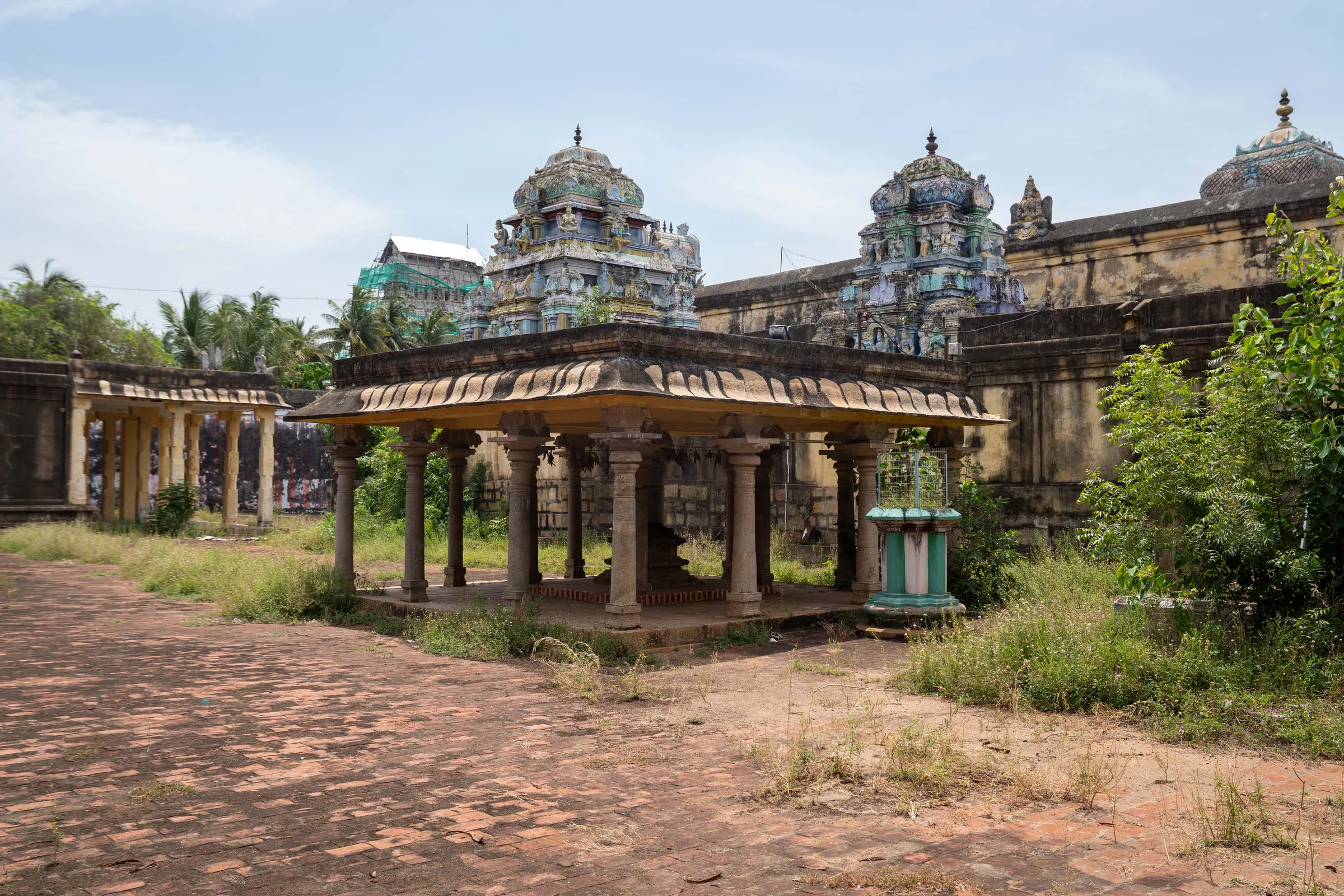
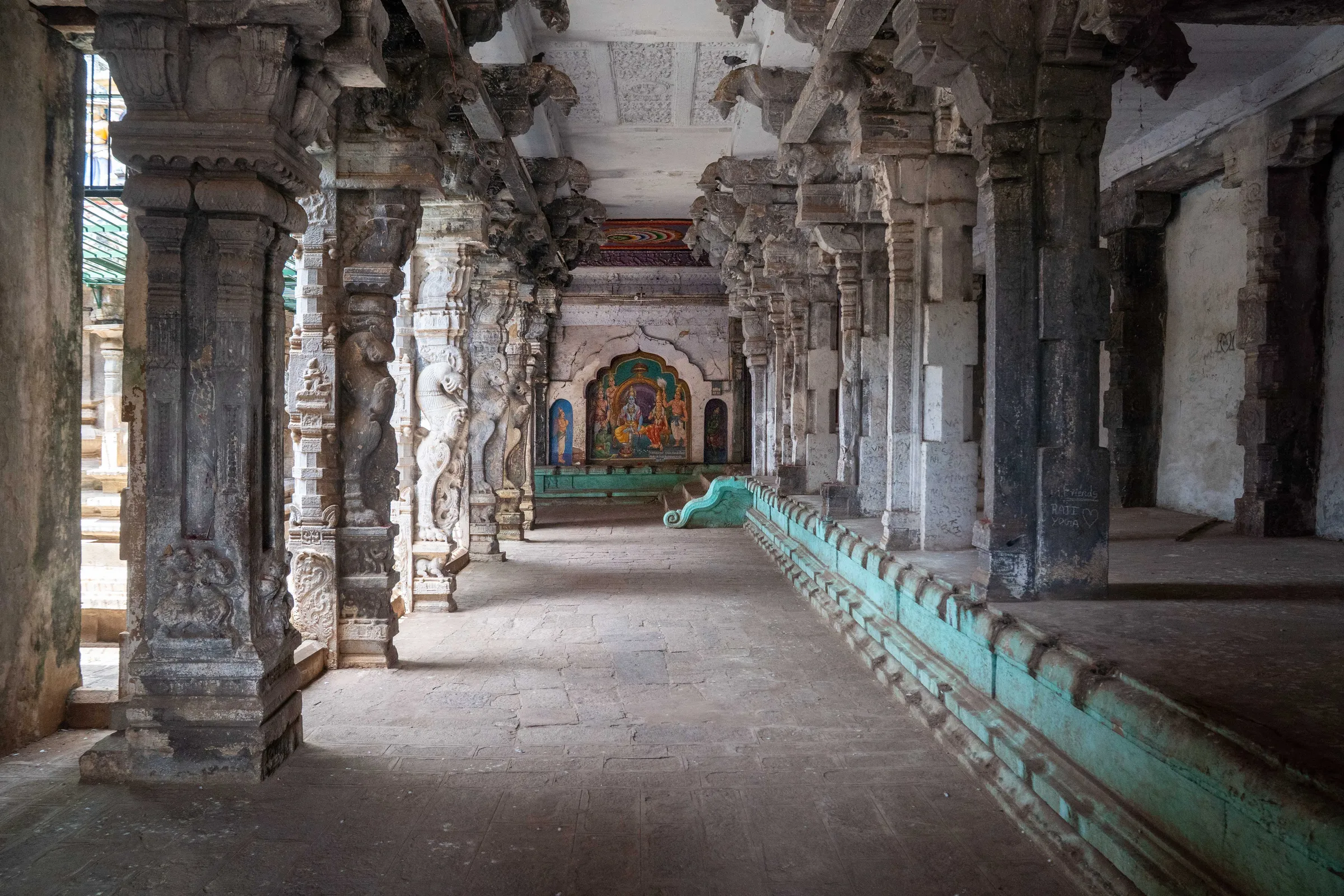
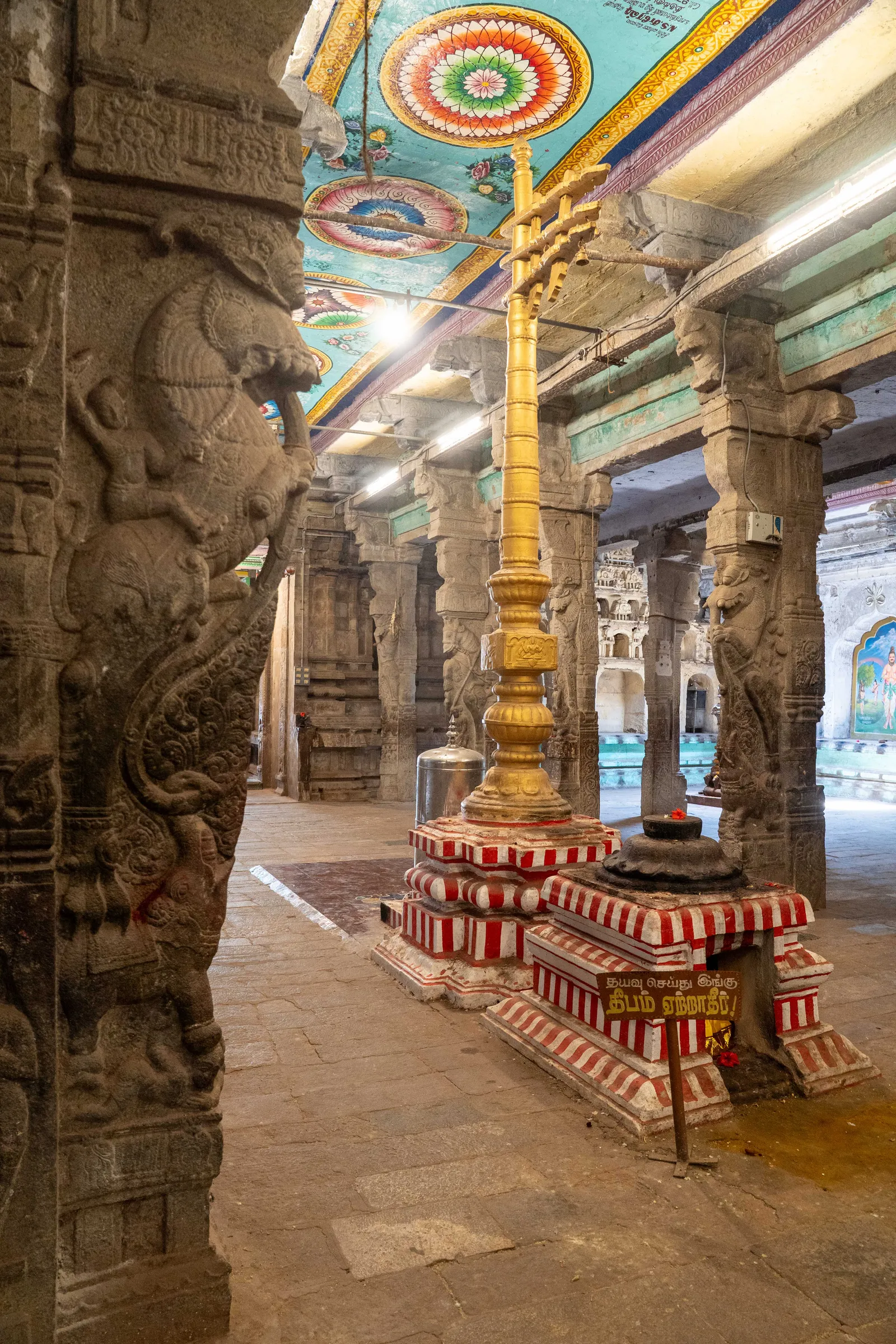
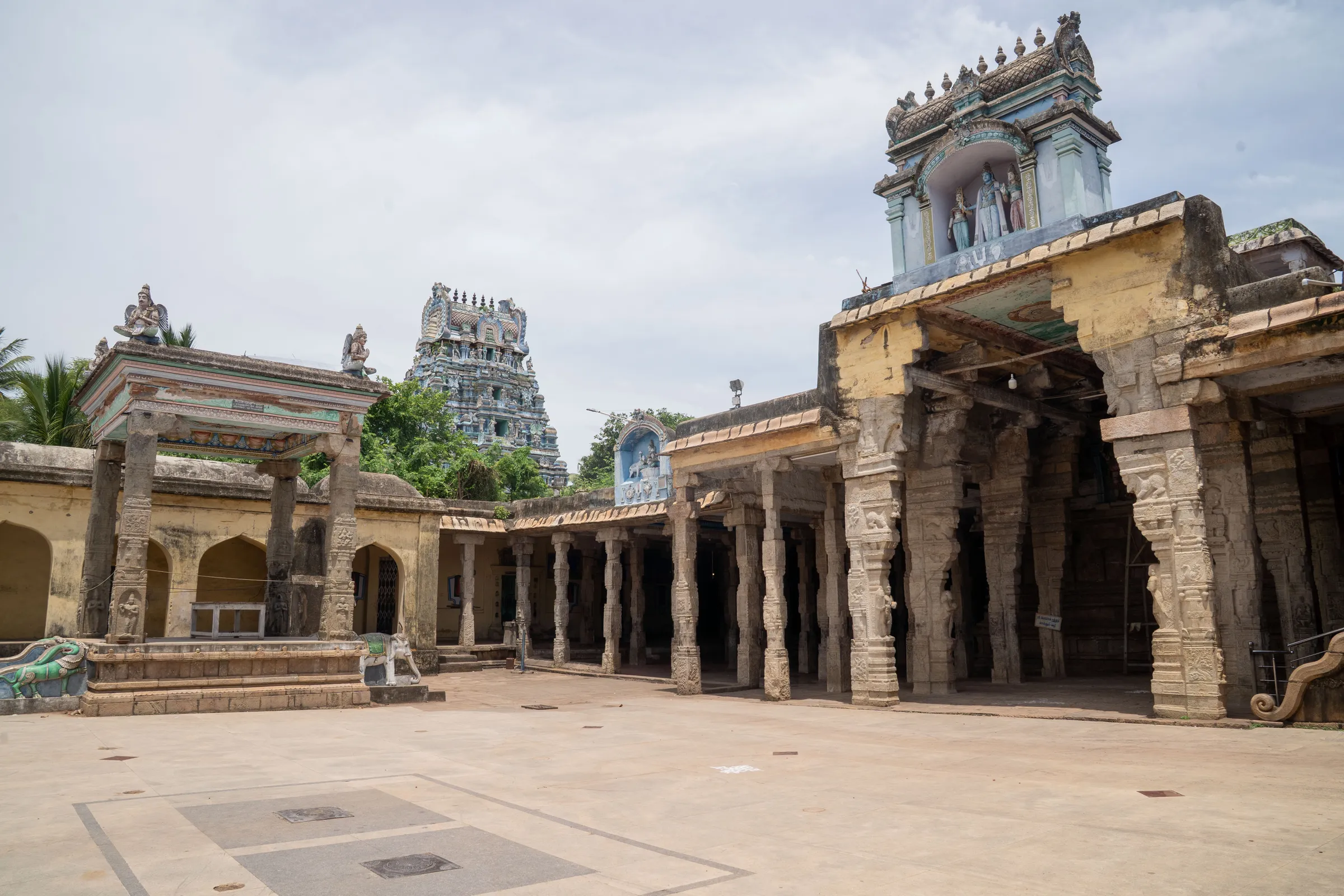
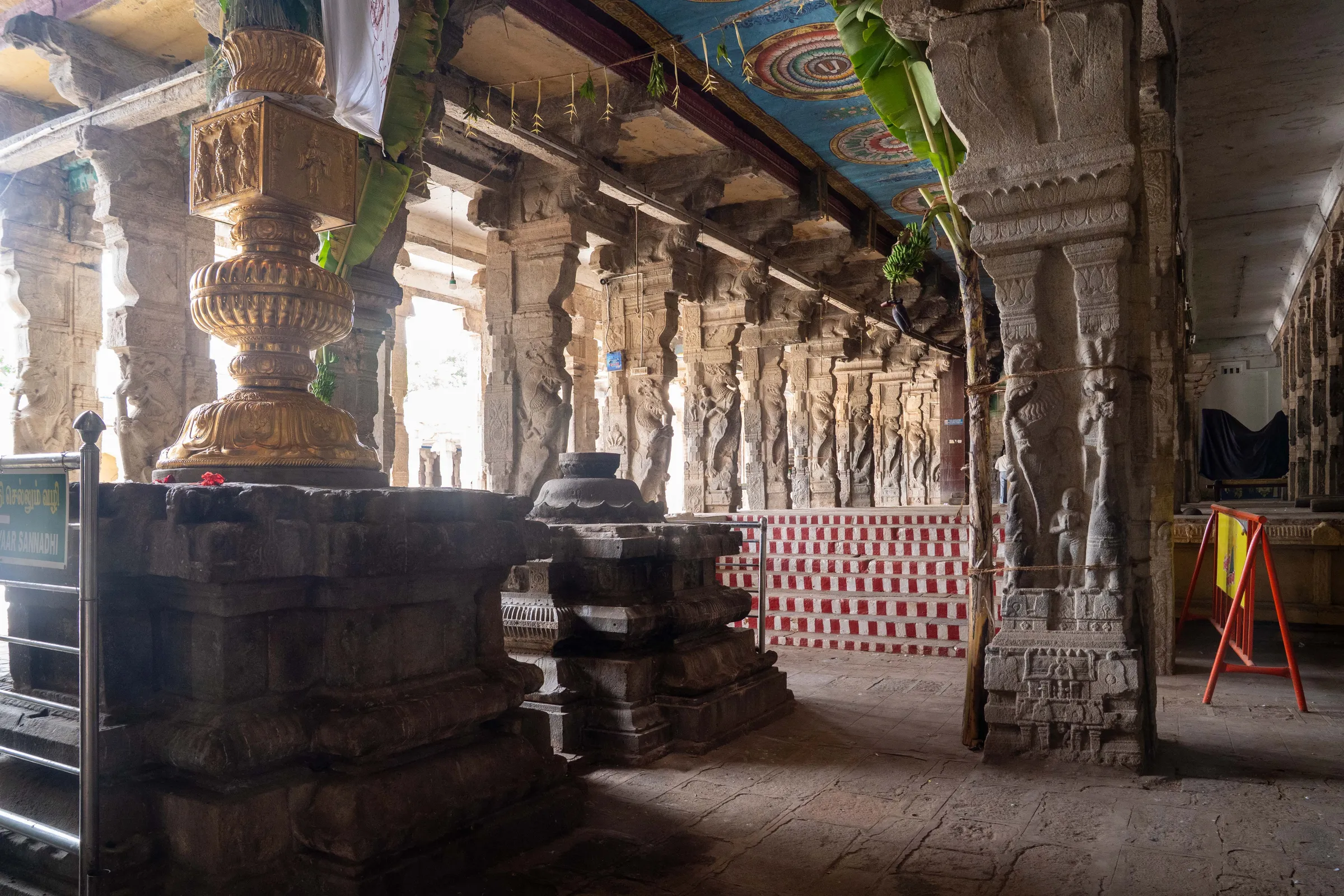
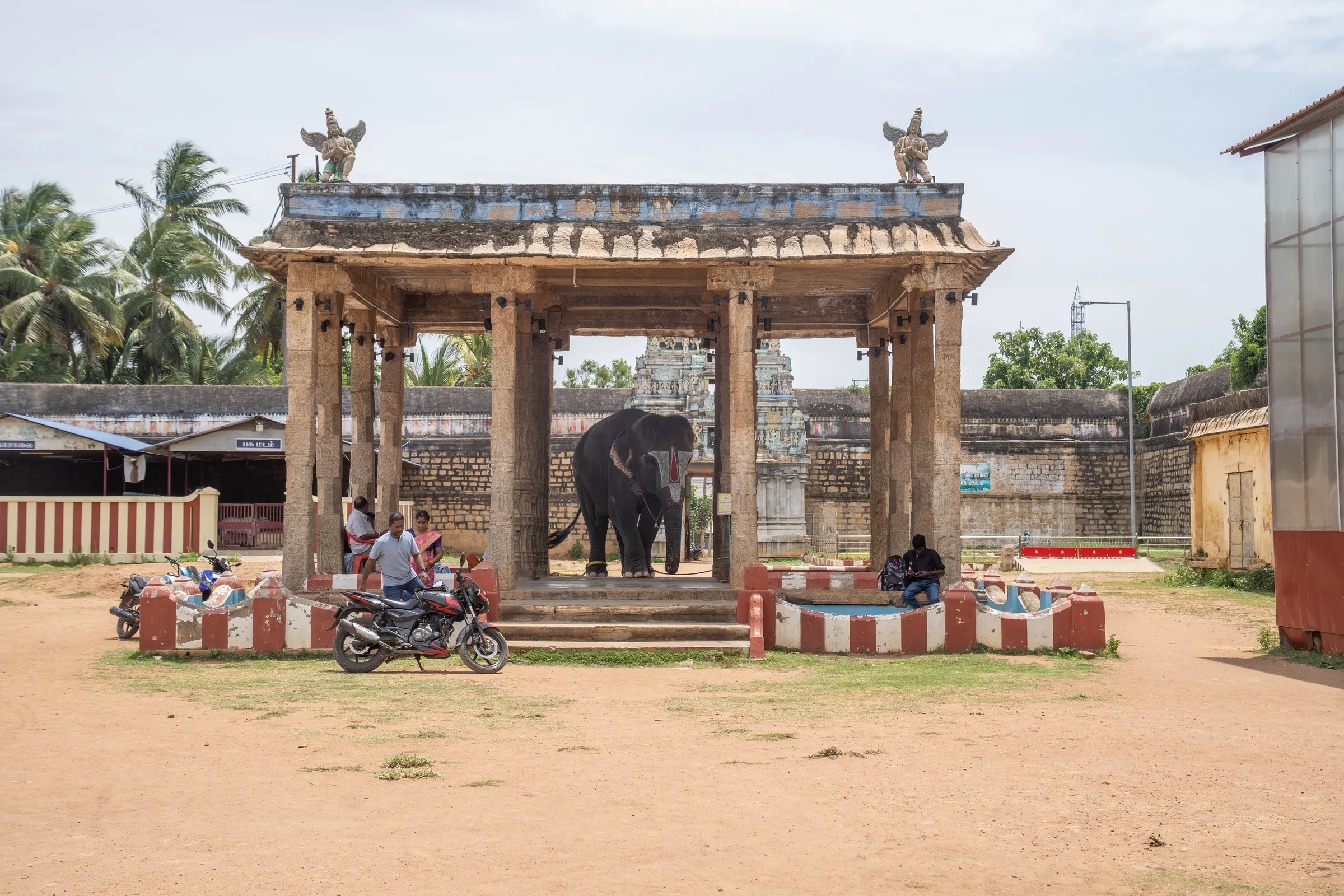
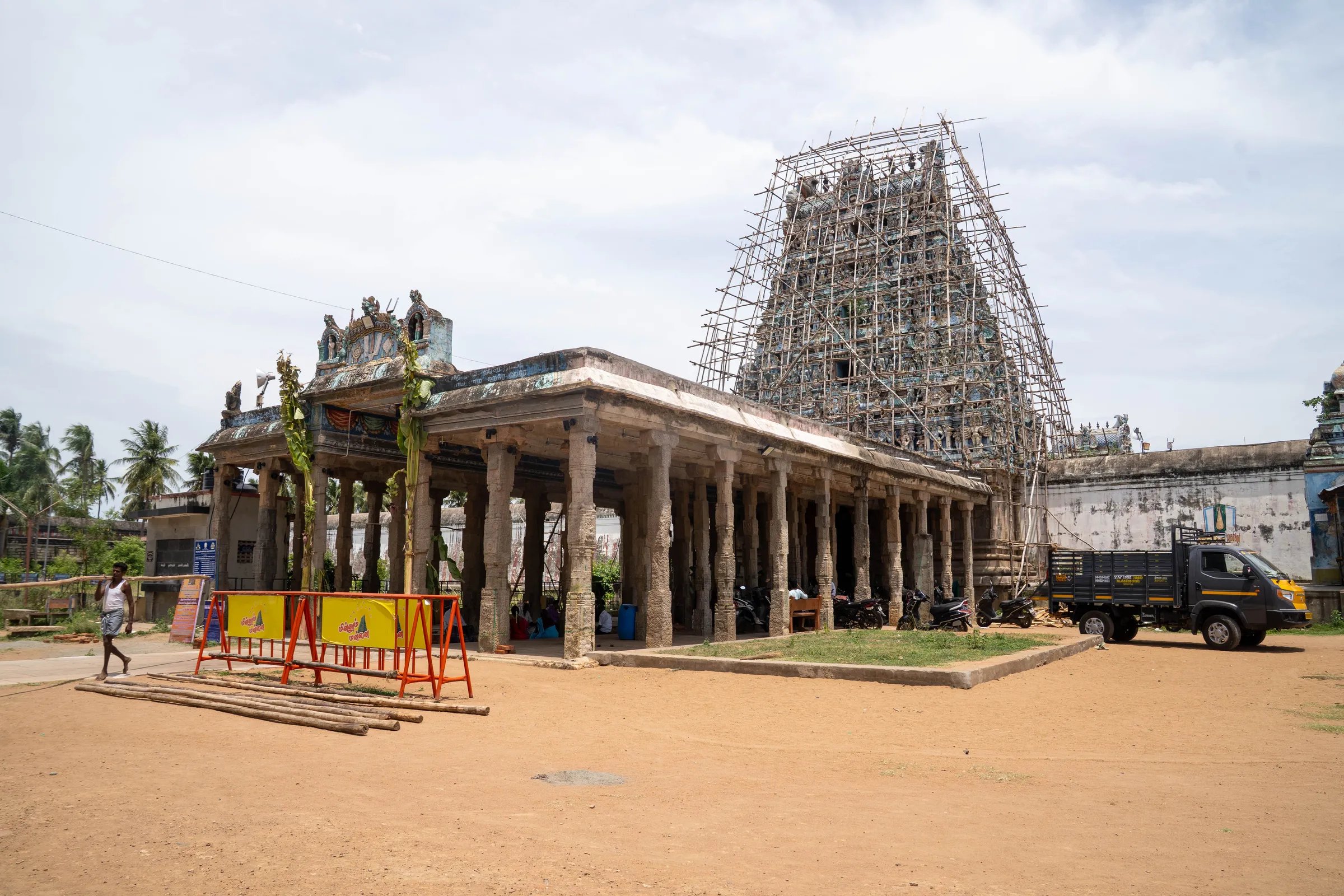
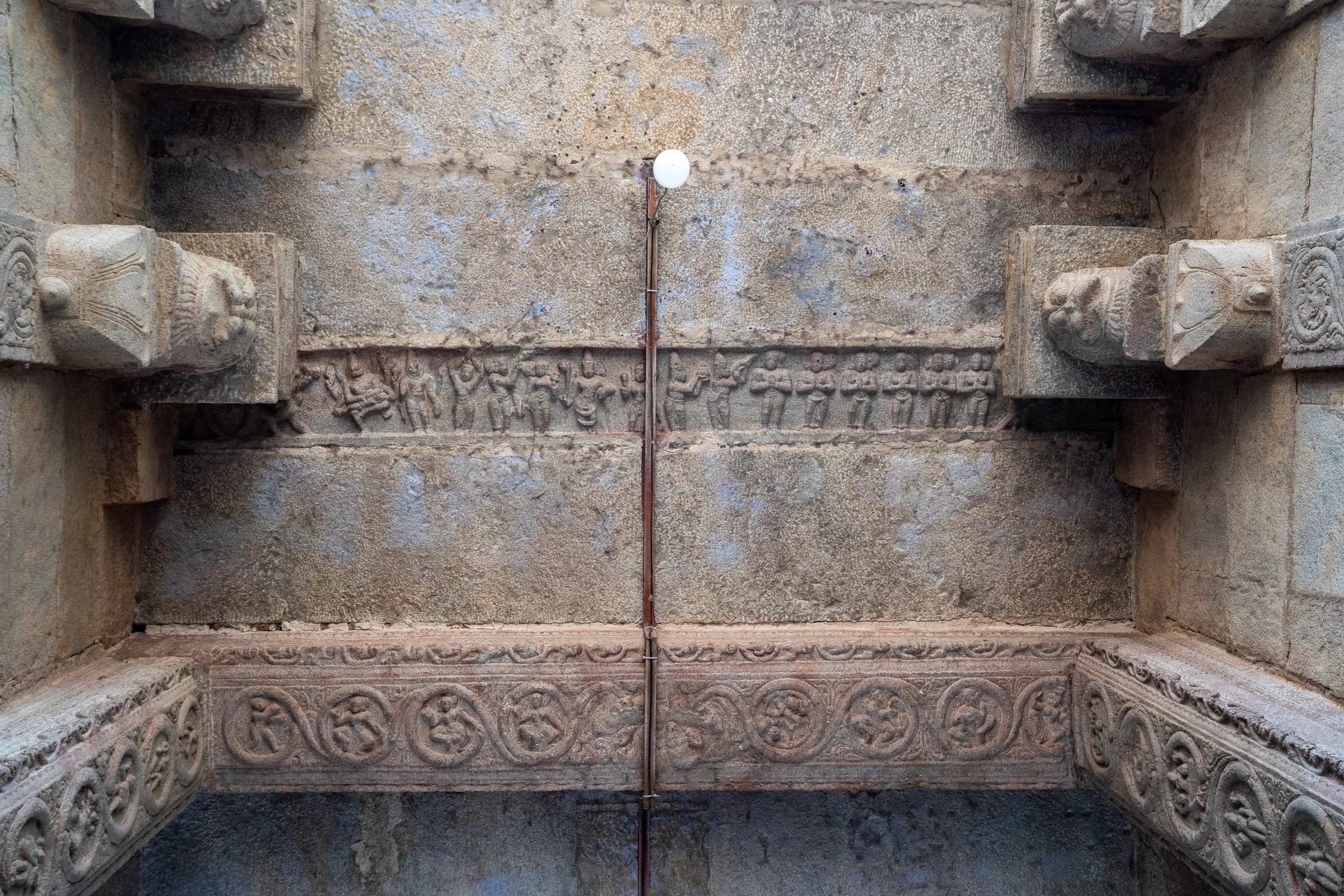
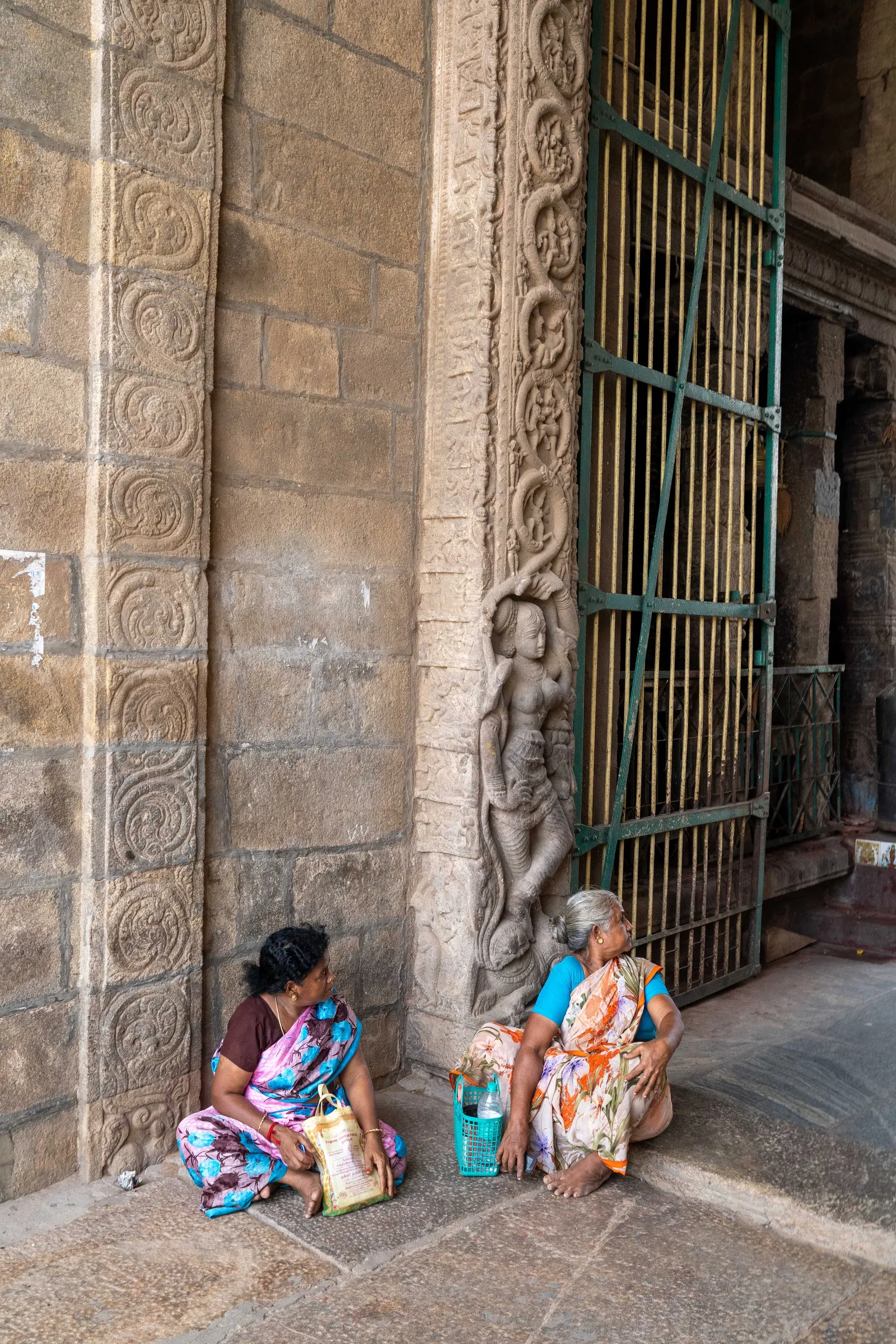
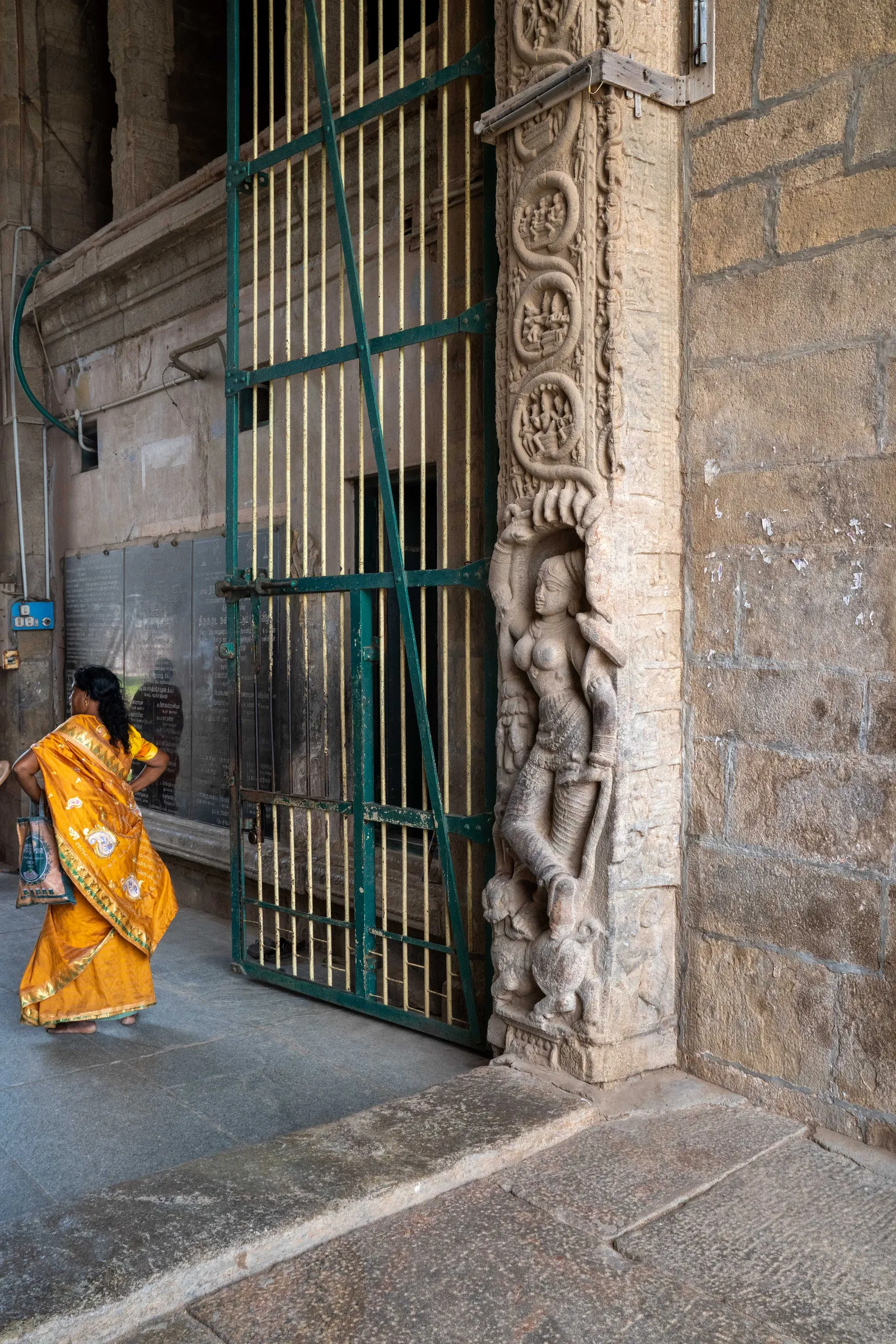
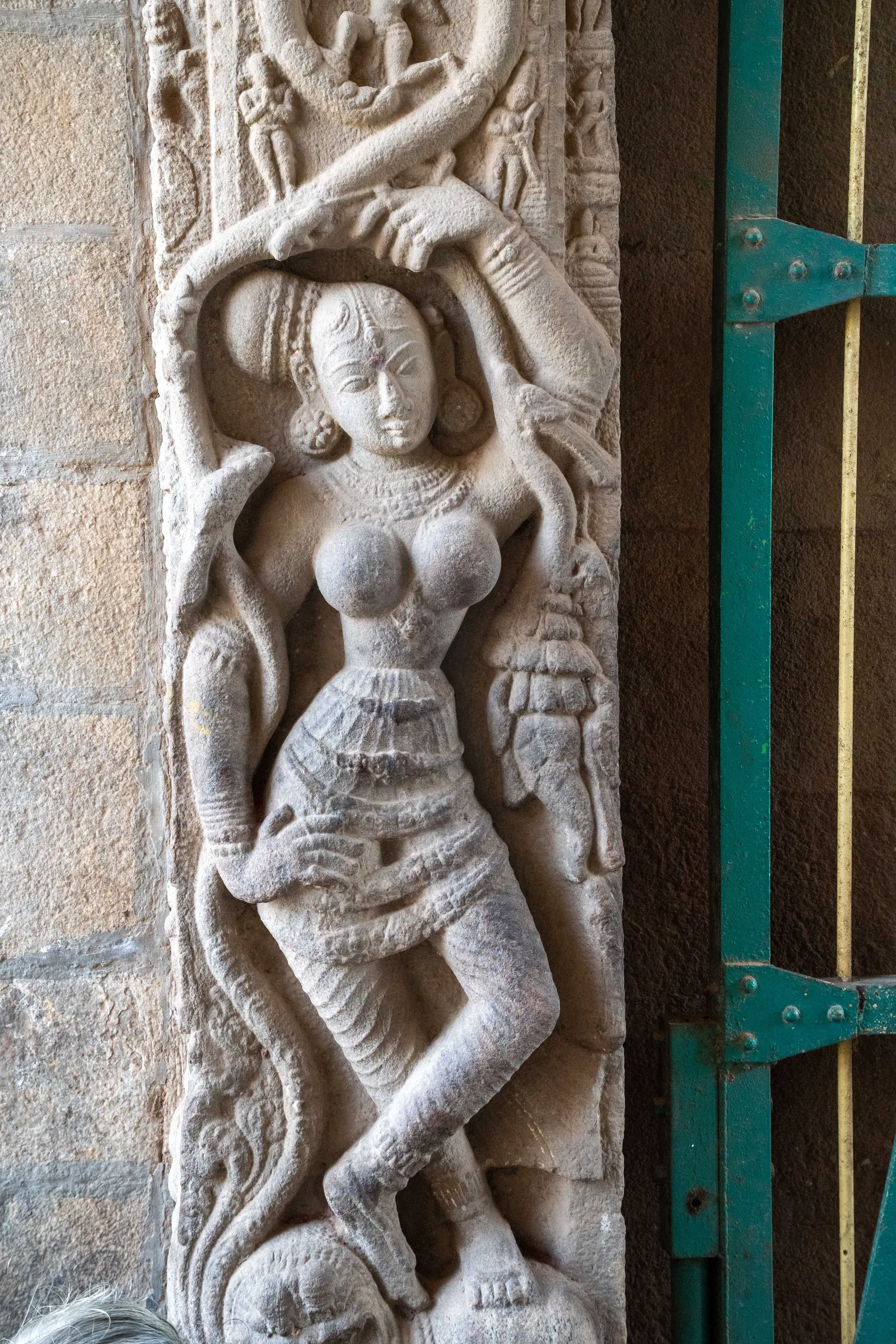
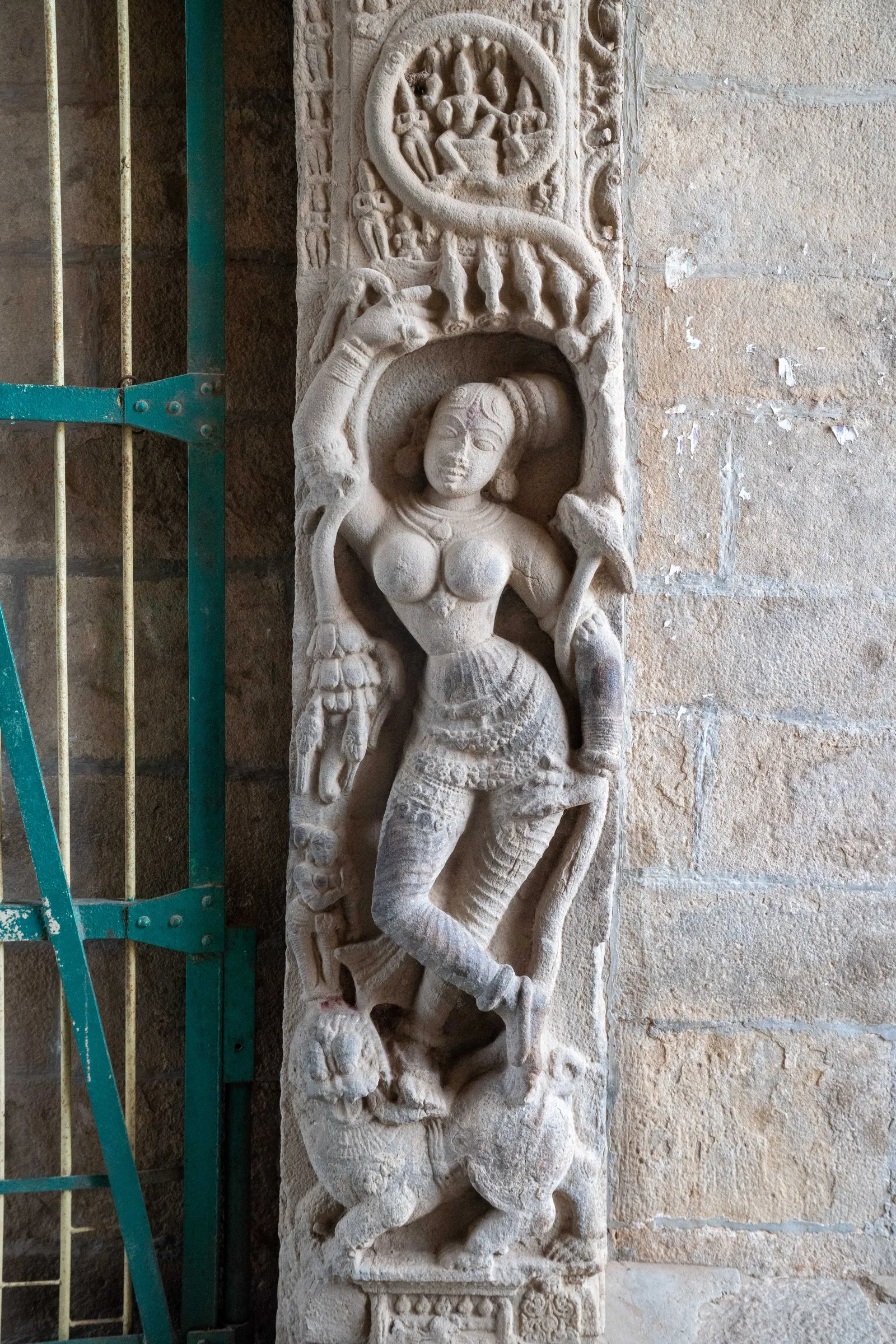
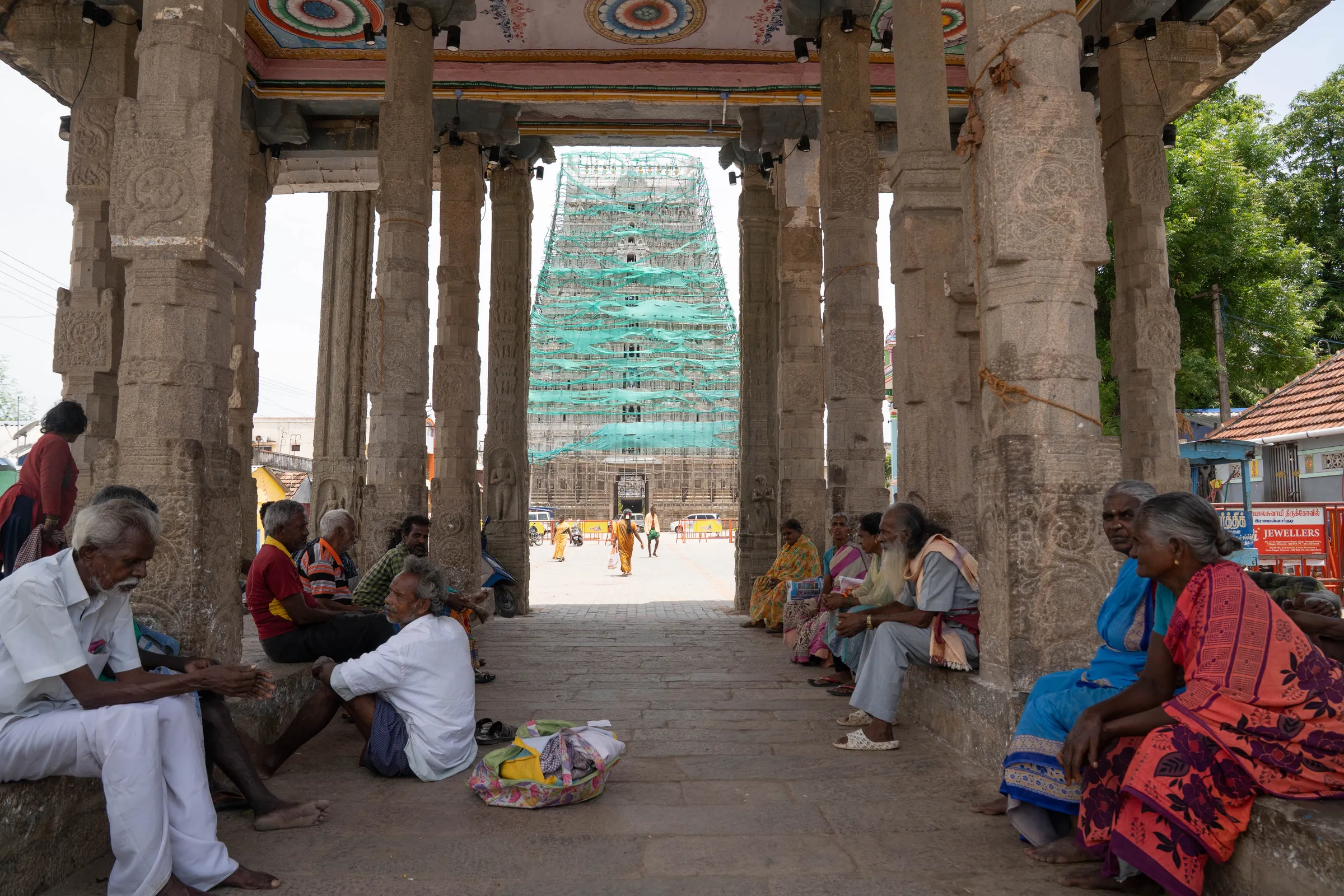
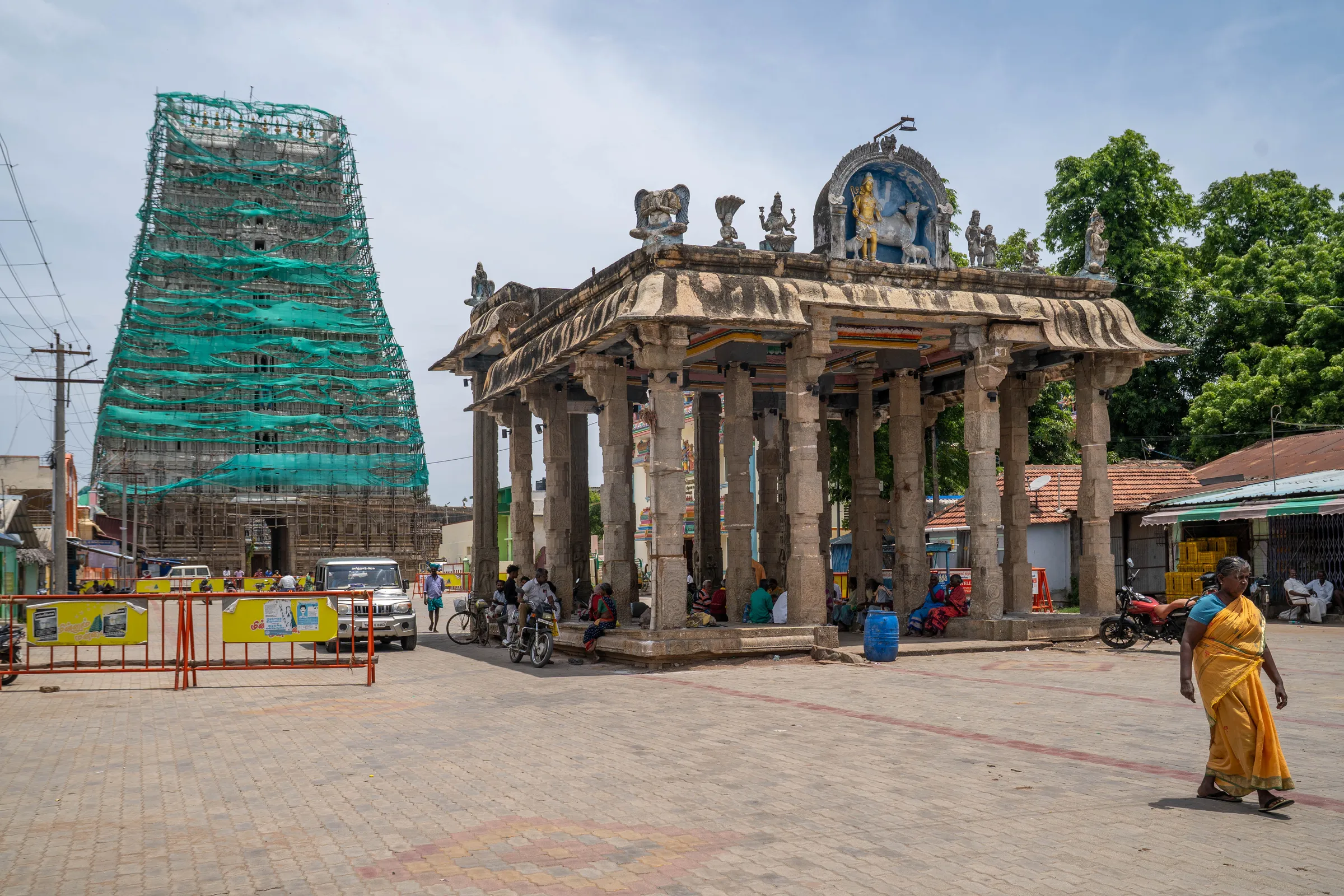
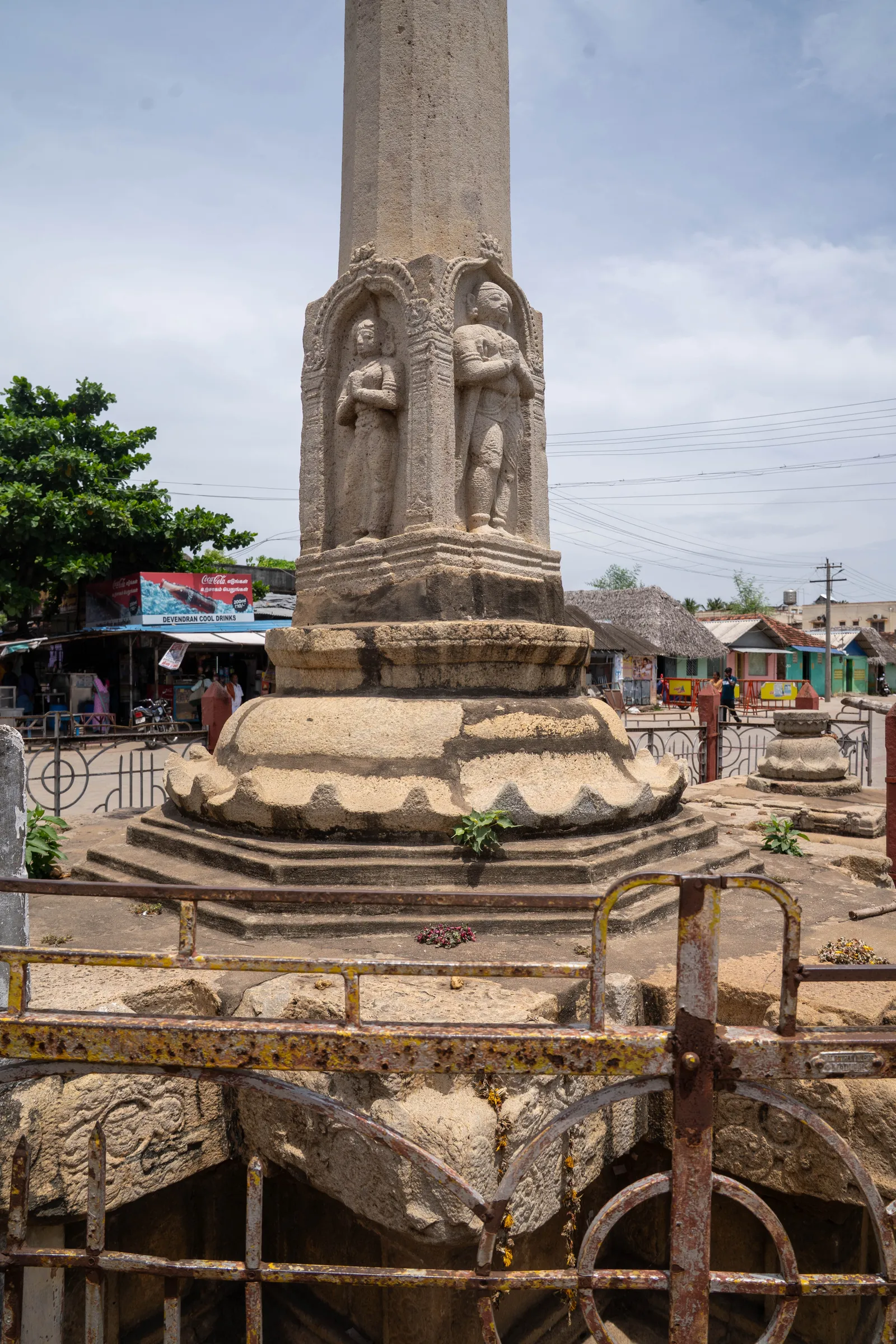
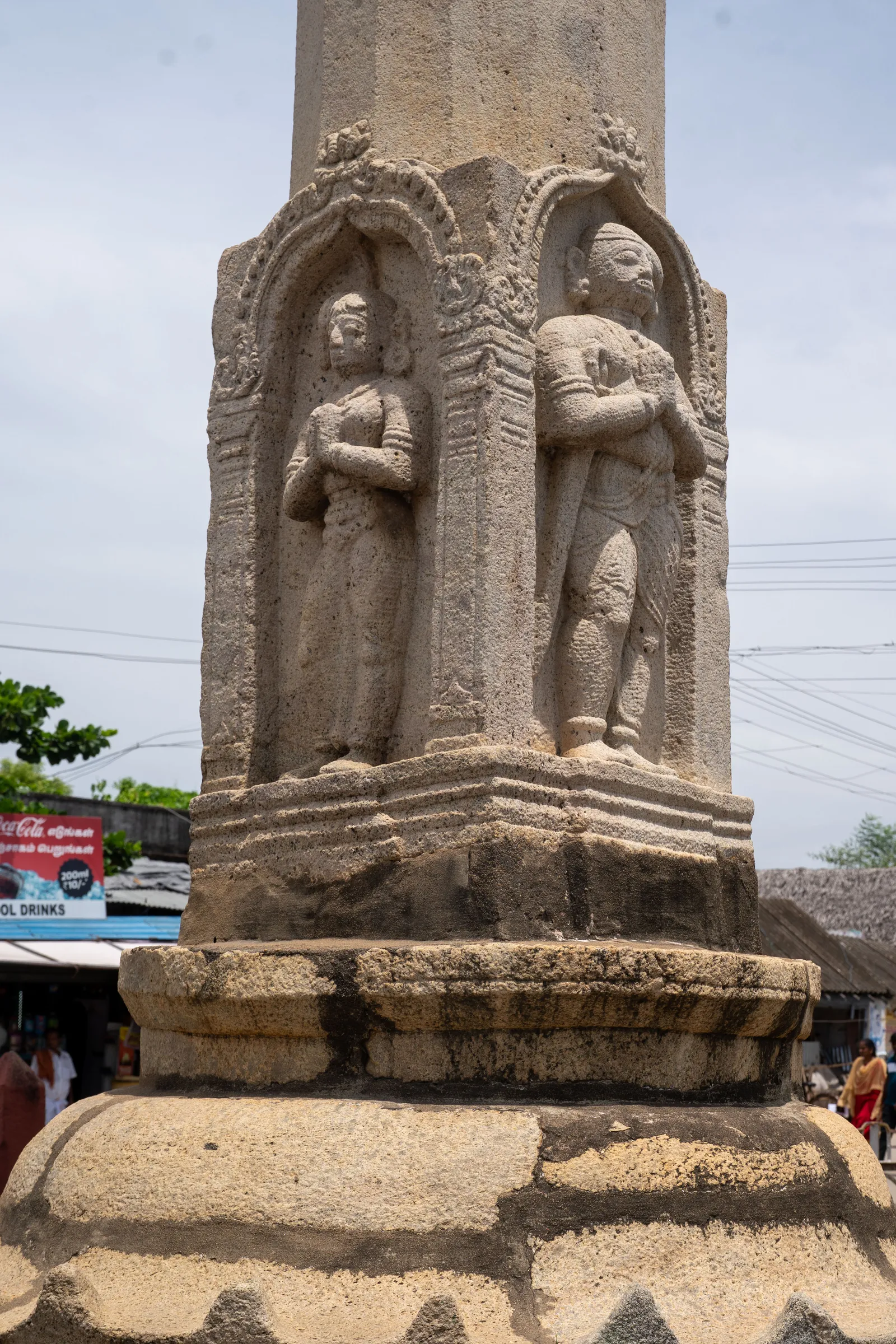
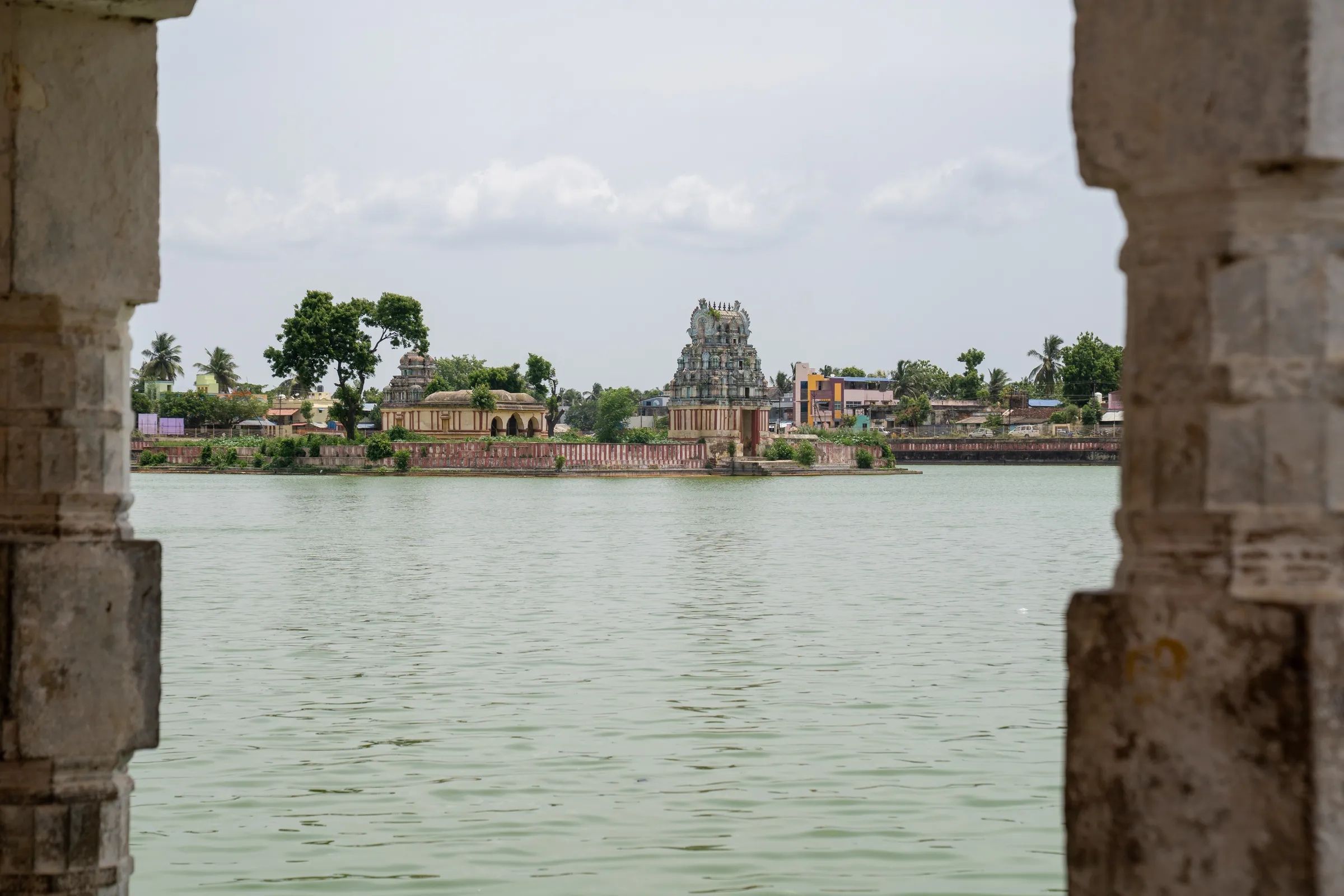
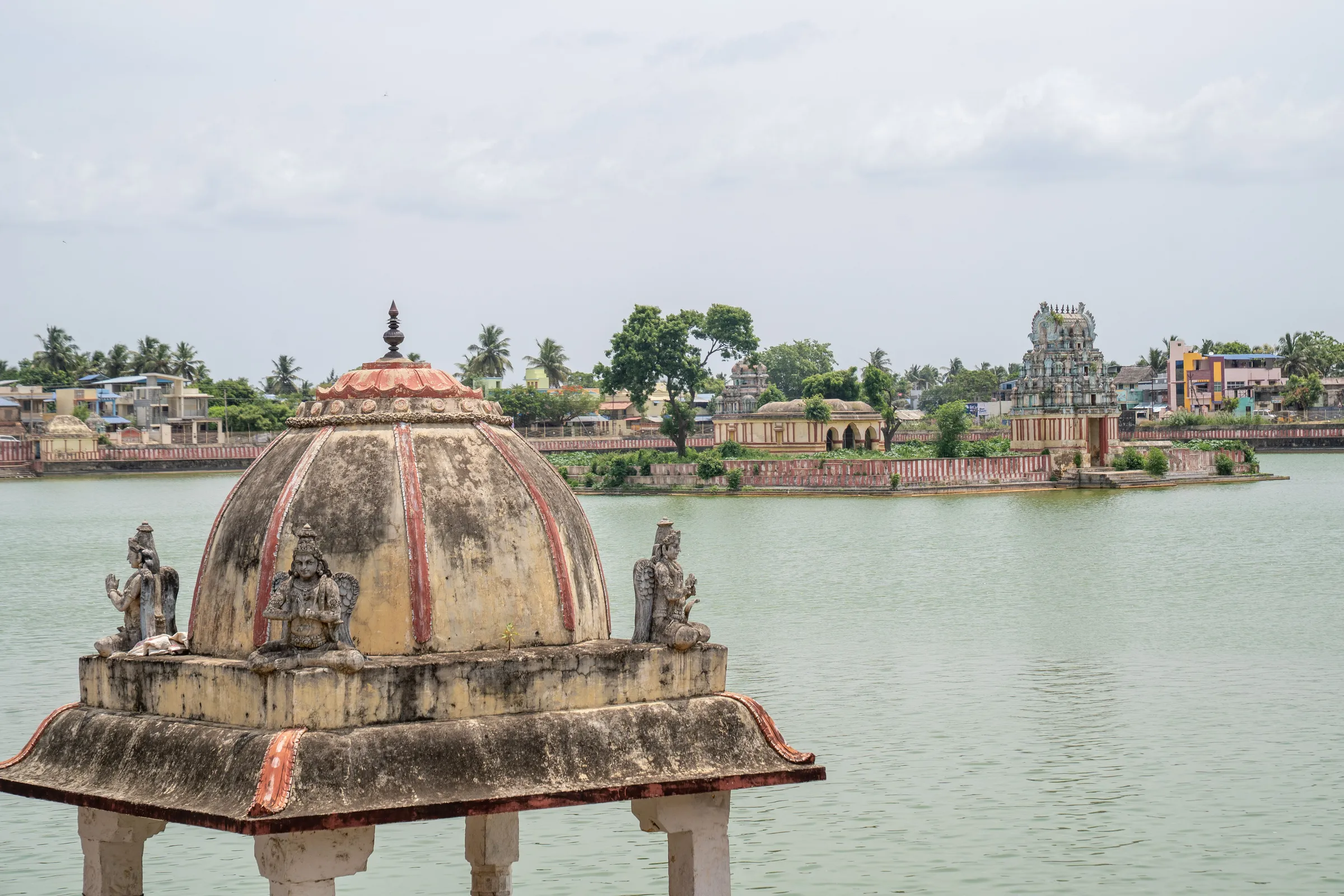
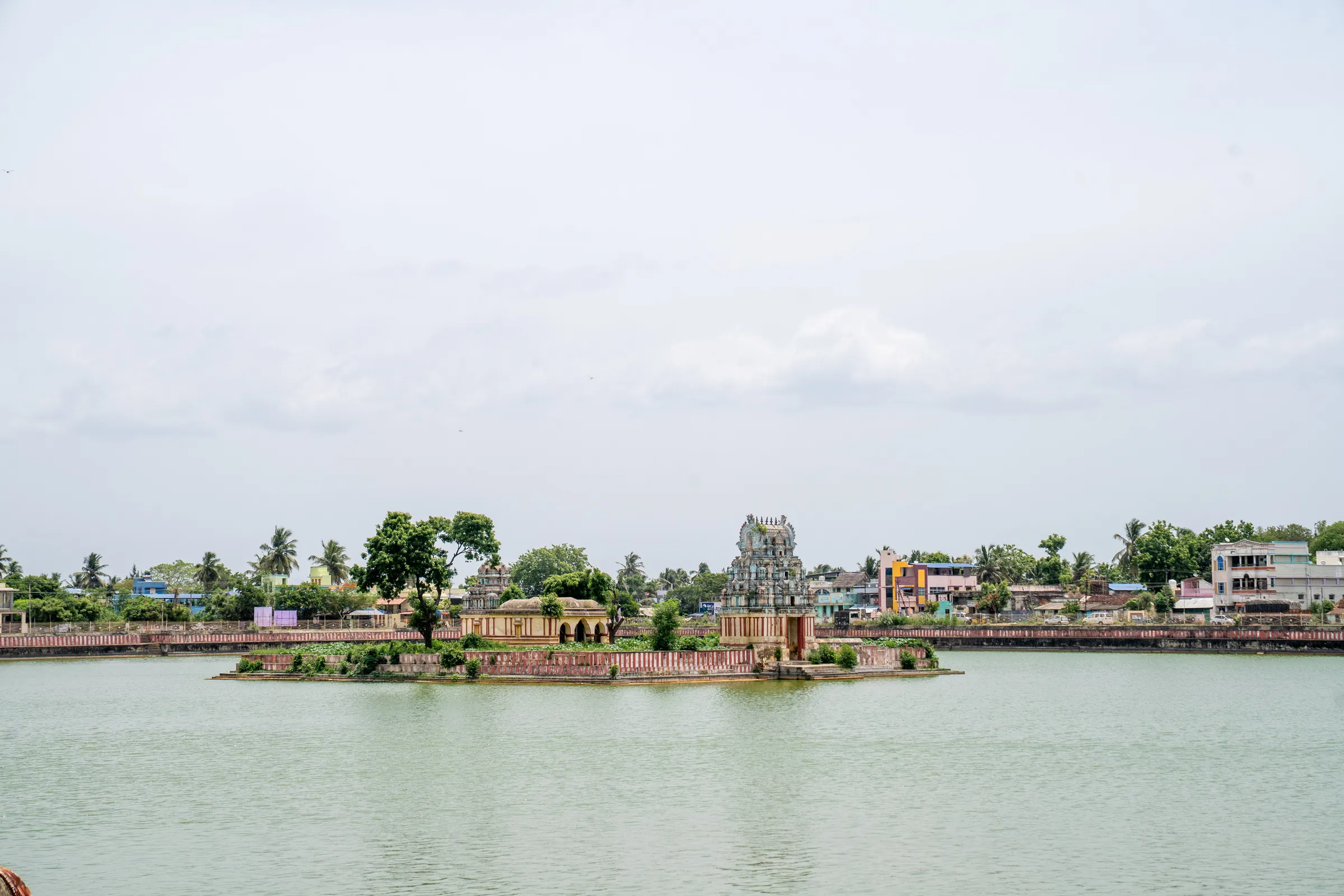
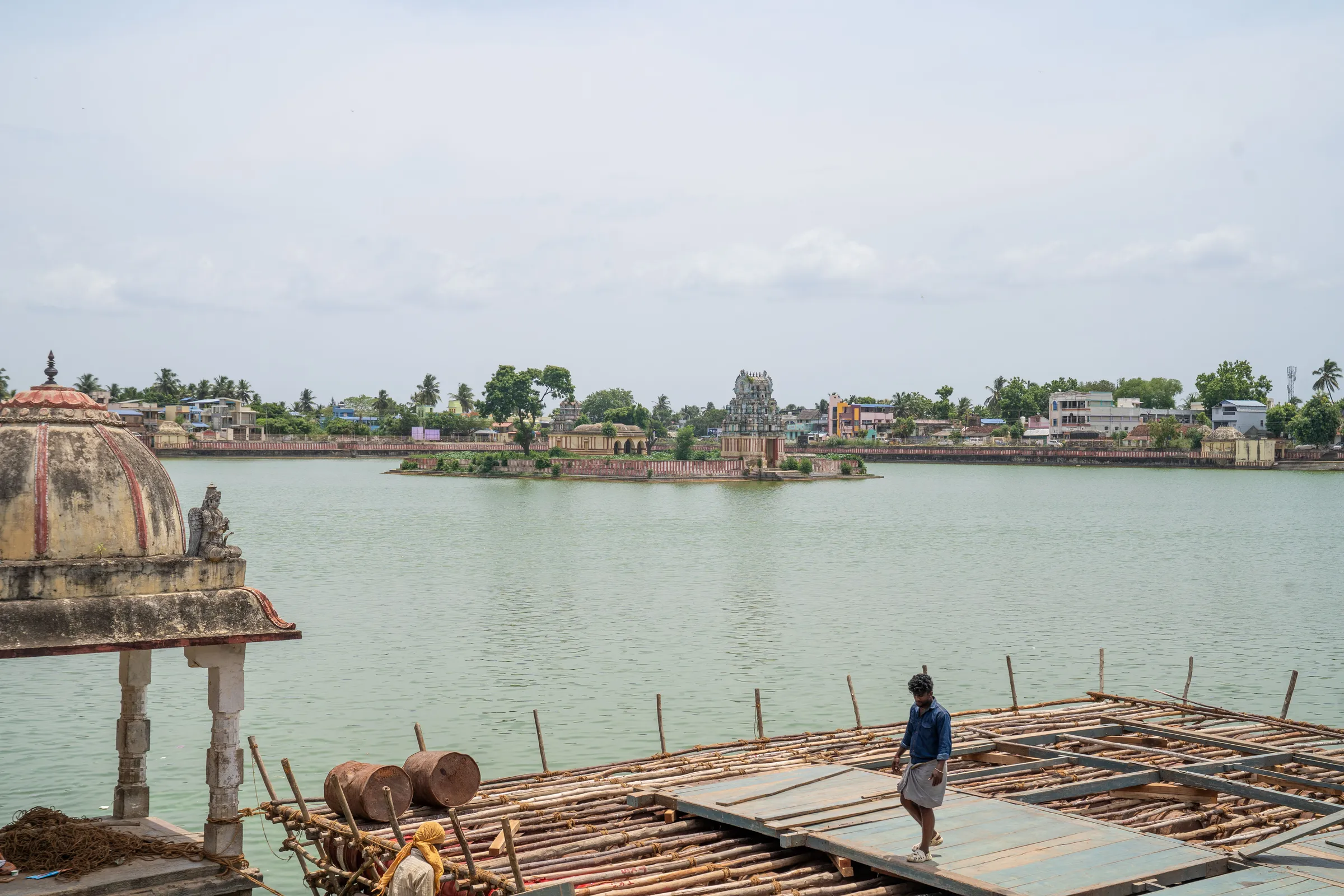
A granite wall surrounds the temple, enclosing all its shrines and seven of its nine bodies of water. The complex has 16 gopurams, 7 prakaras, 24 shrines, 7 mandapas and 9 sacred teerthams, with a 59 m rajagopuram serving as the gateway tower. The Haridra Nadhi temple tank, outside the complex, is among the largest in India. The presiding deity Rajagopalaswamy, a form of Krishna, stands with Satyabhama and Rukmini on either side, and the shrine of Sengamalathayar, also called Hemambhujavalli, lies in the second precinct. The pillars carry detailed carvings of scenes from the Ramayana and Mahabharata and the Hindu pantheon.

02

Archaeological

dated & cited

The temple is held to have been built by Kulōttuṅga Chōḷa I in brick and mortar, as indicated by stone inscriptions at the site. After the decline of Vijayanagara the Thanjavur Nāyakas ruled Mannargudi and made the temple their dynastic shrine. The current structure, the hall of a thousand pillars, the main gopuram and the great compound wall were built by King Vijaya Raghava Nāyaka, shown with his queen bowing to the Lord near the sanctum. The temple holds inscriptions of the Hoysaḷa kings, records of grants by Vijayanagara kings, and many records of the later Nāyakas and Marathas. The utsava deity is a bronze of the Chōḷa period. The Nayaka doctrine Raghunathabhyudayam describes the king's donation of jewelled armour to the deity.

03

Mythological

as transmitted

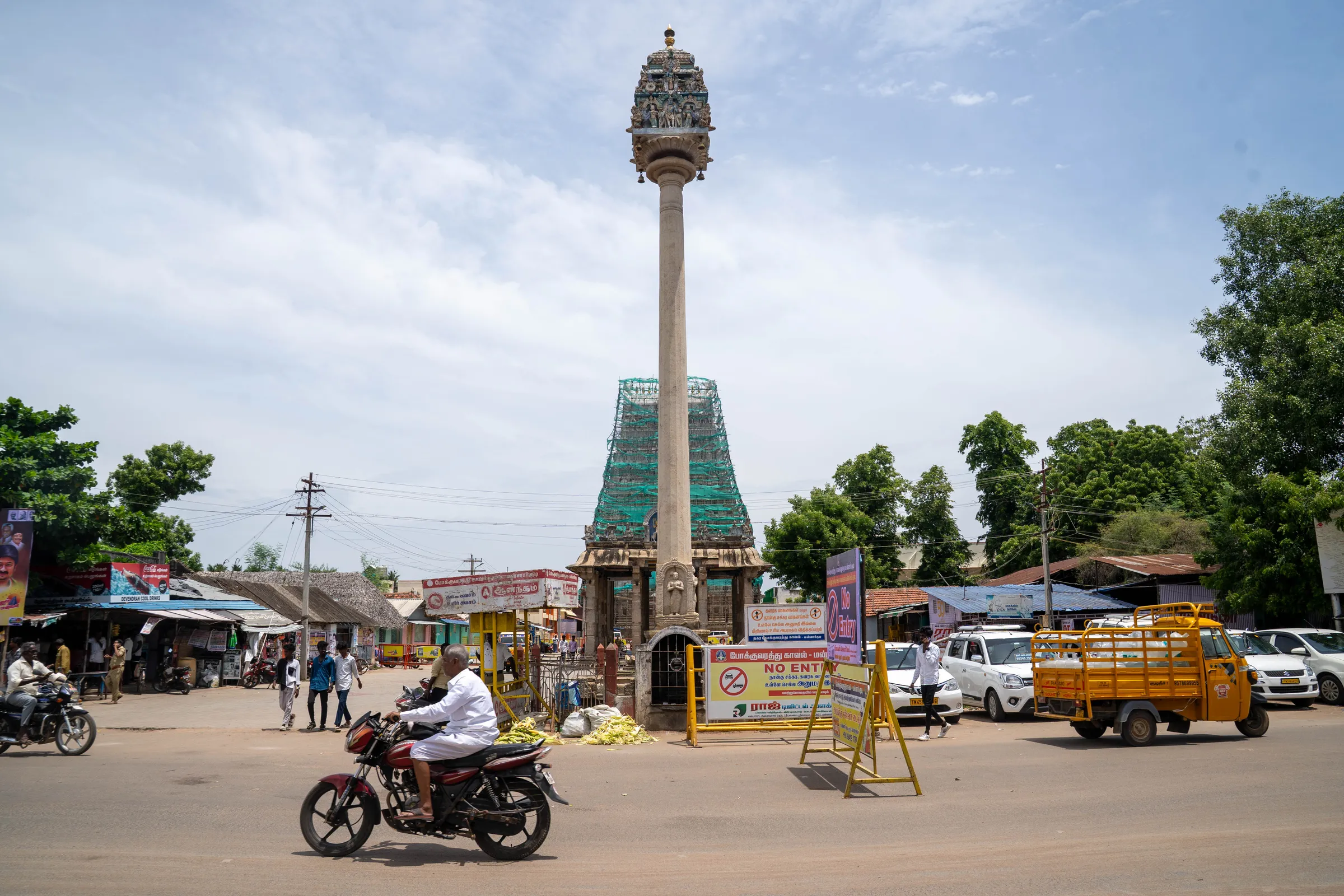
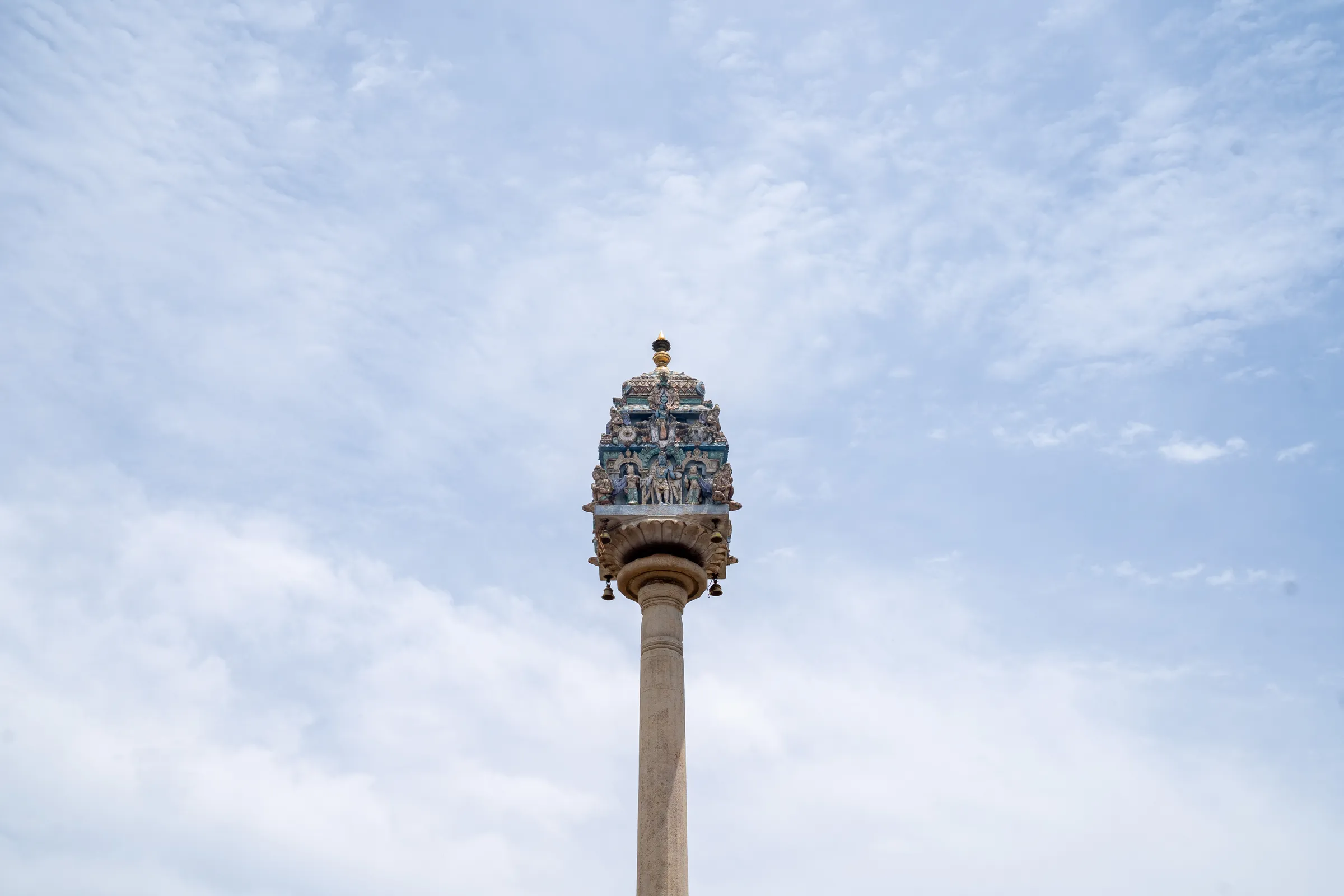
Mannargudi takes its name from the Tamil Mannar, referring to Vishnu, and gudi, a place, meaning the place of Vishnu, and is also called Dakshina Dwaraka. The temple is considered the first among the 108 Abhimana Kshethrams of the Vaishnavite tradition. It has not been glorified by the Alvars, though counted an Abhimana Sthalam. Thirumangai Alvar is believed to have built the tall flag post outside with the help of cotton bales, and to have sung of the deity, though those songs have been lost.

Register interest in prints Buy the book
Improve this entry

This is an open, reviewed record. If you have spotted an error or have something to add — a correction, a date, a source, a name in another script — propose it. Every change is reviewed before it joins the record.

“Suggest an edit” opens this entry on GitHub and turns your change into a pull request. “Share feedback” opens a short form. Both go through review.