01 Architectural
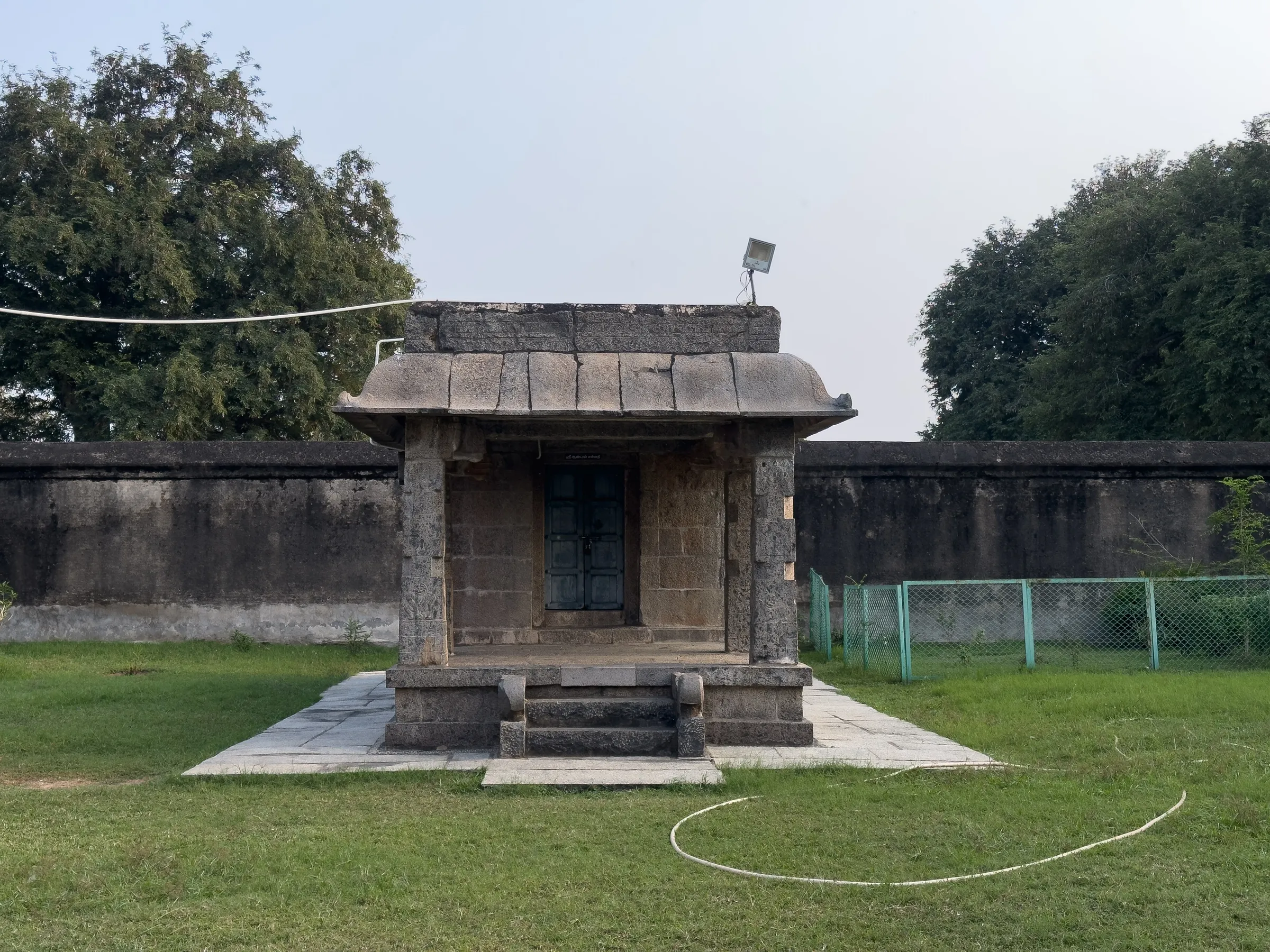
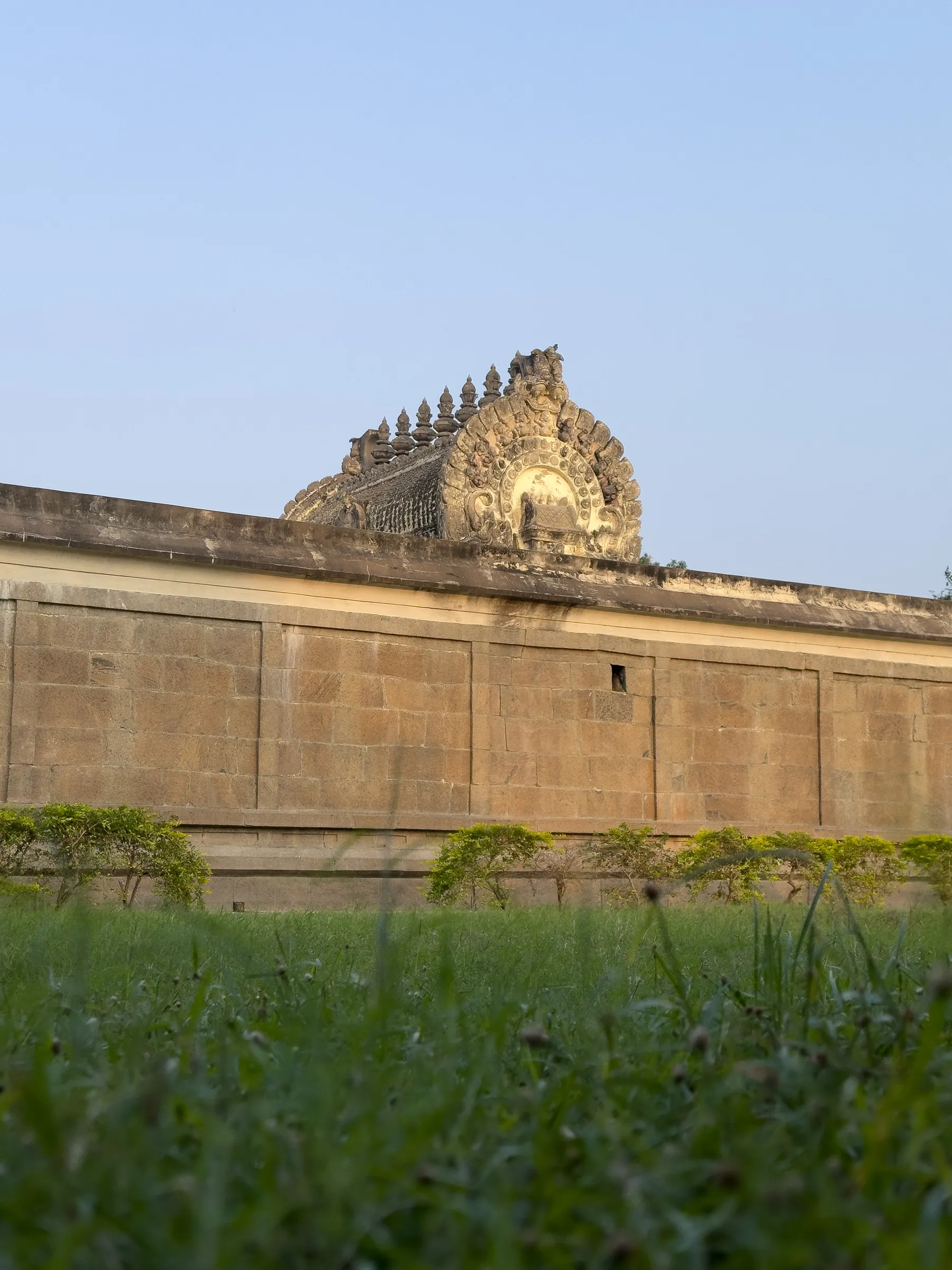
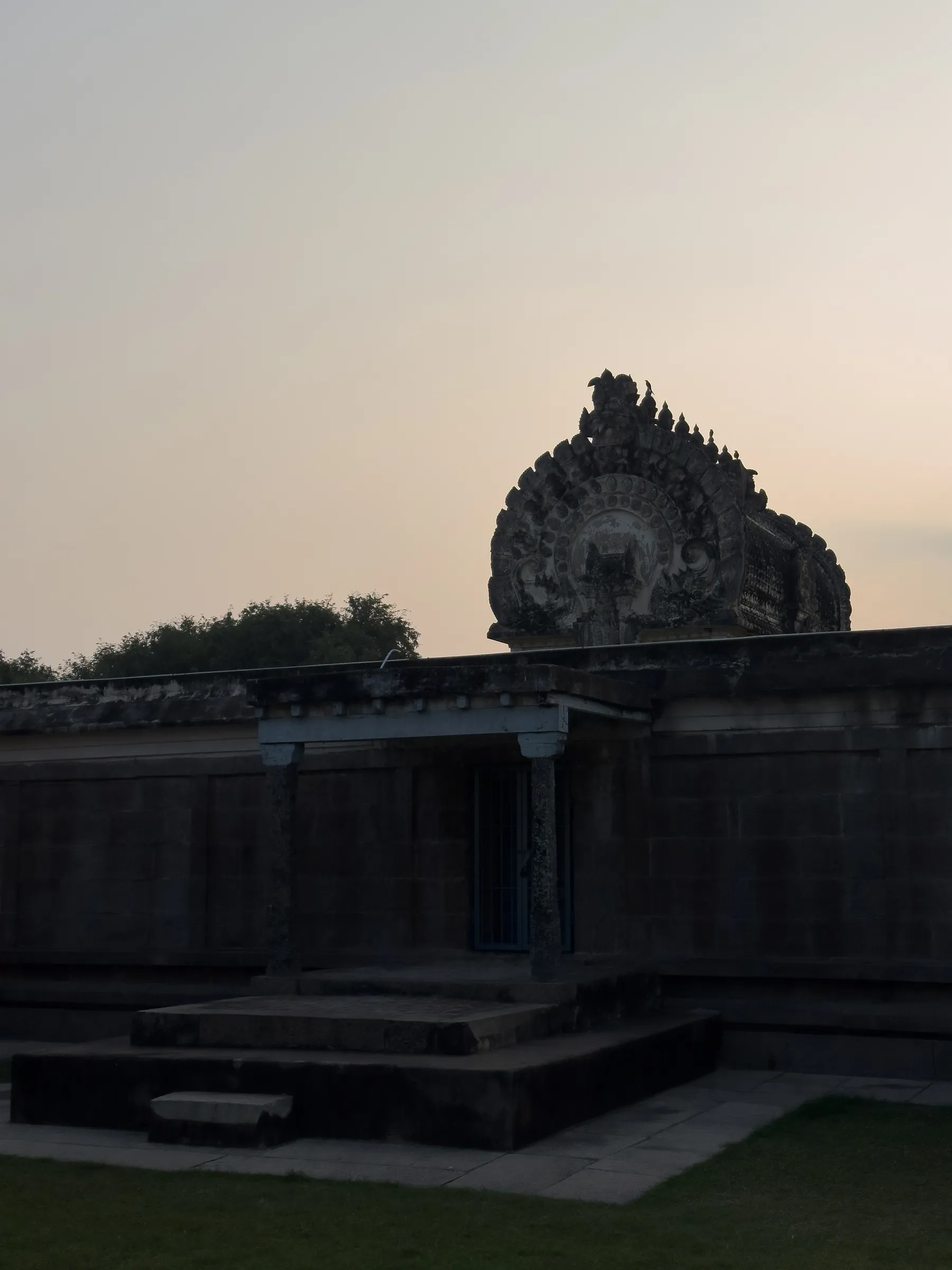
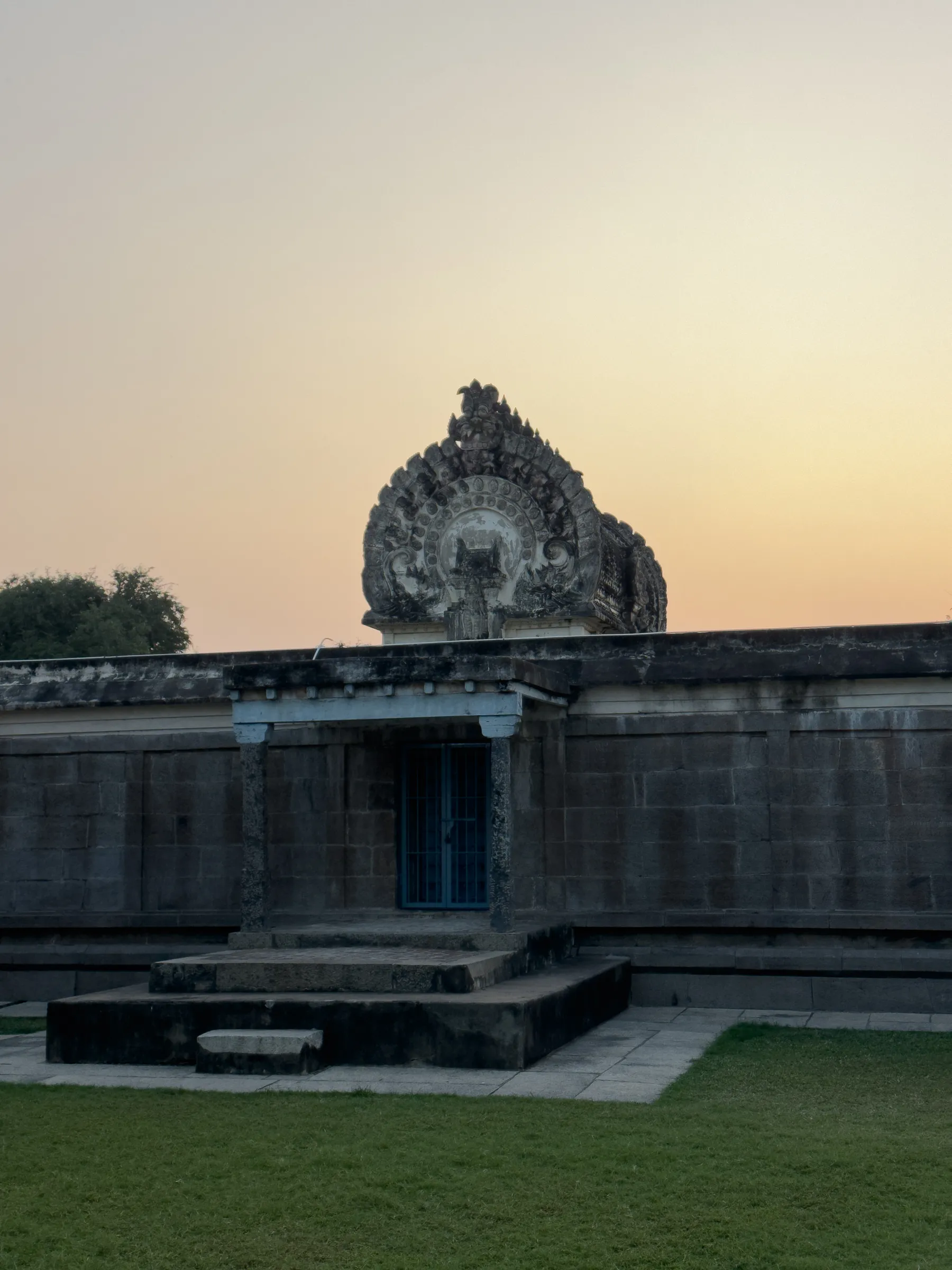
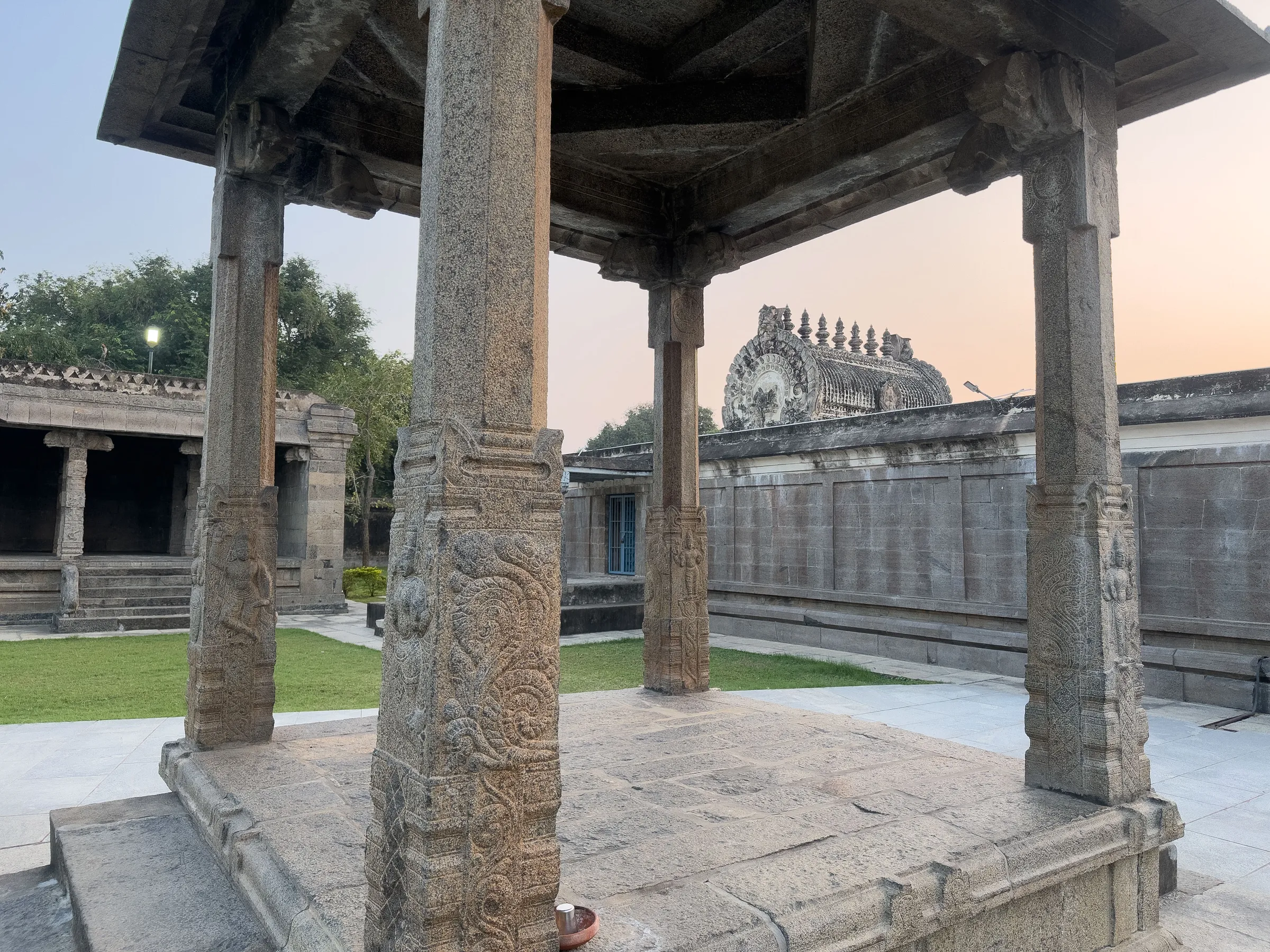
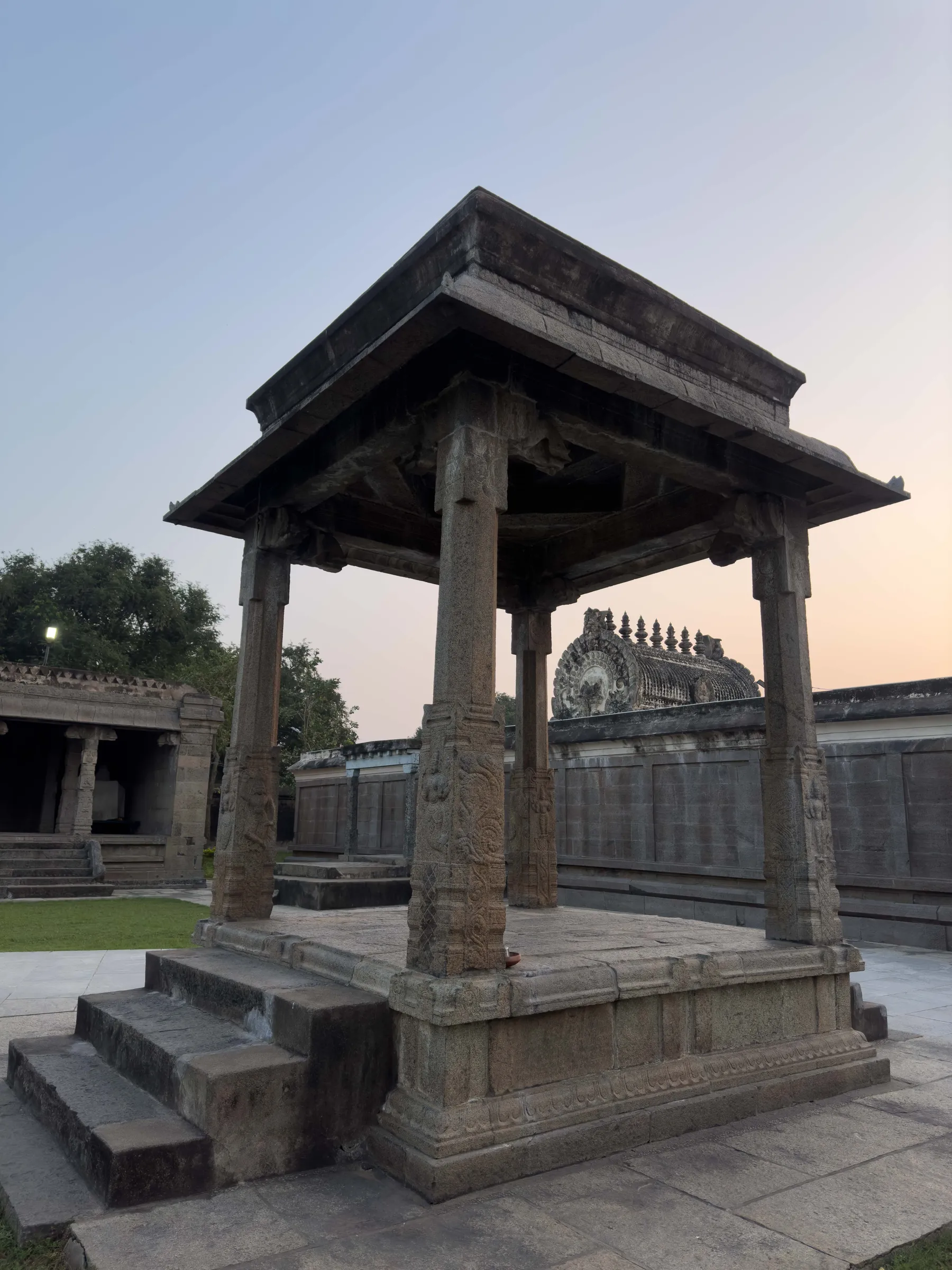
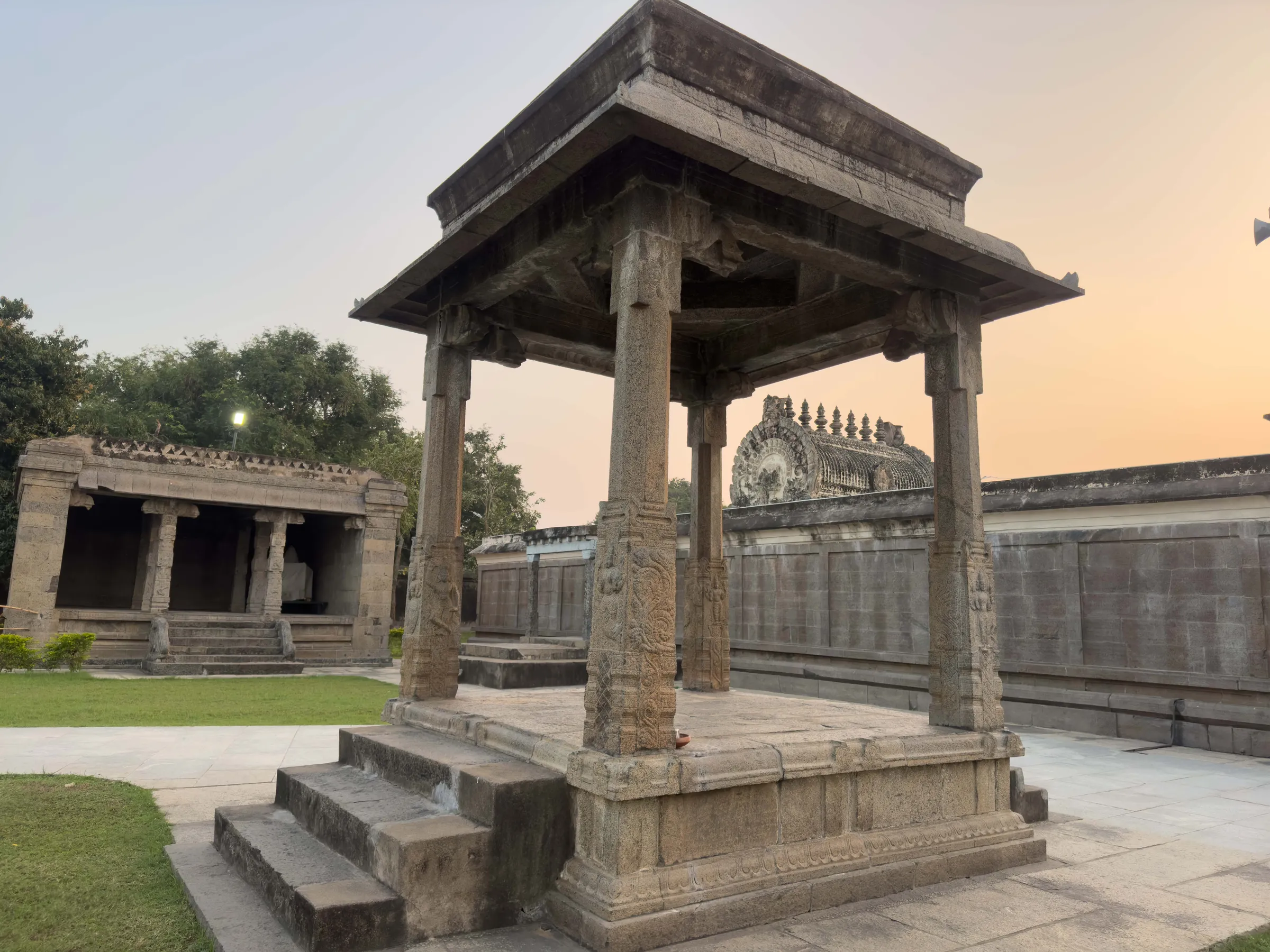
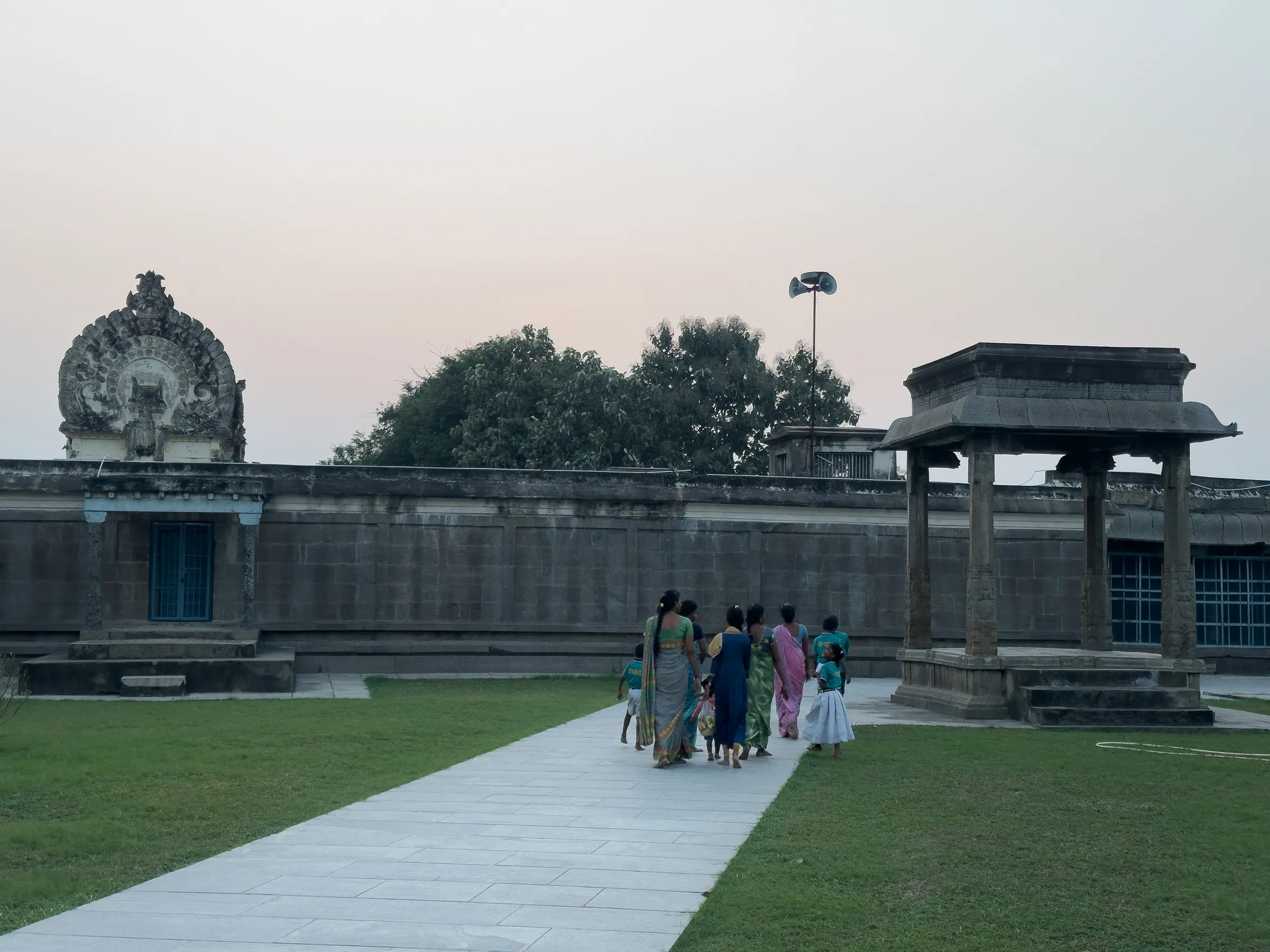
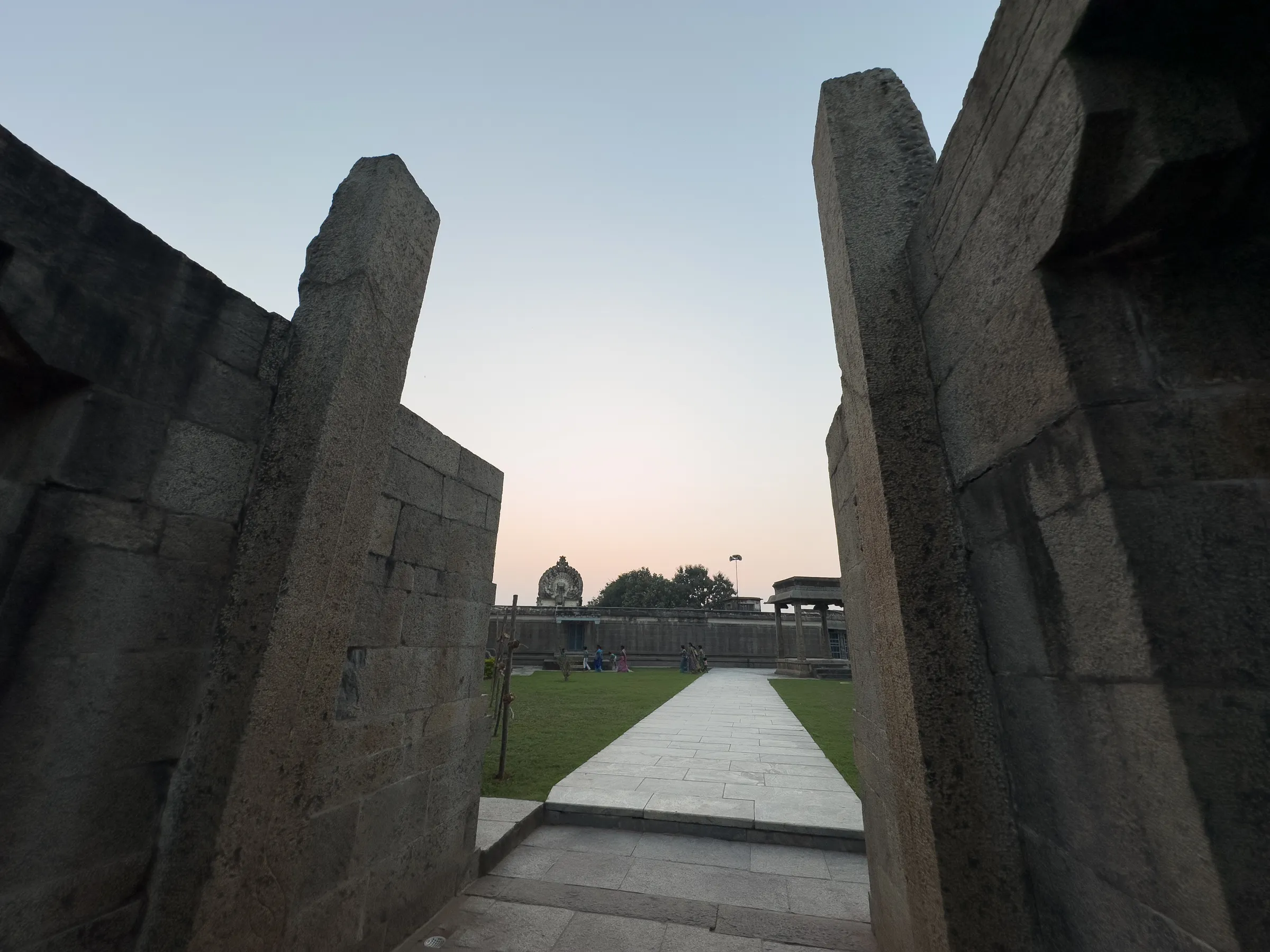
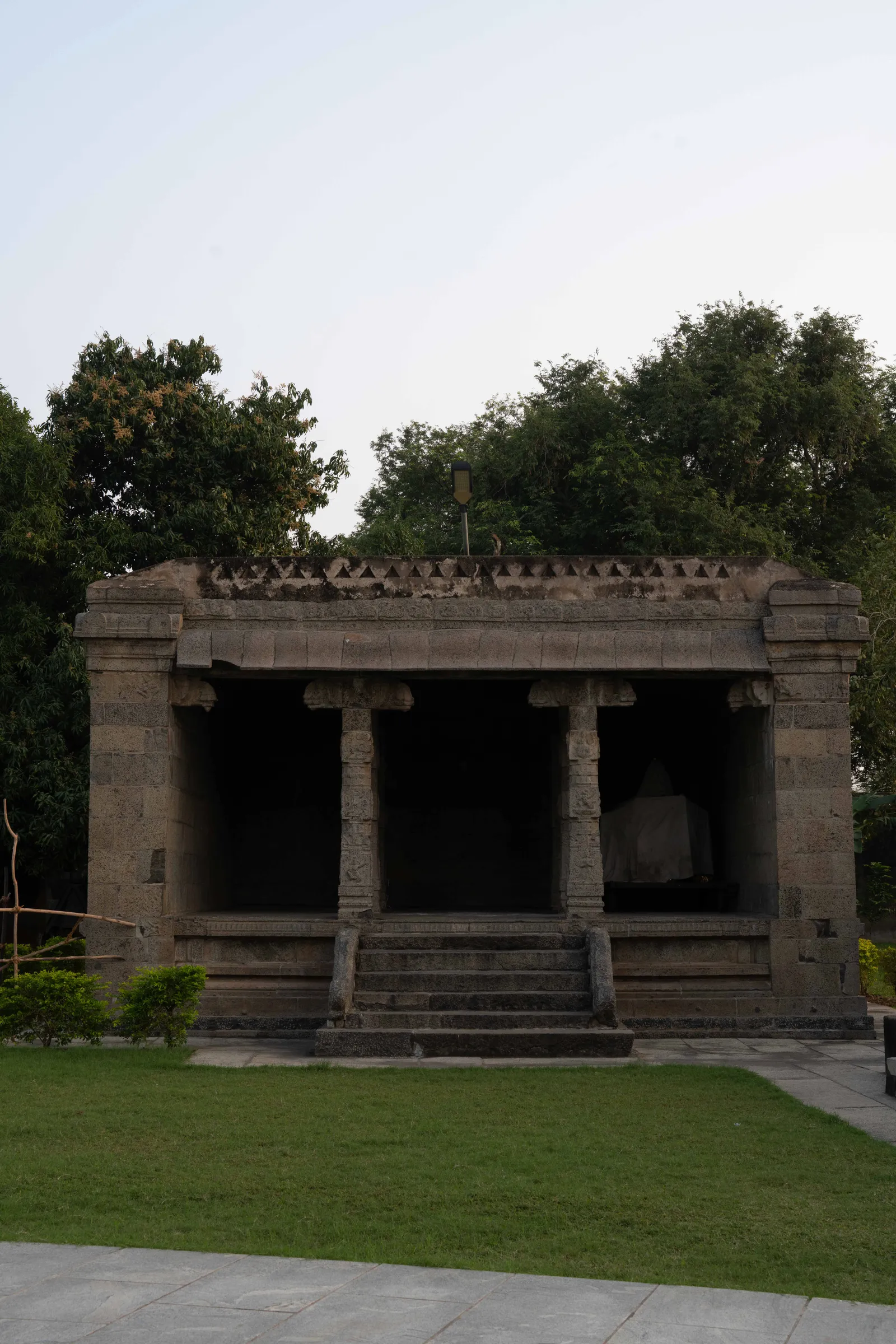
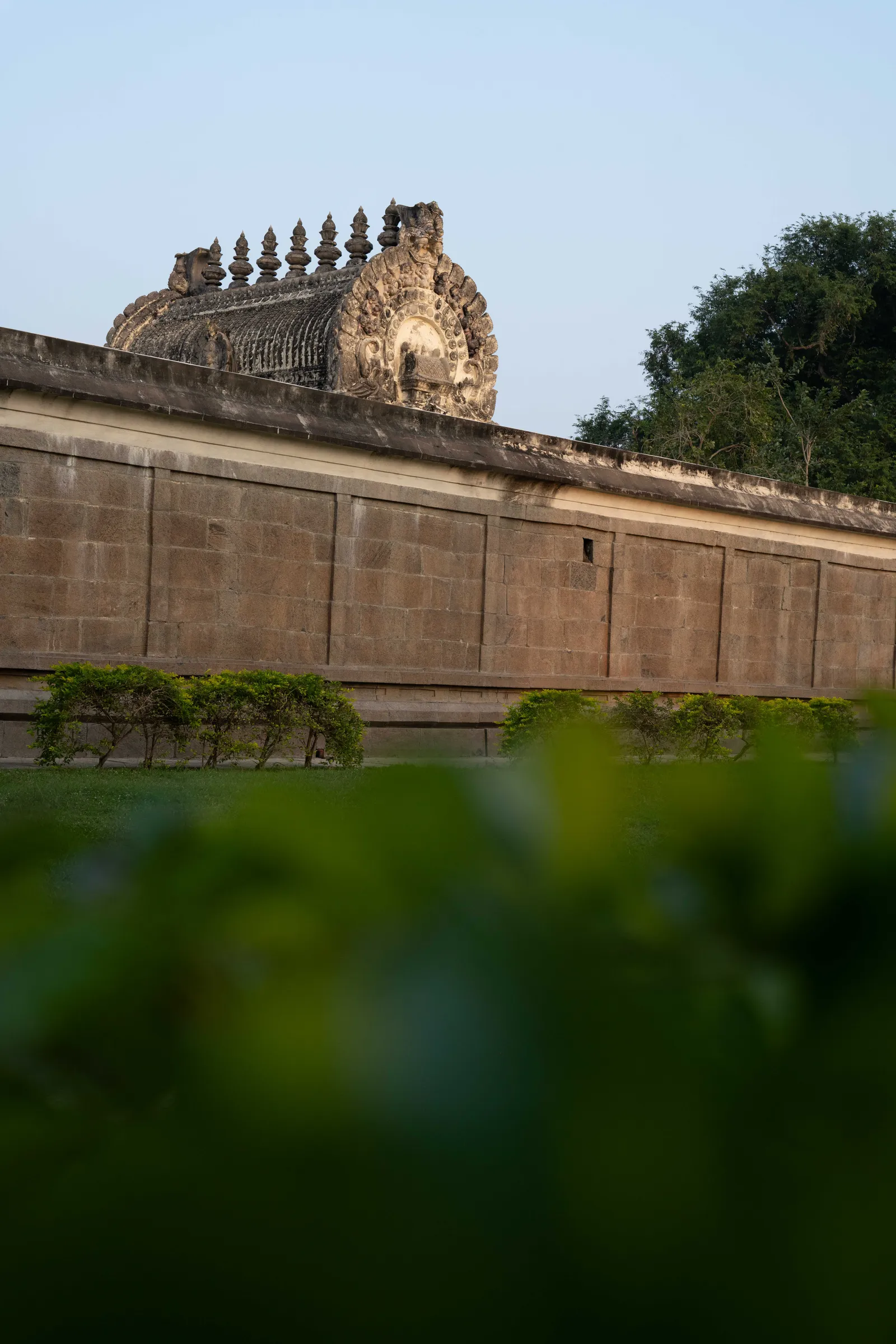
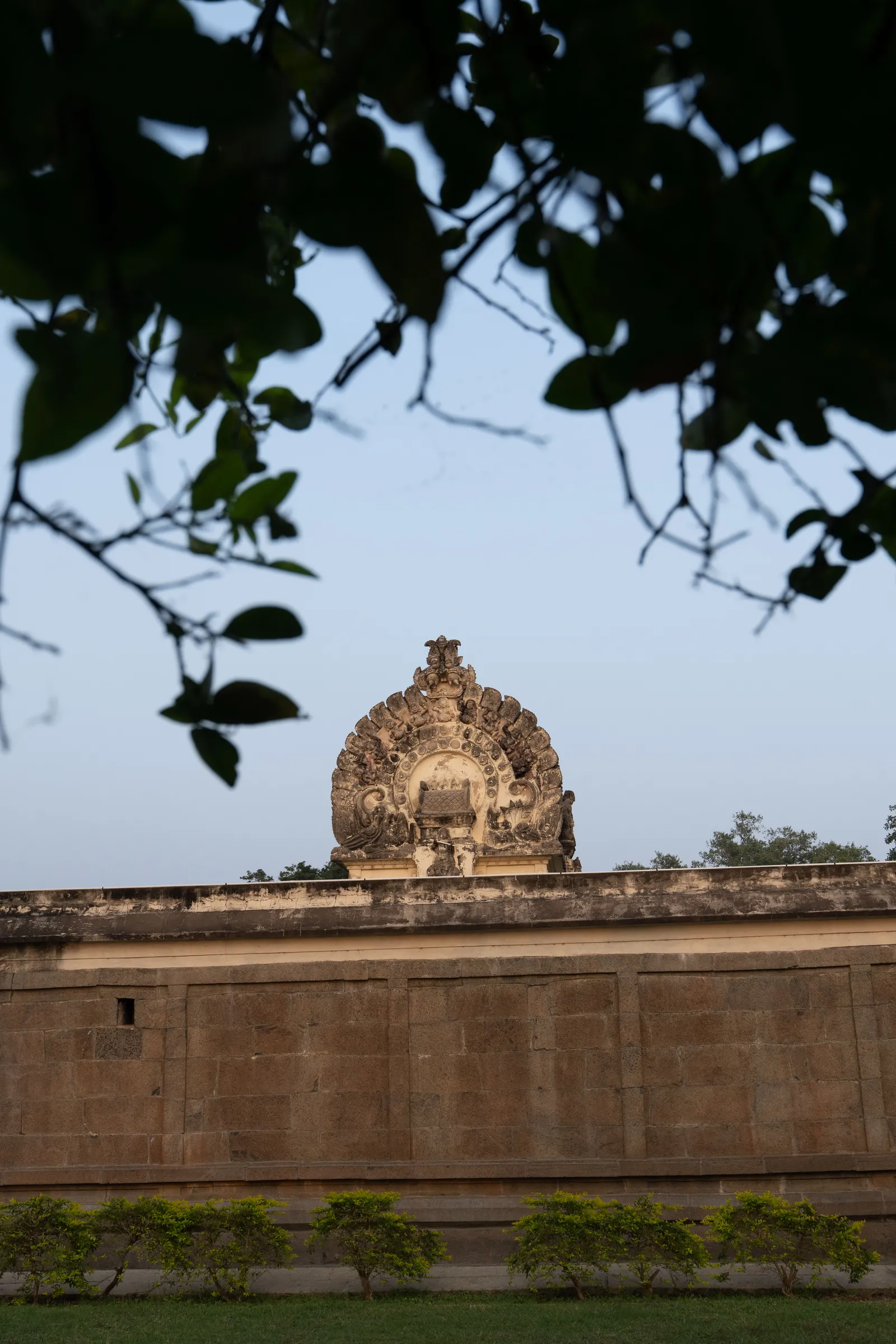
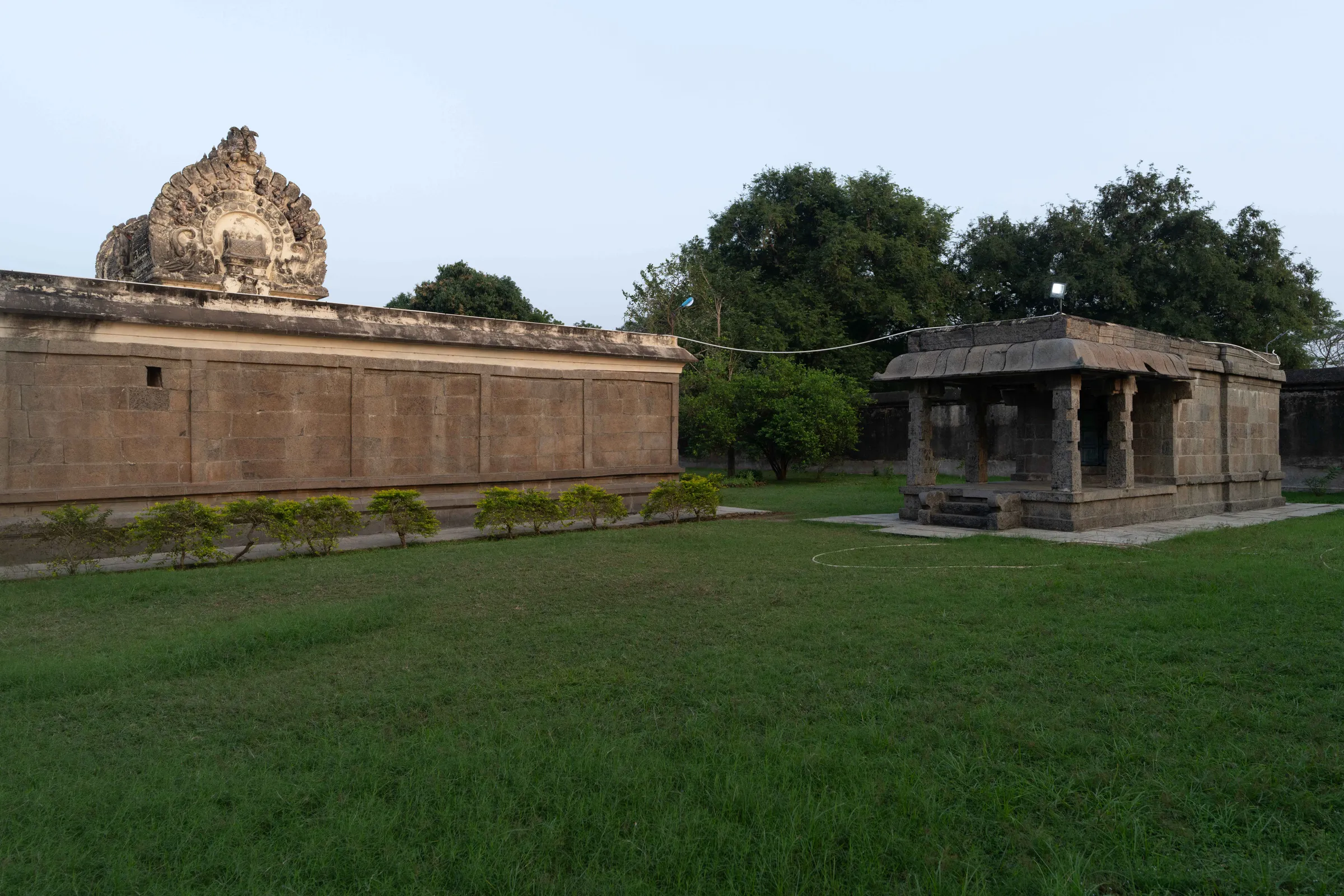
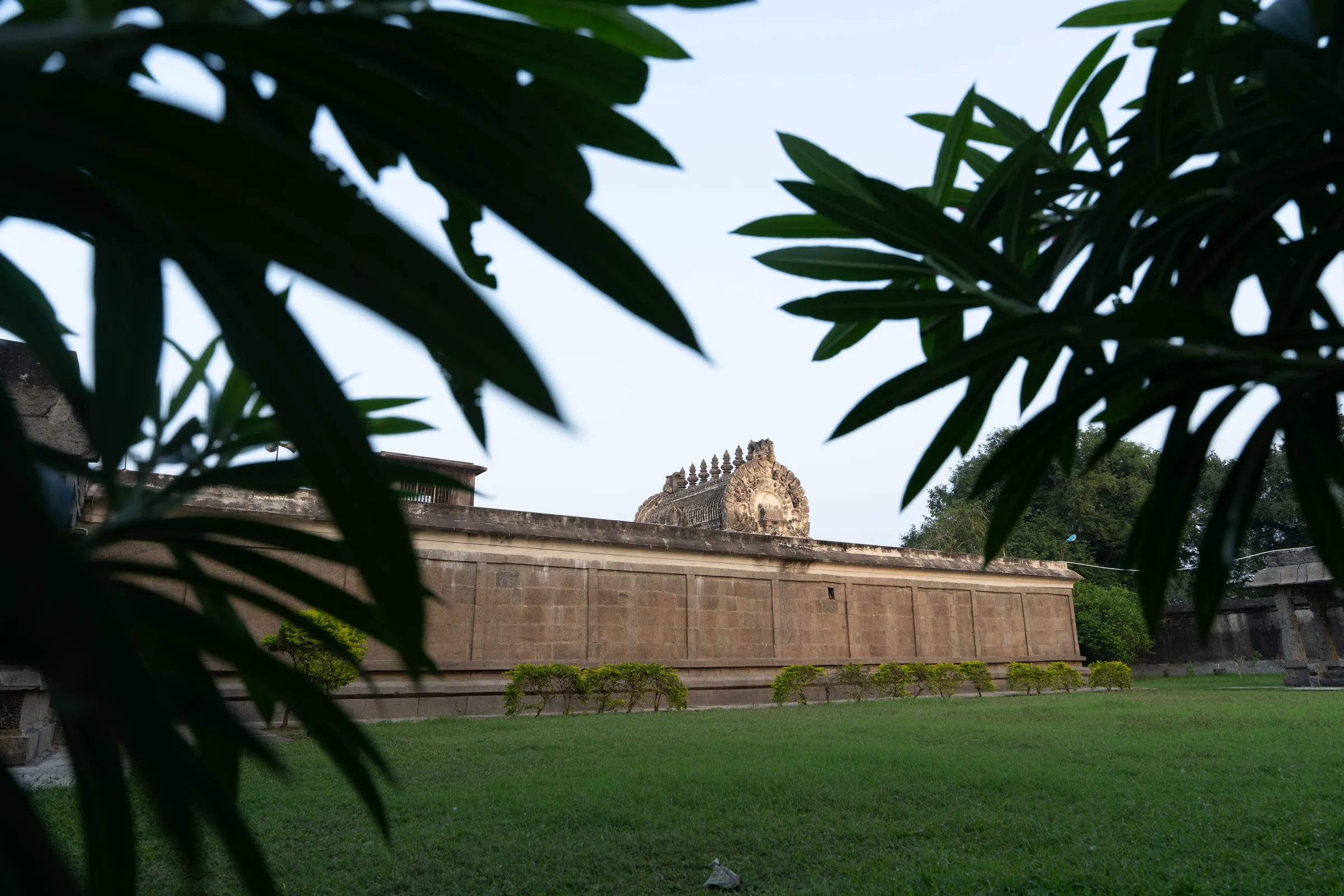
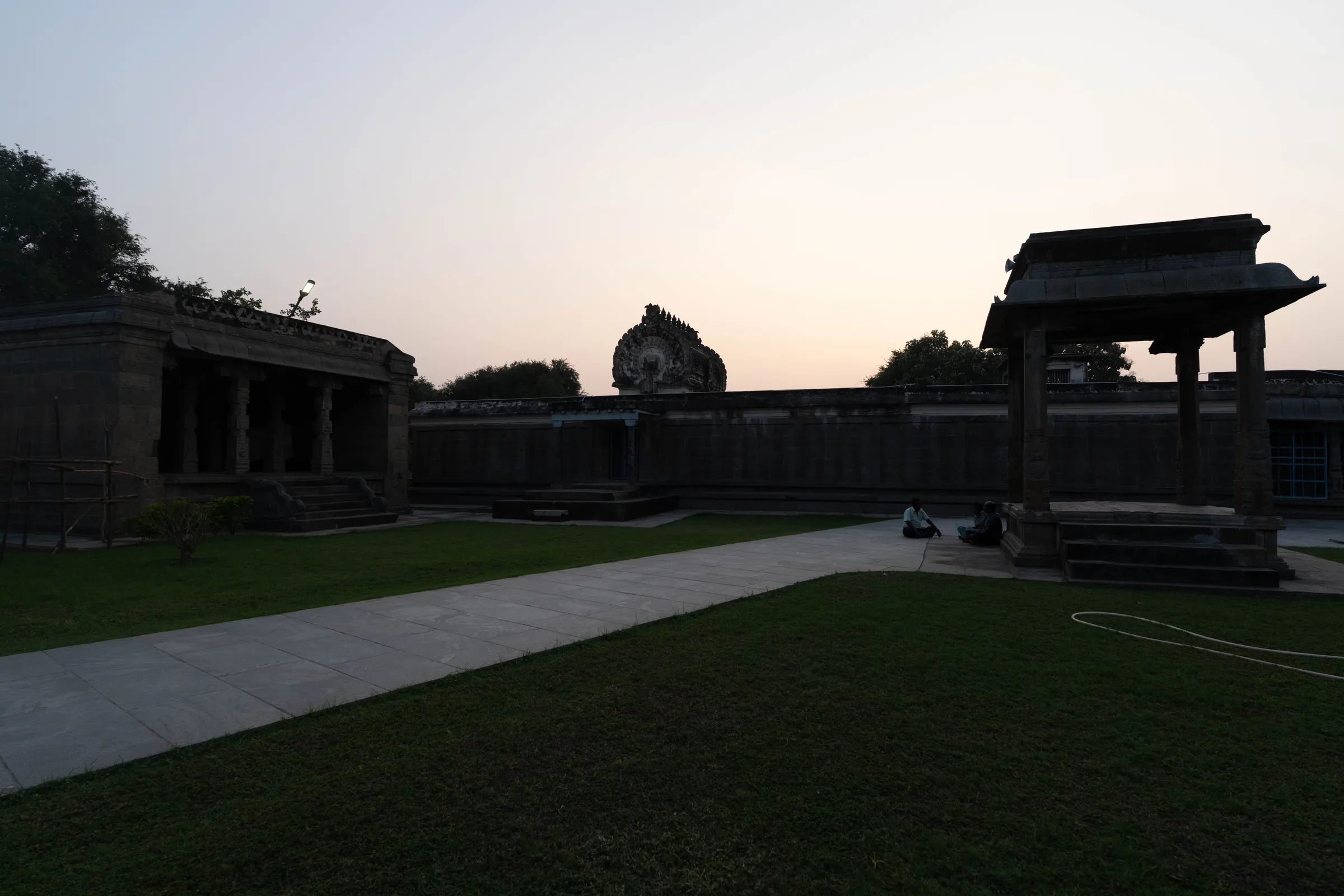
structure & vocabulary The temple is a simple structure with very few, separate shrines. The deity is made of stucco and so receives no ablutions or abhisheka. The structure, including the pillars, is simple, but the front mukha mandapa has finely crafted pillars with bases of seated lions, a favourite motif of the Pallavas, though the book notes this does not prove the temple is itself Pallava.
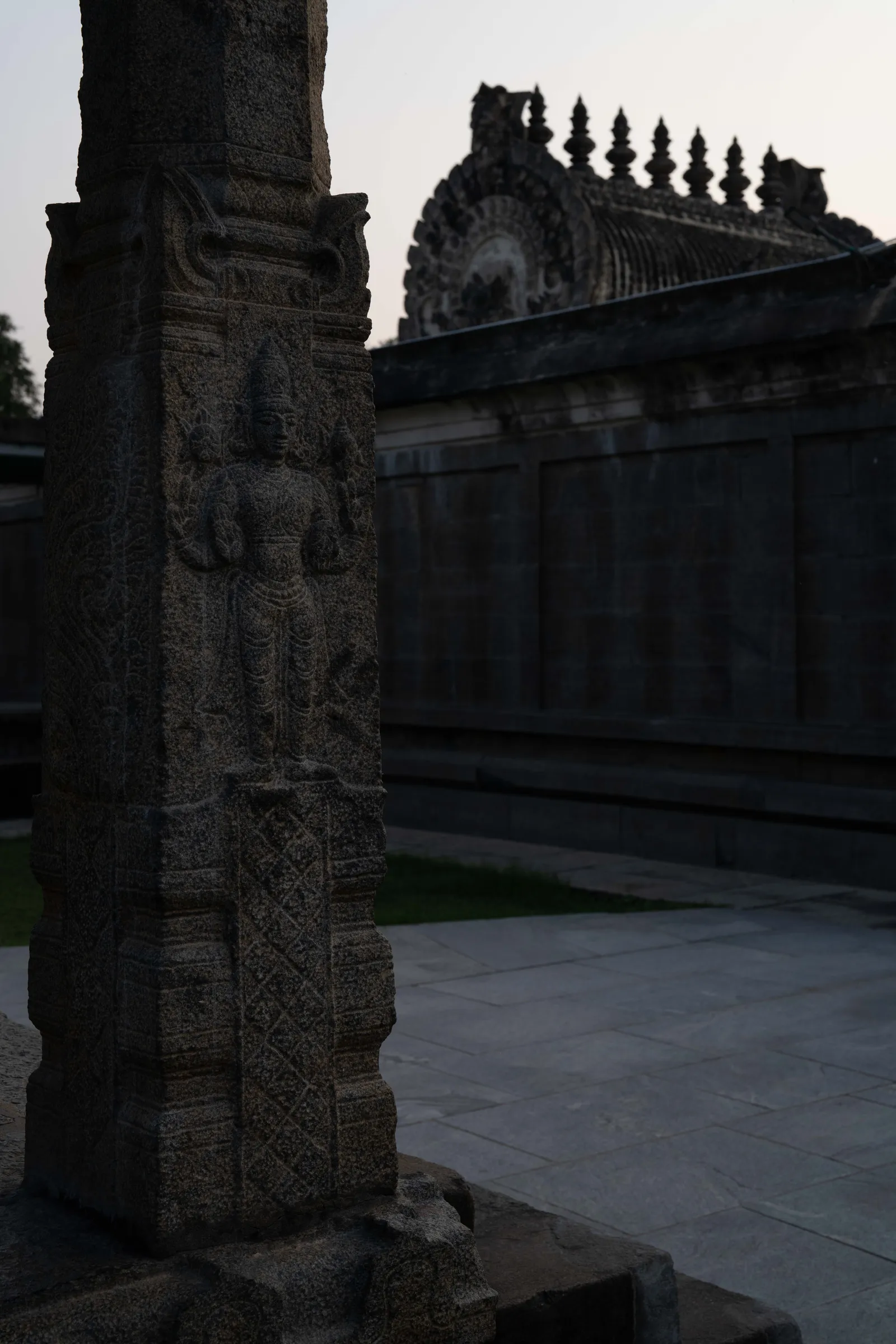
The main deity is unique: he bears the attributes of Vishnu, the headdress of Shiva, and holds a lotus, the symbol of Brahma, personifying the three stages of time, Shrishti (Brahma, creation), Sthithi (Vishnu, sustenance) and Samhara (Shiva, destruction). Outside the main temple are a smaller temple for Hanuman and a mandapa for the Kanchi Varadaraja Swami, who comes here the day after Pongal. There is a separate shrine for Sundaravalli Thayar, and several pillars carry carvings of animal shepherds and avatars of Vishnu.
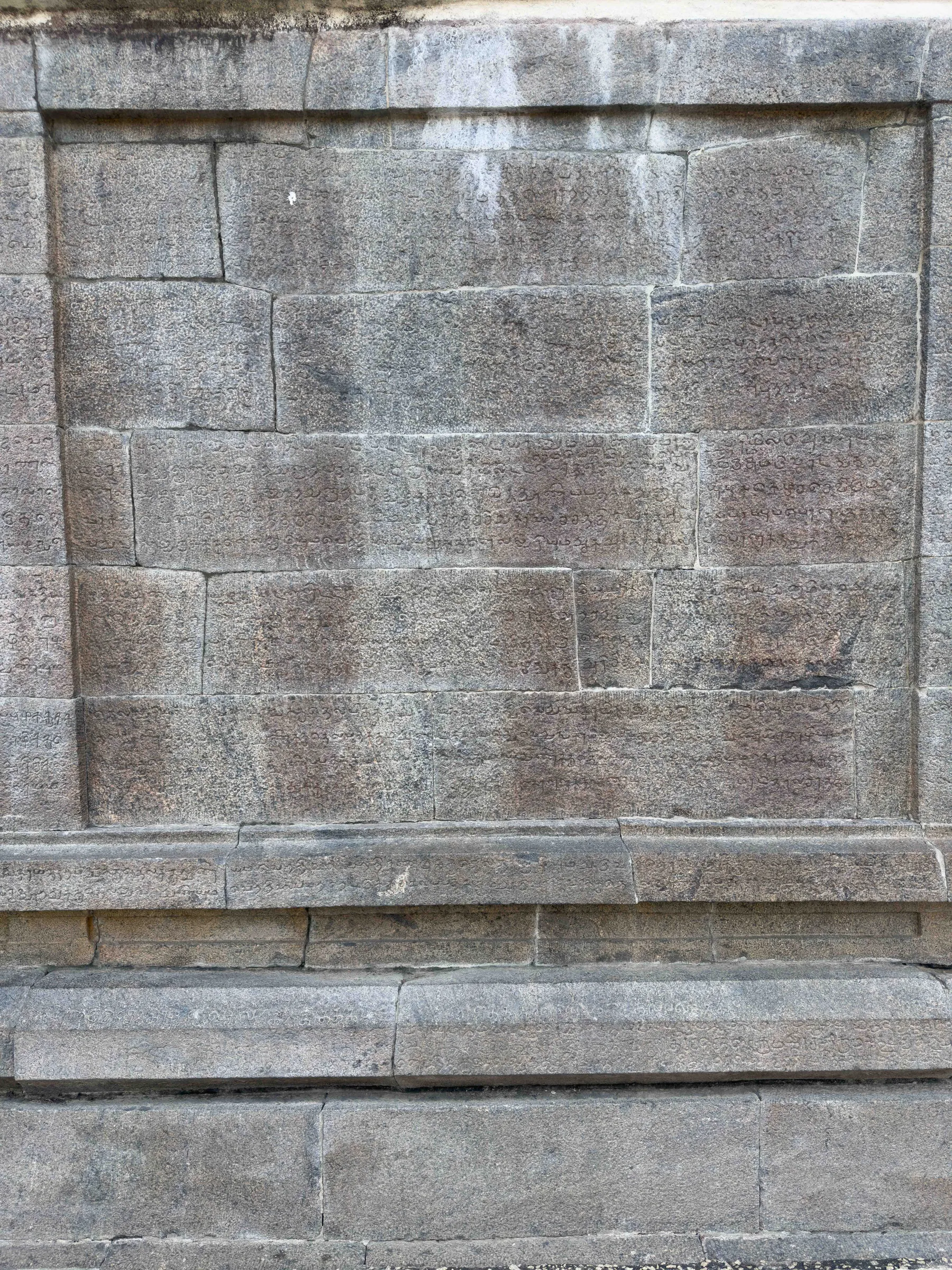
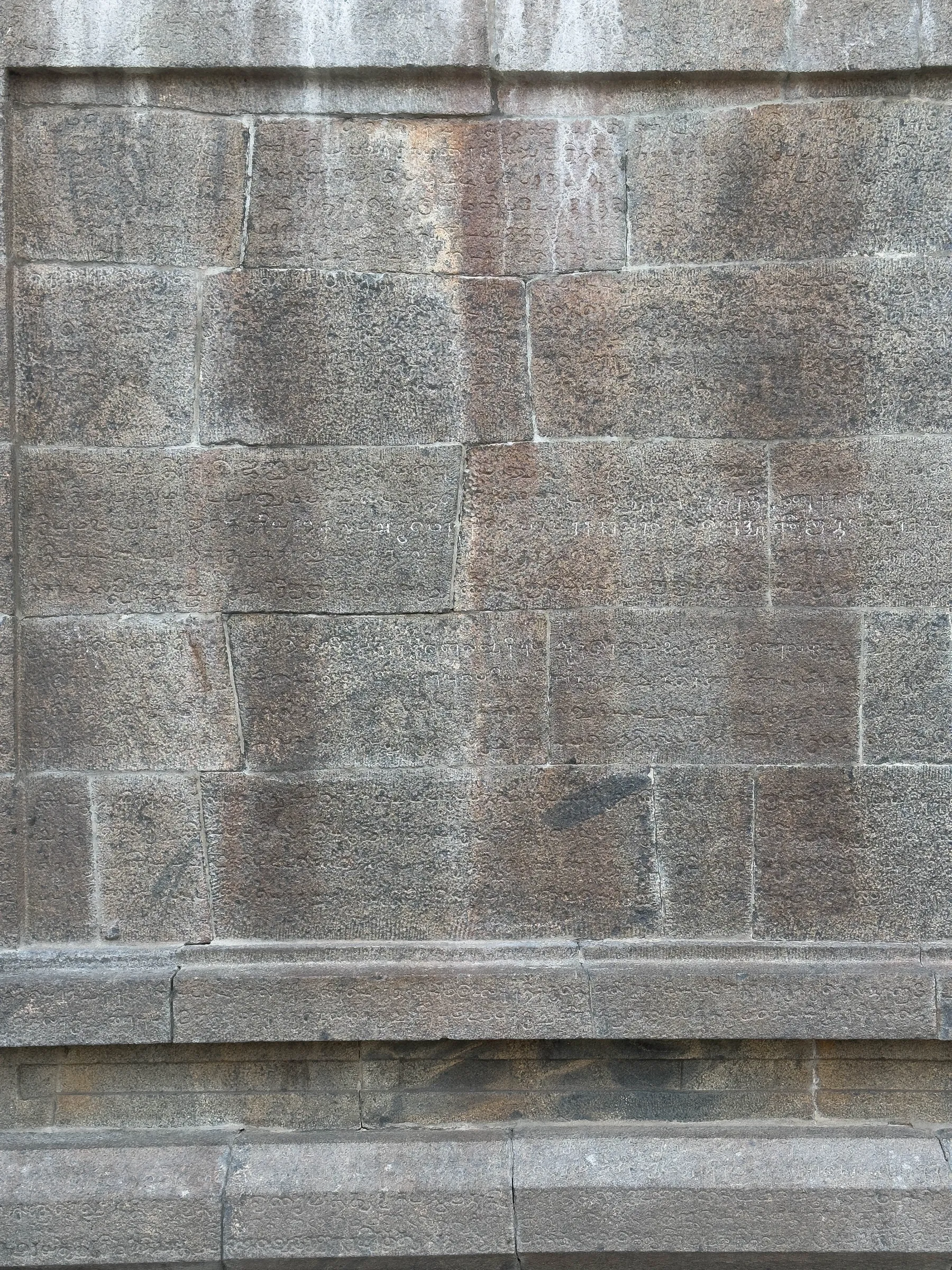
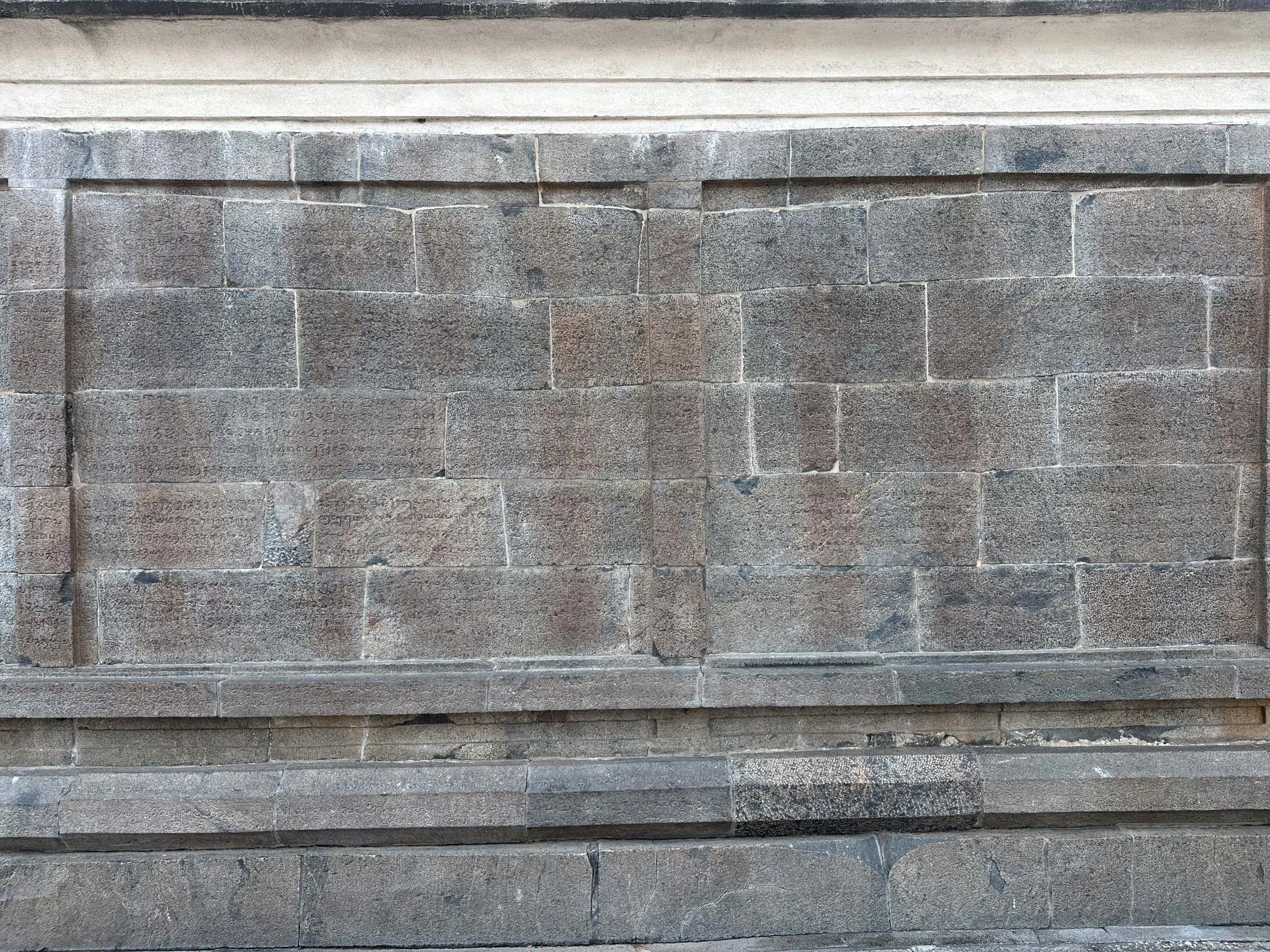
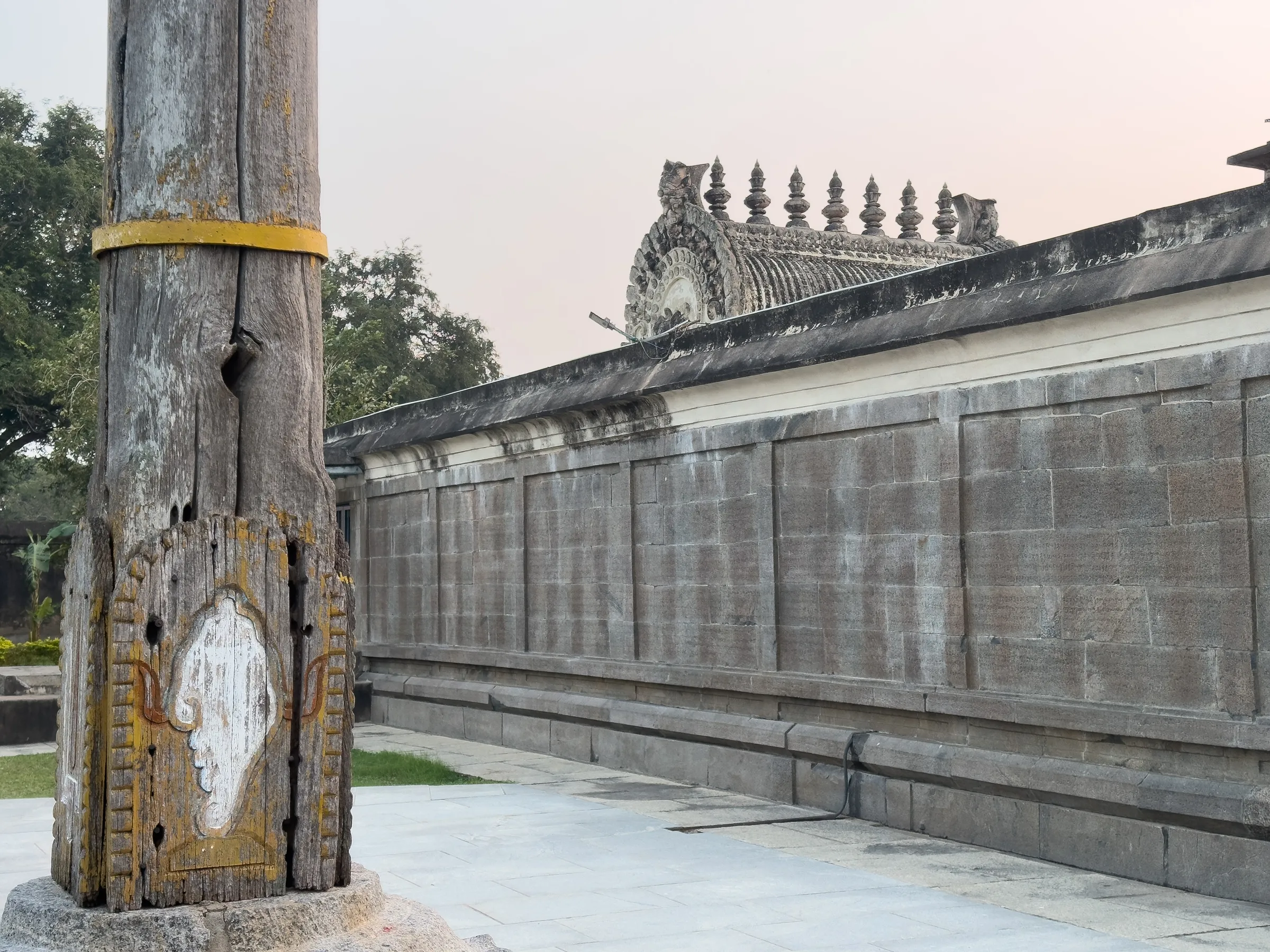
The long inscription runs right across three walls of the temple, almost 100 or more lines, written straight with no spelling errors, possibly first written out in kaavi or ochre and then etched in with hammer and chisel.
02 Archaeological
dated & cited Tirumukudal is a small village where the rivers Palar, Cheyar (Vegavati) join. In the 11th century, under Vira Rajendra Chola, the temple was attached to a school and a pharmacy. The specialty of the temple is this long inscription across the outer wall of the main temple, the most comprehensive of its kind on the subject, dated 1068 AD.
The record is of a grant of 75 Kalanju of gold paid by the villagers of Vayalaikkavur, which had since stopped. When the king visited and the villagers complained of the state of the sala (hospital) and the school, he gave them gold and allowed the village taxes to fund the temple and its institutions, so the locals paid for the benefits they received. The total was 147 Kalanju of gold, 216 and a half copper coins, and two ma of land, also used for temple festivals in September and December.
The school and hostel functioned in the Jananata mandapa. Subjects taught included the Rig Veda, Yajur Veda, Vyakarana (grammar), Rupavara, Pancharatra Agama, Saiva Agama and Vaishnava Agama, with teachers and students given daily allowances of paddy and gold. The hospital, named Virasolan after the king, had 15 beds, with a doctor named Savarnan Kodandaraman Asvathama Bhattan, a surgeon, two female nurses, a barber and helpers, all on stated allowances. Eighteen medicines, including Dasamula haritaki and Bilvadi gritam, were stocked for the year, many mixed with ghee from cow's milk.
Dating
Begun11th century, under Vira Rajendra Chola; the long inscription dated 1068 AD
The major inscription, of a school and hospital attached to the temple, is dated 1068 AD, in the reign of Vira Rajendra Chola.
Protection & condition
ConditionA small stone structure, largely empty today
Inscription · Across three outer walls of the main temple
Dated 1068 AD, in the reign of Vira Rajendra Chola, the record sets out a royal grant funding a school and a fifteen-bed hospital named Virasolan after the king. It lists the subjects taught and their teachers and students, the hospital's doctor, surgeon, nurses and staff with their daily allowances of paddy, gold and copper coin, and eighteen medicines stocked for the year.
03 Mythological
as transmitted The unique main deity, bearing the marks of all three of the trinity, personifies the cyclical Hindu view of time, the endless cycle of creation, growth and destruction giving way to a new cycle, unlike the linear time of the Abrahamic religions that runs from a prophet to a Judgement Day.